There are roughly 85,000 described species of mollusks but only about 7,000 species of echinoderms, and yet both groups trace their roots to the Cambrian explosion roughly 540 million years ago. That disparity in species richness matters: mollusks like the octopus and Pacific oyster drive fisheries, aquaculture and drug discovery, while sea stars and sea urchins shape marine habitats from tidepools to kelp forests. Comparing these animals reveals why they occupy different ecological roles, respond differently to disturbance, and excite scientists for distinct reasons — from cephalopod intelligence to echinoderm regeneration. The following eight differences between mollusks and echinoderms explain how body plan, symmetry, development, feeding modes, and human relevance diverge in ways that affect conservation, seafood production, and biomedical research.
Body plan and symmetry
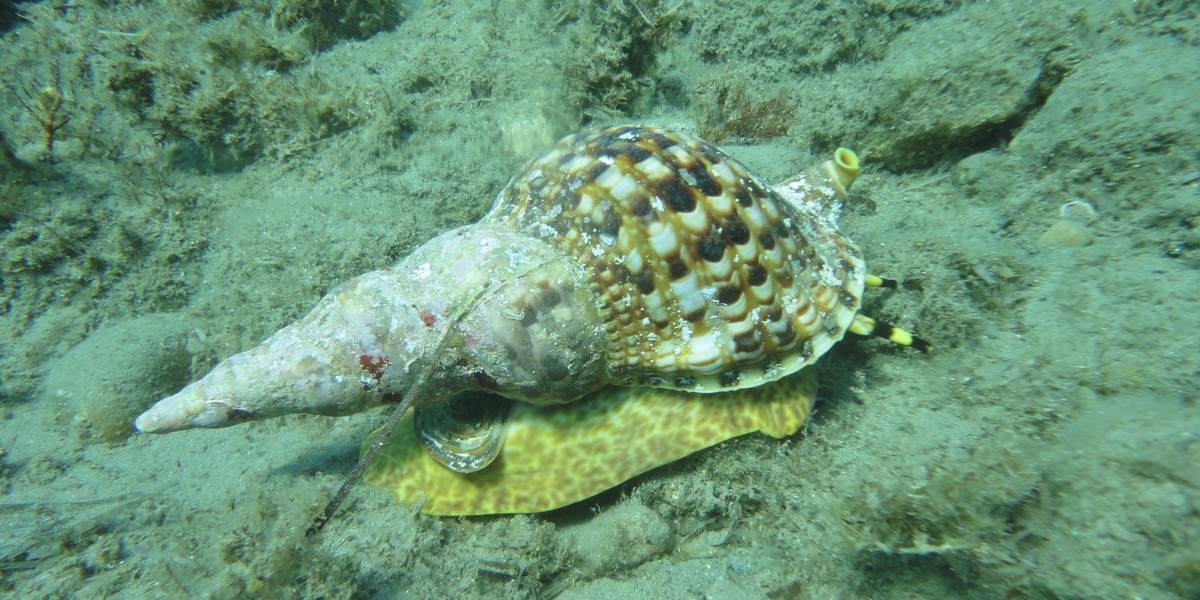
Structure is everything in animals: how a body is laid out determines how it moves, senses the world, and defends itself. Mollusks are built on a broadly bilateral blueprint with a head, foot and visceral mass, and many bear an external shell (or a reduced/absent shell in cephalopods). Adult echinoderms, by contrast, display a distinctive pentaradial plan (five-part symmetry) supported by an internal calcareous endoskeleton made of tiny plates called ossicles. Those divergent architectures produce different strategies: many mollusks rely on shells, rapid crawling, siphons or jet propulsion for mobility and protection, while echinoderms use tube feet and a hydraulic water-vascular system for slow, adhesive locomotion and substrate interaction. The five major mollusk classes (Gastropoda, Bivalvia, Cephalopoda, Polyplacophora, Scaphopoda) illustrate shell diversity, and roughly three-quarters of echinoderm species show clear pentaradial traits as adults. Examples include Octopus vulgaris’s highly modified, shell-less body, the Pacific oyster Crassostrea gigas with its robust bivalve shell, and the sea star Pisaster ochraceus with a classic five-armed layout.
1. Symmetry: Bilateral vs pentaradial
Mollusks are primarily bilaterally symmetrical animals, with left–right body organization evident across most classes; even many coiled gastropods retain an underlying bilateral plan. Adult echinoderms, however, show pentaradial (fivefold) symmetry, although their larvae are bilaterally symmetrical—a hint that radiality is a secondary adaptation derived from bilateral ancestors. About 70–90% of mollusk species retain obvious bilateral form as adults, while pentaradial organization dominates adult echinoderms such as regular sea urchins (Echinoidea) and most sea stars. Symmetry matters: bilateral bodies favor directional locomotion and concentrated sensory structures (a head), whereas radial or pentaradial forms allow an animal to interact with the environment from multiple directions—useful for slow-moving grazers and sessile feeders.
2. Hard parts: shells versus calcareous endoskeleton
Mollusks typically build external shells made mostly of calcium carbonate (with microstructures like nacre in some bivalves and gastropods), though shell reduction is extreme in cephalopods such as octopuses. Echinoderms possess an internal skeleton of calcite ossicles that form plates, spines, or a porous test, depending on the class (Asteroidea, Echinoidea, Holothuroidea, Ophiuroidea, Crinoidea). These different skeletal strategies influence predator defense, mobility, and fossilization: mollusk shells are abundant in the fossil record, which helps paleontologists trace their history back to the Cambrian ~540 million years ago, while echinoderm plates also fossilize but are often disarticulated. Classic field examples include bivalve shells preserved in sedimentary beds and fossil echinoderm tests found in Ordovician and Cambrian deposits.
3. Organ systems: centralized brains and gills versus water-vascular system
Mollusks show a wide range of neural and respiratory designs. Cephalopods host among the most complex invertebrate nervous systems—octopuses and squids possess hundreds of millions of neurons distributed between a central brain and peripheral ganglia—along with camera-type eyes and well-developed sensory organs. Echinoderms lack a centralized brain; instead they have a decentralized nerve net and rely on a hydraulic water-vascular system that powers tube feet for locomotion, adhesion and food handling. Functionally, that makes cephalopods active, visually guided hunters and echinoderms steady, tactile grazers or detritivores; a sea star uses tube feet hydraulics to pry open a bivalve, whereas an octopus solves a task using vision and complex motor control.
Development, reproduction, and regeneration
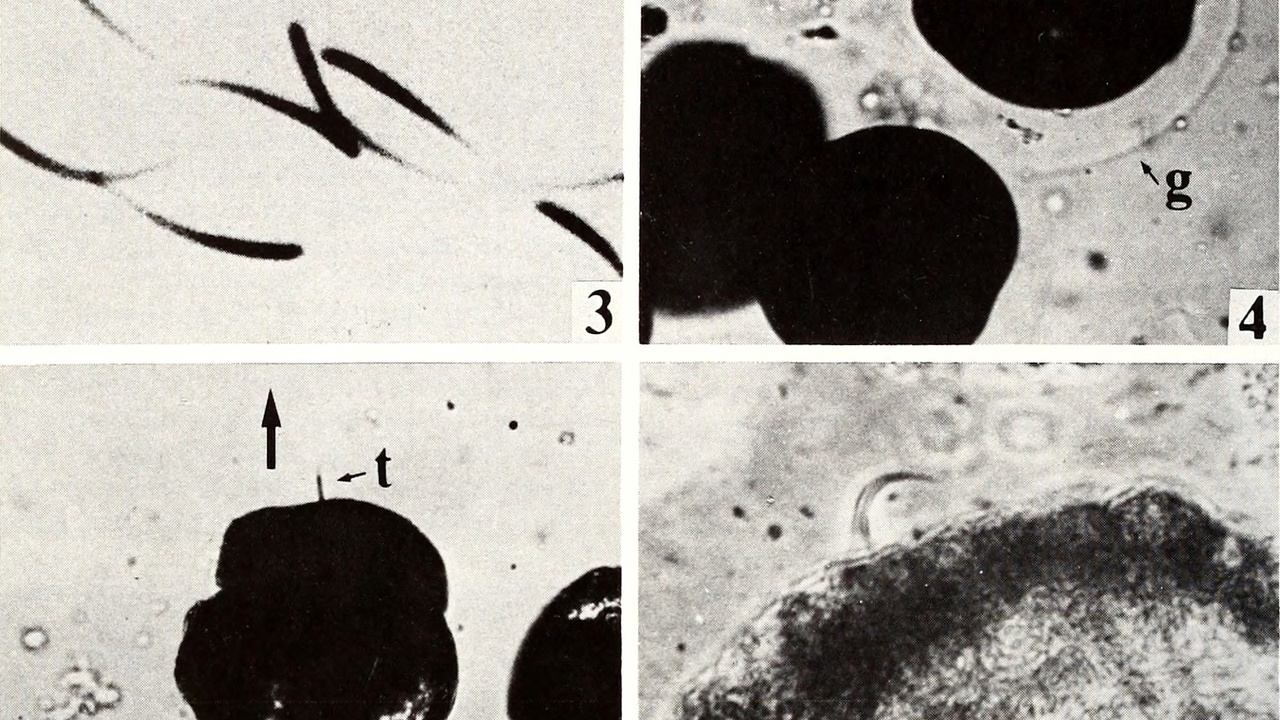
How an animal develops and reproduces shapes its population dynamics and resilience. Mollusks and echinoderms follow distinct developmental programs: mollusks commonly pass through a trochophore larva and often a later veliger stage, while echinoderms produce bilaterally symmetrical bipinnaria (and sometimes brachiolaria) larvae that metamorphose into pentaradial juveniles. Reproductive modes differ too—many mollusks include internal fertilization or hermaphroditism in certain clades, whereas most echinoderms broadcast spawn eggs and sperm into the water column. Regenerative capacity is another key contrast: many echinoderms can regrow arms or even entire bodies from a fragment (some sea stars can regenerate a complete individual from roughly one-fifth of the original), while most mollusks have only limited tissue or shell repair. Those differences influence dispersal, recovery after disturbance, and how each group figures in aquaculture and research.
4. Developmental stages: trochophore and veliger vs bipinnaria and brachiolaria
Mollusk larvae typically start as a trochophore—an early, swimming larva—and many progress to a veliger, which has ciliated lobes and a developing shell and can remain planktonic for days to several weeks, aiding dispersal. Echinoderm larvae such as the bipinnaria (and later brachiolaria in some groups) are bilaterally symmetrical, planktonic stages that may spend days to weeks in the plankton before settling and metamorphosing into a pentaradial juvenile. These larval differences affect population connectivity: long-lived planktonic larvae can disperse farther, while short-lived or brooded larvae promote local retention—important considerations for restoration and aquaculture programs (for example, using oyster veligers to seed beds).
5. Reproductive strategies: hermaphroditism and internal fertilization versus broadcast spawning
Mollusks display a diversity of reproductive systems: many gastropods (including numerous land and freshwater snails) are simultaneous hermaphrodites, and some bivalves and cephalopods practice internal fertilization or brooding. Echinoderms are dominated by external broadcast spawning—synchronized release of eggs and sperm that can produce mass recruitment events. For managers and farmers, that difference matters: hermaphroditism and brooding can simplify captive breeding, while broadcast spawning requires timing, water-quality control, and sometimes larval rearing for aquaculture. Mass spawning can also create boom years or recruitment failures depending on environmental conditions.
6. Regeneration: limited in mollusks, extensive in many echinoderms
Echinoderms are famous for regeneration—many sea stars regrow lost arms, and in some species a single arm plus part of the central disk (about 20% of the original animal) can regenerate into a whole individual. Sea cucumbers can autotomize internal organs and later replace them. Mollusks, by contrast, rarely regenerate complex organs: they can repair shell damage and heal soft tissues, but regrowing a whole limb-equivalent or major organ is uncommon. That contrast makes echinoderms important models in studies of wound healing, stem-cell–like processes, and regenerative biology, while mollusks more often contribute to research on development, neurobiology and toxin chemistry.
Feeding, ecology, and human relevance
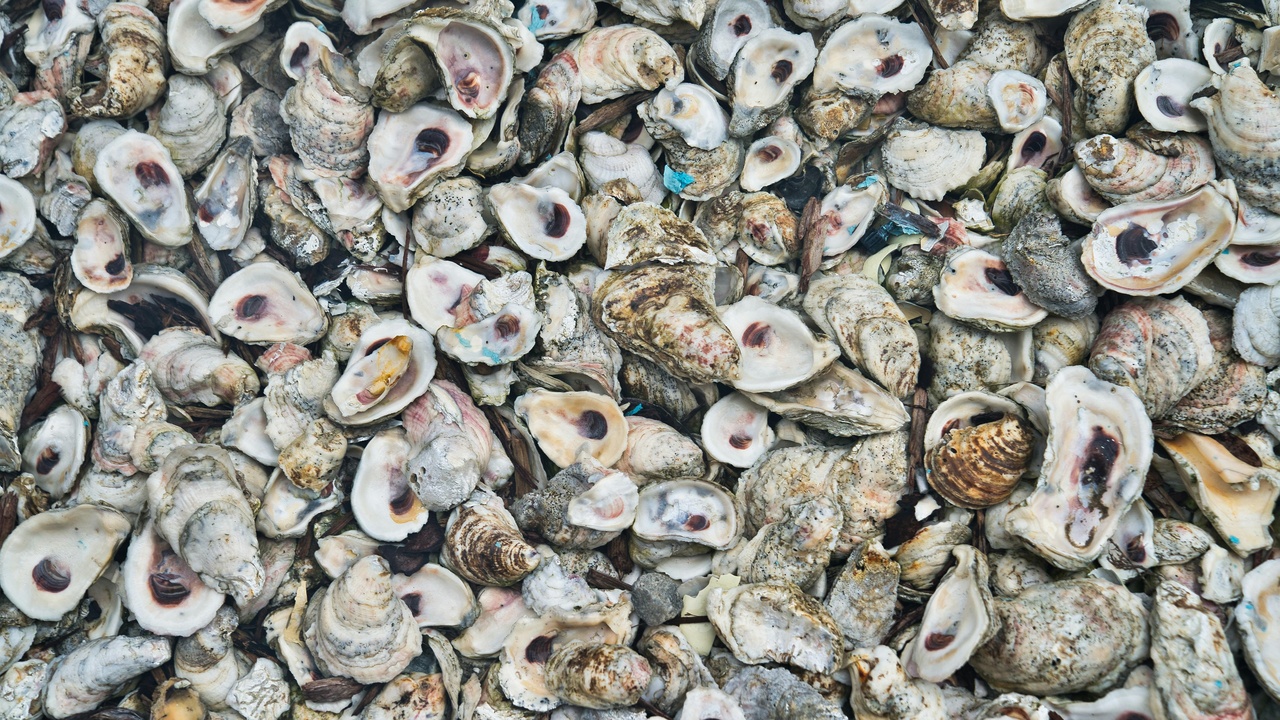
Feeding modes determine ecological roles and human value. Mollusks include efficient filter-feeding bivalves, scraping or drilling gastropods and active predatory cephalopods, while echinoderms rely on tube feet, mucous feeding, or grazing to process algae, detritus and invertebrates. Economically, bivalve aquaculture is massive—global shellfish production is on the order of 15–20 million tonnes annually according to FAO reports—providing food, jobs and coastal livelihoods. Echinoderms support smaller fisheries but can exert outsized ecological effects: sea urchin grazing can create “urchin barrens” by decimating kelp beds, and crown-of-thorns starfish outbreaks can severely damage coral reefs. Both groups also have biomedical importance: venom peptides from cone snails (Conus magus) led to the pharmaceutical ziconotide (Prialt), and echinoderm regeneration informs tissue-repair research. Those contrasts—economic weight versus habitat engineering—make each phylum central to distinct conservation and management challenges.
7. Feeding apparatus and diets: radula and siphons vs tube feet and mucous feeding
Mollusks possess a radula in many groups—a rasping, toothed organ used to scrape algae, bore into prey, or deliver venom in cone snails where a harpoon-like radular tooth injects toxins. Bivalves use siphons and gill-based filtration to capture plankton. Echinoderms lack a radula; they use tube feet, spines and mucous to graze, trap detritus, or manipulate prey. A sea star, for example, employs tube feet to create steady pulling forces and can evert its stomach to digest a mussel in place, while a cone snail captures fish with a venomous harpoon. These different feeding tools distribute energy across food webs in contrasting ways: bivalves pass huge volumes of water and particles up the food chain, whereas echinoderm grazers control algal cover and community structure.
8. Human uses and ecological impact: aquaculture, fisheries, and biomedical research
Mollusks underpin large fisheries and aquaculture sectors—bivalves and cephalopods are major commodities—while echinoderms provide niche harvests and can drive habitat change. FAO statistics place annual bivalve production in the mid‑tens of millions of tonnes, making shellfish culture a cornerstone of coastal economies and restoration projects. Conversely, periodic outbreaks of crown-of-thorns starfish (Acanthaster planci) have been implicated in large-scale coral loss in tropical reefs, and unchecked urchin populations can convert kelp forests to barren rock. In medicine, conotoxins from Conus magus yielded ziconotide for pain treatment, and echinoderm regenerative biology offers leads for tissue-repair science. Balancing sustainable harvest, habitat protection, and continued research is essential if we want seafood security and intact ecosystems.
Summary
- Most mollusks are bilaterally organized and often protected by external shells, while adult echinoderms commonly display pentaradial symmetry and an internal ossicle skeleton.
- Development differs sharply: mollusks typically pass through trochophore and veliger stages, whereas echinoderms have bipinnaria/brachiolaria larvae before metamorphosis.
- Mollusks include highly centralized nervous systems in cephalopods and are key to aquaculture (15–20 million tonnes of shellfish annually), whereas echinoderms feature a water-vascular system and remarkable regenerative ability (some sea stars can rebuild from ~20% of their body).
- Feeding anatomy divides their ecological roles: radulae and siphons drive grazing, drilling and filtration in mollusks, while tube feet and mucous feeding make echinoderms important habitat engineers.
- Both groups matter to people—fishery and biomedical uses differ (for example, ziconotide from Conus magus and regeneration research in sea stars)—so managing harvest and protecting habitats are practical priorities.
Support sustainable shellfish practices and reef conservation, and follow research from authorities like FAO and NOAA to learn more about how these fascinating animals shape our oceans.