Iran’s varied terrain—from the Caspian coast and Zagros mountains to the central plateau and Persian Gulf shores—supports a wide mix of minerals, fuels and industrial materials that have shaped local industry and trade for centuries. Understanding what is extracted where helps explain regional economies and infrastructure across the country.
There are 25 Natural Resources of Iran, ranging from Barite to Zinc. For each entry the data are organized as Type, Main locations, Reserves/production (amount & unit), and you’ll find below.
Which resources drive Iran’s export and industrial sectors the most?
Oil and natural gas dominate export revenue and industrial feedstocks, while mined commodities such as copper, iron ore and zinc are key for metallurgy and domestic industry. Petrochemical products, together with cement and mineral concentrates, also play major roles in processing and trade.
How can I use the list to plan research or field visits?
Use the Type column to filter resources of interest, check Main locations to target regions, and consult Reserves/production (amount & unit) to assess scale and commercial significance; local permitting, transport and seasonal access should guide any on-site planning.
Natural Resources of Iran
| Name | Type | Main locations | Reserves/production (amount & unit) |
|---|---|---|---|
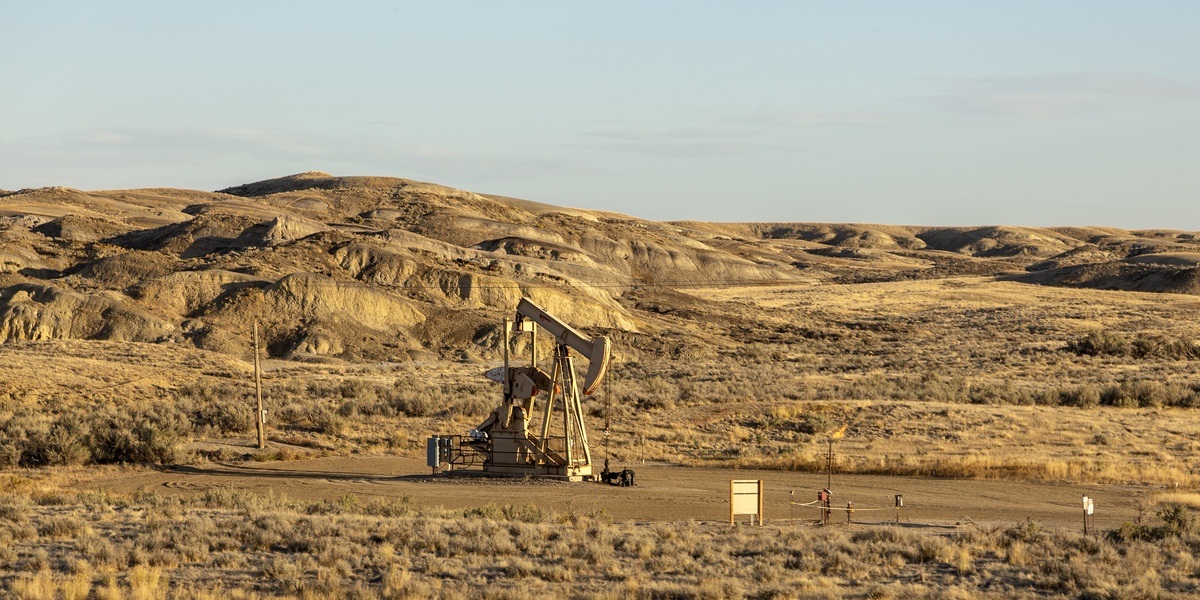
| Crude oil | fossil fuel | Khuzestan,Fars,Bushehr,Hormozgan,Kharg | 157,800,000,000 bbl |
| Natural gas | fossil fuel | South Pars (Persian Gulf),Fars,Bushehr,Khuzestan | 33,700 bcm |
| Coal | fossil fuel | East Azerbaijan,Kurdistan,North Khorasan | 1,100,000,000 tonnes |
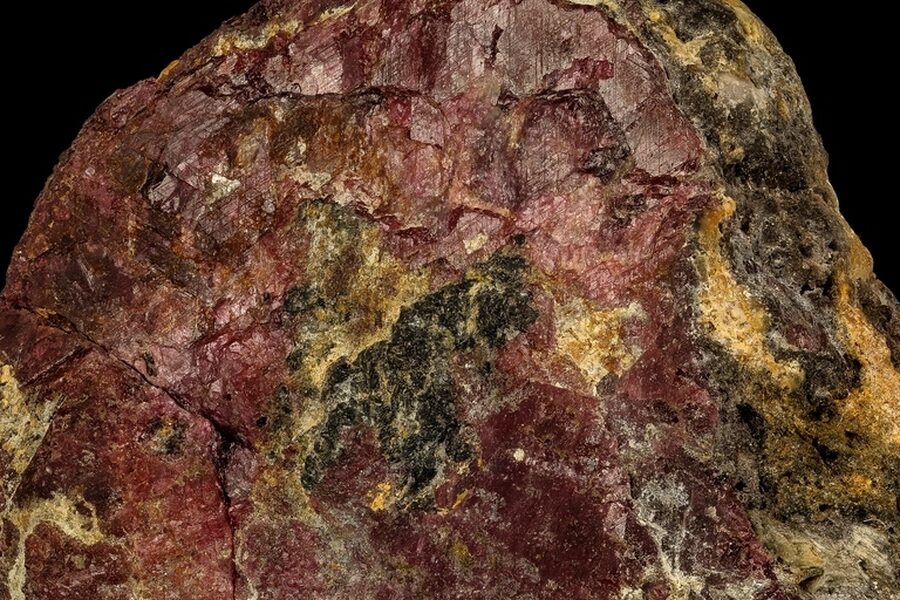
| Iron ore | metallic mineral | Yazd,Kerman,Razavi Khorasan | 2,500,000,000 tonnes |
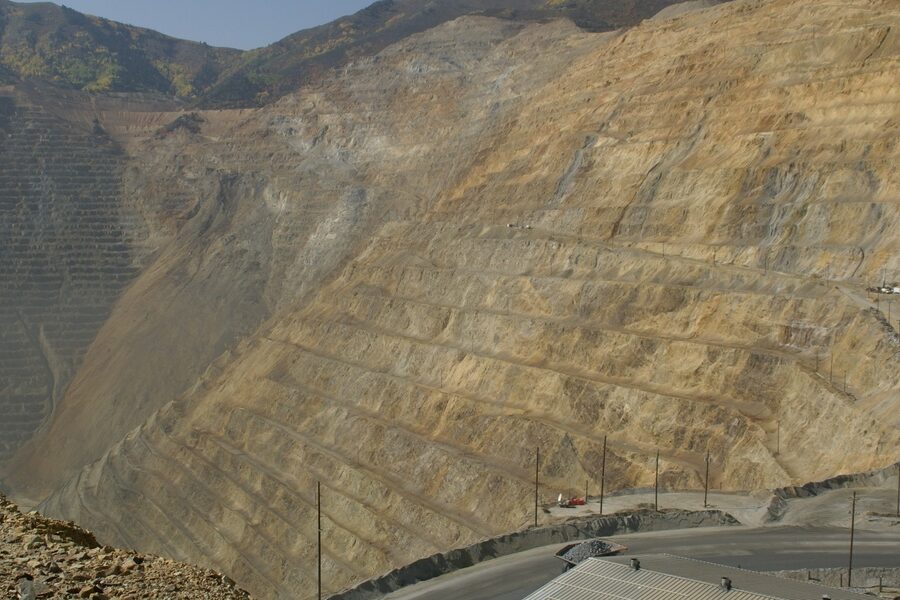
| Copper | metallic mineral | Kerman (Sarcheshmeh),East Azarbaijan,Yazd | 32,000,000 tonnes (contained) |
| Lead | metallic mineral | Zanjan,West Azarbaijan,Kurdistan | N/A |
| Zinc | metallic mineral | Zanjan,Alborz,Razavi Khorasan | N/A |
| Chromite | metallic mineral | Semnan,Kerman,Hormozgan | N/A |
| Gold | metallic mineral | Kerman,Isfahan,West Azarbaijan | N/A |
| Uranium | metallic mineral | Yazd (Saghand),Ardakan area | N/A |
| Sulfur | non-metallic mineral | Hormozgan,Khuzestan,Fars (by-product) | N/A |
| Phosphate rock | non-metallic mineral | Kerman,Sistan and Baluchestan | N/A |
| Salt | non-metallic mineral | Lake Urmia,Dasht-e Kavir,Persian Gulf coasts | 3,000,000 tonnes/year |
| Gypsum | non-metallic mineral | Kerman,Fars,Isfahan | N/A |
| Limestone | non-metallic mineral | Zagros and Alborz ranges (widespread) | N/A |
| Marble and dimension stone | non-metallic mineral | Isfahan,South Khorasan,Fars | N/A |
| Barite | non-metallic mineral | Kerman,Sistan and Baluchestan,North Khorasan | N/A |
| Oil shale | fossil fuel | East Azerbaijan,Kermanshah,Zagros foothills | N/A |
| Pistachios | water/agriculture | Kerman,North Khorasan,Fars | 250,000 tonnes/year |
| Saffron | biodiversity | Razavi Khorasan,South Khorasan,Khuzestan | 300 tonnes/year |
| Dates | water/agriculture | Khuzestan,Kerman,Sistan and Baluchestan | 1,200,000 tonnes/year |
| Caspian sturgeon (caviar) | biodiversity | Caspian Sea coast (Gilan,Mazandaran) | N/A |
| Wheat | water/agriculture | Razavi Khorasan,Tehran,West Azarbaijan | 14,000,000 tonnes/year |
| Renewable freshwater (internal) | water/agriculture | Caspian basin,Zayandeh Rud,Karun basins | 130 km3/year |
| Forest area (timber,biodiversity) | biodiversity | Hyrcanian Caspian strip,Zagros mountains | 12,000,000 hectares |
Images and Descriptions
Crude oil
One of the pillars of Iran’s economy, crude oil from giant onshore and offshore fields supplies domestic energy and export revenue. Proven reserves near 157.8 billion bbl make Iran a top global holder and a strategic hydrocarbon producer.
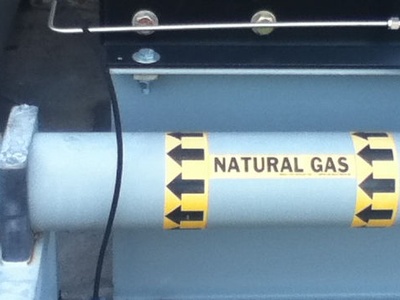
Natural gas
Iran holds among the world’s largest natural gas reserves, centered on South Pars. About 33,700 bcm of gas supports domestic power, petrochemical feedstock and export potential, shaping energy policy and regional geopolitics.
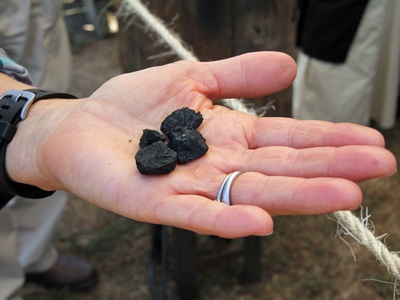
Coal
Iran’s coal is mostly sub‑bituminous and bituminous deposits used for cement, steel and power in industrial regions. Reserves around 1.1 billion tonnes provide a domestically available fossil fuel to supplement oil and gas.
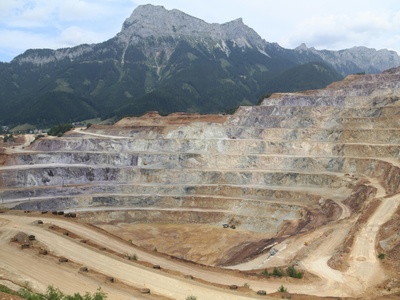
Iron ore
Large iron ore deposits power Iran’s steel industry and mining exports. Key mines at Sangan, Chadormalu and Golgohar contribute to about 2.5 billion tonnes of identified reserves crucial for domestic metallurgy and construction.
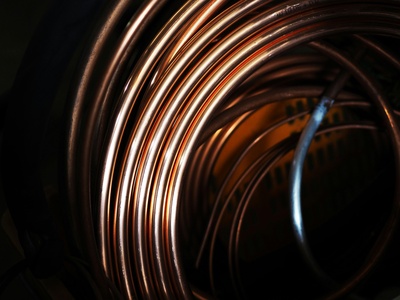
Copper
Copper is a major industrial metal in Iran; Sarcheshmeh is one of the country’s biggest mines. Contained copper reserves are substantial (~32 million tonnes), supporting smelting, alloys and export earnings.

Lead
Lead occurs with zinc sulfide deposits and is important for battery and metal industries. Iran hosts notable lead‑zinc mines such as Angouran; domestic concentrates supply refining and manufacturing sectors.
Zinc
Zinc is mined primarily in polymetallic deposits (e.g., Angouran). It is important for galvanizing and alloys; Iranian zinc concentrates feed domestic smelters and modest export markets.
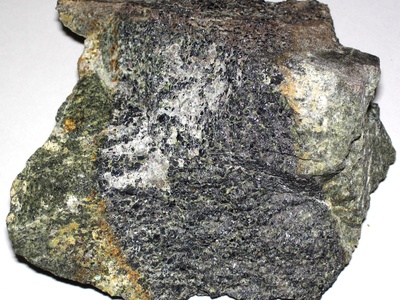
Chromite
Chromite resources supply the ferrochrome and stainless steel industries. Iran’s chromite occurs in ophiolite belts; deposits are regionally important for industrial uses and some export trade.
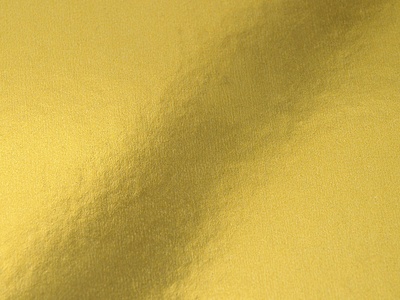
Gold
Gold occurs in several epithermal and vein deposits; mining supports domestic industry, investment and export potential. Gold projects like Zagros and Jupar highlight growing exploration and production activity.
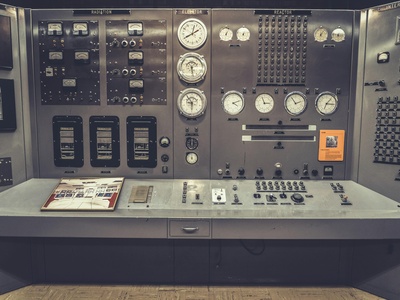
Uranium
Iran has uranium occurrences and exploration targets used for fuel-cycle ambitions. Known deposits such as Saghand underpin limited domestic mining and strategic nuclear fuel planning.
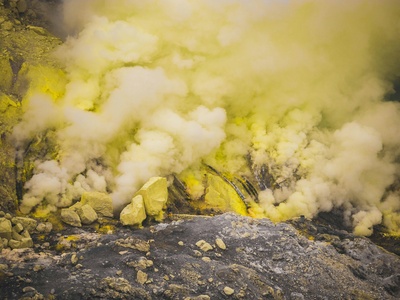
Sulfur
Much sulfur is produced as a by‑product of gas and oil processing; it feeds fertilizer and chemical industries. Iran’s sulfur stream is significant for domestic sulfuric acid and agricultural inputs.
Phosphate rock
Phosphate deposits are vital for domestic fertilizer production and food security. Iran’s phosphate resources in the southeast support agricultural inputs and potential export of finished fertilizers.
Salt
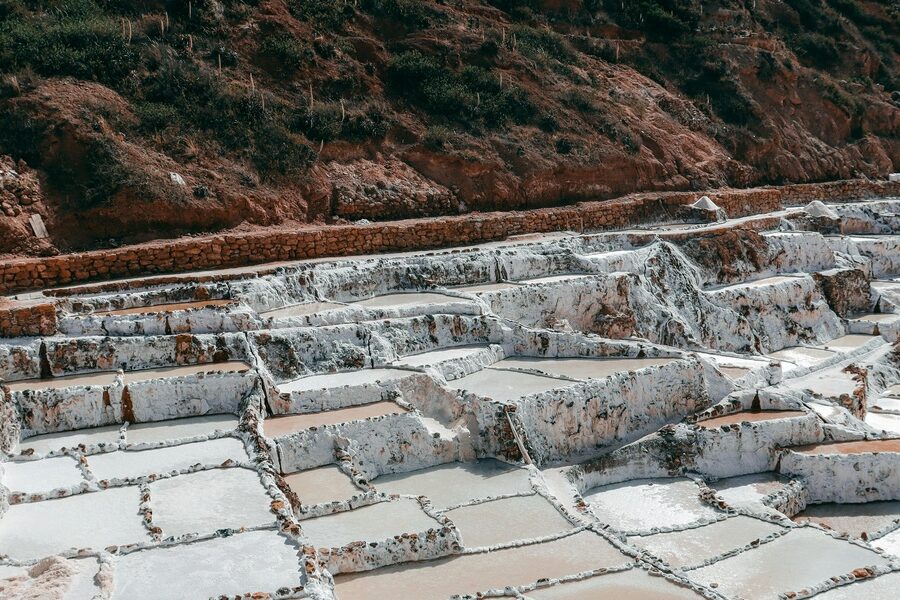
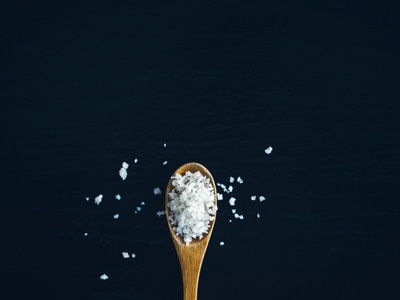
Rock and evaporitic salt are widely produced for chemical, de‑icing and food uses. Annual salt production roughly 3,000,000 tonnes supports domestic industry and some regional exports.

Gypsum
Widespread evaporitic gypsum deposits supply the cement, plaster and construction sectors. Large sedimentary gypsum beds near major cities make it a locally important raw material for building materials.
Limestone
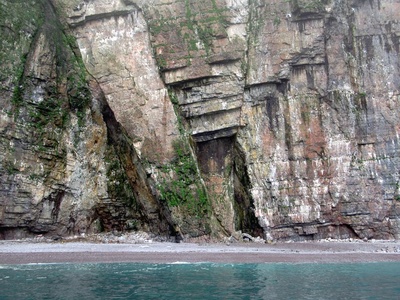
Limestone is abundant and forms the backbone of Iran’s cement and construction industries. Quarries across the Zagros and Alborz ranges supply aggregate, lime and raw cement feedstock.
Marble and dimension stone
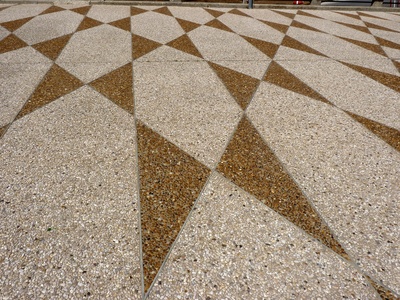
Iran is rich in decorative marbles and travertines; quarries supply domestic construction and the export market. Distinctive varieties from Isfahan and Yazd are prized for architecture and finishing.
Barite
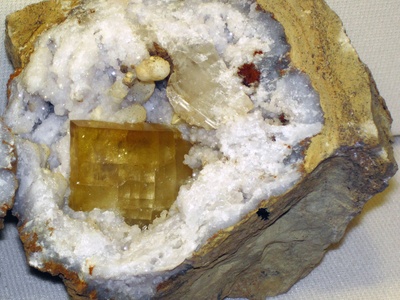
Barite is important for drilling fluids in the oil and gas sector and for chemical uses. Iranian barite deposits near major hydrocarbon basins provide feedstock to the petroleum services industry.
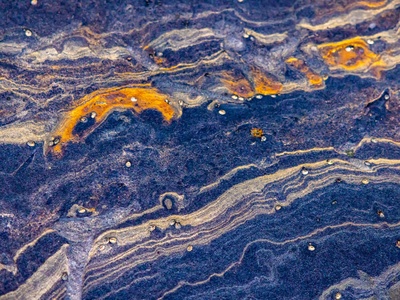
Oil shale
Oil shale occurs in several sedimentary basins and represents unconventional hydrocarbon potential. While not yet a major producer, it is considered a strategic resource for future energy options.
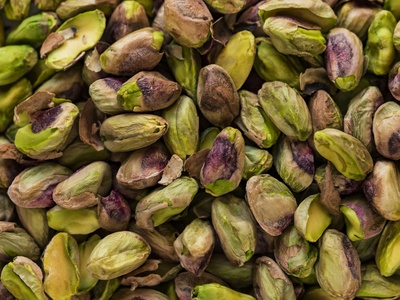
Pistachios
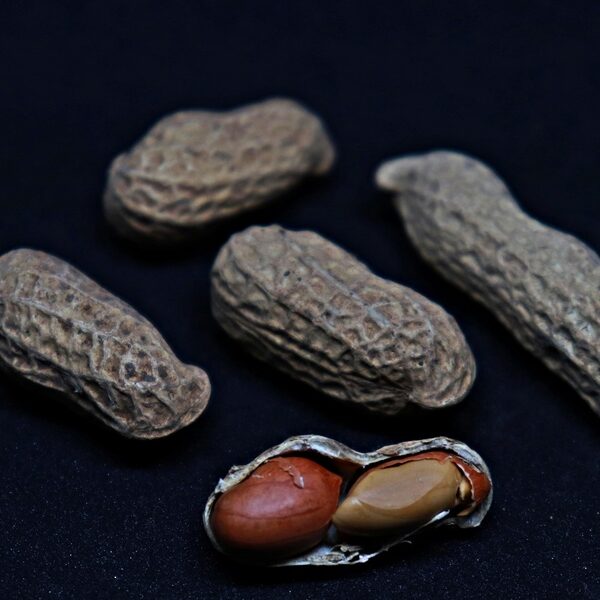
Iran is a historic global leader in pistachio production; roughly 250,000 tonnes/year fuel export earnings and rural livelihoods. The crop is culturally significant and economically important in arid provinces.
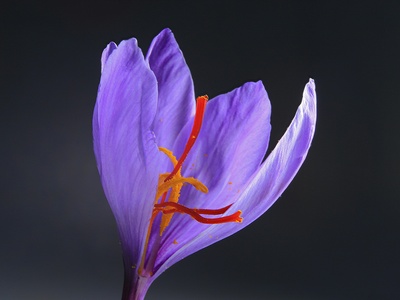
Saffron
Iran dominates global saffron production, supplying roughly 90–95% of world output (~300 tonnes/year). High value per hectare makes saffron a vital cash crop for smallholder farmers in eastern provinces.
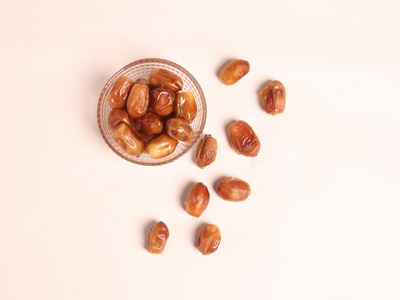
Dates
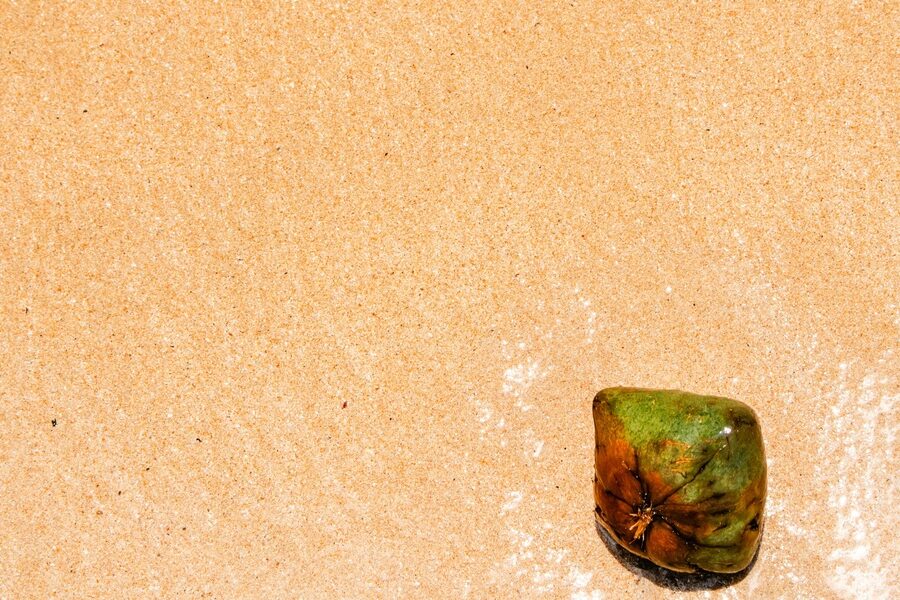
Date palms are a major agricultural resource in southern Iran, with annual production around 1.2 million tonnes. Dates are key for domestic consumption, processing and exports to regional markets.
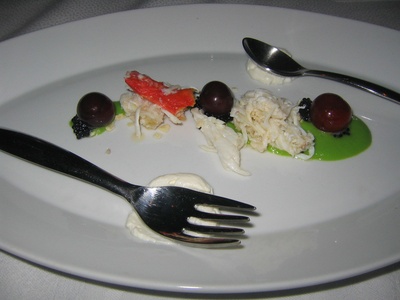
Caspian sturgeon (caviar)
Historically famous for high-value sturgeon and caviar, Iranian Caspian stocks have declined due to overfishing and habitat change. Conservation and aquaculture are now central to preserving this once-prized resource.
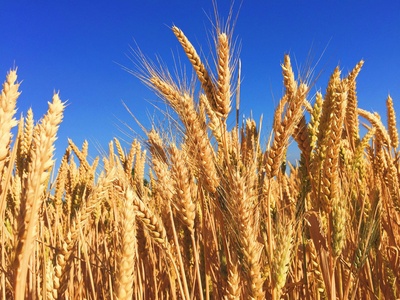
Wheat
Staple crop production of about 14 million tonnes annually supports food security and rural economies. Wheat cultivation is widely dispersed and central to domestic grain policy and import substitution goals.
Renewable freshwater (internal)
Renewable internal freshwater resources are limited—roughly 130 km3/year—and determine agricultural capacity, urban supply and hydropower. Water scarcity shapes irrigation, land use and resource management policies.
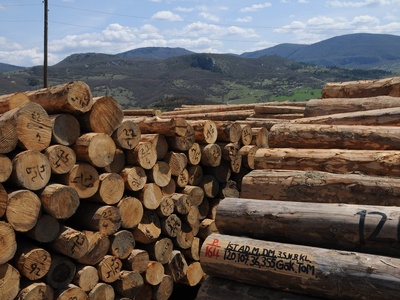
Forest area (timber,biodiversity)
Iran’s forest ecosystems (roughly 12 million hectares) include Hyrcanian and Zagros woodlands. They provide timber, biodiversity, watershed protection, and face pressures from deforestation and land conversion.