By 2050, the global population aged 60 and older is expected to double to about 2.1 billion — and yet our assumptions about what aging “looks like” are often wrong. The longest confirmed human lifespan belongs to Jeanne Calment, who lived to 122 years and 164 days, a concrete reminder that longevity varies widely. Aging matters because it shapes personal health choices, caregiving needs, and public policy budgets; the way societies plan for work, housing, and healthcare depends on getting the science right.
Aging is not a single downhill slide. It’s a mix of cellular shifts, cognitive changes, social forces, and emerging technologies. Understanding these facts about aging helps people make smarter choices about prevention, care, and policy. Below are eight science-backed insights across biology, the brain, social life, and medical and tech interventions — practical, evidence-based, and ready to inform what you do next.
Biological Basics of Aging
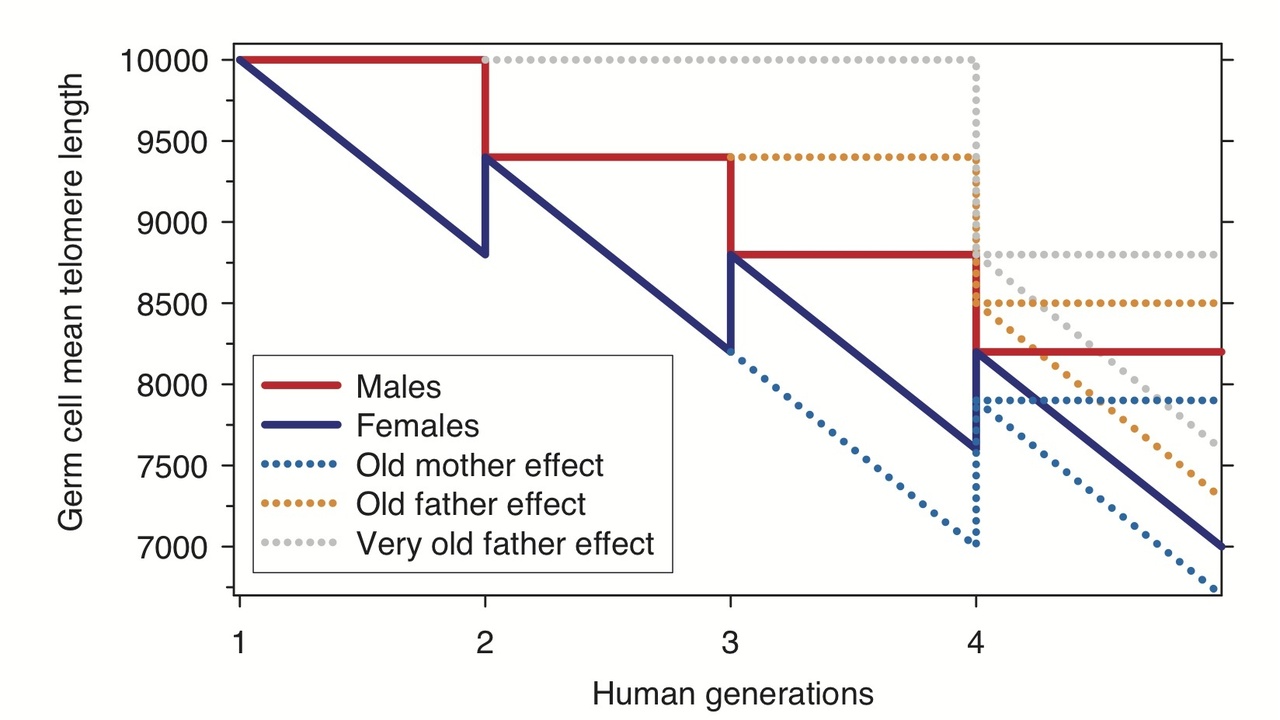
Aging begins at the cellular level. Two concepts capture much of this biology: the progressive shortening of telomeres that limits how many times a cell can divide, and the accumulation of senescent cells that drive chronic inflammation. Both help explain why age is the dominant risk factor for many chronic diseases, and both point to intervention strategies now being tested in the clinic.
The work on telomeres and chromosome protection earned the 2009 Nobel Prize in Physiology or Medicine (Elizabeth Blackburn, Carol Greider, Jack Szostak), and it helped frame the Hayflick limit — roughly ~50 divisions for many human somatic cells — as a basic constraint on cellular replication. Meanwhile, senescent cells secrete inflammatory molecules that contribute to “inflammaging,” a low-grade, chronic immune activation linked to cardiovascular disease, diabetes, and frailty.
These mechanisms suggest therapeutic directions: telomerase-related approaches and telomere-targeted drugs for cancer biology, and senolytic agents to clear senescent cells and reduce inflammation. Early human trials are under way, making cellular biology directly relevant to future prevention and treatment.
1. Telomeres, cell division limits, and the Hayflick limit
Telomeres are protective caps at the ends of chromosomes that shorten each time a cell divides, which constrains replicative capacity in many tissues. For many human somatic cells the Hayflick limit is about 50 divisions before cells stop dividing and enter senescence.
The 2009 Nobel Prize recognized key discoveries in telomere biology (Elizabeth Blackburn, Carol Greider, Jack Szostak), and that work set the stage for telomerase research as a potential drug target. Telomere shortening accumulates over years, and its pace varies by tissue and environmental stressors.
Practical implications include cancer research — where reactivated telomerase helps tumors grow — and experimental therapies that aim either to stabilize telomeres or safely control telomerase activity to prevent age-related tissue decline.
2. Senescent cells and chronic inflammation (inflammaging)
Senescent cells accumulate with age and secrete pro-inflammatory cytokines, growth factors, and proteases, a profile often called the senescence-associated secretory phenotype. That secretion fuels chronic, low-grade inflammation — “inflammaging” — which raises risk for many chronic conditions.
In animal models, removing senescent cells with senolytic drugs improves mobility, cardiovascular function, and survival in aged mice. Early human trials are testing senolytics for diseases like idiopathic pulmonary fibrosis and other age-related conditions, with cautious optimism about functional benefits.
While more evidence is needed, the senescence story highlights a tangible pathway from cellular biology to therapies that might compress disease and preserve healthy years.
Cognition and the Aging Brain
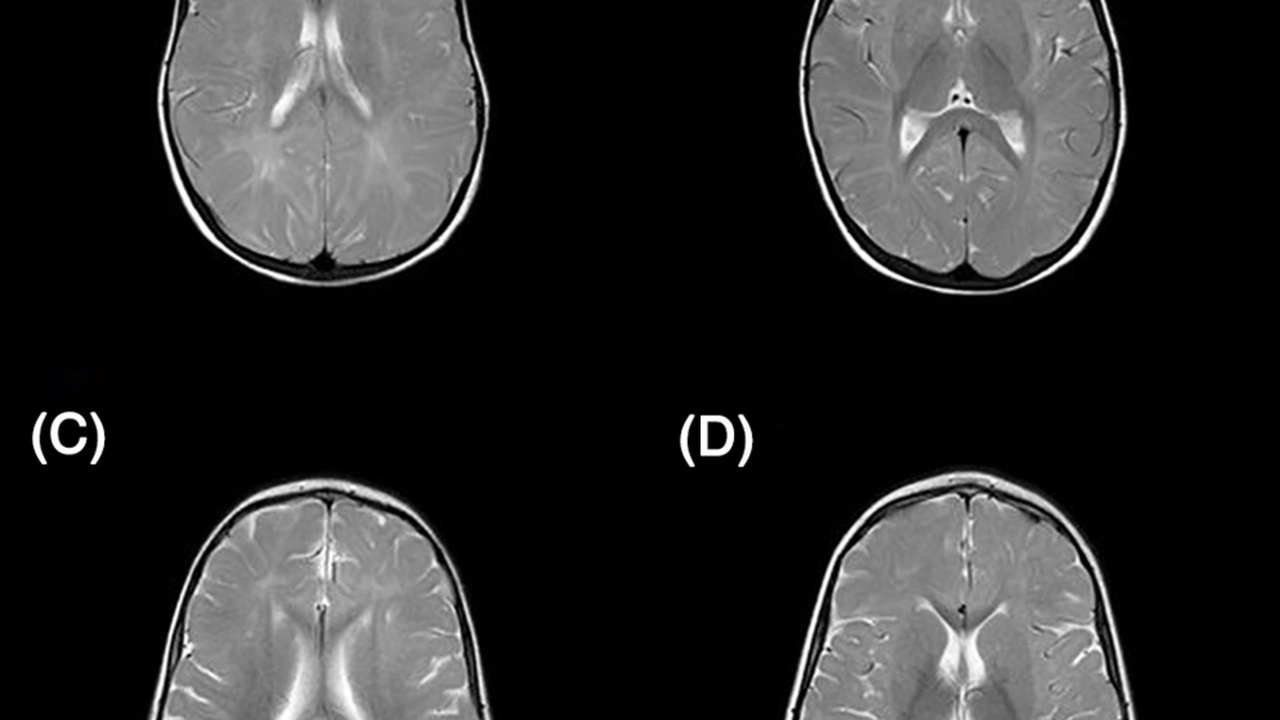
Cognitive aging is nuanced: some abilities decline, others hold steady or improve, and the brain retains plasticity well into later life. Notably, hippocampal volume typically decreases with age at roughly 1–2% per year after age 60, which correlates with changes in memory. The concept of cognitive reserve — the brain’s resilience built from education, occupation, and stimulating activities — helps explain why two people with similar brain scans can function quite differently.
These facts about aging show why lifelong learning and targeted lifestyle choices are practical strategies to protect cognition and reduce dementia risk.
3. Brain volume changes, especially in the hippocampus
Certain brain regions shrink with age, and the hippocampus — a key structure for memory — is especially vulnerable. Longitudinal MRI studies that follow people for a decade or more report hippocampal shrinkage in the neighborhood of 1–2% per year in older adults.
Those volume changes correlate with memory performance and with higher risk of Alzheimer’s disease in those who show faster decline. Yet lifestyle factors matter: aerobic exercise, quality sleep, and cardiovascular risk control associate with better-preserved hippocampal volume in several longitudinal studies.
Put simply, brain structure is measurable and partly modifiable, so habits that protect cardiovascular health also support brain health.
4. Cognitive decline isn’t uniform — some skills improve with age
Not all cognition falls at the same rate. Fluid intelligence — processing speed and novel problem solving — tends to decline with age, while crystallized intelligence — vocabulary, domain knowledge, and practical judgment — often stays steady or improves into middle and later adulthood.
Studies show vocabulary and knowledge-based scores can peak in middle or later life, and many older professionals outperform younger colleagues on domain-specific decision-making because of experience and pattern recognition.
Practical takeaways: keep learning, engage in mentally challenging activities, and restructure work to play to experience-based strengths rather than raw processing speed.
Social, Economic, and Lifestyle Impacts
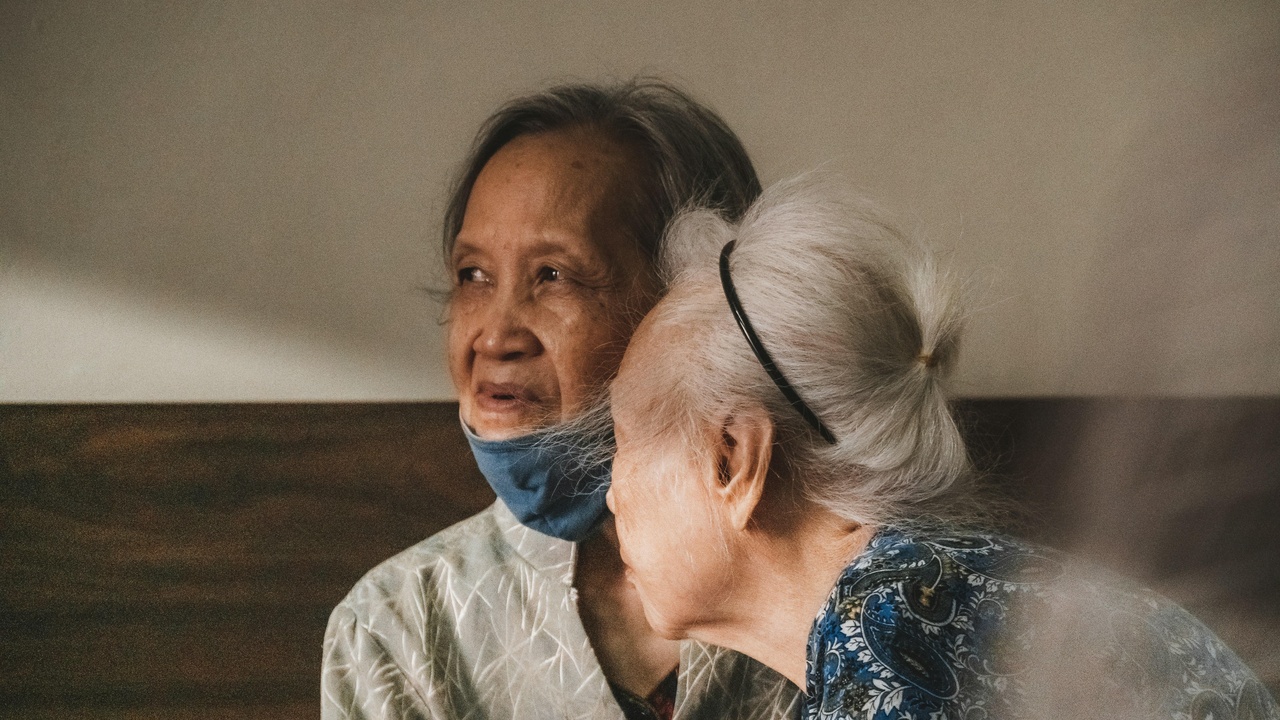
Relationships, activity, and socioeconomic status strongly shape how people age. Social ties affect survival, physical activity and diet influence functional decline, and policy choices determine access to care and healthy environments. These social and lifestyle factors often exert bigger effects on day-to-day quality of life than modest biological differences.
Public health measures and community programs can shift population outcomes, while individual choices — from exercise routines to social engagement — remain some of the most actionable levers for aging well.
5. Social connections measurably affect lifespan
Social relationships are a powerful predictor of longevity. A well-known meta-analysis by Holt-Lunstad and colleagues found that social isolation and loneliness raise mortality risk to a degree comparable to established health risks — roughly similar to smoking about 15 cigarettes a day in effect size.
Mechanisms include stress pathways, behavior change (people with stronger networks exercise and seek care more), and practical support like help with medication or transportation. Community programs, intergenerational housing, and caregiver support policies can blunt the harms of isolation.
For individuals, maintaining social ties and participating in local groups are simple steps that reliably improve health and longevity.
6. Exercise, diet, and lifestyle can slow age-related decline
Regular physical activity and a healthy diet are among the strongest modifiers of aging outcomes. The World Health Organization recommends 150 minutes per week of moderate activity for older adults, along with twice-weekly strength training for muscle maintenance.
Population studies show regular activity lowers all-cause mortality by roughly 20–30%, and programs like SilverSneakers or community walking groups make exercise accessible. Practical steps include brisk walking, resistance training twice weekly, and adequate protein intake to limit sarcopenia.
Dietary patterns that emphasize vegetables, whole grains, healthy fats, and lean protein — and limit processed foods — consistently associate with better long-term outcomes.
Technology, Medicine, and the Future of Aging
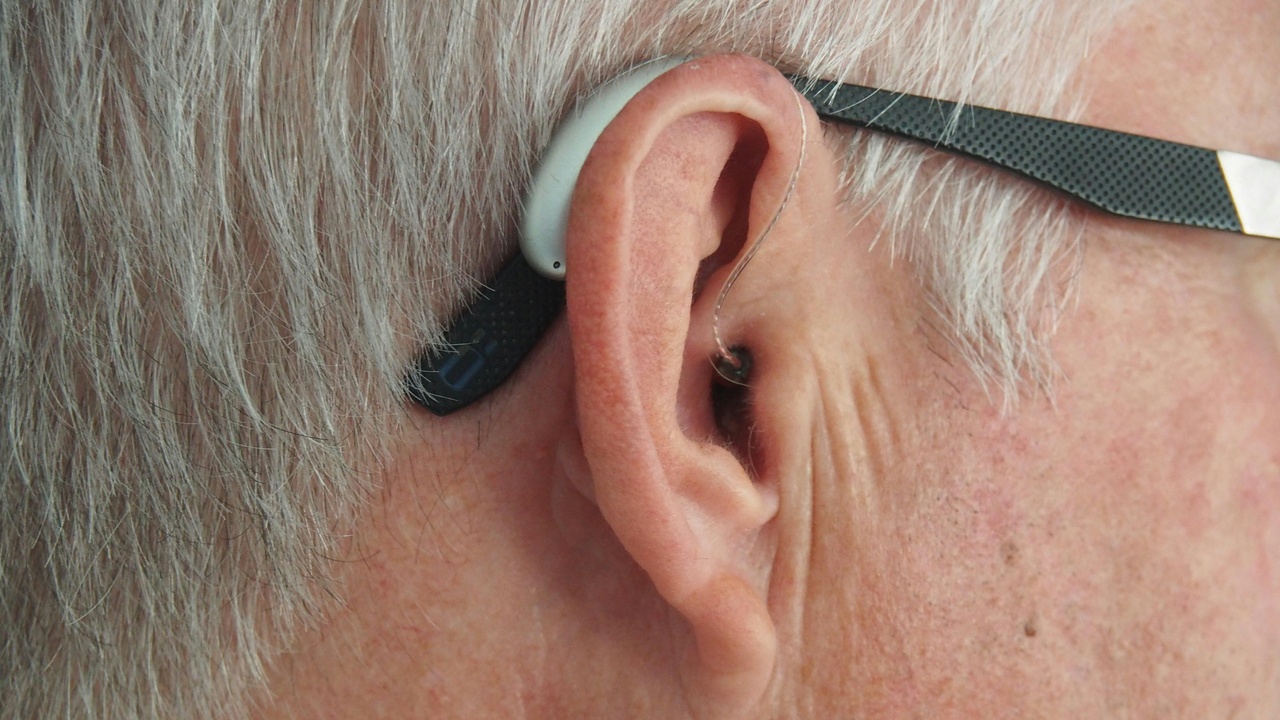
Technology and biomedical research are changing how people experience later life. Consumer wearables, telemedicine, and smart-home sensors support aging in place, while geroprotective drugs and dietary interventions aim to target the biology of aging. Expect steady, incremental gains rather than overnight breakthroughs.
Ongoing trials and real-world products are already improving safety and access to care, and clinical studies are testing whether existing drugs can delay the onset of multiple age-related diseases rather than treat individual conditions.
7. Wearables, telemedicine, and “aging in place” tech are growing fast
Consumer and clinical technologies help older adults stay safer and more independent. The Apple Watch introduced fall detection in 2015; services like Philips Lifeline and smart-home sensors offer continuous monitoring, and telehealth visits expanded dramatically during the COVID-19 pandemic.
Some remote-monitoring programs show reduced hospital readmissions and better chronic disease management, though barriers remain: cost, privacy concerns, and digital literacy limit adoption. Realistic uses include medication reminders, fall alerts, and virtual visits for routine follow-up.
For many households, a mix of simple wearables and periodic telemedicine can meaningfully increase independence.
8. Longevity research: dietary approaches, drugs, and realistic expectations
Interventions that target aging include dietary strategies such as calorie restriction and intermittent fasting, and drugs like rapamycin and metformin. Calorie restriction reliably extends lifespan in many animal models; results in primates are mixed but show improvements in health markers.
Clinical research is moving toward testing whether drugs can delay multiple age-related diseases. The TAME trial, for example, is designed to test metformin’s ability to postpone the onset of common chronic conditions. Rapamycin extends lifespan in multiple animal studies and is being studied for functional benefits in humans.
Bottom line: promising early results exist, but human translation is complex. Talk with your clinician before trying experimental regimens, and focus first on evidence-based lifestyle changes that reliably improve health now.
Summary
- Cellular processes like telomere shortening and senescent-cell accumulation set biological limits, yet they point to actionable therapies now in trials.
- Cognitive aging is mixed: measurable hippocampal shrinkage (about 1–2% per year after 60) coexists with gains in knowledge and decision-making — build cognitive reserve through learning and healthy habits.
- Social ties and lifestyle choices (WHO: 150 minutes/week of moderate activity) strongly influence longevity and function; community programs and simple routines make a big difference.
- Technology and clinical research — wearables, telehealth, and trials like TAME — offer practical tools and incremental advances, but personal steps matter most right now; join a local senior activity or start a regular walking routine and check in with your primary care clinician about prevention.