Kazakhstan sits at the crossroads of Central Asia and Europe, its wide steppes and mountain ranges hiding a long history of mining and energy production. The country’s geology supports a broad mix of minerals and fuels that have shaped local economies and export patterns for decades.
There are 22 Natural Resources of Kazakhstan, ranging from Chromium (chromite) to Zinc. For each resource the list shows Type,Reserves/production (unit, year),Main regions to give a compact snapshot of availability and location — you’ll find below.
How current are the reserves and production figures listed?
Numbers for reserves and production are typically drawn from a mix of government reports, industry filings and international datasets; where possible the year for each figure is provided in the Reserves/production column so you can gauge timeliness and follow up on newer releases.
Which regions in Kazakhstan should I watch for multiple resources?
Look to Karagandy, Kostanay and Mangystau regions and parts of eastern Kazakhstan: they repeatedly appear across the list for coal, metals and oil/gas fields, so those areas are good indicators of regional mining clusters and infrastructure.
Natural Resources of Kazakhstan
| Name | Type | Reserves/production (unit, year) | Main regions |
|---|---|---|---|
| Oil | Energy | Proven reserves ~30,000,000,000 bbl (2020); production ~1,500,000 bbl/d (2021) | Mangystau,Atyrau,West Kazakhstan,Kazakhstan Caspian |
| Natural gas | Energy | Reserves ~1,800,000,000,000 m3 (2019); production ~40,000,000,000 m3 (2020) | Karachaganak,Atyrau,Mangystau,West Kazakhstan |
| Coal | Energy | Reserves ~33,000,000,000 t (2019); production ~120,000,000 t (2020) | Karaganda,Pavlodar,Ulytau,Aqtobe |
| Uranium | Energy | Reserves ~906,000 t U (2021); production ~19,000 t U (2021) | South Kazakhstan,Karaganda,Chu |
| Copper | Base metal | Reserves ~30,000,000 t (est., 2018); production ~380,000 t (2020) | Zhezkazgan,Balkhash,East Kazakhstan |
| Zinc | Base metal | Reserves ~25,000,000 t (est.); production ~900,000 t (2020) | Karaganda,Zhezkazgan,East Kazakhstan |
| Lead | Base metal | Production ~200,000 t (2020) | Karaganda,Zhezkazgan,East Kazakhstan |
| Iron ore | Base metal | Reserves ~20,000,000,000 t (2019); production ~40,000,000 t (2020) | Karaganda,East Kazakhstan,Central Kazakhstan |
| Gold | Precious metal | Reserves ~3,000 t (est.); production ~90 t (2020) | East Kazakhstan,Zhambyl,North Kazakhstan |
| Silver | Precious metal | Production ~1,200 t (2020) | Zhezkazgan,East Kazakhstan |
| Nickel | Base metal | Reserves ~2,000,000 t (est.); production ~10,000 t (2020) | Zhezkazgan,Karaganda,East Kazakhstan |
| Chromium (chromite) | Base metal | Reserves ~50,000,000 t (est.); production ~200,000 t (2020) | East Kazakhstan,Karagandy region |
| Manganese | Base metal | Reserves ~200,000,000 t (est.); production ~1,000,000 t (2020) | Karaganda,Zhambyl |
| Phosphate | Industrial mineral | Reserves ~1,000,000,000 t P2O5 (est.); production ~2,000,000 t (2020) | South Kazakhstan,Balkhash region |
| Potash | Industrial mineral | Reserves ~1,500,000,000 t K2O (est.); production ~0 t (limited development, 2020) | Karatau,South Kazakhstan |
| Salt | Industrial mineral | Production ~2,000,000 t (2020) | Atyrau,Kostanay,North Kazakhstan |
| Fluorspar (fluorite) | Industrial mineral | Production ~50,000 t (2020) | East Kazakhstan,Central Kazakhstan |
| Limestone (cement-grade) | Industrial mineral | Production ~20,000,000 t (2020) | Karaganda,East Kazakhstan,Pavlodar |
| Limestone/Crushed stone and aggregates | Industrial mineral | Production ~100,000,000 t (2020) | Nationwide (urban & mining centers) |
| Wheat | Agricultural | Production ~14,000,000 t (2020) | North Kazakhstan,Kostanay,Pavlodar,Akmola |
| Sunflower (oilseed) | Agricultural | Production ~3,500,000 t (2020) | Kazakhstan South,Kostanay,Atyrau |
| Freshwater (renewable) | Water | Renewable internal freshwater resources ~37,000,000,000 m3/yr (2017) | Major basins:Irtysh,Ural,Syr Darya,Ili |
Images and Descriptions

Oil
Crude oil fuels Kazakhstan’s economy and export earnings; major offshore and onshore fields around the Caspian and west Kazakhstan supply pipelines and exports to Europe and China, making oil a cornerstone of national revenue and industry.
Natural gas
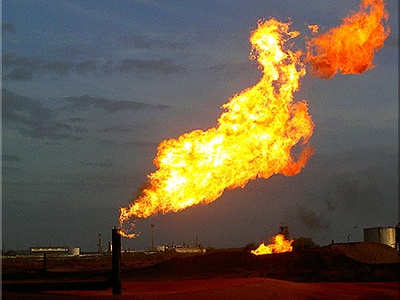
Associated and non-associated natural gas supports domestic energy, petrochemicals and export; key fields in Karachaganak and Caspian shelf supply power generation, gas processing and pipeline exports to regional markets.

Coal
Kazakhstan has vast coal resources used for power generation, steel and domestic heating; large deposits in Karaganda and Pavlodar are central to energy security and heavy industry, plus significant export potential.
Uranium
Kazakhstan is the world’s largest uranium producer by volume, mining high-grade sandstone-hosted deposits. Uranium drives nuclear fuel exports and strategic partnerships with global utilities and fuel-cycle companies.
Copper
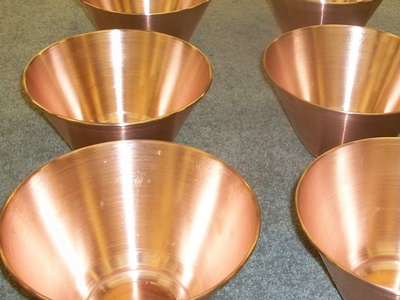
Copper from large porphyry and strata-bound deposits supplies domestic smelters and exports. Major mines around Zhezkazgan and Balkhash underpin metal production for construction, electrical and industrial markets.
Zinc
Zinc concentrates and metal come from polymetallic deposits and feed galvanizing, alloys and chemicals. Kazakhstan is an important regional zinc supplier with smelting and refining capacity.
Lead
Lead is recovered as a by-product of polymetallic mining and used in batteries, alloys and industry. Production supports domestic industrial supply chains and some export of concentrates and refined metal.
Iron ore
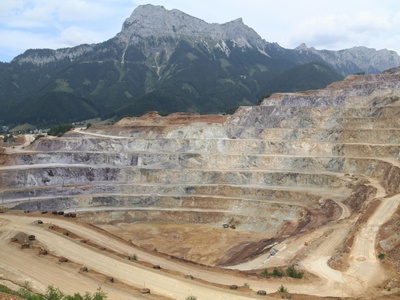
Large iron ore deposits supply steelmaking in Kazakhstan and for export. Major basins support domestic metallurgy, construction and industrial development across the country.
Gold
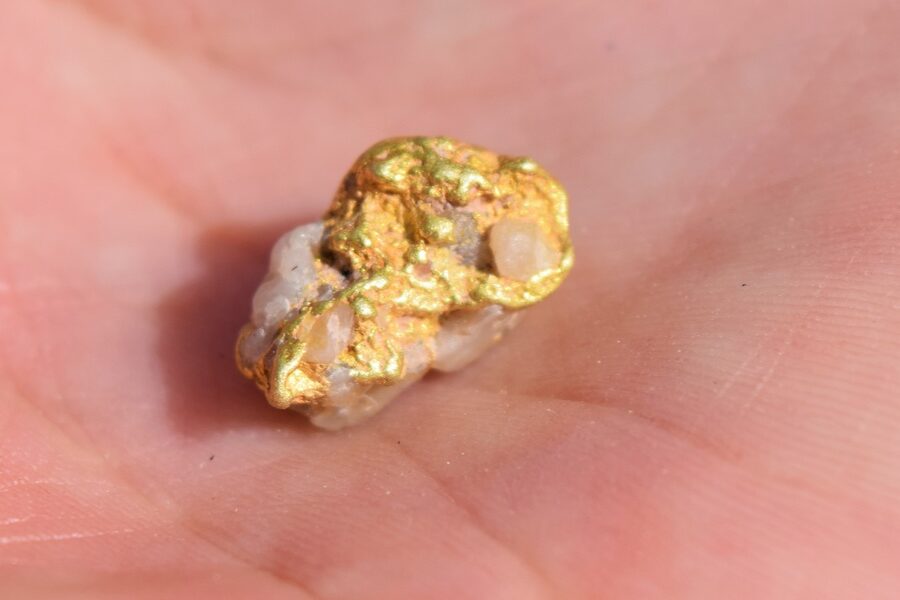
Gold mining is a stable export earner and investment attractor; gold comes from open-pit and underground deposits and is important for reserves diversification and local employment.
Silver
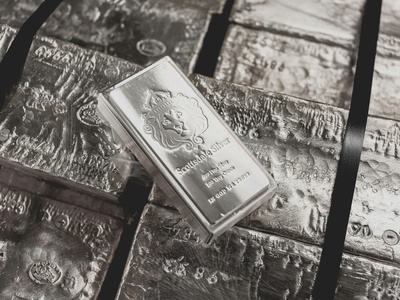
Silver is recovered from polymetallic and base-metal mines; it supports jewelry, electronics and industrial demand and is often produced alongside copper, lead and zinc.
Nickel
Nickel occurs in magmatic and lateritic deposits, serving stainless steel and battery alloys. Kazakhstan’s nickel output is modest but strategically important for alloy industries.
Chromium (chromite)
Chromite supplies ferrochrome for stainless steel and metallurgical processes. Deposits support domestic metallurgy and are part of Kazakhstan’s broader strategic metal base.
Manganese
Manganese is vital for steelmaking and alloy production. Kazakhstan’s manganese contributes to domestic metallurgical feedstocks and regional trade in concentrates and ores.
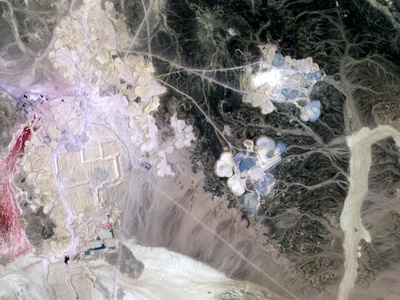
Phosphate
Phosphate rock feeds domestic fertilizer production and agricultural inputs. Deposits in the south offer potential to expand fertilizer industries and reduce import dependence for agricultural minerals.
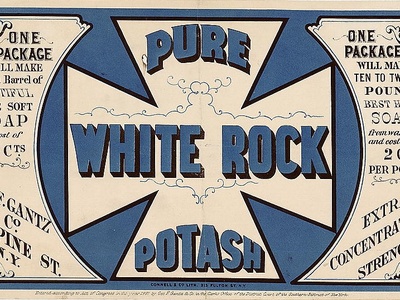
Potash
Significant potash deposits are known but largely under development; commercial potash could supply fertilizers for agriculture and become an important export if mined at scale.
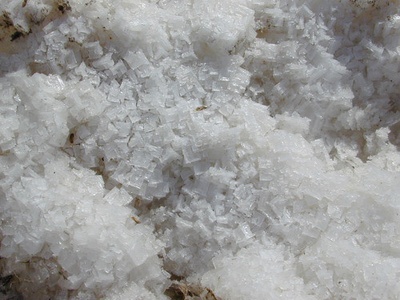
Salt
Halite from lake and evaporite deposits supplies chemical industry, road de-icing and food-grade salt. Salt extraction is localized but economically important for regional supply chains.
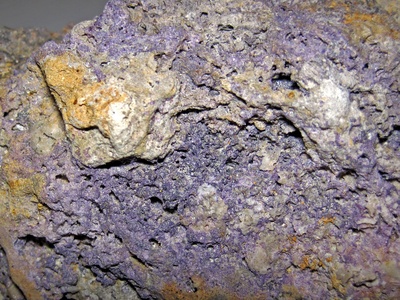
Fluorspar (fluorite)
Fluorspar is used in aluminum smelting, chemicals and steelmaking fluxes. Kazakhstan’s fluorspar supports metallurgical industries and specialized chemical sectors.
Limestone (cement-grade)
Extensive limestone resources supply cement, lime and construction materials for domestic infrastructure and construction sectors; crucial for regional development projects.
Limestone/Crushed stone and aggregates
Sand, gravel and crushed stone are ubiquitous construction materials supporting building, roadwork and mining infrastructure; these commodities are significant in domestic construction and regional economies.
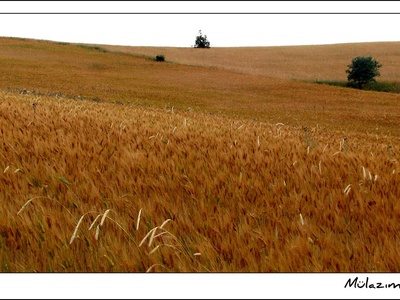
Wheat
Kazakhstan is a major wheat producer and exporter—especially to Central Asia and the Middle East. Wheat agriculture underpins rural economies, national food security and agro-export earnings.

Sunflower (oilseed)
Sunflower and other oilseeds support edible oil production and exports. Oilseed farming complements grain agriculture and is important for processing industries and rural livelihoods.
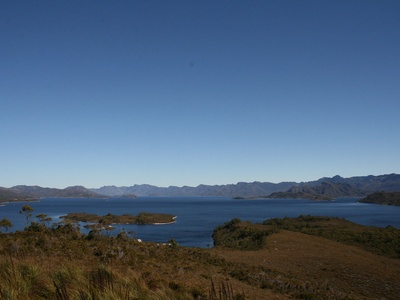
Freshwater (renewable)
Rivers and groundwater are critical for irrigation, industry and cities. Water availability is regionally uneven, shaping agriculture, hydropower and transboundary water diplomacy in Central Asia.