In workshops, laboratories and industrial sites where fuels are stored or handled, even small leaks can create hazardous atmospheres and complicate routine work. Knowing which gases are present and how they behave helps teams set ventilation, monitoring and hot-work controls that actually reduce risk.
There are 27 Flammable Gases, ranging from 1,3-Butadiene to n-Butane. For each entry you’ll find below the data organized under Formula,Flammable range (% vol),Autoignition (°C), so you can quickly compare chemical identity, explosive limits and ignition temperatures before making safety decisions—you’ll find those details below.
How do I use the flammable range and autoignition numbers to manage risk?
Use the flammable range to see the concentration window where a gas can ignite (lower and upper limits) and treat anything near that window as hazardous; autoignition temperature tells you when a gas can ignite without a spark. Control measures are ventilation to stay below the lower limit, continuous monitoring for target gases, ignition source control, and temperature management plus following permit-required confined-space procedures.
Which gases should I prioritize monitoring in confined spaces?
Prioritize gases with low lower explosive limits, wide flammable ranges, or low autoignition temperatures, since they create broader conditions for ignition. Practical steps: deploy multi-gas detectors, tailor sensors to likely compounds, ventilate before entry, and use specific alarms and work permits for areas where gases like 1,3-Butadiene or n-Butane (examples from the list) might be present.
Flammable Gases
| Name | Formula | Flammable range (% vol) | Autoignition (°C) |
|---|---|---|---|
| Hydrogen | H2 | 4–75% | 565°C |
| Methane | CH4 | 5–15% | 537°C |
| Ethane | C2H6 | 3–12.5% | 515°C |
| Propane | C3H8 | 2.1–9.5% | 470°C |
| n-Butane | C4H10 | 1.8–8.4% | 405°C |
| Isobutane | i-C4H10 | 1.8–8.4% | 410°C |
| Ethylene | C2H4 | 2.7–36% | 425°C |
| Propylene (Propene) | C3H6 | 2.0–11.1% | 450°C |
| Acetylene | C2H2 | 2.5–100% | 305°C |
| 1,3-Butadiene | C4H6 | 2.0–11.5% | 425°C |
| Propyne (Methylacetylene) | C3H4 | 2.5–11.3% | 480°C |
| Dimethyl ether (DME) | C2H6O | 3.4–27% | 235°C |
| Carbon monoxide | CO | 12.5–74% | 609°C |
| Hydrogen sulfide | H2S | 4.3–46% | 260°C |
| Ammonia | NH3 | 15–28% | 651°C |
| Vinyl chloride | C2H3Cl | 3.6–33% | 460°C |
| Methyl chloride (Chloromethane) | CH3Cl | 3.4–19% | 540°C |
| Ethylene oxide | C2H4O | 3–100% | 429°C |
| Methanethiol (Methyl mercaptan) | CH4S | 3–11% | 260°C |
| Cyclopropane | C3H6 | 3.4–14% | 455°C |
| Dimethylamine | (CH3)2NH | 2.1–11.2% | 365°C |
| Trimethylamine | N(CH3)3 | 2.2–11.3% | 315°C |
| Formaldehyde | CH2O | 7–73% | 430°C |
| Ethyl chloride (Chloroethane) | C2H5Cl | 3.6–14% | 465°C |
| Methyl mercaptan | CH3SH | 3–11% | 260°C |
| Butylene (1‑Butene) | C4H8 | 1.8–9.4% | 430°C |
| Isobutylene (2‑Methylpropene) | C4H8 | 1.6–9.8% | 460°C |
Images and Descriptions

Hydrogen
Lightest flammable gas used in fuel cells, industrial hydrogenation and chemical synthesis. Very wide flammable range and low ignition energy; leaks are invisible and can form explosive mixtures in confined spaces. Handle with leak detection and ventilation.
Methane
Primary component of natural gas used for heating and power. Relatively narrow flammable range but common in homes, mines and pipelines. Odorless; typically odorized for leak detection; explosive at moderate concentrations.
Ethane
A light hydrocarbon in natural gas and petrochemical feedstock for ethylene production. Flammable like methane but used mainly as a chemical feedstock; hazards include fire and asphyxiation in confined spaces.
Propane
Common fuel for heating, cooking and autogas; stored as a pressurized liquefied gas, vapor is heavier than air and pools in low areas. Flammable at low concentrations—use explosion-proof equipment and keep sources of ignition away.
n-Butane
Used in lighters, LPG blends and as a petrochemical feedstock. Heavier-than-air vapors collect near the floor; low LFL makes small leaks hazardous in confined spaces; store cylinders upright and ventilate.
Isobutane
Branched butane isomer used in refrigeration, aerosol propellants and LPG blends. Similar flammability to n‑butane; vapors pool and pose explosion risk in confined or poorly ventilated areas.
Ethylene
Key petrochemical building block used to make polyethylene and other chemicals. Widely present near crackers and pipelines; highly flammable, can form explosive mixtures over a broad range.
Propylene (Propene)
Used to make polypropylene, solvents and chemical intermediates. Common in refineries and chemical plants; flammable vapor can ignite from common ignition sources; control with gas detection and ventilation.
Acetylene
Used as an oxy‑fuel welding gas and chemical feedstock. Highly reactive and unstable at high pressures/concentrations; can decompose explosively. Stored dissolved in acetone in cylinders—strict handling rules apply.
1,3-Butadiene
Industrial monomer for synthetic rubbers and polymers. Flammable gas with broad industrial use; also toxic and carcinogenic. Control with leak detection, purge procedures and flammable-gas safeguards.
Propyne (Methylacetylene)
Used in specialty chemical synthesis and as a fuel gas. Flammable across common concentration ranges; handle like other small hydrocarbons with ventilation, grounding and ignition control.
Dimethyl ether (DME)
Low‑boiling gas used as aerosol propellant, LPG blend and diesel substitute. Easily ignited with a wide upper limit; stored refrigerated/pressurized—avoid leaks and use intrinsically safe electrical equipment.
Carbon monoxide
Colorless, odorless toxic gas produced by incomplete combustion. Flammable over a wide range and itself a toxic inhalation hazard; common in furnaces, car exhaust and industrial processes—CO detectors and ventilation are essential.
Hydrogen sulfide
Rotten‑egg smelling gas from petroleum, sewage and natural gas. Highly toxic and flammable; heavier than air and can pool in low areas. Small concentrations are irritating; high concentrations are rapidly fatal.
Ammonia
Used as a refrigerant and fertilizer feedstock. Combustible at high concentrations and highly toxic/irritant; pungent odor gives early warning. Leaks require evacuation, ventilation and respiratory protection.
Vinyl chloride
Industrial monomer for PVC production. Colorless gas at room temperature, flammable and carcinogenic; leaks in polymer plants are a major hazard—control by leak monitoring and strict process safeguards.
Methyl chloride (Chloromethane)
Used as a refrigerant and chemical intermediate. Flammable and toxic; typically a gas at room temperature. Exposure and ignition risks exist in industrial settings—ventilate and prevent ignition sources.
Ethylene oxide
Highly reactive sterilant and chemical intermediate used in healthcare and manufacturing. Gas at room temperature, extremely flammable and acutely toxic; strict controls, monitoring and explosion protection are required.
Methanethiol (Methyl mercaptan)
Very foul‑smelling gas used as an odorant and in chemical synthesis. Flammable and toxic; detectable at low concentrations by odor but can overwhelm senses—leaks should be ventilated and sources of ignition removed.
Cyclopropane
Historically used as an anaesthetic and as an industrial gas; highly flammable with a narrow range. Rarely used today but can appear in specialty settings; treat leaks like other light hydrocarbons.
Dimethylamine
Gas at room temperature used in chemical synthesis and solvent applications. Flammable and corrosive; alarms and ventilation needed in storage/transfer areas to control vapor and ignition hazards.
Trimethylamine
Used in chemical manufacture and as a precursor for quaternary ammonium compounds. Pungent, flammable gas that can form explosive mixtures; control through ventilation and gas detection.
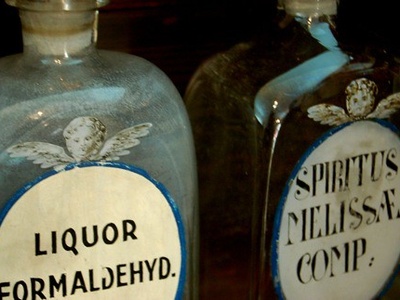
Formaldehyde
Gaseous at low concentrations and used in resins and sterilization. Flammable and highly toxic/irritant with carcinogenic concerns; gas control, monitoring and PPE are critical in workplaces.
Ethyl chloride (Chloroethane)
Used as a local anesthetic historically and as a refrigerant/solvent. Gas at room temperature, flammable and intoxicating; manage with ventilation, grounding and ignition control in storage/handling.
Methyl mercaptan
Commonly used as a natural gas odorant and chemical intermediate; extremely odorous, flammable and toxic at higher concentrations. Small leaks are detected by smell but high exposures require respiratory protection and evacuation.
Butylene (1‑Butene)
Used as a petrochemical feedstock and in polymer production. Flammable at low concentrations; often present in refinery/petrochemical streams—control with monitoring, purging and explosion‑proof equipment.
Isobutylene (2‑Methylpropene)
Lean olefin used to make MTBE and butyl rubber. Gas under ambient conditions, flammable and handled in chemical plants with strict leak detection, grounding and inerting procedures.