From shady forest floors to misted terrariums and urban balconies, non-flowering plants quietly shape many green spaces around us. They often go unnoticed until you look closely at textures, fronds, and the ways they reproduce without blossoms.
There are 20 Examples of Non-flowering Plants, ranging from Boston fern to Staghorn fern. For each entry you’ll find below the Scientific name, Plant group, Typical size (cm) to help you compare species and pick ones suited to your space — you’ll find those details below.
What counts as a non-flowering plant?
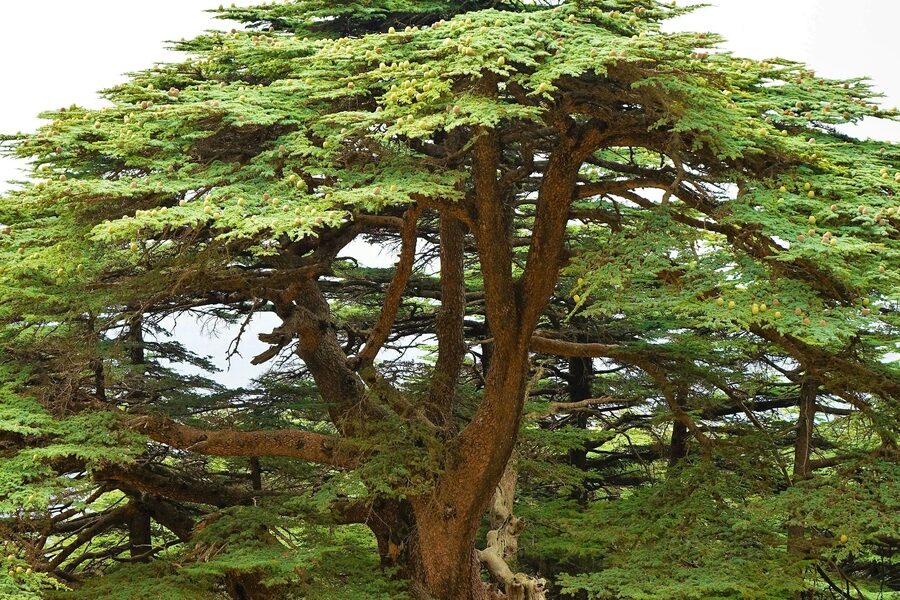
Non-flowering plants are species that do not produce flowers; instead they reproduce via spores, cones, or other non-floral methods. This group includes ferns, mosses, liverworts, horsetails, cycads, and many gymnosperms like conifers, each with distinct life cycles and structures that set them apart from flowering angiosperms.
How do I care for common non-flowering houseplants like ferns?
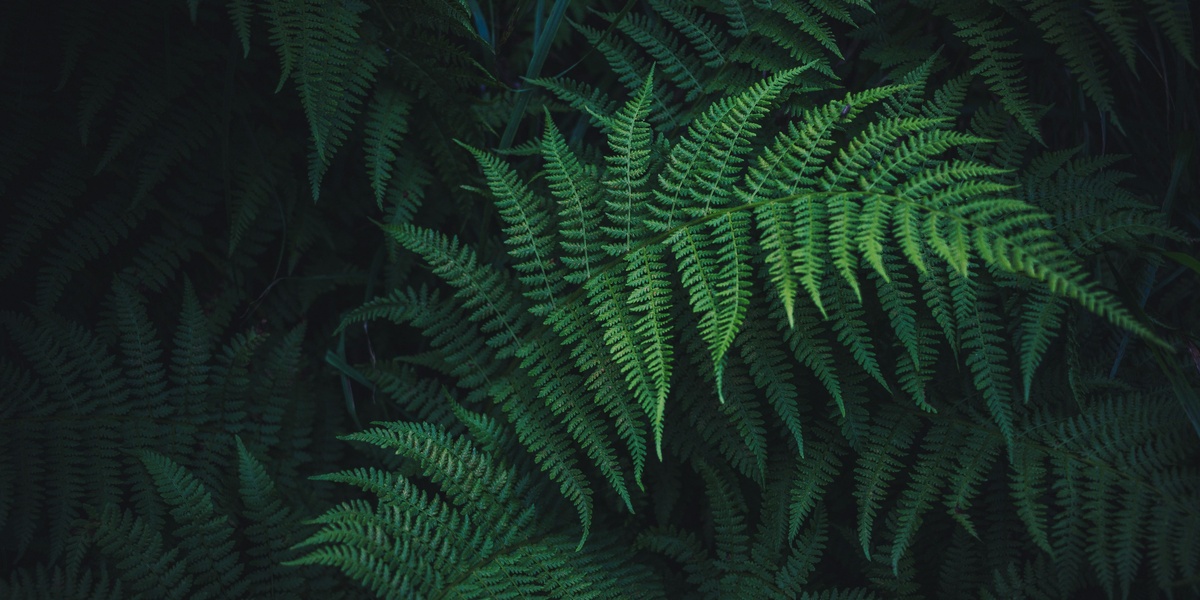
Most non-flowering houseplants prefer consistent moisture, indirect light, and higher humidity than many flowering plants. For example, Boston ferns like even moisture and shady spots, while Staghorn ferns (epiphytes) do well mounted or hung with bright, indirect light and periodic soaking. Good air circulation and well-draining media help prevent rot.
Examples of Non-Flowering Plants
| Common name | Scientific name | Plant group | Typical size (cm) |
|---|---|---|---|
| Peat moss | Sphagnum spp. | Bryophyte | 10 |
| Haircap moss | Polytrichum commune | Bryophyte | 10 |
| Redshank moss | Ceratodon purpureus | Bryophyte | 3 |
| Common liverwort | Marchantia polymorpha | Bryophyte | 5 |
| Hornwort | Anthoceros spp. | Bryophyte | 5 |
| Bracken | Pteridium aquilinum | Fern/pteridophyte | 100 |
| Male fern | Dryopteris filix-mas | Fern/pteridophyte | 80 |
| Maidenhair fern | Adiantum capillus-veneris | Fern/pteridophyte | 30 |
| Boston fern | Nephrolepis exaltata | Fern/pteridophyte | 100 |
| Ostrich fern | Matteuccia struthiopteris | Fern/pteridophyte | 120 |
| Royal fern | Osmunda regalis | Fern/pteridophyte | 150 |
| Staghorn fern | Platycerium bifurcatum | Fern/pteridophyte | 60 |
| Scots pine | Pinus sylvestris | Gymnosperm | 3,000 |
| Common juniper | Juniperus communis | Gymnosperm | 100 |
| Coast redwood | Sequoia sempervirens | Gymnosperm | 10,000 |
| Ginkgo | Ginkgo biloba | Gymnosperm | 2,500 |
| Sago palm | Cycas revoluta | Gymnosperm | 100 |
| Giant kelp | Macrocystis pyrifera | Algae/seaweed | 3,000 |
| Oarweed | Laminaria digitata | Algae/seaweed | 200 |
| Sea lettuce | Ulva lactuca | Algae/seaweed | 20 |
Images and Descriptions
Peat moss
Spongy bog moss common in wetlands and peatlands worldwide. Forms thick mats that retain water and acidify soils. Notable for high water-holding capacity and peat formation; look for soft, cushiony green clumps in boggy, acidic ground.
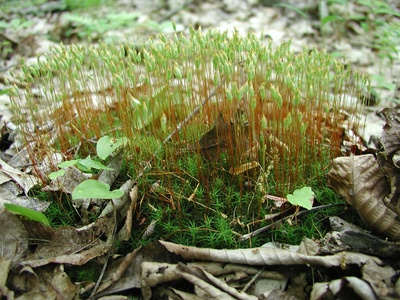
Haircap moss
Tall, upright moss found in lawns, dunes, and woodlands. Dark green stems with hairlike terminal leaves create a “haircap” appearance. Tolerant of dry, sandy soils and easy to spot by its columnar tufts and spore capsules atop stalks.
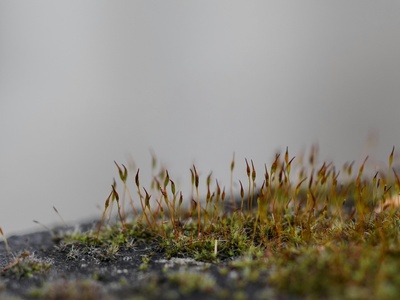
Redshank moss
Widespread small moss on disturbed soils, paths, and roofs. Short, reddish-green tufts often less than a few centimeters tall. Distinguishing feature is vivid reddish sporophytes and tolerance of open, sunny, or compacted habitats where other mosses struggle.
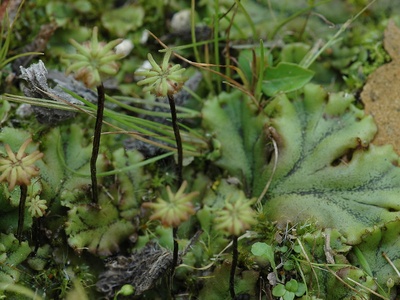
Common liverwort
Flat, green thallose liverwort on damp soil, stone, and tree bark in shaded areas. Forms radiating lobed sheets and gemma cups for asexual reproduction. Look for flattened bodies and oil bodies inside cells when viewed closely.
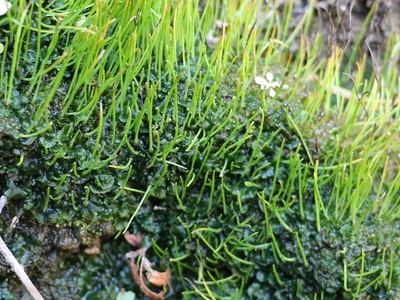
Hornwort
Low, flat thallus in damp soils often in disturbed or seasonally wet places. Unlike liverworts, hornwort sporophytes are elongated hornlike capsules that grow continuously. Noted for symbiotic cyanobacteria in some species that fix atmospheric nitrogen.
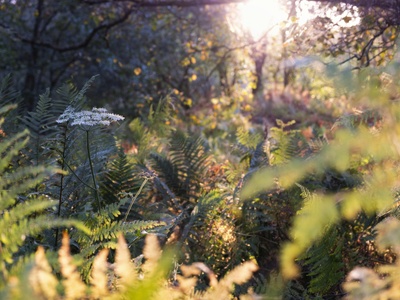
Bracken
Large, aggressive fern in fields, woods, and disturbed sites worldwide. Triangular fronds form dense stands and spread by underground rhizomes. Recognizable by huge, divided fronds and persistence after fire or grazing; can dominate open habitats.
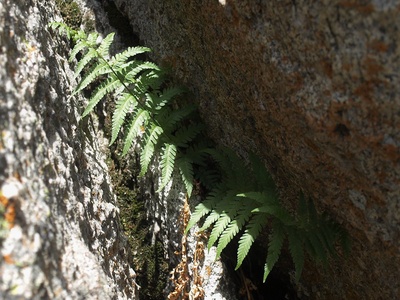
Male fern
Common woodland fern with arching, leathery fronds in cool temperate regions. Forms tidy clumps, easy to identify by stout blackish scales at the frond bases. Often used in gardens and natural understorey plantings.
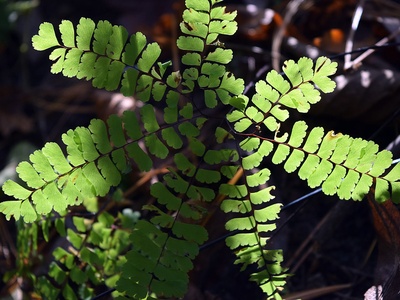
Maidenhair fern
Delicate fern of moist, shaded cliffs and streambanks with fan-shaped leaflets on dark wiry stalks. Prefers humid microclimates and is notable for its glossy, black stems contrasting with bright green pinnae.
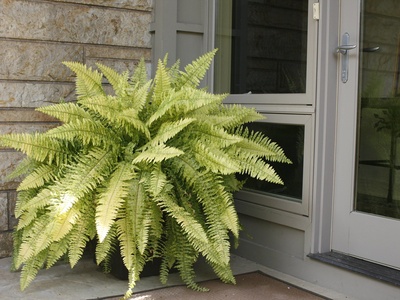
Boston fern
Popular houseplant native to tropical forests with arching fronds composed of many narrow pinnae. Likes humid, shaded conditions and is distinguished by long, trailing fronds that make it ideal for hanging baskets.
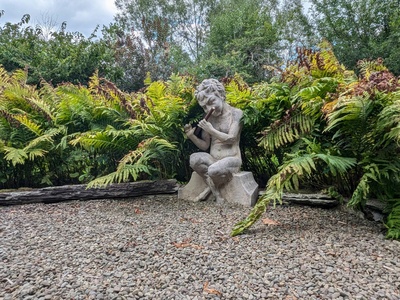
Ostrich fern
Large, vase-shaped fern of temperate wet woods and riverbanks. Produces tall, featherlike fronds in spring and distinctive fertile fronds later; edible fiddleheads prized in some cuisines and distinguish this fern by its clustered vase habit and smooth fiddlehead scales.
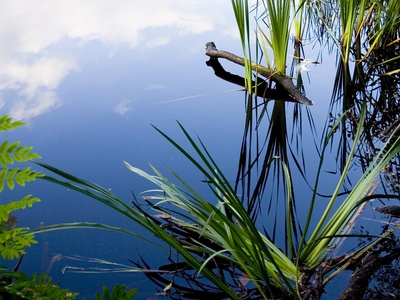
Royal fern
Wetland fern forming large clumps in marshes and along streams. Bipinnate fronds can be dramatic and the species has separate fertile fronds that turn brown; often noted for size and preference for consistently damp soils.
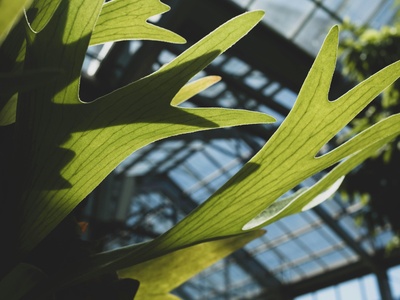
Staghorn fern
Epiphytic fern on tree trunks in tropical forests and homes as a mounted specimen. Produces two frond types: basal shield fronds and antlerlike fertile fronds; notable for unusual shapes and ability to grow without soil.
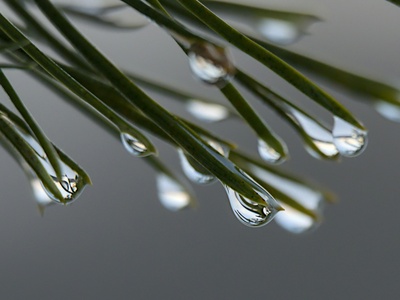
Scots pine
Widespread conifer of Eurasian forests and hills, tolerant of poor soils. Thin, flaky bark and paired needles help ID it; produces woody cones and can form open, park-like stands in cool climates.
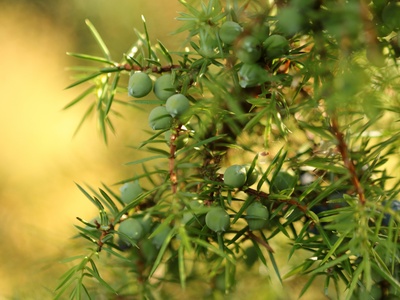
Common juniper
Variable shrub or small tree on dry soils, heaths, and rocky sites. Needlelike leaves and berry-like cones called juniper “berries” are distinguishing traits; many birds disperse seeds and it’s widespread across the Northern Hemisphere.
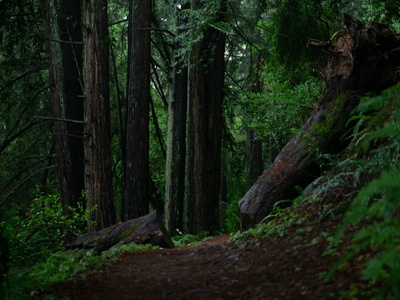
Coast redwood
Towering evergreen of foggy coastal forests in western North America. Famous for extreme height, reddish bark, and long-lived wood; look for massive trunks and high canopy in old-growth groves dominated by fog moisture.
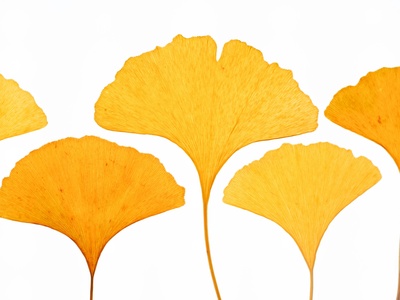
Ginkgo
A living fossil cultivated worldwide, native to China and surviving as a distinct lineage. Fan-shaped leaves turn bright yellow in autumn; dioecious trees produce fleshy seeds on females, lacking flowers but resembling small fruits.
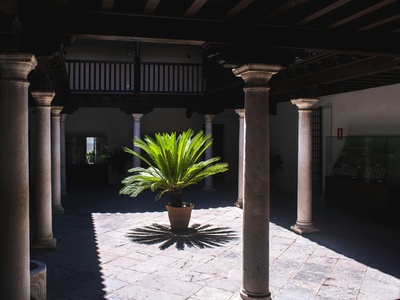
Sago palm
Slow-growing cycad with a crown of glossy pinnate leaves and a stout trunk, common in tropical and subtropical gardens. Produces cones rather than flowers; prehistoric lineage with cycad seeds and coralloid roots often hosting nitrogen-fixing bacteria.
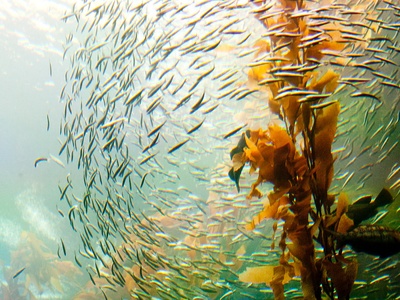
Giant kelp
Massive brown alga forming underwater forests along temperate coasts. Can reach tens of meters, providing habitat and food for marine life; anchored by holdfasts with gas-filled bladders that keep fronds buoyant near the surface.
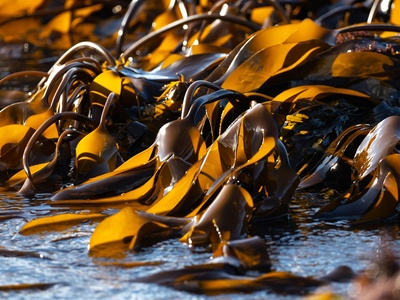
Oarweed
Large brown seaweed on rocky shorelines in cold temperate seas. Long, leathery blades arise from a short stipe and holdfast; commonly seen in kelp belts and distinguished by broad, flat fronds and seasonal growth.
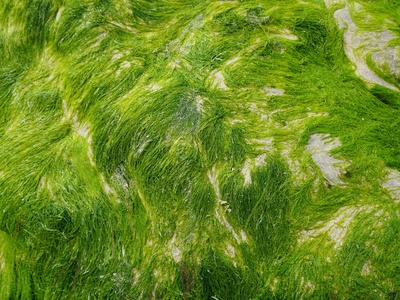
Sea lettuce
Bright green sheetlike seaweed on rocky shores and estuaries worldwide. Thin, translucent thalli form ruffled sheets that tolerate variable salinity; often abundant after nutrient enrichment and easily recognized by bright green color and delicate texture.