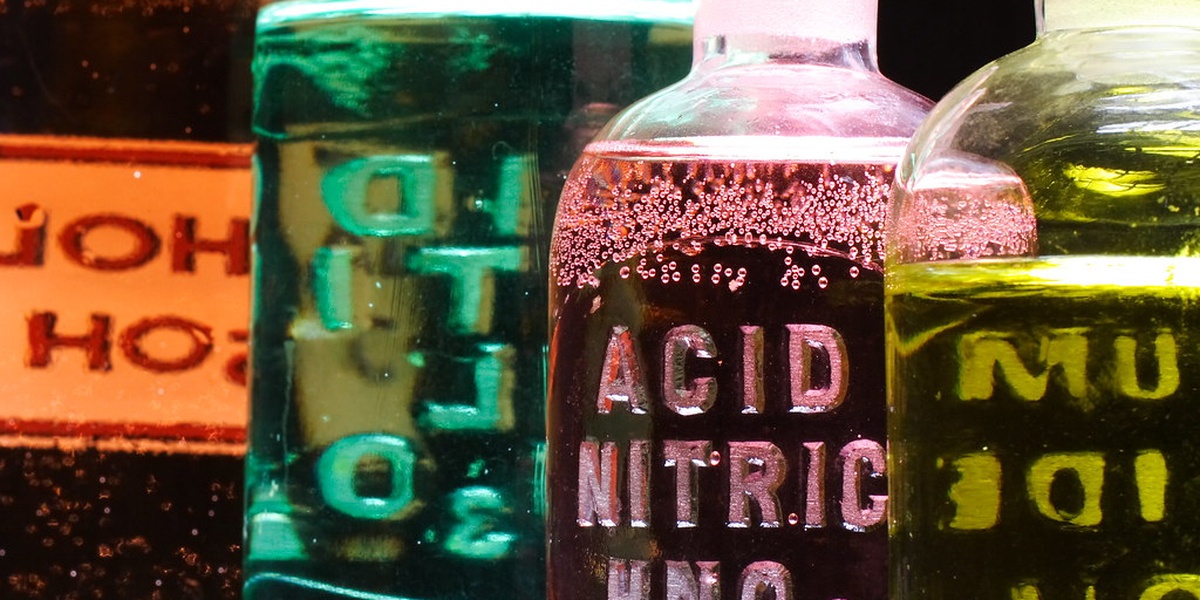
In laboratories, workshops and industrial plants, corrosive chemicals turn up in tasks from cleaning and plating to battery maintenance and synthesis. Knowing which substances are corrosive, how concentrated they are, and what hazards they present is essential for safe handling and storage.
There are 37 Corrosive Substances, ranging from Ammonium hydroxide (aqueous ammonia) to Sulfuric acid. For each entry you’ll find below Formula / CAS,Typical conc (% or M) / common uses,Hazard / pH so you can quickly compare identification, typical concentrations and the main risks.
How should I store corrosive substances to minimize risk?
Store acids and bases separately in compatible, clearly labeled containers with secondary containment; keep incompatible materials (e.g., oxidizers, organics) apart, maintain good ventilation and temperature control, and secure shelving to prevent spills. Regularly consult SDS and inspect containers for leaks or corrosion.
What immediate steps and PPE are recommended after exposure?
Wear chemical-resistant gloves, eye protection and a face shield when handling corrosives; if exposure occurs, flush affected skin or eyes with copious water for at least 15 minutes, remove contaminated clothing, and seek medical attention while following the product’s SDS for specific antidotes or procedures.
Corrosive Substances
| Name | Formula / CAS | Typical conc (% or M) / common uses | Hazard / pH |
|---|---|---|---|
| Sulfuric acid | H2SO4 / 7664-93-9 | Concentrated 93–98% industrial; battery acid, fertilizer, pickling | Corrosive, oxidizing / pH ≤1 |
| Hydrochloric acid (muriatic) | HCl / 7647-01-0 | Common 10–37% cleaning, pickling, lab reagent | Corrosive / pH ≤1 |
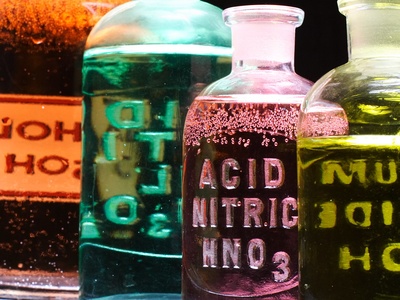
| Nitric acid | HNO3 / 7697-37-2 | Concentrated 50–70% industrial, etching, fertilizers, explosives | Corrosive, oxidizer / pH ≤1 |
| Phosphoric acid | H3PO4 / 7664-38-2 | Commercial 10–85% rust removers, food additive (dilute), fertilizers | Corrosive at conc / pH 1–2 (conc) |
| Hydrofluoric acid | HF / 7664-39-3 | Typical 2–48% industrial etching, glass work, metal cleaning | Corrosive, systemic toxin / pH ≤1 |
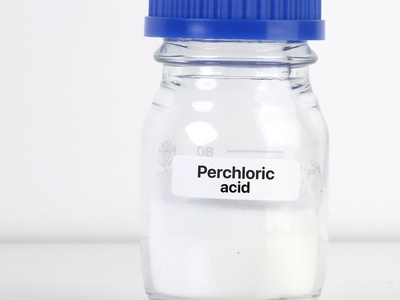
| Perchloric acid | HClO4 / 7601-90-3 | Concentrated 60–72% lab reagent, rocket propellant intermediates | Strong oxidizer, corrosive / pH ≤1 |
| Glacial acetic acid | CH3COOH / 64-19-7 | Glacial 99–100% industrial solvents, chemical synthesis | Corrosive (concentrated) / pH ~1.4 |
| Formic acid | HCOOH / 64-18-6 | Commercial 85–95% leather, textiles, silage preservative (dilute) | Corrosive (conc) / pH ≤2 (conc) |
| Hydrobromic acid | HBr / 10035-10-6 | Typical 48–55% industrial synthesis, bromide production | Corrosive / pH ≤1 |
| Chromic acid / chromium trioxide | H2CrO4 / CrO3 1333-82-0 | Used in metal finishing, cleaning baths (specialized) | Corrosive, carcinogen / pH ≤1 |
| Hydrogen peroxide (high concentration) | H2O2 / 7722-84-1 | Commercial 3–35% (household 3–6%), industrial ≥30% bleaching, sterilization | Oxidizer, corrosive at ≥30% / pH ~4–6 |
| Peracetic acid | CH3COOOH / 79-21-0 | Common 1–15% disinfectant, sterilant in food processing | Oxidizing corrosive / pH ~1–3 |
| Sodium hypochlorite (bleach) | NaOCl / 7681-52-9 | Household 3–6%, industrial 5–15% disinfection, whitening | Corrosive/oxidizer at typical conc / pH 11–13 |
| Calcium hypochlorite (pool shock) | Ca(ClO)2 / 7778-54-3 | Solid 60–78% pool sanitizer, disinfection | Oxidizer, corrosive / pH alkaline |
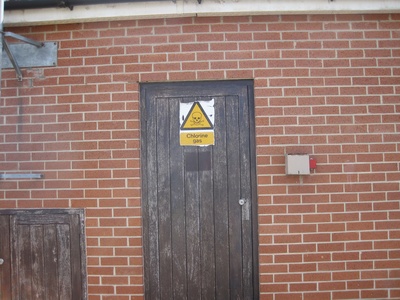
| Chlorine (gas) | Cl2 / 7782-50-5 | Water treatment, industrial synthesis; liquified gas shipments | Corrosive gas, respiratory toxin / acid gas |
| Bromine (liquid) | Br2 / 7726-95-6 | Chemical manufacture, flame retardants, lab reagent | Corrosive liquid/vapor / pH acidic on hydrolysis |
| Fluorine (gas) | F2 / 7782-41-4 | Specialty fluorination, industrial fluorine chemistry | Extremely corrosive / reacts violently |
| Sodium hydroxide (caustic soda) | NaOH / 1310-73-2 | Commercial 10–50% cleaners, drain openers, soap making | Corrosive, caustic / pH ≥13 |
| Potassium hydroxide (caustic potash) | KOH / 1310-58-3 | Industrial 10–45% soap, biodiesel, battery manufacture | Corrosive, caustic / pH ≥13 |
| Ammonium hydroxide (aqueous ammonia) | NH4OH / 1336-21-6 | Household 5–10%, industrial 25% cleaners, refrigeration | Caustic/irritant / pH ~11–13 (conc) |
| Calcium hydroxide (slaked lime) | Ca(OH)2 / 1305-62-0 | Typical 1–5% slurry to saturated paste; construction, water treatment | Caustic / pH ~12–13 in saturated solutions |
| Lithium hydroxide | LiOH / 1310-65-2 | Used in batteries, air scrubbers, ceramics | Caustic / pH alkaline |
| Barium hydroxide | Ba(OH)2 / 17194-00-2 | Laboratory reagent, limited industrial use | Caustic, toxic / pH alkaline |
| Sodium metasilicate (water glass) | Na2SiO3 / 6834-92-0 | Detergents, metal cleaners, cement additives | Caustic alkalinizer / pH ≥12 in solution |
| Potassium permanganate | KMnO4 / 7722-64-7 | Water treatment, oxidizer, medical antiseptic (dilute) | Oxidizer, corrosive in concentrated form / variable pH |
| Sodium persulfate | Na2S2O8 / 7775-27-1 | Polymerization initiator, hair/teeth bleaching agents | Oxidizer, corrosive / pH acidic to neutral |
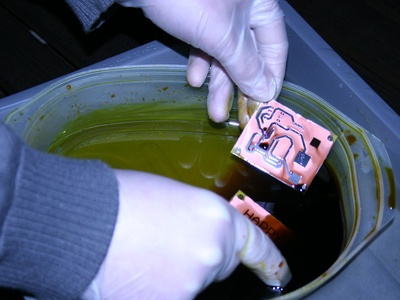
| Ferric chloride | FeCl3 / 7705-08-0 | PCB etching, water treatment coagulant | Corrosive (aqueous) / pH acidic (~1–3) |
| Sodium chlorate | NaClO3 / 7757-19-1 | Herbicide precursor, bleaching agent, oxidizer | Oxidizer, corrosive / pH neutral to alkaline |
| Sodium perchlorate | NaClO4 / 7601-89-0 | Laboratory reagent, oxidizing agent | Strong oxidizer, corrosive / pH neutral |
| Chlorine dioxide | ClO2 / 10049-04-4 | Disinfection and bleaching at industrial scale | Corrosive gas/vapor / respiratory irritant |
| Hydriodic acid | HI / 10034-85-2 | Organic synthesis, reducing agent (industrial) | Strong acid, corrosive / pH ≤1 |
| Hydrazine | N2H4 / 302-01-2 | Rocket propellants, industrial chemical synthesis | Corrosive, toxic, flammable / pH alkaline |
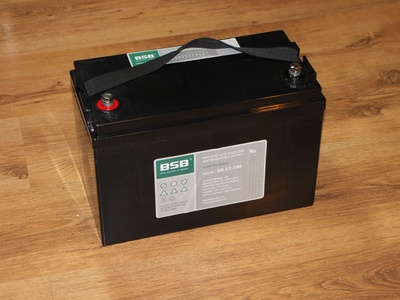
| Battery acid (lead-acid) | H2SO4 / 7664-93-9 | Electrolyte 30–50% car batteries | Corrosive / pH ≤1 |
| Pool muriatic acid | HCl / 7647-01-0 | Typical 10–31% pool pH control | Corrosive / pH ≤1 |
| Rust removers (acidic blends) | Mixtures (HCl/H3PO4) / various | Commercial 5–40% automotive/household rust removers | Corrosive / pH acidic (≤2) |
| Drain cleaners (alkaline blends) | NaOH/KOH mixtures / various | Typical 10–40% household/industrial drain cleaners | Corrosive, caustic / pH ≥13 |
| Concentrated laboratory acids (mixed) | Various (conc mixtures) / varies | Used in research and synthesis in concentrated forms | Corrosive, often oxidizing / pH extreme |
Images and Descriptions

Sulfuric acid
Very strong, dehydrating mineral acid used in batteries, fertilizers and industrial chemistry. Causes severe burns, metal corrosion, and exothermic reactions with water; immediate rinsing and emergency care required for exposures.
Hydrochloric acid (muriatic)
Strong mineral acid used for cleaning, pH control and metal treatment. Fumes irritate respiratory tract; concentrates cause severe burns and eye damage. Use ventilation and PPE; dilute carefully to avoid splashing.
Nitric acid
Powerful oxidizing acid used in nitration and metal finishing. Causes severe burns, yellow staining of skin, and reacts violently with organics. Strong fumes and oxidizing hazards demand strict controls.
Phosphoric acid
Widely used acid for rust removal, food processing (dilute) and fertilizer. Concentrated solutions can cause burns and material corrosion; milder than sulfuric or nitric but hazardous when concentrated.
Hydrofluoric acid
Unique and dangerous acid that penetrates tissue and binds calcium, causing deep, sometimes delayed, tissue damage and systemic toxicity. Medical attention is urgent after exposure, even with minor pain.
Perchloric acid
Extremely strong oxidizing acid; perchoric solutions can form explosive salts. Highly corrosive to tissue and metals; handled only with special fume hoods and strict protocols.
Glacial acetic acid
Pure acetic acid is a corrosive organic acid used in synthesis and industrial processes. Causes burns to skin and eyes; fumes irritate mucous membranes. Dilute vinegar (5%) is non-corrosive and excluded.
Formic acid
A simple organic acid used in textiles and preservation. Concentrated solutions are corrosive to skin and eyes and emit irritating fumes; less hazardous when diluted for common uses.
Hydrobromic acid
Strong inorganic acid used in chemical manufacture. Concentrated hydrobromic acid is highly corrosive, causes severe burns, and releases toxic fumes; handled with similar caution to HCl.
Chromic acid / chromium trioxide
Powerful oxidizing acid mixture used historically in cleaning and plating. Extremely corrosive and carcinogenic (hexavalent chromium); modern use is restricted and requires stringent controls.
Hydrogen peroxide (high concentration)
At high concentrations (≥30%) hydrogen peroxide is a corrosive oxidizer causing burns and rapid oxygen release with organics; industrial strengths require careful storage and PPE. Household strengths are less corrosive.
Peracetic acid
A strong oxidizing acid mixture used as a sterilant and disinfectant. Corrosive to eyes and skin, and vapors irritate airways. Decomposes rapidly; handled with corrosion-resistant materials.
Sodium hypochlorite (bleach)
Common bleach solutions are alkaline and can be caustic to skin and eyes, and bleach vapors irritate lungs. Mixing with acids or ammonia produces toxic gases; store away from acids.
Calcium hypochlorite (pool shock)
A strong oxidizing solid used in pool sanitation and disinfection. Corrosive to tissues and materials, generates chlorine gas with acids, and can ignite organics. Handle dry and keep away from moisture and combustibles.
Chlorine (gas)
A greenish gas used for disinfection and bleaching. Highly irritating and corrosive to eyes and airways; exposure can cause severe pulmonary injury. Reacts with water to form acids; avoid inhalation.
Bromine (liquid)
A dense, reddish-brown corrosive liquid that emits irritating vapors. Causes severe burns to skin and eyes and respiratory irritation; handled in fume hoods with protective clothing.
Fluorine (gas)
A highly reactive, corrosive gas that attacks most materials and tissues. Used only in specialized industrial settings with exotic materials and extreme precautions; exposures are life-threatening.
Sodium hydroxide (caustic soda)
Very strong base used in drain cleaners, soap, and chemical manufacture. Causes severe chemical burns and eye damage; reacts exothermically with water and organics. Protective gear and neutralization knowledge are essential.
Potassium hydroxide (caustic potash)
Strong alkaline chemical similar to NaOH used in industry and some cleaners. Highly caustic to skin and eyes; solutions and solids require PPE and careful handling.
Ammonium hydroxide (aqueous ammonia)
Aqueous ammonia solutions are alkaline and can cause burns and severe eye injury at higher concentrations. Fumes irritate mucous membranes; used in cleaners and refrigeration systems.
Calcium hydroxide (slaked lime)
A moderately strong base used in mortar, water treatment and soil pH control. Caustic when concentrated; dust and slurries can irritate skin and eyes and damage metals.
Lithium hydroxide
An alkaline compound used in battery manufacture and CO2 scrubbing. Corrosive to skin and eyes in concentrated forms; handling precautions similar to other strong bases.
Barium hydroxide
A strong base that is both caustic and toxic if ingested. Can cause severe skin and eye burns; toxic systemic effects make exposures particularly hazardous.
Sodium metasilicate (water glass)
An alkaline silicate used in industrial cleaners and soaps. Strongly alkaline solutions are corrosive to skin and eyes and can damage some metals; dusts can irritate respiratory tract.
Potassium permanganate
A powerful oxidizing salt used in water treatment and some medical applications (dilute). Concentrated solutions can cause burns and stain tissue; incompatible with organics and reducing agents.
Sodium persulfate
A strong oxidant used in industrial polymer chemistry and some cosmetic formulations. Can be corrosive to skin and eyes at higher concentrations, and is an inhalation sensitizer for some people.
Ferric chloride
A corrosive, acidic salt solution used for etching and water treatment. Causes burns and stains; corrosive to metals and skin. Fumes or splashes require immediate washing and protective equipment.
Sodium chlorate
A strong oxidizing salt used industrially. Can cause corrosive effects and severe fires when mixed with organics; handled as an oxidizer with corrosive properties to some materials and tissues.
Sodium perchlorate
Perchlorate salts are strong oxidizers; some perchlorate solutions are corrosive and can support violent reactions. Use dedicated storage and materials resistant to oxidation.
Chlorine dioxide
A gaseous oxidizer used in water and paper bleaching. Corrosive to respiratory tissues and materials; unstable at high concentrations and handled under strict control.
Hydriodic acid
A strong hydrohalic acid used in chemical synthesis. Concentrated hydriodic acid is highly corrosive and reduces metals; releases toxic fumes and demands standard acid safety measures.
Hydrazine
A reactive, alkaline liquid that is both corrosive and highly toxic; also flammable. Causes severe skin and eye damage and systemic toxicity. Strict controls and emergency procedures required.
Battery acid (lead-acid)
Sulfuric acid in batteries is highly corrosive and concentrated. Spills cause severe burns, hydrogen gas release, and metal corrosion; handled with acid-resistant PPE and spill kits.
Pool muriatic acid
Commercial pool acid (muriatic) is diluted hydrochloric acid used to lower pool pH. It is corrosive to skin, eyes and metals; handle outdoors with eye protection and avoid inhaling fumes.
Rust removers (acidic blends)
Many rust removers are acidic blends designed to dissolve oxides. They are corrosive to skin, eyes and metals; product labels specify PPE and dilution or neutralization steps.
Drain cleaners (alkaline blends)
Alkaline drain openers contain strong bases that dissolve organic clogs. Highly caustic to skin and eyes; contact can cause severe burns. Never mix with acids or bleach.
Concentrated laboratory acids (mixed)
Many lab-grade concentrated acids and mixtures (e.g., nitrating mixtures) are highly corrosive and often oxidizing. They require fume hood use, corrosion-resistant materials, and emergency plans for spills and exposures.