
Ancient Egyptian tomb paintings show cats being pampered and even mummified as early as 3000 BCE — people have been fascinated by cats for millennia.
Understanding a few solid facts about cats matters whether you share your home with a purring companion, study animal behavior, or just enjoy curious trivia. Cats combine surprising anatomy, subtle communication, and a long shared history with people — traits that explain why they jump, purr, and sometimes ignore us. Below are eight evidence-backed facts that reveal how cats are built, how they interact, and how they’ve shaped human life. Read on to start with the anatomy that underpins much feline behavior.
Biology & Anatomy

Physical features explain many everyday feline behaviors. The next three facts look at purring, whiskers, and claws — structures that shape communication, navigation, and hunting. Each trait ties measurable anatomy to familiar observations, from frequency ranges to the role of extra toes in some famous cats.
1. How purring works — and why cats do it
Cats purr for multiple reasons: contentment, solicitation, and perhaps self-repair. Purring arises when muscles around the larynx and the diaphragm rapidly contract, causing the vocal folds to open and close in rhythmic cycles tied to respiration.
The commonly cited frequency range for purring is about 25–150 Hz, and researchers have proposed that vibrations in this band can promote bone density and tissue healing. Veterinarians and a handful of reviews in veterinary journals note purring’s association with both relaxation and distress, so context matters: a kitten’s soft purr while nursing signals comfort and communication, while an adult’s strained purr can accompany illness.
For a concrete example, neonatal kittens purr to encourage nursing and to stay in contact with their mother — an early, practical use of the purring mechanism documented in clinical and behavioral observations.
2. Whiskers are high-tech sensors
Whiskers (vibrissae) are not decorative; they are specialized tactile hairs rooted in sensitive follicles. Each vibrissa is rich in nerves and sends precise feedback about touch and air movement, allowing cats to detect nearby objects and subtle shifts in airflow.
Whisker length generally corresponds to body width, helping a cat judge whether it can fit through a gap. A common figure is about 24 whiskers total—roughly 12 per side—though individual variation exists. Practical implications include “whisker fatigue,” where repeated contact causes discomfort; many owners find wide, shallow, whisker-friendly bowls reduce avoidance of food and water dishes.
Behavioral studies and veterinary sources recommend considering whisker sensitivity when selecting bowls, carriers, and other daily items for cats.
3. Retractable claws: built for hunting and balance
Cats have retractable claws that stay sheathed when not in use, which keeps the claws sharp for hunting, climbing, and gripping during jumps. The sheath protects the claw edge and helps maintain traction when landing.
Most cats also have a dewclaw higher on the foreleg that aids with grasping; some cats are polydactyl, having extra toes. The Ernest Hemingway House cats are a famous example of polydactyly persisting in a population. Because claws serve important behavioral and physical functions, declawing alters how a cat walks and uses furniture and is restricted or banned in many countries and jurisdictions; many veterinary and humane organizations discourage the procedure.
Behavior & Communication
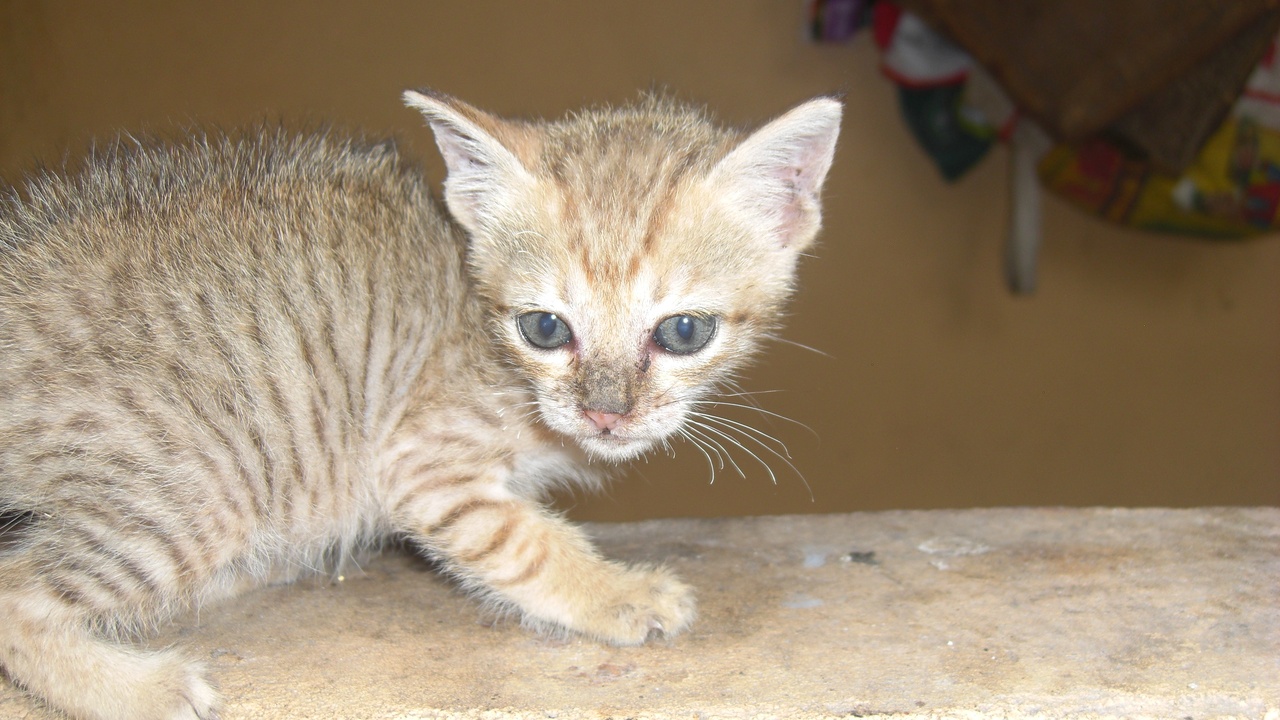
Cats communicate using vocalizations, body language, and scent cues. The next three facts focus on how vocal behavior targets humans, retained hunting instincts, and flexible social tendencies rooted in both wild ancestry and living with people.
4. Meows and purrs — cats talk to us differently than to other cats
Adult cats largely reserve meowing for interaction with humans rather than other cats. Researchers who cataloged feline vocalizations identified a variety of sounds — meows, chirps, trills, hisses — each serving different functions.
One striking example is the “solicitation purr,” which blends purr frequencies with a higher-pitched cry to trigger caregiving responses from people. Behavioral studies show cats can modify meows depending on their audience and that owners learn to distinguish signals for feeding versus attention. Understanding these vocal patterns helps caregivers respond appropriately to needs or potential medical issues.
5. Hunting instincts: efficient, adaptable predators
Domestic cats retain the sensory and motor toolkit of efficient predators: acute hearing, whisker-guided touch, fast reflexes, and a reflectively enhanced retina called the tapetum lucidum that boosts low-light vision. A common estimate is that cats can see up to six times better than humans in very low light, making dawn and dusk prime hunting times.
That “stalk–pounce–kill” sequence is obvious in play. Free-roaming cats can significantly impact local wildlife, prompting conservation-minded owners to use mitigation: bells and brightly colored collars reduce bird predation, supervised walks or enclosed patios (“catios”) offer safe outdoor time, and keeping cats indoors overnight lowers hunting success.
6. Social behavior — not strictly solitary
Although descended from largely solitary hunters, cats are socially flexible. They form colonies around reliable food and shelter, engage in allogrooming, and show affiliative behaviors toward familiar humans.
Specific signals include head bunting (rubbing), kneading, and mutual grooming. Research indicates cats can recognize their owner’s voice and sometimes show preferences for particular people. For multi-cat homes, reduce stress by providing vertical space, separate litter boxes and feeding stations, and gradual introductions; a good rule is one litter box per cat plus one extra.
History, Breeds & Human Relationships
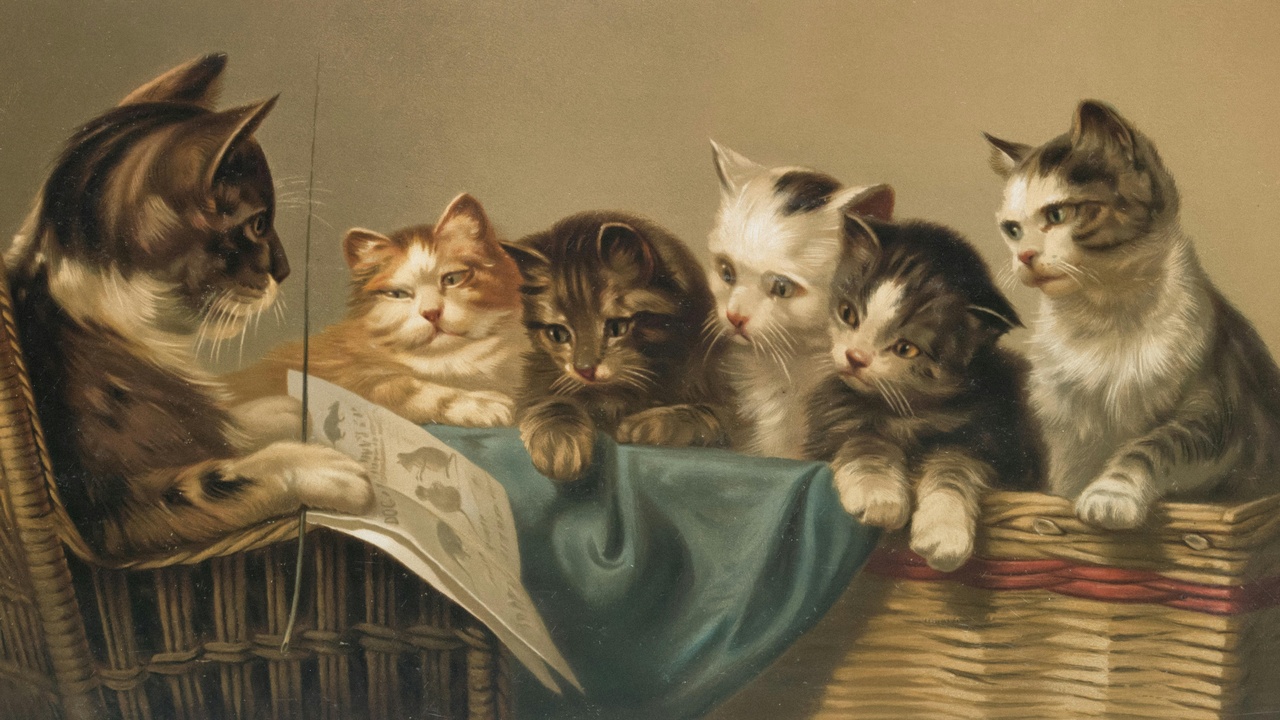
Biology and behavior shaped how cats fit alongside people for thousands of years. The final two facts cover domestication and the measurable benefits cats bring to human health and daily life, plus how breed diversity reflects human selection for specific traits.
7. Domestication and cultural roles — a 9,000-year story
Cat domestication began roughly 9,000 years ago in the Near East, coinciding with the rise of farming. As people stored grain, rodents followed, and wildcats that tolerated human presence found steady prey — a mutually beneficial relationship that gradually led to commensalism and, later, domestication documented by archaeological and genetic studies.
Across cultures, cats acquired varied roles: Ancient Egyptians revered felines and often mummified them (notably around 3000 BCE), while Norse and Japanese folklore assigned cats protective and supernatural attributes. These facts about cats span utilitarian pest control to religious symbolism and, today, viral social-media fame for certain breeds and personalities.
8. Health, emotional, and lifestyle benefits of cat ownership
Owning a cat is associated with measurable benefits for people’s well-being. Peer-reviewed studies and statements from organizations such as the American Heart Association note links between pet ownership and reduced stress markers, lower blood pressure, and associations with cardiovascular health in observational research.
Indoor cats commonly live around 12–15 years, often longer with good care. Practical applications include therapy cats in assisted-living settings and using enrichment to reduce stress for both cat and owner. Responsible ownership—regular veterinary care, microchipping, vaccinations, and environmental enrichment—improves outcomes for people and pets alike.
Summary
- Purring occurs at frequencies (about 25–150 Hz) that may aid healing and serve communication functions.
- Whiskers are precision tactile sensors; whisker-friendly bowls can prevent feeding stress and whisker fatigue.
- Domestication began roughly 9,000 years ago, with cats and people forming a mutually useful relationship around grain stores.
- Responsible ownership—vet care, indoor enrichment, and safe outdoor options—supports both cat welfare and human health.
Take a moment tonight to observe one new thing about your cat’s behavior or consider adopting responsibly from a local shelter.