In classrooms, labs and materials workshops, two-element compounds turn up in everyday experiments and industrial formulations, so a quick reference can save time when identifying reactions or choosing materials. A compact list makes it easy to compare names and properties at a glance.
There are 80 Binary Compounds, ranging from Ag2O to ZnS. Each entry is presented with Name,Class,State at STP so you can see identity, chemical class and typical physical state at standard conditions — you’ll find below.
How are the compounds grouped by class?
The Class column groups entries by common chemistry (oxides, sulfides, halides, nitrides, etc.), which helps you spot trends in reactivity and application; use the class to filter compounds with similar bonding or uses.
What does “State at STP” tell me about handling or storage?
State at STP indicates whether a compound is a solid, liquid or gas at standard temperature and pressure; that helps predict storage needs (gases require cylinders or containment, solids may need desiccation) and flags any handling precautions.
Binary Compounds
| Formula | Name | Class | State at STP |
|---|---|---|---|
| H2O | Water | Oxide | Liquid |
| CO2 | Carbon dioxide | Oxide | Gas |
| CO | Carbon monoxide | Oxide | Gas |
| NO | Nitric oxide | Oxide | Gas |
| NO2 | Nitrogen dioxide | Oxide | Gas |
| N2O | Nitrous oxide | Oxide | Gas |
| SO2 | Sulfur dioxide | Oxide | Gas |
| SO3 | Sulfur trioxide | Oxide | Liquid |
| H2S | Hydrogen sulfide | Sulfide | Gas |
| NaCl | Sodium chloride | Halide | Solid |
| KCl | Potassium chloride | Halide | Solid |
| CaCl2 | Calcium chloride | Halide | Solid |
| MgCl2 | Magnesium chloride | Halide | Solid |
| AlCl3 | Aluminium chloride | Halide | Solid |
| AgCl | Silver chloride | Halide | Solid |
| HCl | Hydrogen chloride | Halide | Gas |
| HF | Hydrogen fluoride | Halide | Liquid |
| HBr | Hydrogen bromide | Halide | Gas |
| HI | Hydrogen iodide | Halide | Gas |
| SiO2 | Silicon dioxide | Oxide | Solid |
| TiO2 | Titanium dioxide | Oxide | Solid |
| Al2O3 | Aluminium oxide | Oxide | Solid |
| Fe2O3 | Iron(III) oxide | Oxide | Solid |
| Fe3O4 | Magnetite | Oxide | Solid |
| FeO | Iron(II) oxide | Oxide | Solid |
| CuO | Copper(II) oxide | Oxide | Solid |
| Cu2O | Copper(I) oxide | Oxide | Solid |
| ZnO | Zinc oxide | Oxide | Solid |
| MgO | Magnesium oxide | Oxide | Solid |
| CaO | Calcium oxide | Oxide | Solid |
| SiC | Silicon carbide | Carbide | Solid |
| WC | Tungsten carbide | Carbide | Solid |
| TiC | Titanium carbide | Carbide | Solid |
| CaC2 | Calcium carbide | Carbide | Solid |
| Fe3C | Cementite | Carbide | Solid |
| FeS | Iron(II) sulfide | Sulfide | Solid |
| FeS2 | Iron disulfide | Sulfide | Solid |
| ZnS | Zinc sulfide | Sulfide | Solid |
| PbS | Lead sulfide | Sulfide | Solid |
| CuS | Copper sulfide | Sulfide | Solid |
| MoS2 | Molybdenum disulfide | Sulfide | Solid |
| NH3 | Ammonia | Hydride | Gas |
| PH3 | Phosphine | Hydride | Gas |
| CH4 | Methane | Hydride | Gas |
| LiH | Lithium hydride | Hydride | Solid |
| NaH | Sodium hydride | Hydride | Solid |
| CaH2 | Calcium hydride | Hydride | Solid |
| Li3N | Lithium nitride | Nitride | Solid |
| AlN | Aluminium nitride | Nitride | Solid |
| BN | Boron nitride | Nitride | Solid |
| Si3N4 | Silicon nitride | Nitride | Solid |
| TiN | Titanium nitride | Nitride | Solid |
| PbO | Lead(II) oxide | Oxide | Solid |
| HgS | Mercury sulfide | Sulfide | Solid |
| Ag2S | Silver sulfide | Sulfide | Solid |
| CuCl2 | Copper(II) chloride | Halide | Solid |
| Na2O | Sodium oxide | Oxide | Solid |
| K2O | Potassium oxide | Oxide | Solid |
| Na2S | Sodium sulfide | Sulfide | Solid |
| K2S | Potassium sulfide | Sulfide | Solid |
| KBr | Potassium bromide | Halide | Solid |
| AgBr | Silver bromide | Halide | Solid |
| ClO2 | Chlorine dioxide | Oxide | Gas |
| NCl3 | Nitrogen trichloride | Halide | Gas |
| PCl3 | Phosphorus trichloride | Halide | Liquid |
| PCl5 | Phosphorus pentachloride | Halide | Solid |
| Li2O | Lithium oxide | Oxide | Solid |
| Ag2O | Silver oxide | Oxide | Solid |
| CaF2 | Calcium fluoride | Halide | Solid |
| NaF | Sodium fluoride | Halide | Solid |
| AlF3 | Aluminium fluoride | Halide | Solid |
| NiAl | Nickel aluminium | Intermetallic | Solid |
| XeF2 | Xenon difluoride | Halide | Solid |
| SF6 | Sulfur hexafluoride | Halide | Gas |
| NF3 | Nitrogen trifluoride | Halide | Gas |
| BF3 | Boron trifluoride | Halide | Gas |
| BCl3 | Boron trichloride | Halide | Gas |
| SiCl4 | Silicon tetrachloride | Halide | Liquid |
| TiCl4 | Titanium tetrachloride | Halide | Liquid |
| H2O2 | Hydrogen peroxide | Oxide | Liquid |
Images and Descriptions
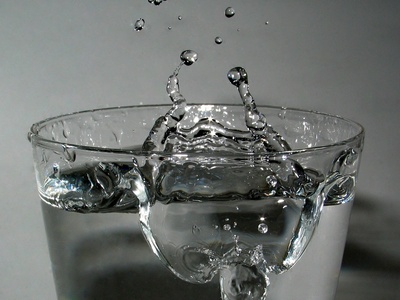
H2O
Universal solvent composed of hydrogen and oxygen; ubiquitous in nature, essential for life, used in industry for cooling and cleaning; can carry pathogens and causes corrosion or flooding hazards but is notable for supporting nearly all Earth chemistry.

CO2
A gas of carbon and oxygen produced by respiration, combustion, and fermentation; used in carbonated drinks, fire extinguishers, and plant growth; notable greenhouse gas at atmospheric concentrations affecting climate and trapped in dry ice for refrigeration.
CO
Colorless, odorless gas produced by incomplete combustion; binds strongly to hemoglobin causing poisoning; used in metallurgy and synthesis chemistry; notable hazard because it’s toxic at low concentrations and hard to detect without sensors.
NO
Simple nitrogen‑oxygen gas produced biologically and industrially; acts as a signaling molecule in animals and a reactive intermediate in combustion and atmospheric chemistry; toxic at high concentrations and important in air‑pollution chemistry.
NO2
Reddish-brown gas formed from combustion and atmospheric reactions; contributes to smog and acid rain, irritates lungs, and is used as an intermediate in chemical manufacturing; notable for urban air quality impacts.
N2O
Also called laughing gas, used as an anesthetic and propellant; produced biologically and industrially; powerful greenhouse gas with a long atmospheric lifetime and used in food aerosols and rocket propellants.
SO2
Colorless, pungent gas from volcanic eruptions and fossil fuel combustion; used to make sulfuric acid and as a preservative; contributes to acid rain and respiratory irritation; notable atmospheric pollutant.
SO3
Reactive oxide of sulfur used to make sulfuric acid; fumes and absorbs moisture producing corrosive acids; industrially important intermediate but hazardous because it reacts violently with water producing heat and acid mist.
H2S
Rotten‑egg–smelling gas from decomposition and petroleum refining; toxic and flammable; used in chemical synthesis and as an environmental hazard in sewers and oil fields; notable for its high toxicity at low concentrations.
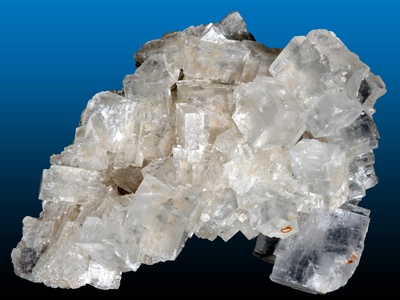
NaCl
Common table salt composed of sodium and chlorine; abundant in seawater and mined as rock salt; essential for life, widely used in food, deicing, and chemical industries; excessive consumption has health implications.
KCl
Ionic salt used as a fertilizer, medical potassium supplement, and in some industrial processes; mined or produced from brine; safe in common uses but hazardous in large doses to cardiac patients.
CaCl2
Hygroscopic salt used for de‑icing, dust control, and as a drying agent; produced industrially from limestone and brine; absorbs moisture strongly and can irritate skin and eyes but is widely useful for moisture control.
MgCl2
Used for dust suppression, road stabilization, and as a precursor to magnesium metal; extracted from seawater and brines; deliquescent and corrosive to some metals but useful in construction and chemistry.
AlCl3
Lewis acid used in Friedel–Crafts chemistry and as a catalyst; available as hygroscopic solid or molten ionic liquid; corrosive and reacts with water, releasing hydrogen chloride gas.
AgCl
Light‑sensitive white salt used historically in photography, for antimicrobial applications, and as an analytical reagent; poorly soluble in water, decomposes with light to metallic silver and chlorine, making it photoreactive.
HCl
Reactive acidic gas that dissolves in water to form hydrochloric acid; widely used in industry for pH control and cleaning; corrosive to tissues and metals, and notable for strong fumes.
HF
Corrosive hydrogen halide used to etch glass and in fluorination chemistry; concentrated solutions dissolve silica and penetrate tissue causing deep burns; requires special handling despite being a liquid at STP.
HBr
Hydrogen halide forming hydrobromic acid in water; used in chemical synthesis and bromide production; corrosive and toxic as gas or aqueous acid and handled carefully in labs and industry.
HI
Strong reducing hydrogen halide used to make iodides and in organic synthesis; forms hydroiodic acid in water; corrosive and reactive, prized for certain substitution reactions in chemistry.
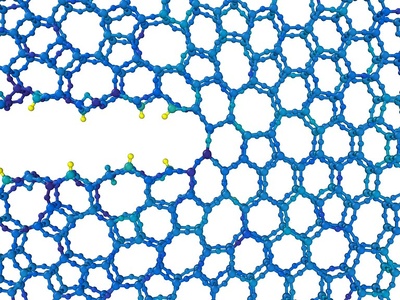
SiO2
Major component of sand and quartz, composed of silicon and oxygen; used in glassmaking, ceramics, and electronics; mechanically hard, chemically stable, and central to Earth’s crust and many industrial materials.
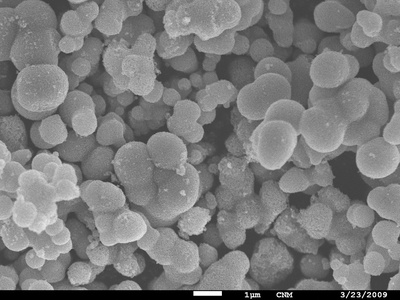
TiO2
White pigment used in paints, sunscreens, and plastics; produced from titanium ores; chemically stable, high refractive index, photochemically active in some forms and considered safe in most consumer products.
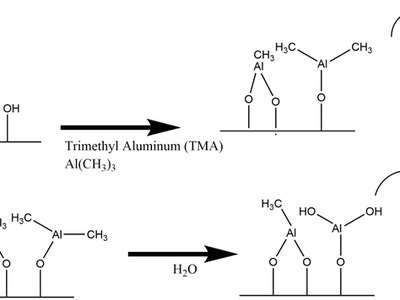
Al2O3
Also called alumina, used in abrasives, ceramics, and as catalyst support; hard and chemically stable, derived from bauxite; important industrial material and component of sapphire.
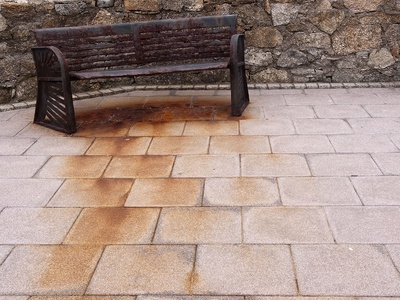
Fe2O3
Rust and hematite are forms of iron(III) oxide; abundant ore of iron used in metallurgy and pigments; forms by oxidation of iron and is chemically stable but signals corrosion damage.
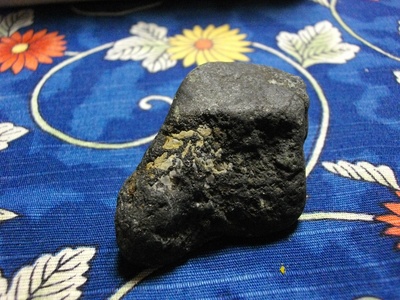
Fe3O4
Iron oxide with mixed valence, naturally magnetic; used in magnetic recording, catalysts, and as an iron ore; notable for strong magnetism and role in geologic and industrial processes.
FeO
Black iron oxide occurring in steels and geological settings; used in ceramics and metallurgy; unstable in air relative to higher oxides and important for understanding corrosion and ore processing.
CuO
Black oxide used in pigments, catalysts, and battery electrodes; formed by heating copper in air and in corrosion products; toxic in certain forms and important in inorganic chemistry.
Cu2O
Red‑orange oxide used as pigment, fungicide, and in semiconductors; occurs in oxidized copper ores; notable for different color and properties from CuO and for photovoltaic research.
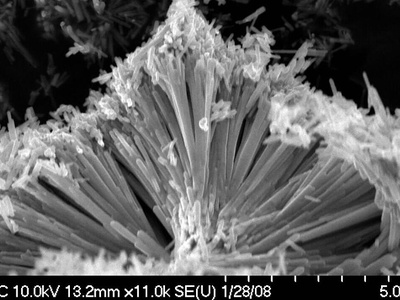
ZnO
White powder used in sunscreens, rubber vulcanization, and ceramics; exhibits semiconductor and photocatalytic behavior; generally low toxicity and widely used in consumer and industrial products.
MgO
Light, refractory oxide used as a furnace lining, insulating material, and laxative; produced by calcining magnesium hydroxide or carbonate; chemically stable, high melting point, and useful in construction.
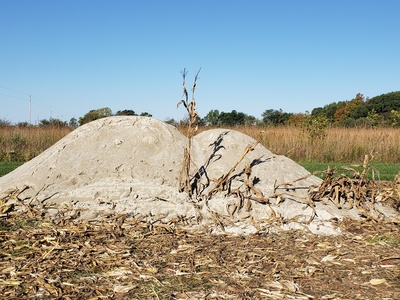
CaO
Quicklime produced by heating limestone; used to make cement, treat soils, and in steelmaking; reactive with water to form calcium hydroxide and can cause severe burns on contact.
SiC
Very hard ceramic used as abrasive, refractory, and in high‑temperature electronics; made by combining silicon and carbon; notable for thermal conductivity, chemical resistance, and applications from grinding to EV components.
WC
Extremely hard binary of tungsten and carbon used in cutting tools and wear‑resistant parts; combines metal‑like toughness with ceramic hardness and is produced by carburizing tungsten metal or sintering powders.
TiC
Hard refractory compound used in tool coatings, cermets, and wear‑resistant materials; combines high melting point with hardness and chemical stability, valued in metalworking industries.
CaC2
Industrial chemical produced by reducing lime with coke; reacts with water to release acetylene gas used in welding and organic synthesis; moisture sensitive and reactive, requiring careful storage.
Fe3C
Iron carbide present in steels and cast irons, important for mechanical properties and microstructure; a hard, brittle phase that influences strength and toughness in metallurgical engineering.
FeS
Common iron sulfide found in sediments and corrosion products; used in lab synthesis and as a geochemical indicator; can produce hydrogen sulfide on acidification and is relevant in mining.
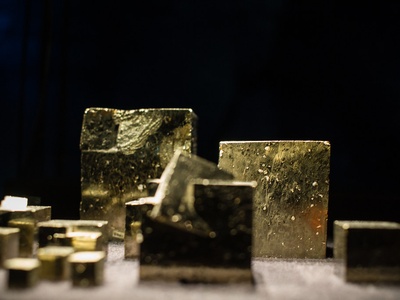
FeS2
Pyrite or “fool’s gold,” an abundant sulfide mineral used in sulfuric acid production and geological studies; notable for its shiny cubic crystals and role in acid mine drainage when exposed to weathering.
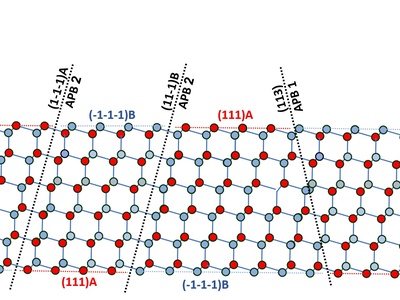
ZnS
Used as a pigment (luminous paints), in infrared optics, and phosphors; occurs as sphalerite; notable for luminescent properties and use in display and lighting technologies.
PbS
Galena, the main ore of lead, used in lead extraction and historically in infrared detectors; dense and metallic gray; hazardous due to lead toxicity in mining and processing.
CuS
Occurs in copper ores and as corrosion products; used in copper production and has semiconductor phases; environmental concern in smelting and acid mine drainage.
MoS2
Layered material used as a dry lubricant, catalyst, and in electronics; like graphite, it has easy shear between layers; notable for high temperature stability and lubrication in extreme conditions.
NH3
Nitrogen hydride produced industrially by the Haber process; used as fertilizer, refrigerant, and chemical feedstock; pungent and toxic at high concentrations but central to modern agriculture.
PH3
Toxic, flammable gas used in semiconductor doping and as a fumigant; produced industrially or by decomposition of organophosphorus compounds; hazardous and notable for strong, unpleasant odor at high concentrations.
CH4
Simplest hydrocarbon and major component of natural gas; key fuel and greenhouse gas; produced biologically and geologically; used for heating, electricity, and as feedstock for chemicals.
LiH
Light ionic hydride used as a hydrogen storage medium and in specialty reductions; reacts with water to release hydrogen and is corrosive; notable in some battery and aerospace applications.
NaH
Strong ionic base used in organic synthesis for deprotonation reactions; reacts violently with water releasing hydrogen and heat; handled under inert gas in labs due to reactivity.
CaH2
Used as a drying agent and hydrogen source in lab and industrial settings; reacts with water to release hydrogen; effective desiccant for solvents but moisture reactive and flammable.
Li3N
Ionic nitride formed by combining lithium and nitrogen; studied for hydrogen storage and battery research; reactive with water and notable for being one of few stable alkaline metal nitrides.
AlN
High‑thermal‑conductivity ceramic used in electronics packaging and substrates; electrically insulating but thermally conductive, making it valuable for heat management in semiconductors.
BN
Ceramic available in hexagonal and cubic forms; hexagonal BN is a lubricant like graphite, cubic BN rivals diamond in hardness; used in cutting tools, lubricants, and high‑temperature applications.
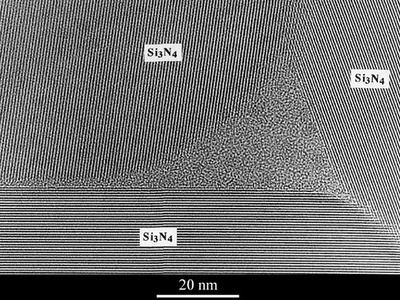
Si3N4
Advanced ceramic used in bearings, turbines, and high‑temperature structural parts; strong, fracture‑resistant, and thermally stable; produced by industrial nitridation of silicon.
TiN
Hard metallic ceramic used as a gold‑colored coating on cutting tools and medical implants; increases wear resistance and reduces friction, prized for decorative and functional coatings.
PbO
Red or yellow oxide used historically in glass, pigments, and lead battery components; toxic due to lead content and important in environmental and industrial health considerations.
HgS
Cinnabar, the natural ore of mercury and a historical red pigment; toxic because of mercury content and used historically in art and medicine; modern uses limited due to toxicity.
Ag2S
Black tarnish on silver metal and a semiconductor material; forms on exposure to sulfur compounds and is notable in jewelry corrosion and in some nanoscale electronic research.
CuCl2
Blue‑green salt used in catalysis, textile dyeing, and as a reagent; hygroscopic and corrosive; used in industrial chemistry and laboratory inorganic synthesis.
Na2O
Strongly basic oxide used in glassmaking and ceramics; reacts vigorously with water to give sodium hydroxide; rarely encountered pure but important in materials processing.
K2O
Highly basic oxide relevant to glass chemistry and ceramics; reacts with water to form potassium hydroxide and is handled via salts or fused mixtures rather than as a pure material.
Na2S
Used in pulp and paper processing, leather manufacturing, and chemical synthesis; strong reducing agent with a rotten‑egg smell on hydrolysis; corrosive and environmentally impactful if released.
K2S
Alkali metal sulfide used in synthesis and research; hydrolyzes in moisture producing hydrogen sulfide and requires careful handling; useful in certain chemical preparations.
KBr
Used in photography, medicine (sedatives historically), and as a laboratory reagent; soluble ionic salt derived from brines; generally low toxicity but valuable in chemical synthesis.
AgBr
Light‑sensitive compound used in photographic emulsions and radiography; decomposes to silver metal on exposure to light, which makes it central to traditional imaging technologies.
ClO2
Yellow‑green gas used as a bleaching and disinfecting agent in water treatment and pulp industries; a selective oxidizer with explosive potential when concentrated; handled as dilute gas or stabilized solutions.
NCl3
Highly explosive, oily compound formed as a byproduct in chlorination of ammonia; notable hazard in chemical plants and pools; historically implicated in accidental detonations and requires careful control to avoid formation.
PCl3
Reactive phosphorus halide used to make organophosphorus compounds, flame retardants, and pesticides; corrosive and fuming with water, widely used as a chemical intermediate in industry.
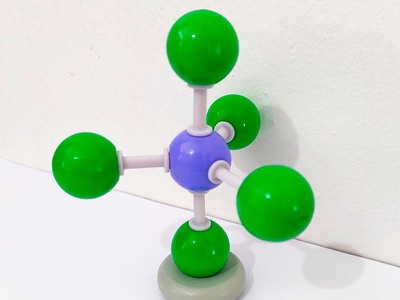
PCl5
Chlorinating agent and reagent in organic synthesis; exists as ionic in solid state and decomposes with moisture releasing HCl; useful for converting alcohols and acids to chlorinated derivatives.
Li2O
Produced by oxidizing lithium metal and used in ceramics and as a precursor for lithium compounds; reactive with water, important in battery materials research and high‑temperature applications.
Ag2O
Black‑brown oxide used as mild oxidant, in silver oxide batteries, and in antimicrobial materials; decomposes to metallic silver and oxygen on heating and is photosensitive.
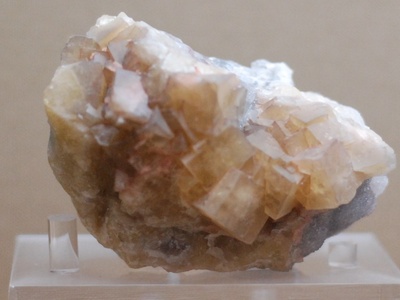
CaF2
Fluorite mineral used in optics, metallurgy, and as a source of fluoride; transparent in a wide spectral range and used for lenses, and as a flux in steelmaking.
NaF
Used in water fluoridation, dental products, and as a fluorine source in chemistry; ionic salt with applications in public health and industry, but toxic in high doses.
AlF3
Used in aluminium smelting to lower melting point of cryolite mixtures; forms in fluoride chemistry and acts as a catalyst component; solid, corrosive, and important in aluminium production.
NiAl
Ordered intermetallic compound used in high‑temperature coatings and structural materials; combines metallic bonding with high temperature strength and oxidation resistance, valuable in turbine and aerospace applications.
XeF2
Stable noble‑gas fluoride used as a powerful fluorinating agent and in microfabrication; crystalline solid that sublimes and releases fluorine atoms for gentle, selective fluorination reactions.
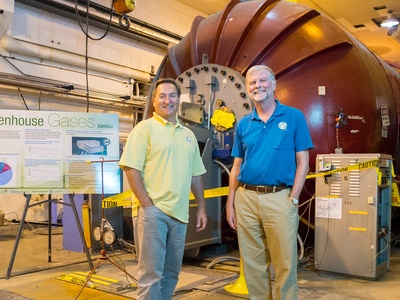
SF6
Inert, dense gas used for electrical insulation and high‑voltage switchgear; excellent dielectric properties but extremely strong greenhouse gas when released, prompting regulatory attention.
NF3
Used in semiconductor manufacturing for chamber cleaning and plasma processes; stable gas with strong fluorination power in plasmas; greenhouse gas potential but valuable in high‑tech fabrication.
BF3
Lewis acid gas used as a catalyst in organic synthesis and polymerization; reactive with water to form fluoride complexes; notable in laboratory and industrial chemistry.
BCl3
Used in semiconductor manufacturing and organic synthesis as a chlorinating and etching agent; corrosive and reactive with moisture, widely used in electronics fabrication.
SiCl4
Volatile silicon compound used to make high‑purity silicon and silica for optics and electronics; reacts with moisture to give silica and hydrogen chloride; important intermediate in silicon production.
TiCl4
Reactive liquid used to produce titanium metal and as a precursor in pigment manufacture; fumes on contact with air forming clouds of titanium oxides and HCl, requiring careful handling.
H2O2
Reactive oxygen compound used as a disinfectant, bleach, and oxidizer; decomposes to water and oxygen; concentrations vary from household antiseptic to industrial oxidizer, hazardous at high concentrations.