Romania’s landscape mixes Carpathian peaks, rolling plains and unexpected geological quirks that trace an ancient volcanic past. From visible basalt outcrops to bubbling mud cones, these features are easy to spot across a compact country and tell different parts of that story.
There are 7 Volcanoes in Romania, ranging from Berca Mud Volcanoes to Racoș. For each, you’ll find below Location,Type,Status & last activity — information you’ll find below.
Are any of Romania’s volcanoes still active?
Most volcanic structures in Romania are extinct or dormant; there are no known magmatic eruptions in historical times. Mud volcanoes like Berca can emit gas and mud intermittently but are not true eruptive volcanoes, while sites such as Racoș represent older, extinct volcanic activity; the table below notes status and last recorded signs for each.
How should I plan a visit to Berca Mud Volcanoes or Racoș?
Both sites are visitable but may lie in protected or fragile areas—check local visitor information first. Stick to marked trails, respect signage, avoid unstable ground near mud cones or cliffs, and consider guided tours for clearer access, safety and geological context.
Volcanoes in Romania
| Name | Location | Type | Status & last activity |
|---|---|---|---|
| Ciomadul | Covasna;46.01,25.83 | Lava dome and volcanic complex | Dormant; last eruption ~30,000 years ago |
| Harghita | Harghita;46.43,25.80 | Volcanic range / volcanic complex | Extinct to dormant; last activity Miocene–Pleistocene |
| Gurghiu | Mureș;46.64,25.35 | Volcanic massif / volcanic complex | Extinct; last activity Miocene–Pleistocene |
| Călimani | Suceava;46.82,25.35 | Volcanic complex / caldera and lava domes | Extinct; last activity Pleistocene–Quaternary |
| Perșani | Brașov;46.23,25.33 | Volcanic massif / monogenetic cones | Dormant; last eruptions Pleistocene–Quaternary |
| Racoș | Brașov;46.20,25.18 | Basaltic volcanic complex / volcanic necks | Dormant/extinct; last activity Pleistocene |
| Berca Mud Volcanoes | Buzău;45.12,26.66 | Mud volcanoes (gas-driven) | Active; gas-driven mud eruptions persist today |
Images and Descriptions

Ciomadul
Ciomadul is Romania’s youngest volcanic complex, a pair of dacitic lava domes marked by Saint Anne Lake. Dormant but geologically recent, it produced eruptions about 30,000 years ago and still has CO2 mofettes and hydrothermal remnants.
Harghita
The Harghita volcanic range is part of the Eastern Carpathian volcanic chain, made of multiple Miocene–Pleistocene volcanic centers. Mostly eroded and extinct to dormant, it forms long ridges and scenic volcanic plateaus popular for hiking and geology.
Gurghiu
Gurghiu Mountains are a volcanic massif with numerous basaltic and andesitic centers from Miocene–Pleistocene times. Largely eroded, they host volcanic cones, necks and forests; of interest for regional volcanism studies rather than active hazards.
Călimani
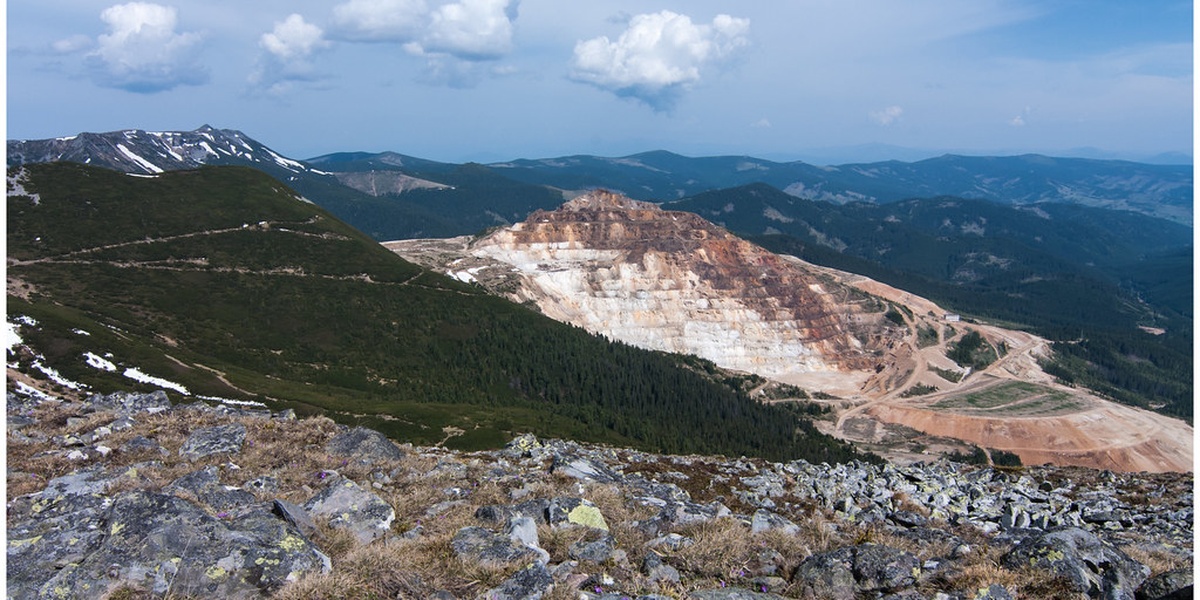
Călimani is one of Romania’s largest volcanic complexes, featuring a caldera, lava domes and extensive ignimbrites from Neogene–Quaternary volcanism. Mostly extinct now, it shaped high plateaus and is a classic Eastern Carpathian volcanic landmark.
Perșani
Perșani volcanic massif contains basaltic andesite lava flows and monogenetic cones from the Quaternary. Small, scattered eruptions built local plateaus; it’s studied for young alkaline volcanism in Transylvania though currently dormant.
Racoș
Racoș near Rupea hosts basaltic necks, lava flows and two small basaltic volcano remnants dated to the Pleistocene. The landscape shows columns, dykes and a well-known basaltic plateau visited for geology and hikes.
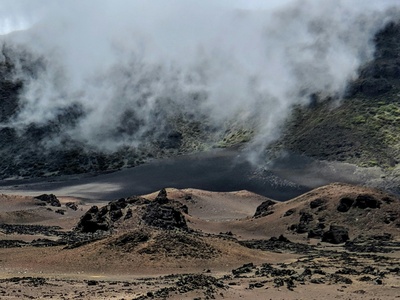
Berca Mud Volcanoes
The Berca mud volcanoes are gas-driven, cold mud seeps forming small eruptive cones and bubbling pools in Buzău County. Active today at a small scale, they’re a protected natural reserve and a popular, safe tourist attraction.