In 1851, Sir William Wilde performed one of the early successful cataract operations, heralding modern surgical approaches to restore sight.
Vision shapes how we move, work, learn, and connect; losing sight affects independence, safety, and relationships. The human eye is a compact optical instrument coupled to a powerful neural processor, so small changes in structure or function have big consequences.
Here are 10 interesting facts about the eyes that most people don’t know.
Anatomy & Physiology
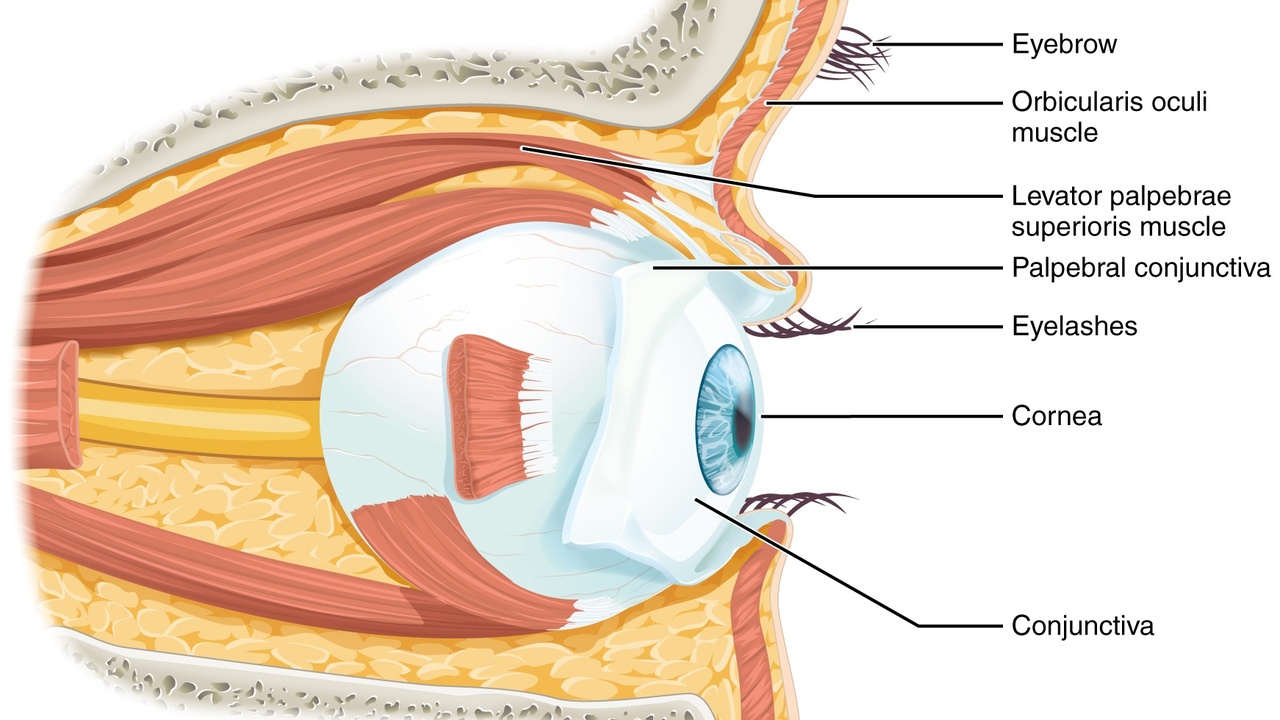
This category covers the eye’s physical design: the muscles that move it, the transparent cornea that focuses light, and the densely packed photoreceptors of the retina. Together those parts create a fast, precise visual system that converts photons into neural signals. Below are three structural and physiological facts that explain how anatomy supports rapid, detailed vision and why surgical and optical interventions work.
1. Six muscles control each eye with remarkable precision
Each eye is driven by six extraocular muscles: lateral and medial rectus, superior and inferior rectus, and superior and inferior oblique. Those muscles coordinate saccades (very fast gaze shifts) and smooth pursuit movements to keep objects of interest centered on the fovea.
Saccades can reach extremely high angular speeds, allowing the eye to jump and refocus in a fraction of a second, while smooth pursuit tracks moving targets. Surgeons perform thousands of strabismus corrections worldwide each year to realign muscles in children and adults, restoring binocular vision and depth perception.
Eye-tracking technology leverages this muscular precision for user interfaces, research, and diagnostics, and strabismus repair remains a practical clinical example of how muscle anatomy translates directly into visual function.
2. The retina contains roughly 120 million rods and 6–7 million cones
The human retina holds about 120 million rods and roughly 6–7 million cones, with cones densely packed in the fovea. Rods are extremely sensitive in dim light and excel at motion detection; cones provide high-resolution, color-sensitive central vision.
The fovea’s cone packing enables 20/20 acuity or better for many people, which is why reading, threading needles, and recognizing faces all rely on central vision. Peripheral retina, dominated by rods, is tuned for detecting movement and hazards outside direct gaze.
Anatomical studies support these counts, and the functional split explains why low-light driving depends more on rods while small-print reading requires intact foveal cones.
3. The cornea provides most of the eye’s focusing power
The cornea accounts for roughly two-thirds of the eye’s focusing power—about +40 to +45 diopters—because its curved, transparent surface bends incoming light before it reaches the lens. Small changes in curvature or clarity have outsized effects on vision.
A scar or warpage of the cornea can produce significant refractive error, which is why procedures that reshape or replace the cornea are so effective. LASIK alters corneal curvature to correct myopia, while penetrating keratoplasty (corneal transplant) restores transparency for diseased corneas.
Average corneal power values help eye-care professionals plan refractive surgery and contact lens prescriptions, and good outcomes from corneal grafts show how central the cornea is to clear sight.
Vision & Perception

What we “see” is as much a brain product as an optical one: the retina sends raw data and the visual cortex interprets patterns, fills gaps, and assigns color and motion. Perception depends on both receptor signals and cortical processing, so optical clarity is necessary but not always sufficient for normal vision.
Below are three perception facts that highlight how the brain extracts detail, distinguishes color, and handles massive visual data flow.
4. The fovea gives central vision extreme sharpness
The fovea is a tiny pit in the retina responsible for our sharpest central vision; cone density there can exceed 150,000 cones per mm², giving extraordinary spatial resolution. That very high cone packing is what lets you read small print and pick out facial expressions.
Clinicians assess foveal function with visual acuity charts (20/20 is a common benchmark) and tools like the Amsler grid to screen for central field defects. Photographers sometimes describe “foveal attention” to explain where viewers naturally fixate in a portrait.
5. Humans can distinguish roughly 7–10 million colors
Estimates suggest humans can discriminate on the order of 7–10 million hues, a capability produced by three cone types with overlapping spectral sensitivities plus cortical comparison mechanisms. The brain compares cone responses to create the rich palette we perceive.
Color vision deficiency affects about 8% of men and roughly 0.5% of women, so designers often use color-safe palettes and redundant cues like patterns. Ishihara plates remain a common clinical screening tool for common red‑green defects.
Certain professions—pilots, electricians, some designers—screen for color vision because accurate color discrimination matters for safety and performance.
6. The optic nerve carries about 1.2 million nerve fibers to the brain
The human optic nerve contains roughly 1.2 million axons, a substantial information pipeline from retina to brain. That number describes the nerve’s raw bandwidth; most complex interpretation happens in visual cortex (V1 and higher areas).
Diseases that damage the optic nerve reduce fiber counts and degrade vision. Glaucoma slowly destroys axons and can produce peripheral field loss, while optic neuritis causes sudden vision loss and is often an early symptom in multiple sclerosis.
Protecting optic nerve health—through intraocular pressure control, prompt treatment of inflammation, and systemic disease management—is essential for preserving visual information flow.
Health & Disease
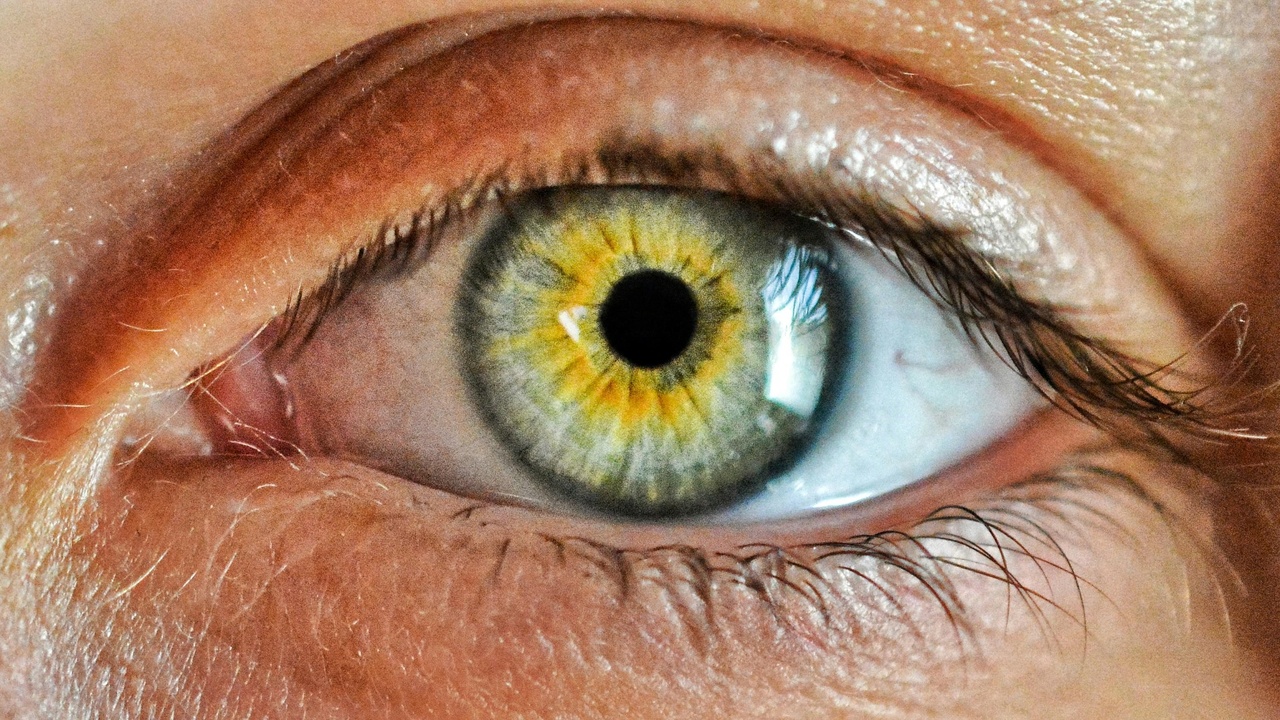
Eye disease affects billions worldwide, but many causes of vision impairment are preventable or treatable if identified early. Global and national programs aim to expand access to refractive services, cataract surgery, and age‑related macular degeneration care.
Authoritative sources like the World Health Organization and the American Academy of Ophthalmology provide data and guidelines that clinics and public health planners use to prioritize interventions.
7. Eye disease is common: cataracts, uncorrected refractive error, and glaucoma affect millions
The WHO estimates about 2.2 billion people have some form of vision impairment, and a large share is due to uncorrected refractive error and cataracts. Cataracts remain the single largest cause of reversible blindness in many regions.
Glaucoma is a leading cause of irreversible blindness worldwide because it damages the optic nerve progressively. Millions of cataract surgeries are performed annually, underscoring both the demand for and the impact of surgical services.
Public health measures—school vision screening, affordable glasses programs, and surgical outreach—are practical ways to reduce the global burden of avoidable vision loss.
8. Lifestyle — diet, screens, and UV exposure — strongly affects eye health
Nutrition, screen habits, and ultraviolet exposure all influence long-term eye health. Diets rich in lutein, zeaxanthin, and omega‑3 fatty acids support macular and retinal health, while UV-protective sunglasses reduce harmful light exposure to cornea and lens.
The AREDS2 clinical trial showed that a specific supplement formulation can reduce progression risk in certain forms of age‑related macular degeneration, and many clinicians recommend evidence-based supplementation for eligible patients.
Prolonged screen use reduces blink rate—typical spontaneous blink rate is about 15–20 blinks per minute, which falls during intense near work—leading to dry‑eye symptoms. Simple habits like the 20‑20‑20 rule (every 20 minutes look 20 feet for 20 seconds) and regular breaks improve comfort.
Technology, Culture & Identity
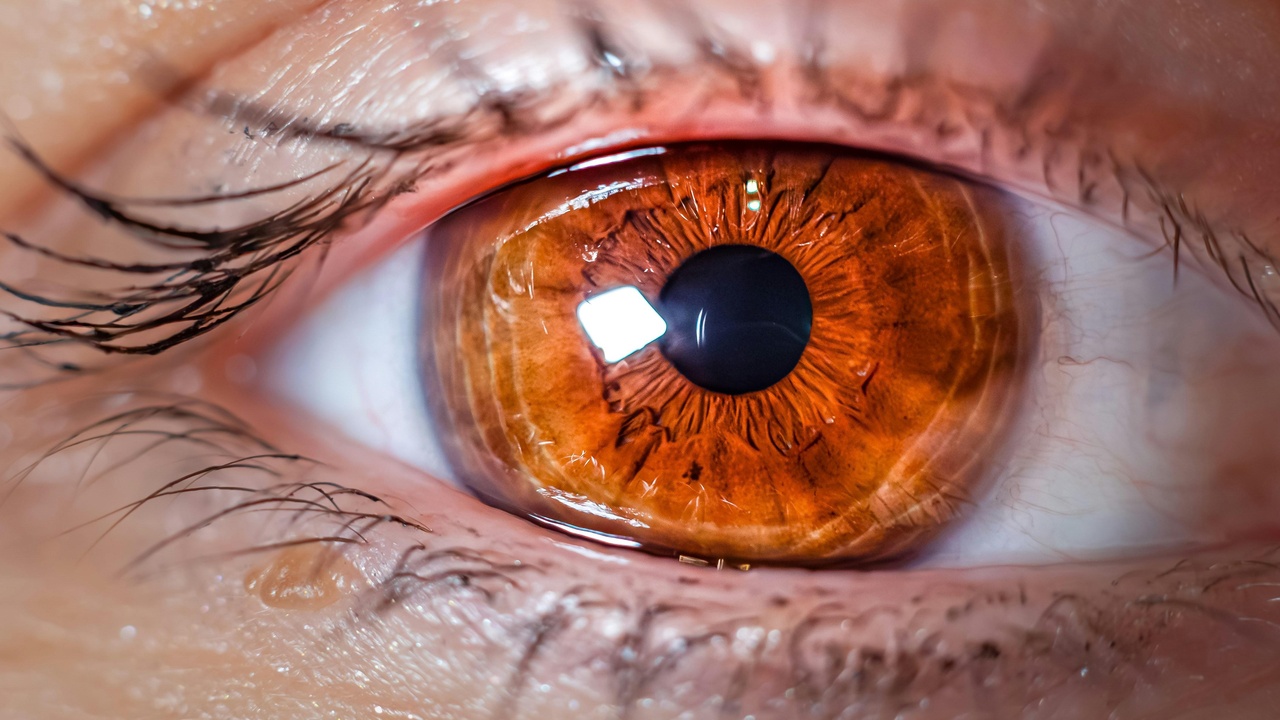
These facts about the eyes connect anatomy, correction, and cultural meaning: corrective lenses and OCT transformed care, while iris recognition and portraiture show how unique eye features serve identity and expression. Eyes shape both scientific tools and social rituals.
Below are two examples showing how technology studies the eye and how eye appearance matters across societies.
9. Corrective and imaging technologies let us see and study the eye in new ways
More than two billion people worldwide use corrective lenses—glasses or contact lenses—to correct refractive error, making optical correction one of the most widespread medical interventions. Advances in optics have increased access and improved outcomes.
Optical coherence tomography (OCT), introduced to clinical practice in the 1990s, provides noninvasive, cross‑sectional imaging of the retina and choroid and is now routine in eye clinics for early detection of macular disease. Smartphone-based visual acuity tests and Amsler-grid apps extend screening outside clinic walls.
Prototypes of AR smart glasses and low‑vision aids illustrate how consumer technology can assist people with limited sight, while teleophthalmology expands reach to underserved areas.
10. Eyes serve as biometric IDs and powerful cultural symbols
Iris and retinal patterns are highly individual and are used in biometric identification systems; iris recognition appears in some border control programs and commercial products by vendors such as NEC and IriTech, and is deployed in large‑scale identity systems in a few countries.
On the cultural side, eyes dominate portraiture, film close‑ups, and cosmetics. Colored contact lenses, eye makeup, and photographic framing emphasize eyes as social signals—eye contact influences trust, attention, and emotional communication.
Thus the eye is both a technical organ for vision and a potent symbol of identity and expression.
Summary
- The eye pairs compact optics (the cornea supplies ~two‑thirds of focusing power) with dense neural wiring (about 1.2 million optic nerve axons) to deliver high‑resolution vision.
- The retina contains roughly 120 million rods and 6–7 million cones; the fovea’s very high cone density underlies tasks like reading and face recognition.
- Many causes of vision loss are treatable or preventable—WHO estimates about 2.2 billion people have vision impairment—so access to screening, glasses, and cataract surgery matters.
- Protect your eyes with UV‑rated sunglasses, a diet that includes lutein and omega‑3s when appropriate, and sensible screen habits (try the 20‑20‑20 rule and regular blinking).
- Schedule a basic eye checkup if you haven’t had one in the last year; early detection and timely treatment are the best ways to preserve sight.