The 1950s were a pivotal decade for science, literature and global diplomacy, producing laureates whose ideas and actions still shape conversations today. This list brings those figures together in one place so you can quickly see who won, when, and why their work mattered.
There are 72 1950s Nobel Prize Winners, ranging from Albert Camus to Winston Churchill. For each laureate you’ll find below entries organized by Year,Category,Country so you can sort, cite, or scan the decade at a glance — you’ll find below.
How is the list organized and what do the columns mean?
Each row shows the award year (Year), the prize field (Category — e.g., Peace, Literature, Physics, Chemistry, Medicine) and the laureate’s country (Country); use those columns to filter by year, compare countries, or extract a timeline for research or teaching.
Does this include every laureate from 1950–1959 and notable names like Albert Camus or Winston Churchill?
Yes — the list is intended to be a complete roster of Nobel winners from 1950 through 1959 and includes well-known recipients such as Albert Camus and Winston Churchill, along with less familiar names, with category and country details for each entry.
1950s Nobel Prize Winners
| Laureate | Year | Category | Country |
|---|---|---|---|
| Cecil Powell | 1950 | Physics | United Kingdom |
| Otto Diels | 1950 | Chemistry | Germany |
| Kurt Alder | 1950 | Chemistry | Germany |
| Edward C. Kendall | 1950 | Physiology or Medicine | United States |
| Tadeus Reichstein | 1950 | Physiology or Medicine | Switzerland |
| Philip S. Hench | 1950 | Physiology or Medicine | United States |
| Bertrand Russell | 1950 | Literature | United Kingdom |
| Ralph Bunche | 1950 | Peace | United States |
| John Cockcroft | 1951 | Physics | United Kingdom |
| Ernest Walton | 1951 | Physics | Ireland |
| Edwin McMillan | 1951 | Chemistry | United States |
| Glenn T. Seaborg | 1951 | Chemistry | United States |
| Max Theiler | 1951 | Physiology or Medicine | United States |
| Pär Lagerkvist | 1951 | Literature | Sweden |
| Léon Jouhaux | 1951 | Peace | France |
| Felix Bloch | 1952 | Physics | United States |
| Edward M. Purcell | 1952 | Physics | United States |
| Archer J. P. Martin | 1952 | Chemistry | United Kingdom |
| Richard L. M. Synge | 1952 | Chemistry | United Kingdom |
| Selman A. Waksman | 1952 | Physiology or Medicine | United States |
| François Mauriac | 1952 | Literature | France |
| Albert Schweitzer | 1952 | Peace | France |
| Frits Zernike | 1953 | Physics | Netherlands |
| Hermann Staudinger | 1953 | Chemistry | Germany |
| Hans A. Krebs | 1953 | Physiology or Medicine | United Kingdom |
| Fritz A. Lipmann | 1953 | Physiology or Medicine | United States |
| Winston Churchill | 1953 | Literature | United Kingdom |
| George C. Marshall | 1953 | Peace | United States |
| Max Born | 1954 | Physics | United Kingdom |
| Walther Bothe | 1954 | Physics | Germany |
| Linus Pauling | 1954 | Chemistry | United States |
| John F. Enders | 1954 | Physiology or Medicine | United States |
| Thomas H. Weller | 1954 | Physiology or Medicine | United States |
| Frederick C. Robbins | 1954 | Physiology or Medicine | United States |
| Ernest Hemingway | 1954 | Literature | United States |
| Office of the United Nations High Commissioner for Refugees (UNHCR) | 1954 | Peace | International |
| Willis E. Lamb | 1955 | Physics | United States |
| Polykarp Kusch | 1955 | Physics | United States |
| Vincent du Vigneaud | 1955 | Chemistry | United States |
| Hugo Theorell | 1955 | Physiology or Medicine | Sweden |
| Halldór Laxness | 1955 | Literature | Iceland |
| William Shockley | 1956 | Physics | United States |
| John Bardeen | 1956 | Physics | United States |
| Walter H. Brattain | 1956 | Physics | United States |
| Nikolay N. Semenov | 1956 | Chemistry | Soviet Union |
| Sir Cyril N. Hinshelwood | 1956 | Chemistry | United Kingdom |
| André F. Cournand | 1956 | Physiology or Medicine | United States |
| Werner Forssmann | 1956 | Physiology or Medicine | Germany |
| Dickinson W. Richards | 1956 | Physiology or Medicine | United States |
| Juan Ramón Jiménez | 1956 | Literature | Spain |
| Chen Ning Yang | 1957 | Physics | United States |
| Tsung-Dao Lee | 1957 | Physics | United States |
| Alexander R. Todd | 1957 | Chemistry | United Kingdom |
| Daniel Bovet | 1957 | Physiology or Medicine | Italy |
| Albert Camus | 1957 | Literature | France |
| Lester B. Pearson | 1957 | Peace | Canada |
| Pavel A. Cherenkov | 1958 | Physics | Soviet Union |
| Ilya M. Frank | 1958 | Physics | Soviet Union |
| Igor Y. Tamm | 1958 | Physics | Soviet Union |
| Frederick Sanger | 1958 | Chemistry | United Kingdom |
| George W. Beadle | 1958 | Physiology or Medicine | United States |
| Edward L. Tatum | 1958 | Physiology or Medicine | United States |
| Joshua Lederberg | 1958 | Physiology or Medicine | United States |
| Boris Pasternak | 1958 | Literature | Soviet Union |
| Georges Pire | 1958 | Peace | Belgium |
| Emilio Segrè | 1959 | Physics | United States |
| Owen Chamberlain | 1959 | Physics | United States |
| Jaroslav Heyrovský | 1959 | Chemistry | Czechoslovakia |
| Severo Ochoa | 1959 | Physiology or Medicine | United States |
| Arthur Kornberg | 1959 | Physiology or Medicine | United States |
| Salvatore Quasimodo | 1959 | Literature | Italy |
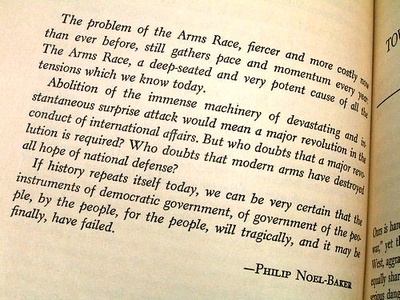
| Philip Noel-Baker | 1959 | Peace | United Kingdom |
Images and Descriptions

Cecil Powell
Awarded for developing the photographic method to study nuclear processes and discovering mesons; his work provided clear experimental evidence for pions, advancing understanding of subatomic particles and nuclear interactions.
Otto Diels
Honored jointly for discovering and developing the diene synthesis (Diels–Alder reaction); this powerful synthetic method transformed organic chemistry by enabling efficient construction of complex cyclic molecules used across chemistry and industry.
Kurt Alder
Shared the prize for the Diels–Alder reaction, a versatile method for forming carbon–carbon bonds; his work made synthesis of complex natural products and industrial compounds far more practical and influenced organic chemistry widely.
Edward C. Kendall
Awarded for isolating and characterizing adrenal cortex hormones and clarifying their biological effects; his work on cortisone and related compounds opened new therapeutic avenues for inflammatory and endocrine disorders.
Tadeus Reichstein
Recognized for isolating and determining structures of adrenal cortex hormones and for producing synthetic analogs; his chemical and biochemical studies substantially expanded hormone chemistry and clinical treatment options.
Philip S. Hench
Honored for clinical discoveries about adrenal cortex hormones, including cortisone’s effectiveness in treating rheumatoid arthritis; his patient-centered research demonstrated major therapeutic benefits for inflammatory diseases.
Bertrand Russell
Awarded for varied and significant writings that champion humanitarian ideals and freedom of thought; his essays and books combined philosophical depth, social criticism and clear prose that influenced public debate and modern philosophy.
Ralph Bunche
Awarded for mediating armistice agreements in Palestine in 1949; his diplomatic skill helped end active hostilities and established frameworks for peace processes, marking a milestone in postwar international mediation.
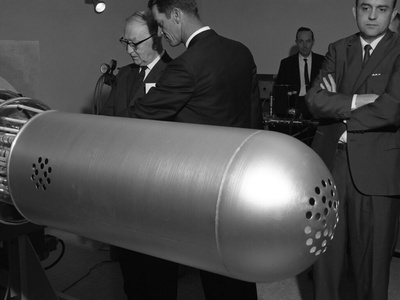
John Cockcroft
Shared the prize for pioneering the artificial transmutation of atomic nuclei using accelerated particles; his joint work experimentally verified theories of nuclear reactions and opened new paths in nuclear physics and particle research.
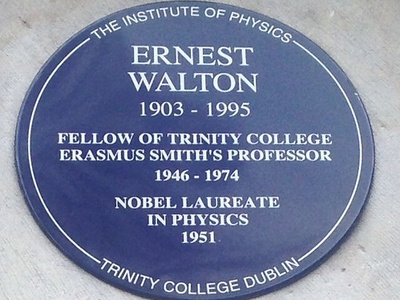
Ernest Walton
Honored alongside Cockcroft for successfully splitting atomic nuclei with accelerated particles; their experimental transmutation provided key empirical support for nuclear theory and advanced accelerator-based research.
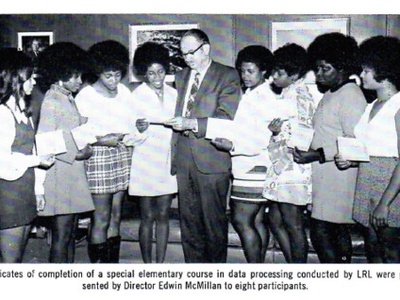
Edwin McMillan
Shared the prize for discoveries in the chemistry of transuranium elements, including identification and characterization of new heavy elements, which expanded the periodic table and deepened knowledge of nuclear chemistry.
Glenn T. Seaborg
Awarded jointly for discoveries of transuranium elements and their chemistry; his work reorganized the periodic table and established methods for producing and studying heavy synthetic elements.
Max Theiler
Recognized for developing a vaccine against yellow fever, saving countless lives; his attenuation and vaccine work provided a practical, widely used prevention method against a deadly mosquito‑borne disease.
Pär Lagerkvist
Awarded for powerful, often existential prose and poetry that confronts human fears and moral questions with intensity and artistic independence, influencing 20th‑century Scandinavian literature.
Léon Jouhaux
Honored for lifelong leadership of the trade union movement and advocacy for workers’ rights and social justice; his efforts contributed to labor reforms and international labor cooperation after two world wars.
Felix Bloch
Shared the prize for developing nuclear magnetic resonance methods for studying nuclei in solids and liquids; his techniques became foundational in physics and later in medical imaging and spectroscopy.
Edward M. Purcell
Awarded jointly for independent development of nuclear magnetic resonance methods, opening precision studies of atomic nuclei that revolutionized experimental physics and later enabled MRI technologies.
Archer J. P. Martin
Honored with Richard Synge for inventing partition chromatography, a technique that allowed efficient separation and analysis of complex mixtures, greatly advancing biochemical and analytical chemistry.
Richard L. M. Synge
Shared the prize for developing partition chromatography; this practical separation method transformed biochemical analysis, enabling isolation and study of peptides, amino acids and many natural products.
Selman A. Waksman
Awarded for discovering streptomycin and other antibiotics from soil microorganisms; his contributions launched the antibiotic era and had enormous impact on treating infectious diseases, including tuberculosis.
François Mauriac
Honored for deeply spiritual and moral novels and essays that explore conscience and human conflict; his literary craftsmanship and moral seriousness made him a leading figure in French letters.
Albert Schweitzer
Awarded for his philosophy of “Reverence for Life” manifested in medical missionary work in Africa; his humanitarianism, medical service and ethical writings had wide global influence on humanitarian thought and practice.
Frits Zernike
Awarded for inventing the phase-contrast microscope, which allowed clear observation of living transparent cells without staining; this breakthrough transformed biological and medical microscopy.
Hermann Staudinger
Honored for establishing the concept of macromolecules and pioneering polymer chemistry; his insights into high molecular weight compounds laid the foundation for modern plastics and biopolymers.
Hans A. Krebs
Awarded for elucidating the citric acid cycle (Krebs cycle), a central metabolic pathway; his discovery clarified how cells convert nutrients into energy and shaped modern biochemistry and physiology.
Fritz A. Lipmann
Recognized for discovering coenzyme A and its role in intermediary metabolism, revealing key mechanisms of energy transfer and biosynthesis in cells and greatly advancing metabolic biochemistry.
Winston Churchill
Honored for mastery of historical and biographical writing and for oratory; his literary works and speeches combined historical insight with rhetorical skill, influencing public life and historical understanding.
George C. Marshall
Awarded for the European Recovery Program (“Marshall Plan”) that rebuilt postwar Europe economically and politically; his leadership in reconstructing stability was seen as a major contribution to peace and cooperation.
Max Born
Awarded for fundamental research in quantum mechanics, notably the statistical interpretation of the wavefunction; his theoretical work shaped modern quantum theory and its philosophical foundations.
Walther Bothe
Honored for developing the coincidence method and important experimental techniques in nuclear and particle physics; his work improved detection methods and experimental precision in radiation studies.
Linus Pauling
Recognized for research into the nature of the chemical bond and its application to the structure of complex substances; his work clarified molecular structure and chemical reactivity across chemistry and biology.
John F. Enders
Shared the prize for growing poliomyelitis virus in non‑nerve tissue, enabling vaccine development and virology research; this method was pivotal for controlling poliomyelitis and advancing virus biology.
Thomas H. Weller
Awarded jointly for cultivating poliovirus in tissue cultures, a breakthrough enabling vaccine research, viral propagation studies and progress in preventing paralytic polio.
Frederick C. Robbins
Honored with Enders and Weller for tissue‑culture techniques allowing poliovirus growth; their work paved the way for polio vaccines and modern virology methods.
Ernest Hemingway
Awarded for mastery of the art of narrative, particularly for his novel work with powerful style and influence on contemporary fiction; his terse prose and themes of human dignity left lasting literary impact.
Office of the United Nations High Commissioner for Refugees (UNHCR)
Awarded to the UN agency for outstanding work assisting and protecting refugees after World War II; recognition highlighted coordinated international humanitarian response and efforts to relieve refugee suffering globally.
Willis E. Lamb
Awarded jointly with Polykarp Kusch for discoveries concerning the fine structure of the hydrogen atom; his precision experiments tested quantum electrodynamics and deepened understanding of atomic structure.
Polykarp Kusch
Honored for precise measurements of the electron’s magnetic moment, providing critical tests of quantum theory and contributing to the high‑precision experimental foundations of particle physics.
Vincent du Vigneaud
Recognized for work on sulfur‑containing compounds and for the first synthesis of a polypeptide hormone (oxytocin); his chemical syntheses advanced peptide chemistry and biochemical understanding of hormones.
Hugo Theorell
Awarded for research on oxidation enzymes and their roles in biological oxidation processes; his enzymology work improved knowledge of metabolic pathways and enzyme mechanism.
Halldór Laxness
Honored for vivid prose depicting Icelandic life, fusing social commitment with poetic narrative; his novels brought Icelandic literature to international attention and explored modern human dilemmas.
William Shockley
Shared the prize for co‑inventing the transistor; his work on semiconductor devices revolutionized electronics, enabling the modern age of computers and communication technologies.
John Bardeen
Awarded jointly for invention of the transistor and contributions to solid‑state physics; his breakthroughs underpinned modern electronics and later superconductivity research.
Walter H. Brattain
Honored as co‑inventor of the transistor which transformed electronics, communications, and computing by providing controllable solid‑state amplification and switching.
Nikolay N. Semenov
Shared the prize for work on the mechanism of chemical chain reactions; his theoretical and experimental studies clarified reaction kinetics with wide implications for physical chemistry and industry.
Sir Cyril N. Hinshelwood
Awarded jointly for research into the mechanisms of chemical reactions, especially chain reactions; his findings advanced physical chemistry and our understanding of reaction dynamics.
André F. Cournand
Shared the prize for pioneering cardiac catheterization techniques, enabling direct study of the heart and lungs in patients and transforming clinical cardiology and diagnostics.
Werner Forssmann
Honored for demonstrating self‑catheterization of the heart, a bold clinical experiment that opened the field of cardiac catheterization and modern interventional cardiology.
Dickinson W. Richards
Awarded for developing techniques of cardiac catheterization and applying them to understand heart disease; his clinical research advanced cardiovascular diagnosis and therapy.
Juan Ramón Jiménez
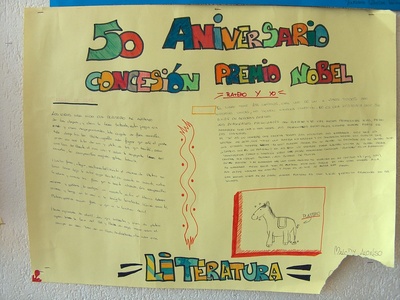
Awarded for lyrical poetry marked by pure, elegant language and spiritual depth; his poetic voice influenced Spanish literature and conveyed a profound search for beauty and truth.
Chen Ning Yang
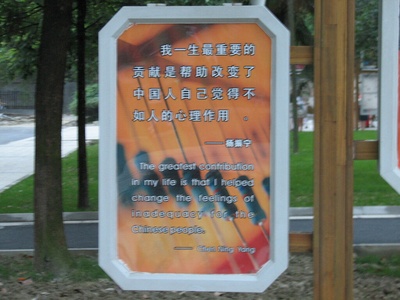
Shared the prize with T. D. Lee for theoretical work showing parity symmetry need not hold in weak interactions; their proposal and subsequent experiments reshaped fundamental particle physics.
Tsung-Dao Lee
Honored for demonstrating that parity conservation is not universal in weak forces; this revolutionary insight changed particle physics and spurred decisive experimental tests.
Alexander R. Todd
Awarded for work on the structure and synthesis of nucleotides, nucleosides and nucleic acids; his chemistry clarified the building blocks of DNA and RNA and aided molecular biology’s development.
Daniel Bovet
Recognized for discoveries on synthetic compounds that inhibit body substances like histamine, leading to antihistamines and drugs affecting the nervous system and advancing therapeutic pharmacology.
Albert Camus
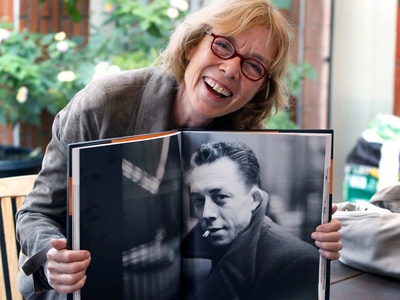
Awarded for illuminating writings that probe moral questions and human conscience with lucid style; his novels and essays combined philosophical insight with literary clarity and influenced postwar thought.
Lester B. Pearson
Honored for organizing the UN peacekeeping force that eased the 1956 Suez Crisis and for efforts to defuse international conflicts; his diplomacy advanced multilateral conflict resolution and peacekeeping as tools of diplomacy.
Pavel A. Cherenkov
Shared the prize for discovering Cherenkov radiation and explaining its theoretical basis with colleagues; the effect became fundamental in particle detection and experimental physics.
Ilya M. Frank
Awarded jointly for theoretical interpretation of Cherenkov radiation and for developing methods to use the effect in particle and nuclear physics experiments.
Igor Y. Tamm
Honored for theoretical explanation of Cherenkov radiation and contributions to particle physics theory; his work helped turn the effect into a practical tool for high‑energy experiments.
Frederick Sanger
Awarded for developing methods to determine the amino‑acid sequence of proteins, notably insulin; his sequencing techniques laid foundations for molecular biology and later nucleic‑acid sequencing.
George W. Beadle
Shared the prize for showing that genes control biochemical reactions, advancing the “one gene–one enzyme” concept and linking genetics to metabolism and molecular biology.
Edward L. Tatum
Recognized for work demonstrating genes’ role in regulating biochemical processes, a key discovery that connected genetics and enzymology and helped launch molecular genetics.
Joshua Lederberg
Awarded for discoveries concerning genetic recombination and the genetic structure of bacteria, opening bacterial genetics and influencing molecular biology and microbial genetics research.
Boris Pasternak
Honored for poetic and novelistic achievements that explored moral and philosophical themes; his award and its aftermath highlighted tensions between literary freedom and state power in the USSR.
Georges Pire
Awarded for humanitarian work aiding refugees and promoting understanding between peoples; his personal commitment to refugee relief and reconciliation exemplified postwar humanitarian efforts in Europe.
Emilio Segrè
Shared the prize for discovering the antiproton, an antiparticle of the proton, experimentally confirming predictions of particle physics and deepening knowledge of antimatter.
Owen Chamberlain
Awarded jointly for experimental discovery of the antiproton; this finding was a milestone in particle physics and validated theoretical expectations about antimatter.
Jaroslav Heyrovský
Honored for inventing and developing polarography, an electrochemical method for analyzing solutions; his technique became a valuable tool in analytical chemistry and industrial applications.
Severo Ochoa
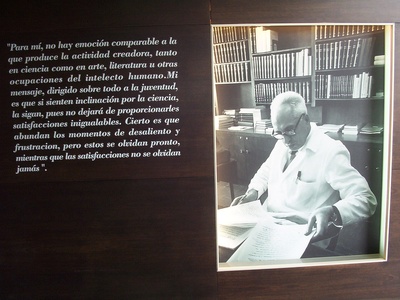
Shared the prize with Arthur Kornberg for discoveries on enzymatic synthesis of RNA (Ochoa) and DNA (Kornberg); these findings illuminated fundamental mechanisms of genetic information replication.
Arthur Kornberg
Awarded for isolating and characterizing DNA polymerase and elucidating enzymatic DNA synthesis; his work was central to understanding replication and pioneered molecular genetics.
Salvatore Quasimodo
Awarded for poetry of lyrical intensity and classical restraint that captures modern experience and fate; his verse balanced personal emotion with broader social and philosophical themes.
Philip Noel-Baker
Honored for long contributions to disarmament, international cooperation and peace advocacy, including work at the League of Nations and United Nations; his efforts promoted arms control and international dialogue.