New Zealand’s scientific and cultural footprint often feels larger than its map. From university labs to inventive industry, the country has produced work that reshaped fields worldwide and still inspires researchers at home.
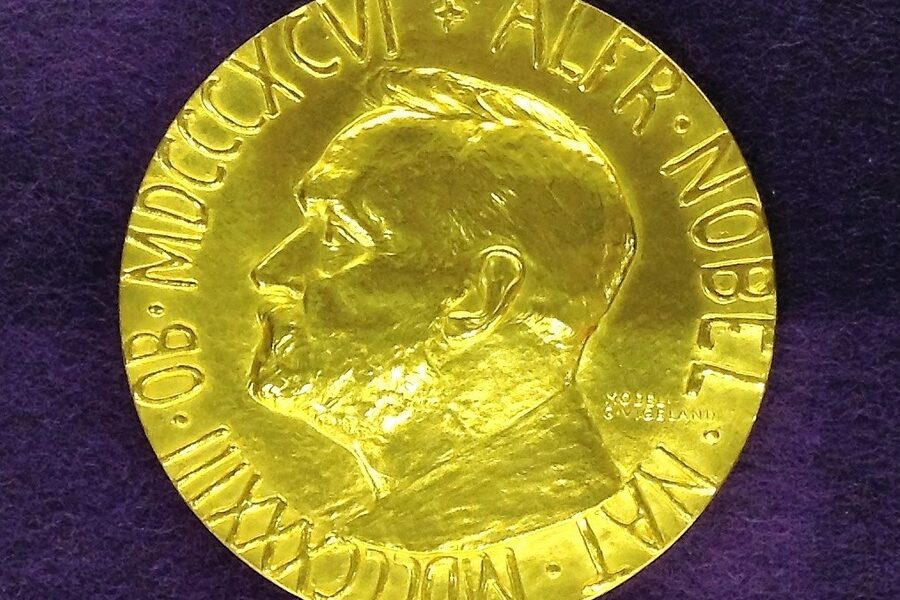
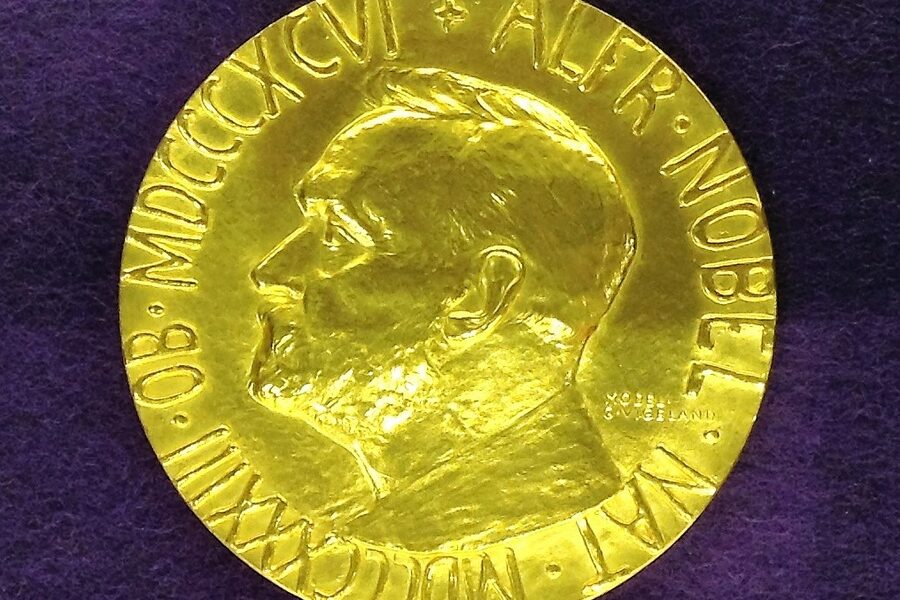
There are 3 New Zealand’s Nobel Prize Winners, ranging from Alan MacDiarmid to Maurice Wilkins. For each laureate, you’ll find below a concise entry organized by Year (YYYY),Prize,Birthplace so you can quickly scan dates, award categories and origins — see the full list you’ll find below.
Who were New Zealand’s Nobel Prize winners and what did they win?
The three are Ernest Rutherford (1908, Nobel Prize in Chemistry; born Brightwater), Maurice Wilkins (1962, Nobel Prize in Physiology or Medicine; born Pongaroa) and Alan MacDiarmid (2000, Nobel Prize in Chemistry; born Masterton). Each entry below shows the year, the prize category and birthplace to make comparisons easy.
How have these laureates influenced science in New Zealand?
Their discoveries boosted global science—Rutherford’s work founded nuclear chemistry, Wilkins contributed to understanding DNA structure, and MacDiarmid advanced conductive polymers—while raising the profile of New Zealand research, encouraging local investment in science and inspiring generations of scientists you’ll find below.
New Zealand’s Nobel Prize Winners
| Name | Year (YYYY) | Prize | Birthplace |
|---|---|---|---|
| Ernest Rutherford | 1908 | Chemistry | Brightwater, New Zealand |
| Maurice Wilkins | 1962 | Medicine | Pongaroa, New Zealand |
| Alan MacDiarmid | 2000 | Chemistry | Masterton, New Zealand |
Images and Descriptions

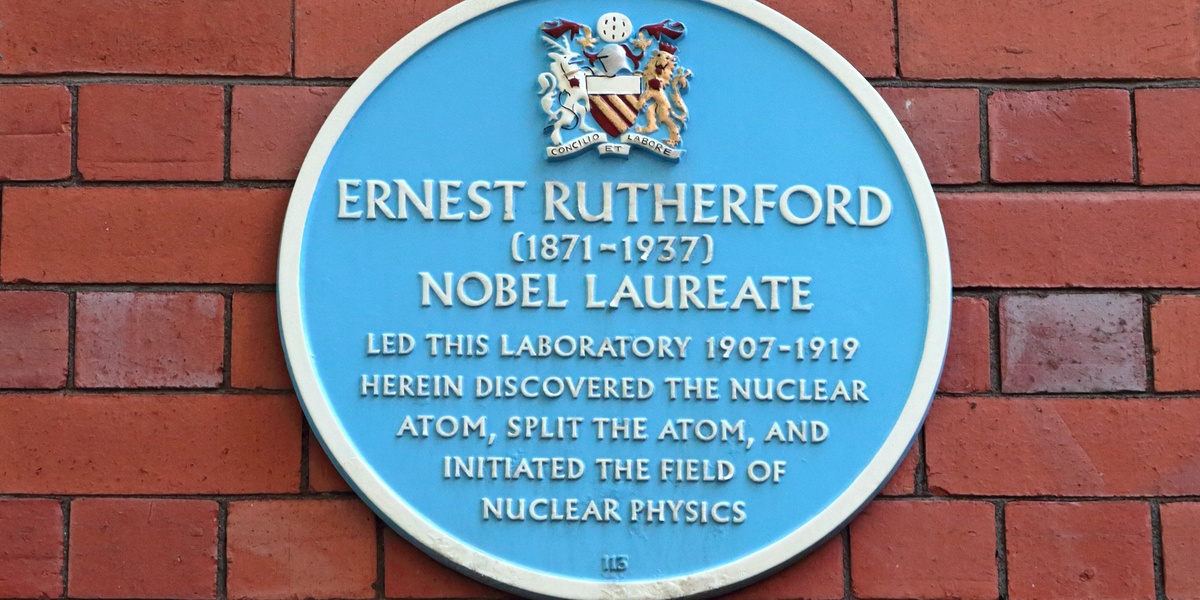
Ernest Rutherford
Pioneering physicist and chemist who received the 1908 Nobel Prize in Chemistry for investigations into the disintegration of the elements and the chemistry of radioactive substances; born in Brightwater, educated and began scientific career in New Zealand before moving to Britain.
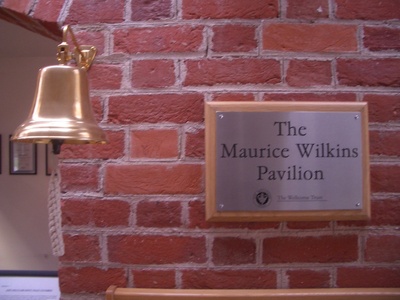
Maurice Wilkins
Biophysicist awarded the 1962 Nobel Prize in Physiology or Medicine for contributions to the discovery of DNA’s double helix structure; born in Pongaroa and educated partly in New Zealand before a research career in Britain.
Alan MacDiarmid
Chemist who shared the 2000 Nobel Prize in Chemistry for the discovery and development of conductive polymers; born in Masterton, he maintained strong New Zealand ties despite much of his career being in the United States.