Colorado’s landscape — from alpine peaks and river valleys to high plains — supports a diverse mix of minerals, timber, water and energy resources that shape communities and industries across the state. Understanding what’s here helps explain local economies, land use and conservation priorities.
There are 25 Natural Resources in Colorado, ranging from Bentonite (clay) to Zinc. For each resource I list Category,Primary locations (counties/regions),Production or reserves (units); you’ll find those details below.
How are Colorado’s natural resources typically used and managed?
Uses vary by resource: minerals feed manufacturing and construction, groundwater and surface water support agriculture and cities, forests provide timber and habitat, and energy resources power homes and industry. Management depends on ownership, regulation and conservation priorities at state and county levels, so local planning and permitting shape how each resource is extracted or conserved.
Where can I verify the production or reserve numbers for a specific resource?
For current figures consult sources like the U.S. Geological Survey, Colorado Geological Survey and relevant state agencies or industry reports; the table below gives summarized values (units shown) but those agencies provide the latest, detailed datasets.
Natural Resources in Colorado
| Name | Category | Primary locations (counties/regions) | Production or reserves (units) |
|---|---|---|---|
| Natural gas | Energy | Denver-Julesburg Basin (Weld, Adams, Morgan), Piceance Basin (Garfield, Rio Blanco), northern basins (Routt) | 7,000,000,000 m3 (approx. annual) |
| Crude oil | Energy | Denver-Julesburg Basin (Weld, Adams, Morgan), Niobrara and Wattenberg formations | 6,000,000 m3 (approx. annual) |
| Coal | Energy | Northwest (Moffat, Rio Blanco, Routt, Garfield), parts of Gunnison and Eagle regions | 3,000,000 t (annual, recent years) |
| Oil shale (kerogen) | Energy (unconventional) | Piceance Basin (Rio Blanco, Garfield) | 47,700,000,000 m3 (estimated in-place shale oil) |
| Uranium | Energy/Metallic mineral | Uravan mineral belt (Montrose, Mesa, San Miguel), Dolores region | 10,000 t U (estimated remaining resources) |
| Gold | Metallic mineral | Cripple Creek (Teller), Central City/Black Hawk (Gilpin, Clear Creek), Summit, Park | 1.00 t (approx. annual) |
| Molybdenum | Metallic mineral | Climax/Leadville area (Lake), Summit county | 8,000 t (annual Mo concentrate, approx.) |
| Silver | Metallic mineral | Leadville (Lake), San Juan Mountains (San Juan, Hinsdale), Central City | 50.00 t (approx. annual) |
| Copper | Metallic mineral | San Juan Mountains, Summit, Lake, Eagle regions | 10,000 t (approx. annual) |
| Lead | Metallic mineral | Leadville (Lake), Clear Creek, San Juan region | 5,000 t (approx. annual) |
| Zinc | Metallic mineral | San Juan Mountains, Clear Creek region | 6,000 t (approx. annual) |
| Vanadium | Metallic mineral | Uravan mineral belt (Montrose, Mesa), western Colorado | 500 t (approx. annual) |
| Sand and gravel (aggregates) | Industrial mineral | Front Range urban corridor (Denver, Adams, Weld), northeast and mountain valleys | 40,000,000 t (annual crushed stone, sand and gravel) |
| Limestone and dolomite | Industrial mineral | Pueblo, Jefferson, Clear Creek, Las Animas, northern Front Range | 10,000,000 t (annual) |
| Gypsum | Industrial mineral | Southeastern and south-central basins (Saguache, Las Animas regions) | 200,000 t (annual, approx.) |
| Bentonite (clay) | Industrial mineral | Northwest and northeastern plains (Rio Blanco, Weld) | 50,000 t (annual) |
| Yule Marble (dimension stone) | Industrial mineral/stone | Gunnison County (Yule Creek, Marble) | 500,000 t (quarry reserves, approximate) |
| Rock salt (halite) | Industrial mineral | Denver Basin and eastern-southeast basins (various) | 500,000 t (annual, approx.) |
| Surface freshwater runoff | Water | Statewide river basins (Colorado, Arkansas, Rio Grande, Platte) | 22,000,000,000 m3 (approx. annual natural runoff) |
| Ogallala Aquifer (groundwater) | Water | Eastern plains (Yuma, Kit Carson, Phillips, Weld region) | 50,000,000,000 m3 (approx. usable in-state portion) |
| Forest timber (commercial forestland) | Forest | Western slope and mountain ranges (White River, San Juan, Pike, Arapaho-Roosevelt NFs) | 4,000,000 ha (forest/timberland area, approx.) |
| Irrigated agricultural soils | Soil/agriculture | South Platte, Arkansas, Rio Grande valleys, San Luis Valley | 1,500,000 ha (irrigated farmland, approx.) |
| Elk (resource-bearing wildlife) | Wildlife | Statewide, concentrated in Western Slope and mountain ranges | 285,000 individuals (estimated population) |
| Mule deer (resource-bearing wildlife) | Wildlife | Statewide, especially West Slope and plains foothills | 400,000 individuals (estimated population) |
| Trout (wild cold-water fisheries) | Wildlife | Mountain streams and high-elevation lakes (Blue River, Roaring Fork, Arkansas, Gunnison basins) | ~23,000 km (approx. trout-supporting stream length) |
Images and Descriptions
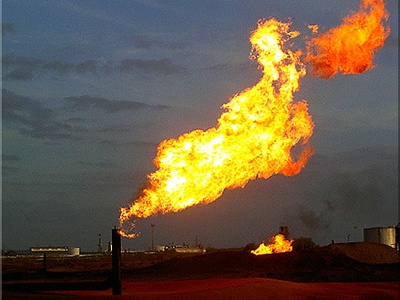
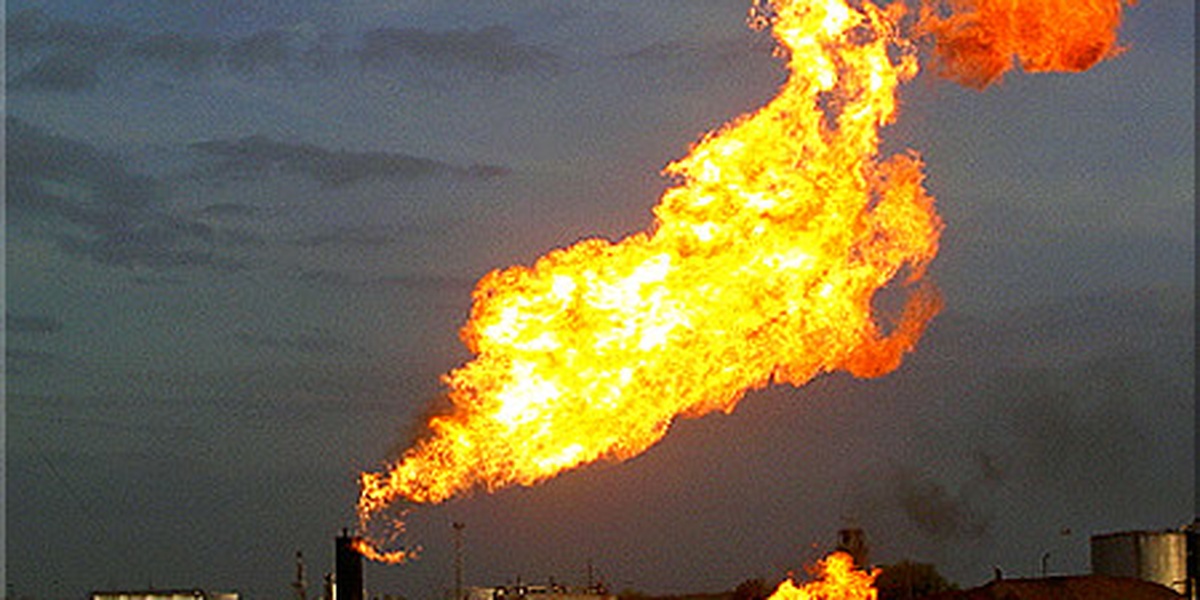
Natural gas
Commercially produced from tight and conventional formations; used for heating, electricity and petrochemicals. Major basins drive Colorado’s energy economy and pipeline exports, with both conventional and shale production important for local industry and jobs.
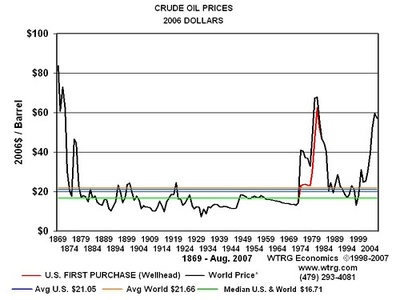
Crude oil
Light crude from the DJ and Niobrara plays fuels refineries and petrochemical feedstocks. Oil wells and pads are concentrated on the northeast plains and have grown with horizontal drilling and hydraulic fracturing.

Coal
Bituminous and subbituminous coal mined for power generation and industry; historically important but declining with plant retirements. Western Colorado mines supply regional power plants and export markets.
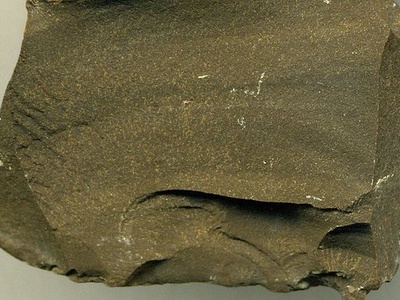
Oil shale (kerogen)
Large in-place oil shale (Green River Formation) resources could yield shale oil if commercial extraction becomes viable; significant potential but high technical, economic, and environmental challenge.
Uranium
Uranium occurs in sandstone and roll-front deposits; historically mined for nuclear fuel. Small-scale production and exploration persist, with environmental remediation of past mines a concern.
Gold
Historic and active gold production from hard-rock and oxide deposits; used for jewelry, investment and industry. Colorado’s gold mining heritage remains economically and culturally significant.
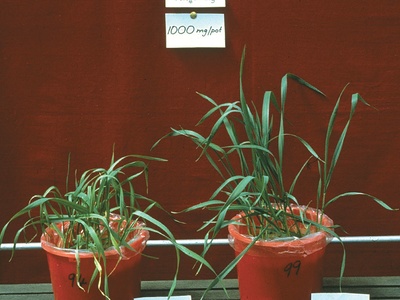
Molybdenum
Molybdenum (molybdenite) used in steel alloys and catalysts. Colorado hosts world-class deposits; large mines supply global markets and are important local employers.

Silver
Often produced as a byproduct of gold, lead and copper mining. Silver is used in electronics, photography, and jewelry; Colorado has a strong historical silver-mining legacy.
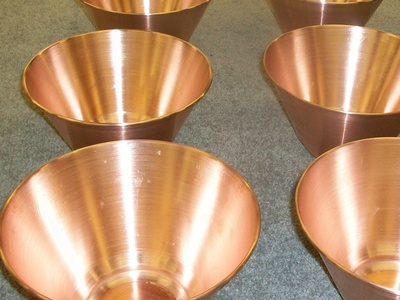
Copper
Copper from porphyry and volcanogenic deposits is used for electrical wiring and industrial applications. Colorado’s copper production comes from both historical and active mines, often alongside gold and molybdenum.
Lead
Lead was a major historic metal in Colorado, now mainly a byproduct of polymetallic mining. Used in batteries and industrial applications; legacy mining requires environmental management.
Zinc
Zinc occurs with lead and silver in Colorado deposits and is used for galvanizing steel and alloys. Production is often tied to polymetallic mining operations.
Vanadium
Vanadium occurs with uranium and other metals; used in steel alloys and batteries. Colorado deposits have been mined intermittently and can be a secondary commodity.
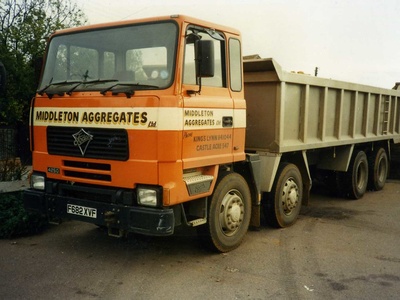
Sand and gravel (aggregates)
Essential for construction (concrete, roads, fill). Aggregate mining near population centers supplies local building markets and infrastructure projects across the state.
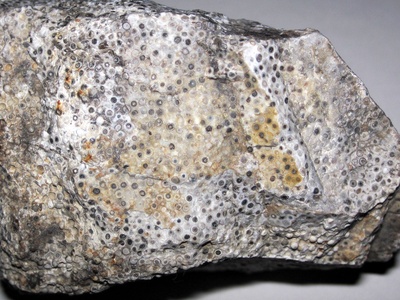
Limestone and dolomite
Quarried for cement, lime and aggregate; key to construction and industry. Colorado’s carbonate deposits underlie major cement plants and agricultural lime producers.
Gypsum
Soft sulfate mineral used in drywall and cement. Local deposits supply regional manufacturing and construction materials markets.
Bentonite (clay)
Absorbent clay used for drilling muds, cat litter, foundry sands and sealing applications. Bentonite mining supports oilfield and industrial uses in Colorado.
Yule Marble (dimension stone)
High-quality crystalline marble quarried near Marble for monuments and architecture. Noted for brightness and historic use (Lincoln Memorial columns quarried nearby states, Colorado marble prized).
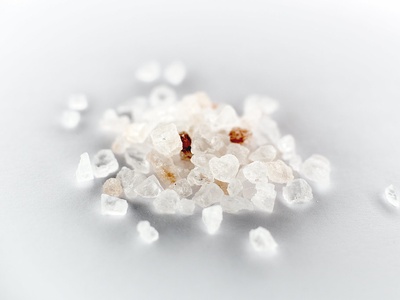
Rock salt (halite)
Halite mined for deicing, chemical feedstock and water treatment. Salt operations supply municipal and industrial markets, especially near populated Front Range areas.
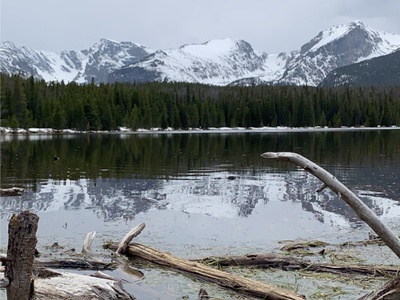
Surface freshwater runoff
Colorado’s rivers originate in the mountains and provide irrigation, municipal water, hydropower and interstate deliveries. Snowpack-driven runoff is the state’s most critical renewable water resource.
Ogallala Aquifer (groundwater)
Major groundwater resource supporting irrigation on the eastern plains. Vital for agriculture but experiencing long-term depletion and sustainability concerns from heavy pumping.
Forest timber (commercial forestland)
Conifer forests supply timber, biomass, recreation and ecosystem services. National forests and private timberlands are important for wood products, wildlife habitat, and watershed protection.
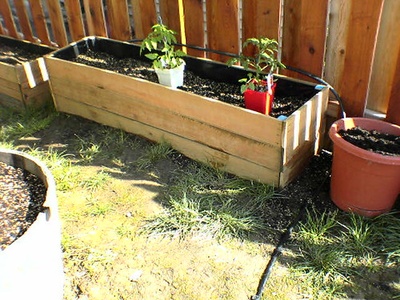
Irrigated agricultural soils
Productive irrigated soils support Colorado’s major crops (corn, wheat, potatoes, hay). Water rights and irrigation infrastructure determine agricultural output and economic value.
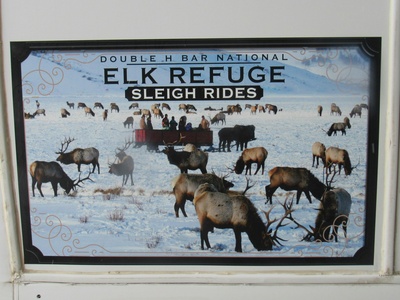
Elk (resource-bearing wildlife)
A valued game species supporting hunting, tourism, and wildlife viewing. Elk influence ecosystem dynamics and are managed for herd health, harvest quotas, and habitat conservation.
Mule deer (resource-bearing wildlife)
Important for hunting and wildlife recreation; mule deer populations drive management actions around habitat, migration corridors, and predator-prey balances.

Trout (wild cold-water fisheries)
Wild and stocked trout (rainbow, brown, cutthroat) support recreational fishing and local economies. Cold, clean mountain waters are critical habitat under climate and water-use pressures.