Freshwater environments thread through landscapes, from backyard ponds to river networks, shaping where people live, farm, and recreate. They host a wide range of plants and animals and influence water supply, flood control, and local climates.
There are 11 Freshwater Biomes, ranging from Freshwater marsh to Stream (headwater). For each entry, information is organized using Flow type,Typical depth (m),Typical locations so you can quickly compare habitat features and distributions—you’ll find below.
How do freshwater biomes differ from marine systems?
Freshwater biomes are defined mainly by low salinity, variable flow regimes and generally shallower depths than marine systems, so species and plant communities are adapted to changing water levels, currents, and nutrient inputs rather than stable saline conditions.
What key factors decide whether a site is classified as a marsh, lake, or stream?
Classification depends on flow (standing versus running water), typical depth, substrate and vegetation: marshes are shallow and plant-dominated, lakes are deeper and stratified, and streams have noticeable current and channel form; climate and human alterations also shift categories.
Freshwater Biomes
| Name | Flow type | Typical depth (m) | Typical locations |
|---|---|---|---|
| Lake (oligotrophic) | Lentic | 20–300 | Boreal and alpine regions; Lake Superior (USA/Canada), Lake Baikal (Russia) |
| Lake (eutrophic) | Lentic | 1–30 | Temperate and tropical lowlands; Lake Erie (USA/Canada), Lake Okeechobee (USA) |
| Pond | Lentic | 0.5–5 | Widespread in human and natural landscapes; Midwestern U.S. farm ponds, village ponds in Europe |
| Reservoir | Lentic (often mixed) | 5–100 | Global in river valleys; Lake Mead (USA), Three Gorges Reservoir (China) |
| River | Lotic | 1–50 | Worldwide along drainage networks; Amazon River (South America), Mississippi River (USA) |
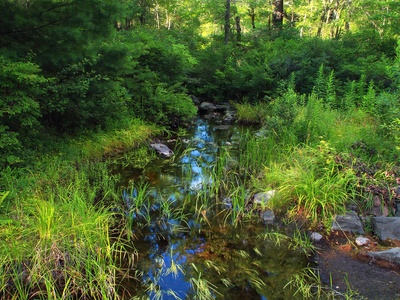
| Stream (headwater) | Lotic | 0.05–2 | Upland and forested regions; Appalachian headwaters (USA), chalk streams like the River Test (England) |
| Oxbow lake | Lentic | 1–10 | River floodplains worldwide; Lake Chicot (Arkansas, USA), oxbows in the Amazon floodplain (Brazil) |
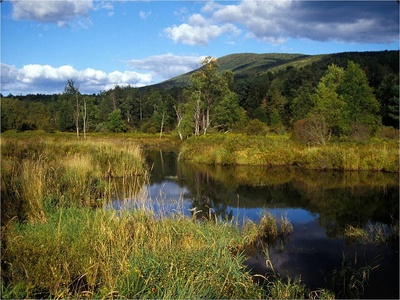
| Freshwater marsh | Mixed | 0.1–2 | Temperate and tropical lowlands; Everglades (Florida, USA), Okavango Delta (Botswana) |
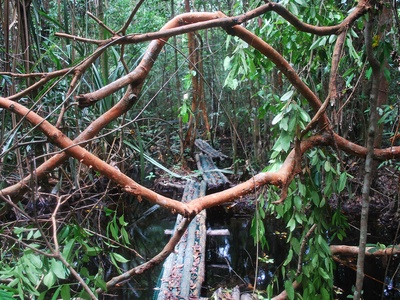
| Freshwater swamp | Mixed | 0.5–3 | Tropical and temperate floodplains; Okefenokee Swamp (USA), Pantanal (Brazil) |
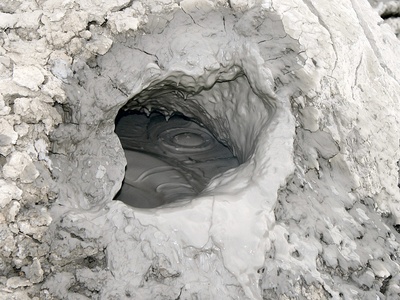
| Spring and seep systems | Mixed (source-fed) | 0.1–10 | Karst and aquifer discharge zones; Ichetucknee Springs (Florida, USA), Te Waihou/Blue Spring (New Zealand) |
| Prairie pothole | Lentic (seasonal) | 0.1–2 | Northern prairies of North America; Prairie Pothole Region (U.S. Midwest & Canada) |
Images and Descriptions
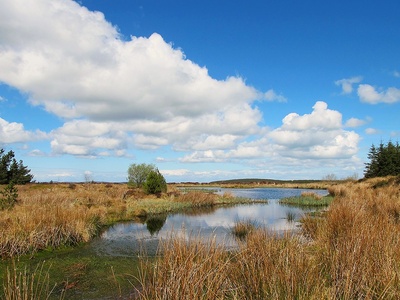
Lake (oligotrophic)
Deep, clear lakes with low nutrients and high oxygen; support cold-water fish like trout and distinct plankton. Vulnerable to nutrient runoff, invasive species, and climate-driven changes in stratification that affect habitat and oxygen levels.
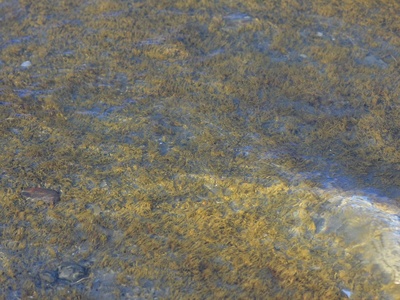
Lake (eutrophic)
Shallow, nutrient-rich lakes with abundant plants and algae; host warm-water fish (bass, carp), amphibians, and dense phytoplankton. Prone to algal blooms, oxygen loss, invasive species, and pollution from agriculture and urban runoff.
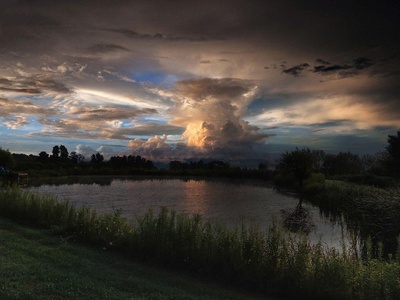
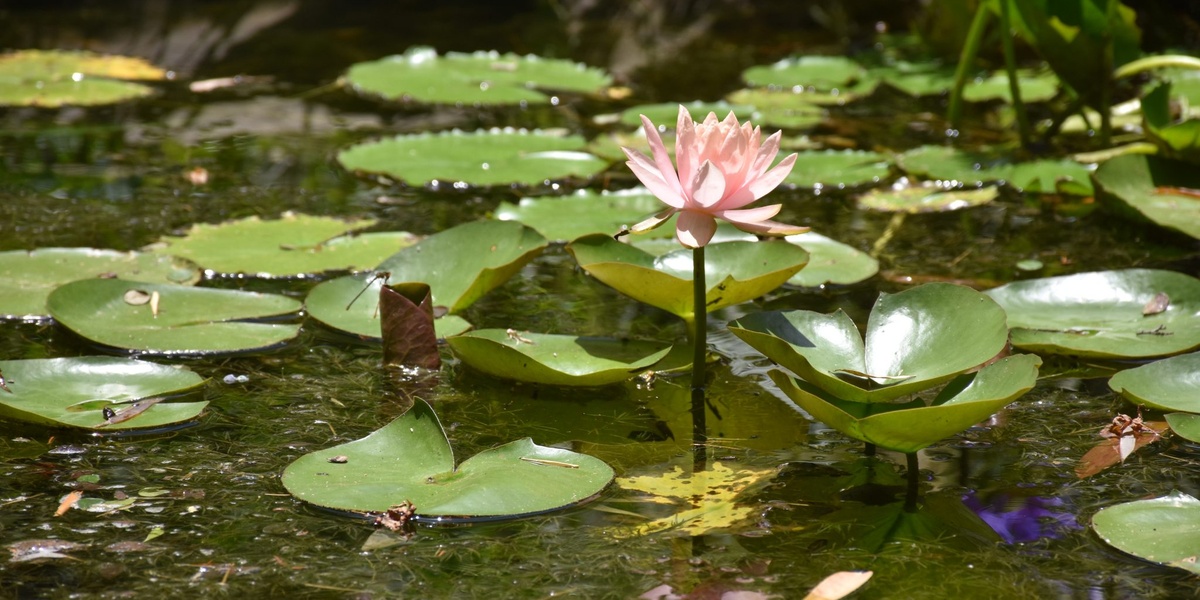
Pond
Small, shallow lentic waters rich in plants and invertebrates that support frogs, dragonflies, and small fish. Ponds are important breeding sites but face draining, nutrient runoff, and invasive plants that can alter habitat and productivity.

Reservoir
Human-made lakes behind dams used for water supply, power, and recreation. Habitats vary from river-like inflow zones to deep stratified areas; impacted by altered flows, sediment trapping, water-quality issues, and changes to fish migration.
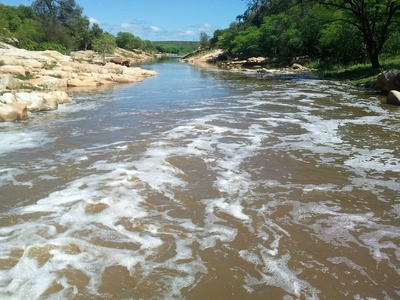
River
Flowing freshwater corridors that transport water, sediment, and nutrients; support migratory fish (salmon, catfish), invertebrates, and riparian plants. Threats include damming, pollution, channelization, and flow alteration that fragment ecosystems and reduce biodiversity.
Stream (headwater)
Small, often shaded streams with cold, oxygen-rich water supporting trout, aquatic insects, and leaf-litter food webs. Highly sensitive to logging, urban runoff, and warming that reduce oxygen and insect communities vital downstream.
Oxbow lake
Cut-off river meanders that form still-water ponds or lakes hosting fish, amphibians, and wetland plants. Serve as wildlife refuges during floods but suffer sedimentation, invasive plants, and drainage or conversion for agriculture.
Freshwater marsh
Shallow, herb-dominated wetlands with emergent plants like cattails and sedges; vital for waterfowl, fish nurseries, and nutrient filtering. Threats include draining, invasive reeds, pollution, and conversion for development or farming.
Freshwater swamp
Wooded wetlands with standing or slow-moving water dominated by trees and shrubs (cypress, alder); support birds, amphibians, and rich soils. Vulnerable to drainage, logging, altered flooding regimes, and pollution that degrade habitat.
Spring and seep systems
Groundwater-fed springs and seeps produce stable, cool flows and clear pools supporting unique invertebrates, endemic fish, and moss communities. Threats include groundwater extraction, contamination, and land-use change that reduce flow or alter chemistry.
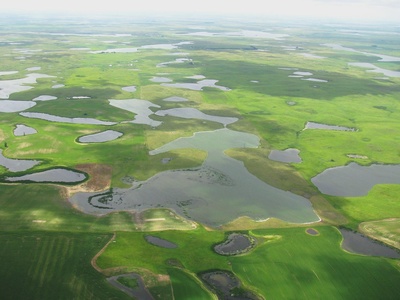
Prairie pothole
Shallow, seasonal to semi-permanent depressional wetlands crucial for breeding waterfowl, amphibians, and aquatic insects. Highly impacted by drainage for agriculture, pesticide runoff, and shifts in precipitation patterns from climate change.