North Macedonia’s mix of alpine peaks, shallow lakes and river plains creates a patchwork of bird habitats, so visitors and local birders regularly spot both residents and migrants across short distances. From reedbeds and oak forests to high-altitude meadows, each zone supports a different seasonal assemblage worth exploring.
There are 60 Birds of North Macedonia, ranging from Barn owl to Yellowhammer. For each entry I list Scientific name,Length (cm),Status (months) so you can see taxonomy, typical size and when each species is present — you’ll find below.
Where are the best places in North Macedonia to see many different bird species?
Lake Ohrid and Lake Prespa are top for waterbirds and migrants, while the Vardar valley and Tikveš plain attract raptors and steppe species; Pelister and Mavrovo national parks are better for forest and alpine specialists. Visit early morning in spring or autumn migration for the most activity, and check local reserve trails for hides and guided walks.
How should I use the Scientific name,Length (cm),Status (months) columns when planning a trip?
Use the Scientific name to confirm identification across guides, Length (cm) to compare size at a glance, and Status (months) to know when a species is resident, breeding or only present during migration—combine that with habitat notes to choose the right site and timing.
Birds of North Macedonia
| Common name | Scientific name | Length (cm) | Status (months) |
|---|---|---|---|
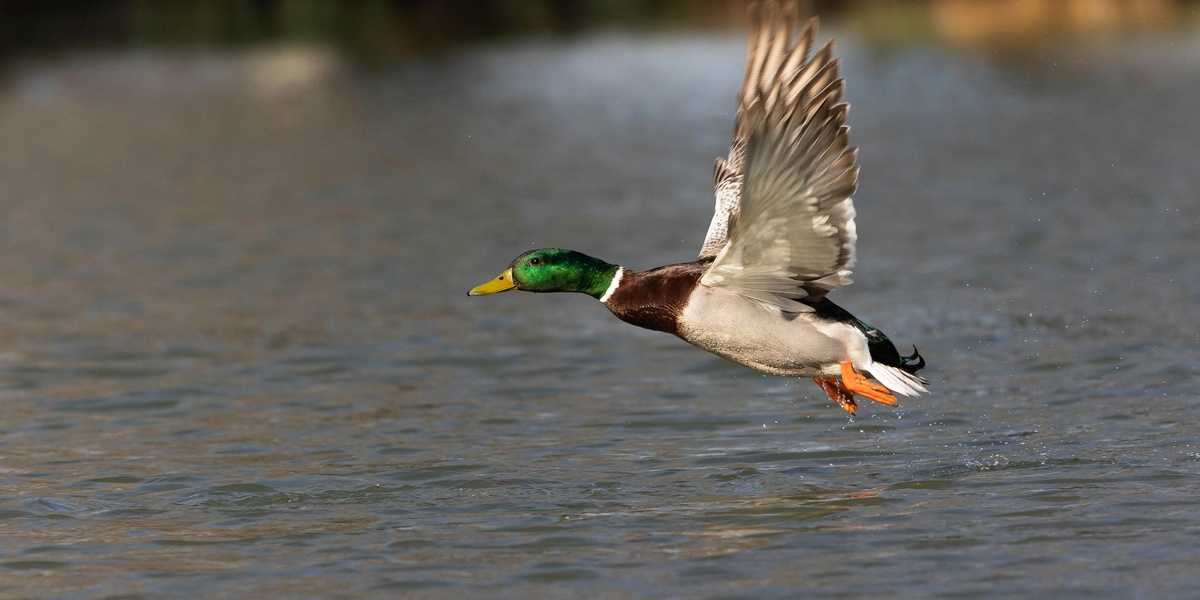
| Mallard | Anas platyrhynchos | 50 | Resident (Jan–Dec) |
| Greylag goose | Anser anser | 80 | Resident (Jan–Dec) |
| Mute swan | Cygnus olor | 150 | Resident (Jan–Dec) |
| Little grebe | Tachybaptus ruficollis | 25 | Resident (Jan–Dec) |
| Great crested grebe | Podiceps cristatus | 56 | Resident (Mar–Nov) |
| Great cormorant | Phalacrocorax carbo | 85 | Resident (Jan–Dec) |
| Grey heron | Ardea cinerea | 95 | Resident (Jan–Dec) |
| Little egret | Egretta garzetta | 65 | Migrant/breeding (Mar–Sep) |
| Little bittern | Ixobrychus minutus | 40 | Passage/breeding (Apr–Sep) |
| Squacco heron | Ardeola ralloides | 55 | Passage (Apr–Sep) |
| Cattle egret | Bubulcus ibis | 50 | Summer visitor (Apr–Sep) |
| Black stork | Ciconia nigra | 95 | Rare breeder/migrant (Mar–Sep) |
| White stork | Ciconia ciconia | 115 | Breeding migrant (Mar–Aug) |
| Common kingfisher | Alcedo atthis | 17 | Resident (Jan–Dec) |
| Little ringed plover | Charadrius dubius | 17 | Breeding migrant (Mar–Aug) |
| Common sandpiper | Actitis hypoleucos | 22 | Passage (Mar–May,Aug–Oct) |
| Ruff | Calidris pugnax | 26 | Passage (Mar–May,Aug–Oct) |
| Common snipe | Gallinago gallinago | 27 | Winter & passage (Sep–Apr) |
| Eurasian curlew | Numenius arquata | 60 | Passage & rare breeder (Mar–May) |
| Black‑winged stilt | Himantopus himantopus | 38 | Breeding migrant (Apr–Aug) |
| Little tern | Sternula albifrons | 22 | Passage & rare breeder (May–Aug) |
| Eurasian coot | Fulica atra | 38 | Resident (Jan–Dec) |
| Common shelduck | Tadorna tadorna | 60 | Passage/winter (Oct–Apr) |
| Common pochard | Aythya ferina | 45 | Winter visitor (Oct–Mar) |
| Tufted duck | Aythya fuligula | 42 | Winter & breeding (Oct–Mar) |
| Ferruginous duck | Aythya nyroca | 44 | Rare breeder & passage (Mar–Oct) |
| Garganey | Spatula querquedula | 42 | Passage (Mar–May,Aug–Oct) |
| Northern shoveler | Spatula clypeata | 48 | Passage & winter (Oct–Mar) |
| Common teal | Anas crecca | 34 | Winter & passage (Oct–Mar) |
| Great spotted woodpecker | Dendrocopos major | 23 | Resident (Jan–Dec) |
| Green woodpecker | Picus viridis | 36 | Resident (Jan–Dec) |
| European bee‑eater | Merops apiaster | 29 | Summer visitor (May–Aug) |
| Hoopoe | Upupa epops | 25 | Breeding migrant (Apr–Sep) |
| Eurasian jay | Garrulus glandarius | 33 | Resident (Jan–Dec) |
| Eurasian magpie | Pica pica | 44 | Resident (Jan–Dec) |
| Hooded crow | Corvus cornix | 48 | Resident (Jan–Dec) |
| Common raven | Corvus corax | 65 | Resident (Jan–Dec) |
| Common buzzard | Buteo buteo | 55 | Resident & migrant (Jan–Dec) |
| Long‑legged buzzard | Buteo rufinus | 60 | Resident & passage (Jan–Dec) |
| Eurasian sparrowhawk | Accipiter nisus | 35 | Resident (Jan–Dec) |
| Peregrine falcon | Falco peregrinus | 40 | Resident & passage (Jan–Dec) |
| Common kestrel | Falco tinnunculus | 34 | Resident (Jan–Dec) |
| Eurasian hobby | Falco subbuteo | 32 | Passage (Apr–Sep) |
| Tawny owl | Strix aluco | 38 | Resident (Jan–Dec) |
| Barn owl | Tyto alba | 34 | Resident (Jan–Dec) |
| Little owl | Athene noctua | 21 | Resident (Jan–Dec) |
| Golden eagle | Aquila chrysaetos | 85 | Rare resident (Jan–Dec) |
| Lesser spotted eagle | Clanga pomarina | 60 | Passage & breeding (Apr–Sep) |
| Short‑toed snake‑eagle | Circaetus gallicus | 60 | Passage & breeding (Apr–Sep) |
| White wagtail | Motacilla alba | 19 | Resident & migrant (Jan–Dec) |
| Grey wagtail | Motacilla cinerea | 22 | Resident & passage (Jan–Dec) |
| Meadow pipit | Anthus pratensis | 15 | Passage & winter (Sep–Apr) |
| Water pipit | Anthus spinoletta | 15 | Winter visitor (Oct–Mar) |
| Chaffinch | Fringilla coelebs | 16 | Resident (Jan–Dec) |
| European serin | Serinus serinus | 12 | Resident (Jan–Dec) |
| Yellowhammer | Emberiza citrinella | 17 | Resident & passage (Jan–Dec) |
| Reed warbler | Acrocephalus scirpaceus | 13 | Breeding migrant (Apr–Sep) |
| Great reed warbler | Acrocephalus arundinaceus | 18 | Breeding migrant (Apr–Sep) |
| Willow warbler | Phylloscopus trochilus | 11 | Passage & breeding (Apr–Sep) |
| Common chiffchaff | Phylloscopus collybita | 11 | Resident & migrant (Jan–Dec) |
Images and Descriptions
Mallard
Widespread pond and lake duck; common in lowland wetlands and reservoirs across North Macedonia year‑round. Look for the glossy green head of the male in spring; adaptable and often the first duck species newcomers notice.
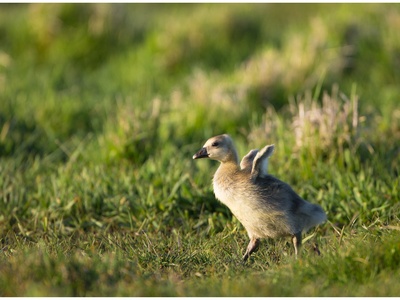
Greylag goose
Large grey goose found on lakes, floodplain marshes and agricultural fields. Often forms noisy flocks; breeds locally and increases in winter. ID by bulky shape, pink bill and pale legs—ancestor of domestic geese and a familiar wetland sight.
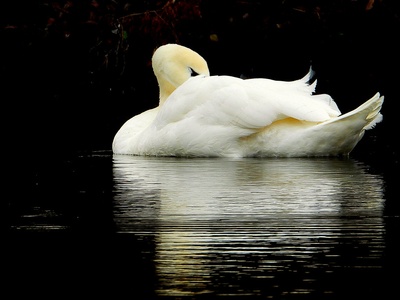
Mute swan
Impressive white swan found on larger lakes and slow rivers, especially in lowlands. Long neck and orange bill with black knob make ID easy. Often seen in family groups; locally sedentary and a showy presence at wetlands.
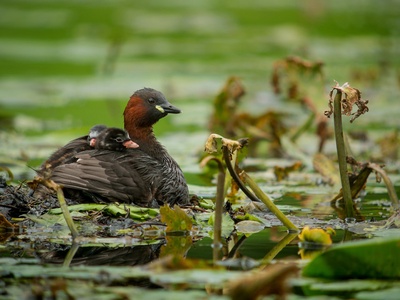
Little grebe
Tiny diving grebe common on small ponds and reed-fringed lakes. Look for the chestnut neck in breeding season and rapid dives. Often skulking but vocal; great species for observing freshwater biodiversity up close.
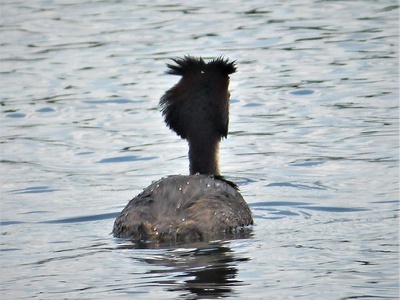
Great crested grebe
Elegant, crested waterbird of larger lakes and reservoirs; performs spectacular courtship displays in spring. Breeding-plumage head crests and ruff are distinctive. Easily seen on Ohrid and Prespa lakes during breeding season.
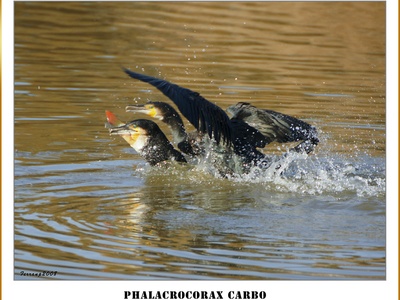
Great cormorant
Large black fish-eating bird seen perched and diving on lakes and rivers. Long neck and hooked bill; often dries wings on rocks or posts. Regular resident at major lakes and river valleys across the country.
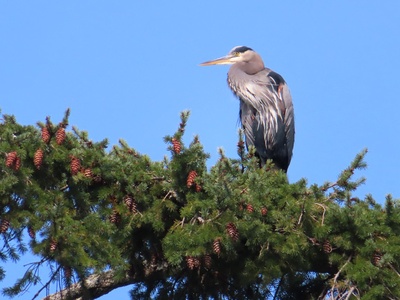
Grey heron
Big, slow-flying heron frequenting rivers, wetlands and marshes. Grey plumage, S-shaped neck and dagger-like bill make it unmistakable. Common year‑round and often seen standing motionless hunting fish and frogs along water margins.
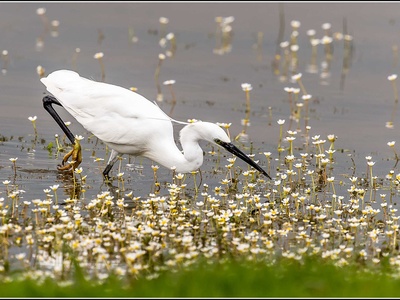
Little egret
Slender white heron increasingly regular around wetlands and lakes in spring and summer. Black bill and black legs with yellow feet in breeding season are good ID tips. Expanding its range; often seen at reedbeds and shallow margins.
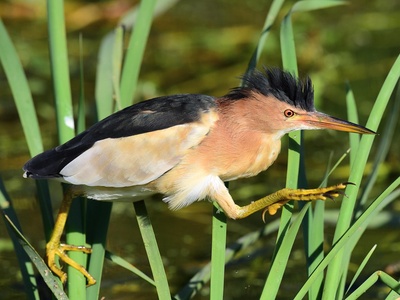
Little bittern
Secretive, small heron of reedbeds and marshes, best detected by its low skulking flight and distinctive mewing calls. Pale underparts and streaked back help ID; breeds locally and is easier to hear than see.
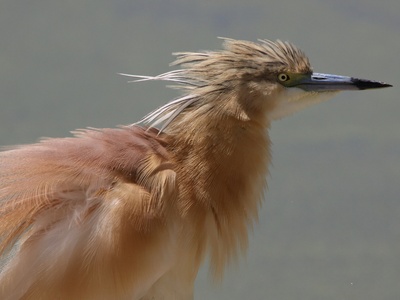
Squacco heron
Warm‑colored small heron that appears at shallow wetlands and flooded fields in migration and summer. Buffy plumage and compact profile are diagnostic. Seen in reedbed edges and seasonal pools during spring and autumn passage.
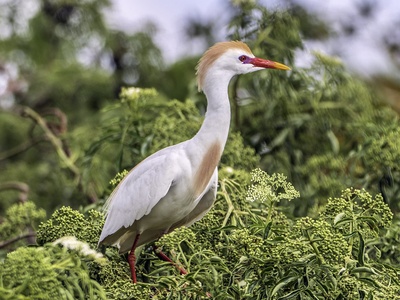
Cattle egret
Stocky white heron often following livestock or tractors in fields and marshy margins. Breeding plumage shows buffy head and back. Increasingly common as a summer visitor and opportunistic feeder across agricultural areas.
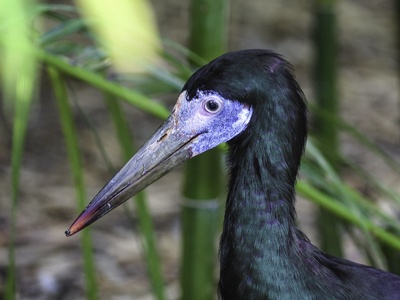
Black stork
Shy, black‑and‑white stork of remote forests and river valleys; less seen than white stork. Flies with outstretched neck and slender profile. Preferred nesting in mature trees makes it a conservation highlight when found.
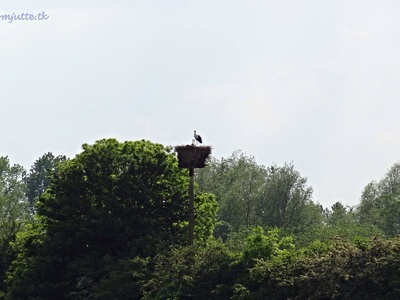
White stork
Familiar large stork nesting on roofs, poles and trees near villages and wetlands. White plumage with black flight feathers and long red bill/legs. Seasonal migrant that breeds locally and is a classic sight in summer fields.
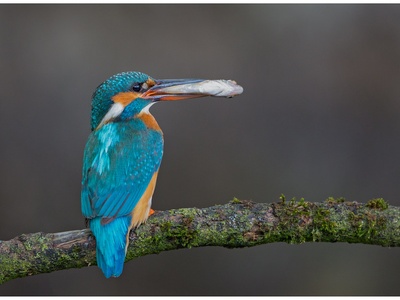
Common kingfisher
Tiny, jewel‑bright bird of clear streams and lakes; bright blue back and orange belly. Perches low over water to dive for fish. A treat to spot along rivers and reservoirs throughout the year if bankside cover is present.
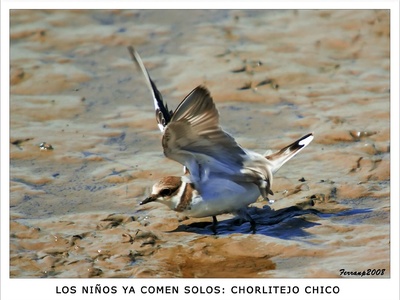
Little ringed plover
Small plover of gravelly shores, riverbanks and lakeshores. White forehead, dark eye‑stripe and a fine bill distinguish it from similar plovers. Arrives in spring to breed on bare shingle margins of reservoirs and rivers.
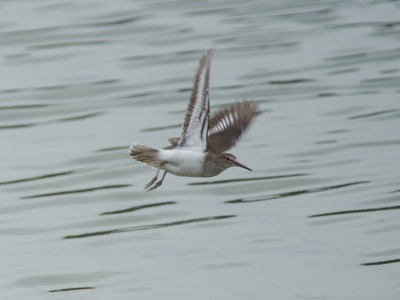
Common sandpiper
Active, bobbing wader on lake and river shores during migration and summer. Brown upperparts and white underparts with characteristic tail‑pumping. Seen on rocky shores and island edges during passage and some local breeding sites.

Ruff
Showy migratory wader with dramatic breeding-plumage males; in non-breeding plumage looks dunnock-like. Frequent on shallow wetlands and flooded meadows in migration. Look for varying plumage and elaborate courtship displays in spring.
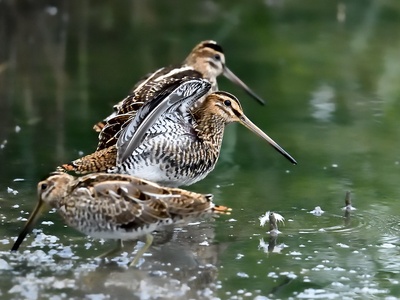
Common snipe
Cryptic, streaked wader of marshes and wet meadows. Long straight bill used for probing soft mud. Often flushes with a zigzag flight and ‘drumming’ display at night; more easily heard than seen in winter.
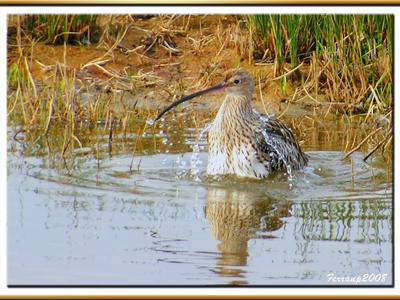
Eurasian curlew
Large, long‑billed wader of wetlands and marshy valleys on passage. Plain brown plumage and unmistakable long curved bill. Uncommon but recorded in wetlands during spring and autumn migration—spectacular when encountered.
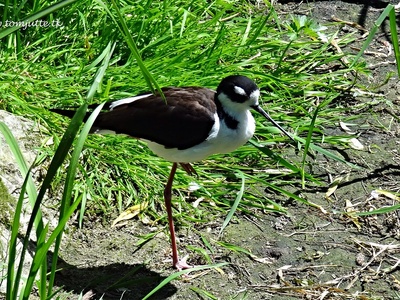
Black‑winged stilt
Tall, elegant wader with long pink legs and thin bill found on shallow lagoons and salt pans. Black and white plumage and stilt‑like posture are distinctive. Breeds on some inland shallow lakes in summer.
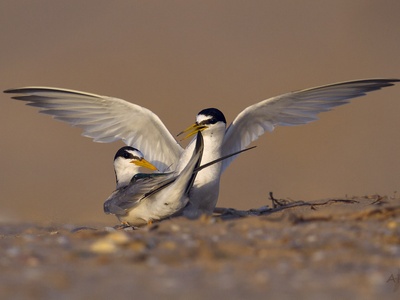
Little tern
Small, agile tern that feeds over lakes and rivers, often at shallow shores. White forehead, black cap and the short bill identify it. Scarce inland but recorded at reservoirs and lakes during migration and rare summer breeding.
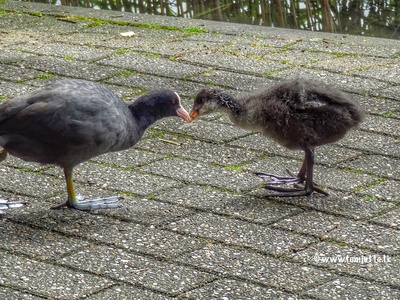
Eurasian coot
Common black waterbird with white frontal shield on lakes and marshes. Bold and numerous on reservoirs and large lakes year‑round. Often seen swimming among reeds, diving for vegetation and defending territories in spring.
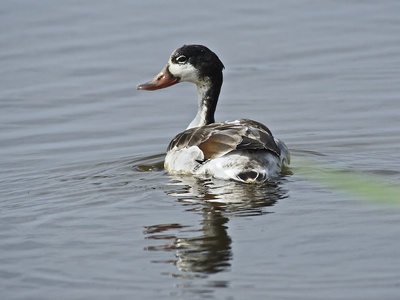
Common shelduck
Large, colorful duck seen on wetland flats and larger lakes during migration and winter. White body with chestnut breast band and green head gloss on males. Irregular but recorded at major wetlands in the country.
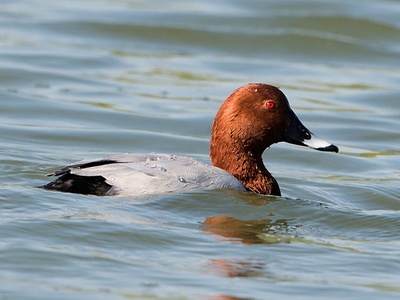
Common pochard
Diving duck of lakes and reservoirs in winter; male has reddish head and black breast. Numbers decline locally; conservation concern in parts of Europe. Often in mixed flocks with other diving ducks during cold months.
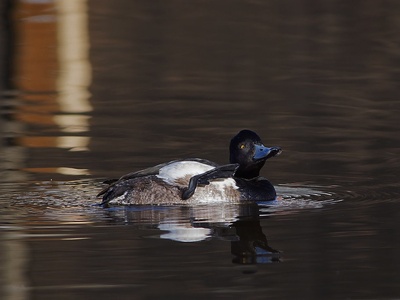
Tufted duck
Black‑and‑white diving duck with distinctive head tuft in males. Common on reservoirs and lakes in winter; some breeding on larger water bodies. Easy to ID by shape and contrasting plumage.
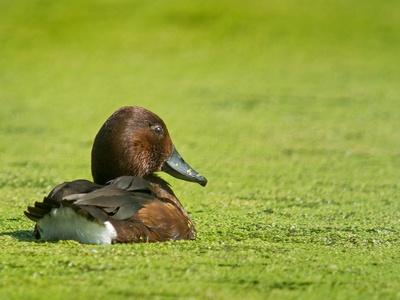
Ferruginous duck
Medium diving duck of reed-fringed lakes and marshes; rich chestnut plumage in males. Locally scarce and decreasing in parts of Europe; a prized find for birders at Prespa and Ohrid wetlands.
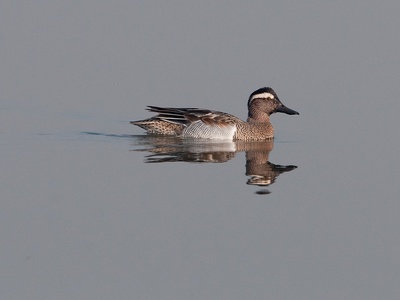
Garganey
Small, migrating dabbling duck with striking male head pattern in breeding plumage. Prefers flooded meadows and shallow marshes during passage. Often overlooked but noticeable in spring arrivals on shallow wetlands.
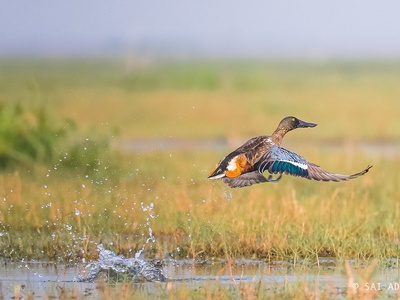
Northern shoveler
Distinctive large‑billed dabbling duck that filters food in shallow waters. Males have green head and huge spatulate bill. Seen on lakes and shallow wetlands during migration and in winter months.
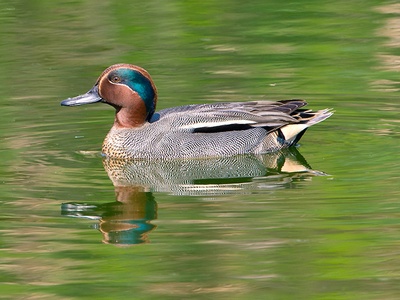
Common teal
Small dabbling duck abundant on wetlands in migration and winter. Males show a green facial patch in breeding plumage. Often forms large flocks on shallow lakes and flooded fields during cold months.
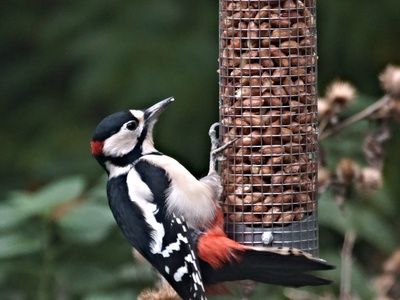
Great spotted woodpecker
Medium woodpecker of mixed and deciduous woodlands; black-and-white pattern with red undertail in adults. Drums on trunks and is common in parks and forests across the country year‑round.
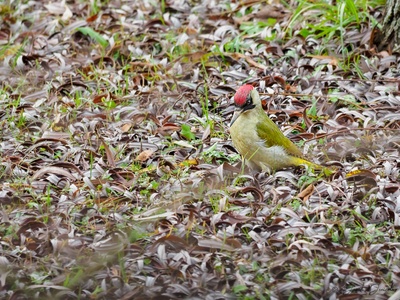
Green woodpecker
Large, bright‑green woodpecker frequenting open woodland, orchards and parks. Loud laughing call and preference for ant‑rich grasslands make it distinctive. Often seen feeding on the ground as well as on trees.
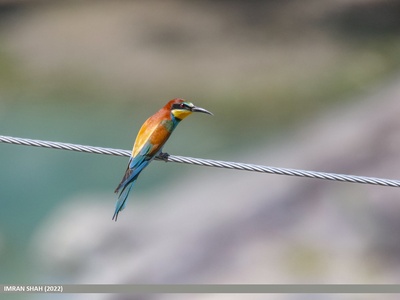
European bee‑eater
Vibrant, long‑billed insectivore of warm lowlands and river valleys; flashy green, blue and chestnut plumage. Breeds in colonies on sandy banks and is a highlight of summer birding trips when present.
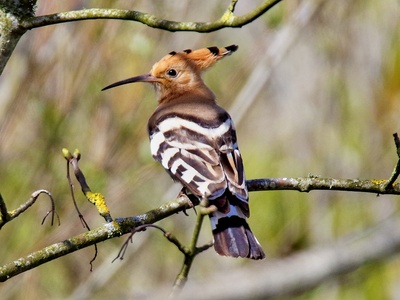
Hoopoe
Crested, cinnamon‑colored bird of open country and orchards with a dramatic crest and long decurved bill. Forages on the ground for insects; a delightful summer visitor that nests in cavities and walls.
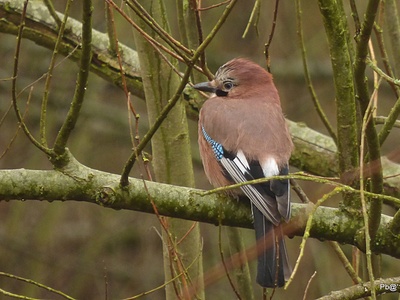
Eurasian jay
Colorful corvid of woodlands with pinkish plumage and blue wing patches. Loud raucous calls and habit of caching acorns are notable. Common in forested regions and often spotted in mountainous woodlands year‑round.
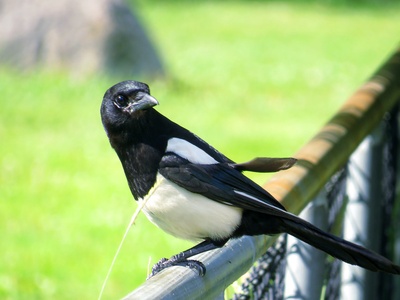
Eurasian magpie
Black‑and‑white omnivorous corvid with long tail and iridescent wings. Very adaptable to villages, farmland and woodlands. Intelligent and conspicuous; a year‑round resident across diverse habitats in North Macedonia.
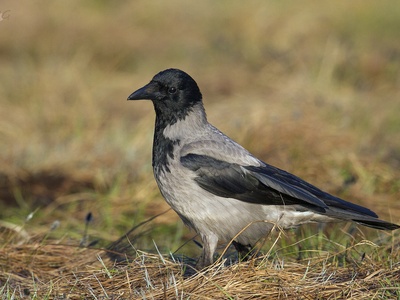
Hooded crow
Grey‑and‑black crow common in urban, agricultural and open landscapes. Larger than magpie and vocally prominent. Widespread and adaptable, often seen scavenging around towns and farmland throughout the year.
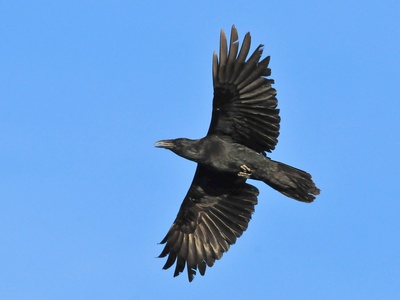
Common raven
Large all‑black corvid of mountains and remote areas. Deep croak and powerful flight make it unmistakable. Breeds in cliffs and highlands; culturally significant and a spectacular sight in rugged Macedonian uplands.
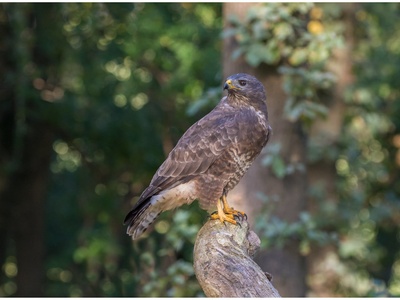
Common buzzard
Widespread raptor perched on fence posts and thermalling over hills. Variable plumage but chunky build and broad wings are diagnostic. Common breeding bird and frequent migrant across lowlands and mountains.
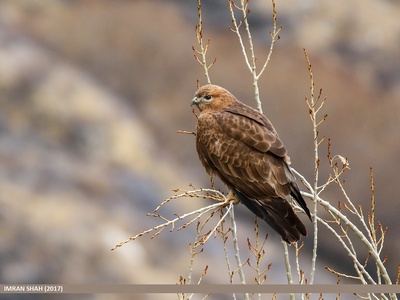
Long‑legged buzzard
Impressive open‑country raptor with long legs, pale underparts and dark carpal patches. Prefers rocky hills and steppe‑like habitats; residents and migrants present—look for perched birds scanning valleys.
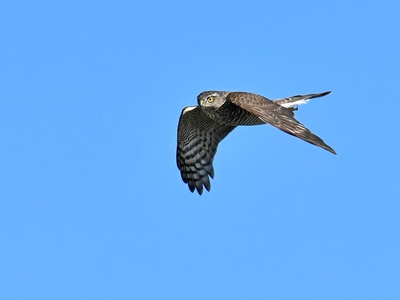
Eurasian sparrowhawk
Agile forest hawk that hunts small birds with rapid twists through trees. Slim build and short broad wings give fast, direct flight. Widespread breeder in woodlands and sometimes seen near gardens hunting songbirds.
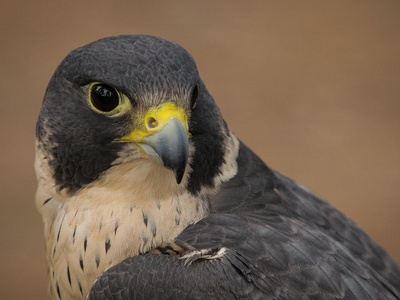
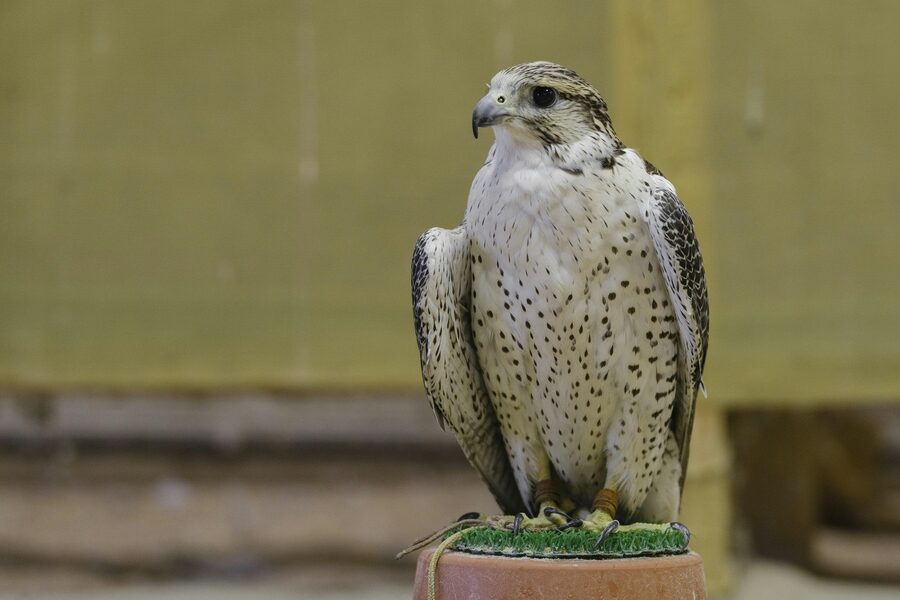
Peregrine falcon
Powerful, fast falcon that nests on cliffs and tall structures; hunts by high‑speed stoop. Distinctive barred underparts and pointed wings. Rare but regular at suitable cliff sites and major river valleys.
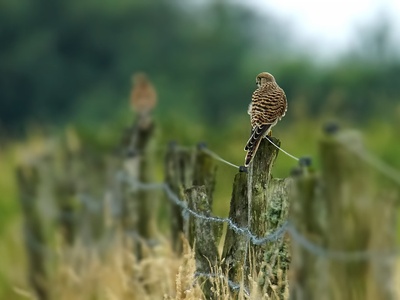
Common kestrel
Familiar hovering falcon of farmland and open habitats. Rusty back and spotted underparts with hovering hunting style are classic ID points. Year‑round presence on agricultural mosaics and urban outskirts.
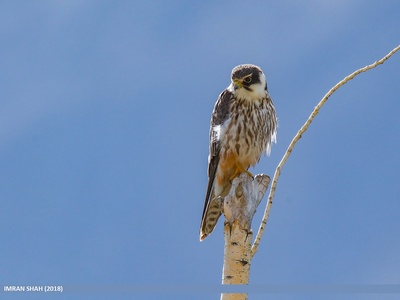
Eurasian hobby
Slim, swift falcon that hawks insects and swifts in the air; dark head with reddish underparts. Migrant that passes through in spring and autumn and sometimes breeds locally in suitable habitats.
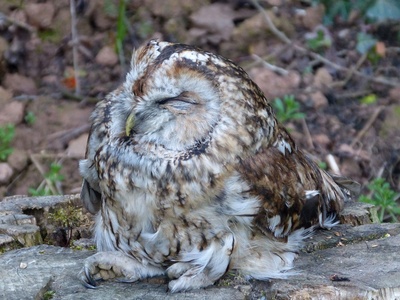
Tawny owl
Stocky, mottled woodland owl active at night; rounded head and dark eyes. Hides by day but commonly heard calling at night in woods and parks. A familiar nocturnal presence in forested areas year‑round.
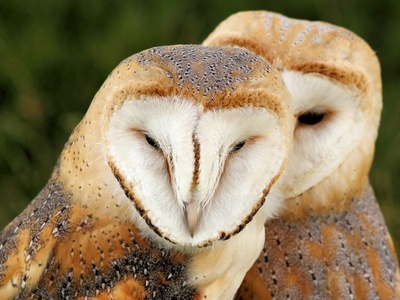
Barn owl
Pale, heart‑faced owl of open farmland and villages; hunts rodents at dusk and night. Silent flight and ghostly appearance make it memorable. Nests in buildings and tree cavities; valued in agricultural landscapes.
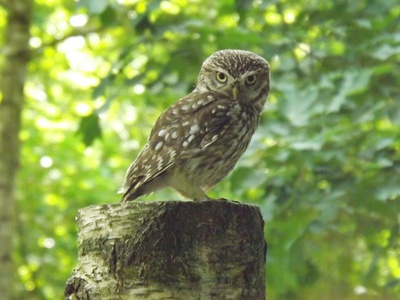
Little owl
Small, squat owl of farmland, orchards and stone walls with a piercing daytime stare. Diurnal and crepuscular habits make it easier to spot than many owls. Common in open country and a charming local resident.
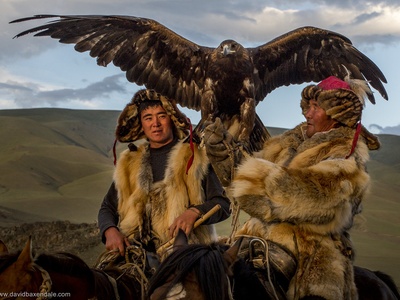
Golden eagle
Large, powerful eagle of high mountains and remote areas. Dark plumage with golden nape and broad wings; top predator of upland ecosystems. Rare but present in alpine regions—an iconic conservation species when encountered.
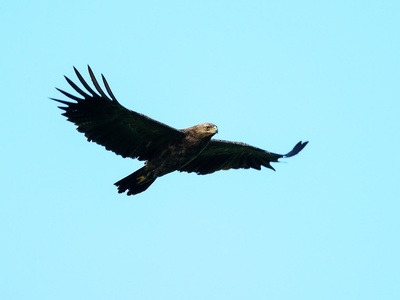
Lesser spotted eagle
Medium forest eagle that migrates through and breeds in woodlands and river valleys. Pale head and long wings with distinctive flight silhouette. Monitored by conservationists as populations fluctuate regionally.
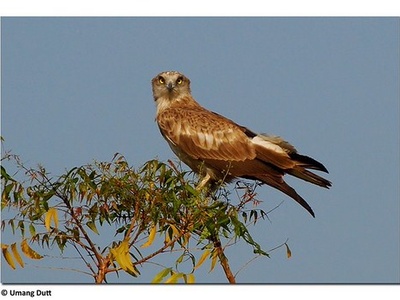
Short‑toed snake‑eagle
Specialist snake‑eating raptor of open woodlands and hills. Pale underside and strong, upright flight; often seen perched on exposed vantage points. Seasonal migrant and summer breeder in favorable areas.
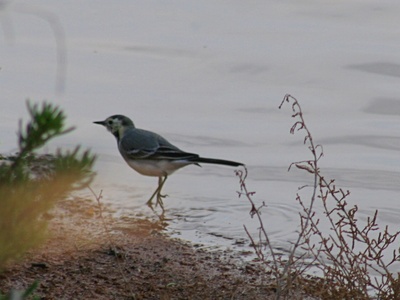
White wagtail
Active, tail‑wagging bird of riversides, roadsides and open ground. Black‑and‑white head pattern and constant movement make it easy to ID. Both resident and migratory populations occur, common across diverse habitats.
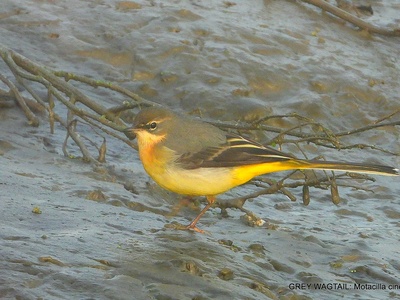
Grey wagtail
Slender, yellow‑vented wagtail frequenting fast streams and mountain rivers. Long tail and yellow underparts are distinctive. More often found along upland watercourses than other wagtails year‑round.
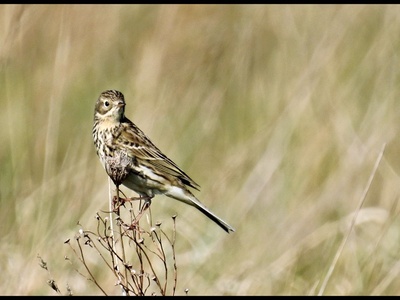
Meadow pipit
Small, streaked brown passerine of open grasslands and upland meadows. Skylarking flight song in spring; inconspicuous on the ground. Common on moorier hills during migration and winter months.
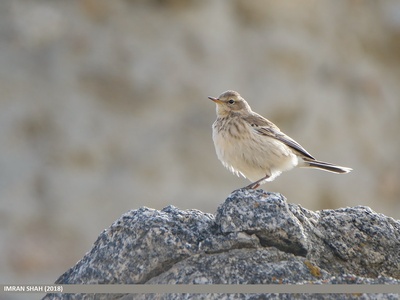
Water pipit
Pale, streaked pipit of mountain streams and wet meadows in winter. Buff underparts and pale supercilium distinguish it from similar pipits. More often found in higher valleys and lakeshore margins during cold months.
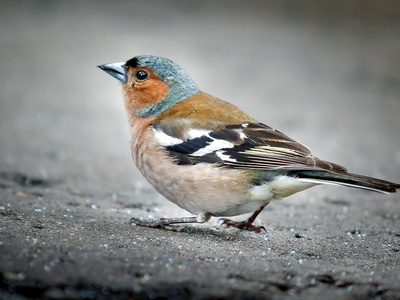
Chaffinch
Common, colorful finch of woodlands and gardens with males showing blue‑grey head and pink breast. Cheerful song and frequent at feeders; widespread and familiar year‑round across varied habitats.
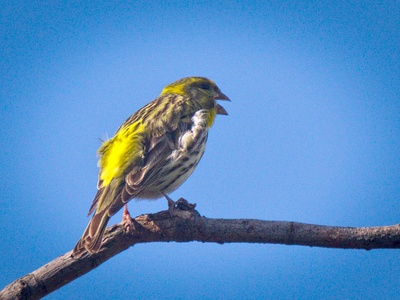
European serin
Tiny, streaked yellow finch common in open woodlands, orchards and towns. Fast, buzzing song and fluttering flight; often found in mixed flocks. Small size and pale yellow tones are good ID clues.
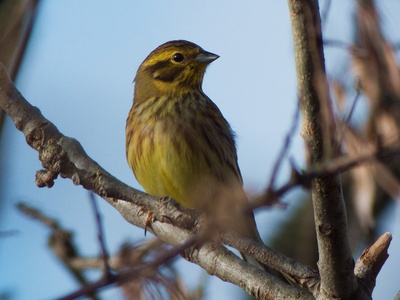
Yellowhammer
Bright, songful bunting of farmland margins and hedgerows; male shows yellow head and streaked body. Conspicuous sing from perches in breeding season and present as both resident and migrant in agricultural landscapes.
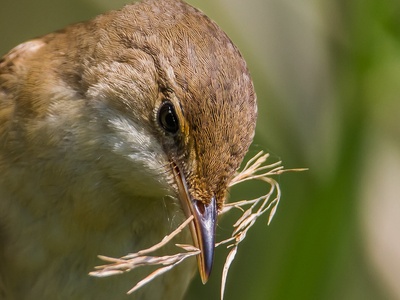
Reed warbler
Common singer of reedbeds around lakes and rivers; brown back and plain face. Best heard rather than seen, it nests among reeds and emerges in summer to feed on insects near water.
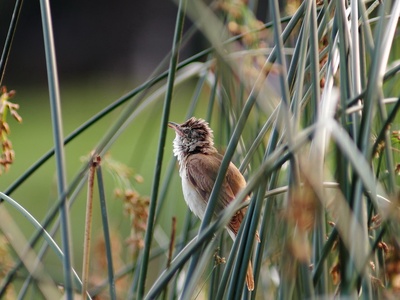
Great reed warbler
Large, loud reedbed warbler with booming song; bulky brown plumage and strong bill. Breeds in tall reeds at major lakes and marshes—one of the more conspicuous reedbed species in summer.
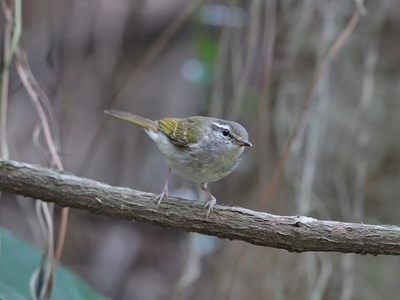
Willow warbler
Delicate, pale green warbler with a soft descending song; favors open woodlands and shrubby river margins. Early spring migrant and summer breeder—easy to miss but common in suitable habitat.
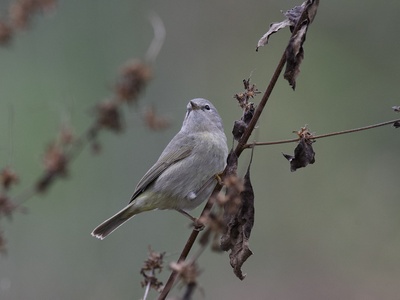
Common chiffchaff
Tiny, plain olivaceous warbler with repetitive “chiff‑chaff” song. Found in woodlands, parks and scrub; some populations are resident while others migrate, making it a year‑round presence in many areas.