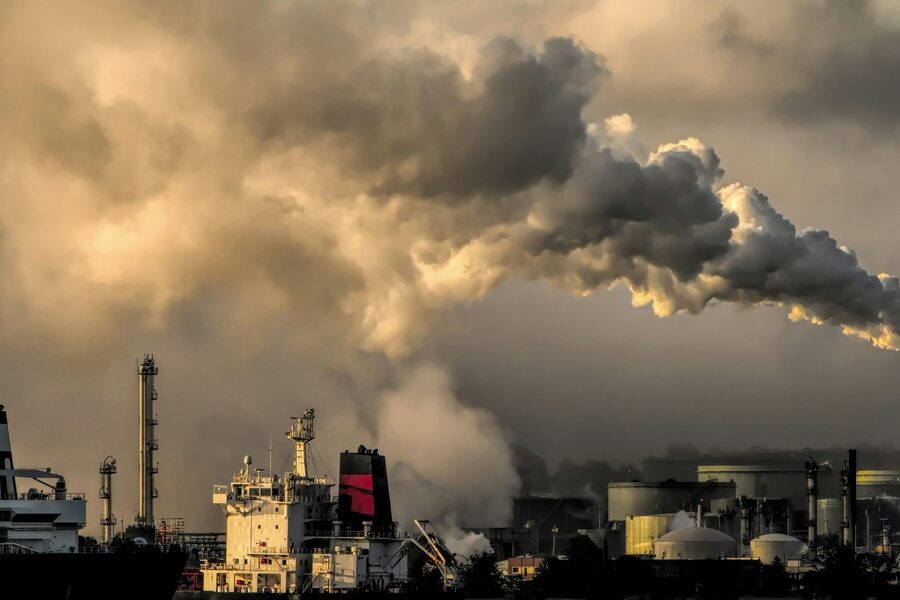
The 1991 eruption of Mount Pinatubo sent a massive plume of sulfur dioxide into the stratosphere—about 20 million tonnes of SO2—changing global radiation budgets and helping scientists map volcanic impacts on climate (NASA). That dramatic image of a sulfurous cloud helps explain why SO2 has been central to industrial, scientific, and environmental stories for decades.
Sulfur dioxide is better known as an air pollutant, but it also plays a range of useful roles—from preserving food and aiding chemical manufacture to serving as a tracer in atmospheric science—and understanding its benefits alongside its risks gives a fuller picture. This article outlines seven specific advantages of sulfur dioxide across three practical categories: Industrial & Chemical uses; Agricultural & Public Health applications; and Environmental, Scientific & Monitoring roles. A brief safety note up front: these benefits rely on tightly controlled dosing, worker protections, and regulation to limit health and environmental harm.
Industrial & Chemical Uses

Sulfur dioxide is a versatile reagent and working gas in multiple manufacturing processes, from food preservation to large-scale chemical manufacture. Its practical utility comes with clear safety rules and regulatory limits that govern storage, transport, and on-site use.
1. Preserves wine and food as an antioxidant and antimicrobial
SO2 protects wine and some preserved foods from oxidation and microbial spoilage by acting as both an antioxidant and an antimicrobial agent; winemaking authorities name sulfites among the most effective tools for stabilizing finished wines (OIV, UC Davis Extension).
Winemakers commonly target free SO2 levels in the range of about 20–40 mg/L and total SO2 concentrations often fall between roughly 100–250 mg/L depending on style and legal limits (OIV; UC Davis Extension). Additions occur at crush, during aging, and again at bottling to prevent oxidation and to suppress unwanted bacteria and acetobacter.
Both large commercial producers and small wineries use SO2—commercial operations apply precise, measured doses while many boutique producers use lower targeted levels or alternative techniques. Packaged foods that contain sulfites above regulatory thresholds must be labeled for consumer safety, which helps sulfite-sensitive people avoid exposure.
2. Serves as a chemical feedstock and reducing agent in industry
Sulfur dioxide is a key intermediate for producing sulfite salts and sulfuric-acid precursors; industrial chemistry relies on SO2 as a scalable feedstock and as a selective reducing agent in several syntheses (industrial chemistry references, EPA industry data).
Large volumes of SO2 are processed annually in chemical plants worldwide to make materials such as sodium sulfite (used in water treatment and photographic developers) and as a step in sulfuric acid manufacture. On the industrial scale, these streams are measured in thousands to millions of tonnes per year and handled under strict safety controls (industry reports; EPA).
A concrete chain example is the conversion of elemental sulfur to SO2, then to SO3 and onward to sulfuric acid—a backbone process for fertilizer and many chemical manufacturers. Pulp and paper operations also use sulfite chemistry in certain pulping routes and downstream chemical production.
3. Useful bleaching and processing agent in paper and textiles
SO2 and its salts (sulfites, bisulfites) are used to bleach and decolorize pulp, remove lignin selectively, and preserve fiber quality during processing of specialty papers and some textiles (trade-group guidance; pulp industry literature).
Historically, sulfite pulping accounted for a substantial share of pulp production in the late 19th and early 20th centuries; while kraft pulping now dominates, sulfite methods remain important for specialty products—fine papers, acetate fibers, and cellulose derivatives—where gentler chemistry preserves desirable qualities.
Specialty pulp mills and some textile processors still prefer sulfite-based treatments for particular product lines (industry case studies; International Paper as a sector example). These niche applications show how an older technology can retain value when matched to specific material requirements.
Agricultural & Public Health Applications
Controlled uses of SO2 can protect crops in storage and sanitize production equipment, reducing food loss and contamination risks. These applications require careful dosing, worker protection, and regulatory oversight to manage health hazards. Suggested alt text for images: “Workers using sulfur dioxide fumigation in agricultural storage or sanitizing winery barrels.”
4. Controls postharvest fungi and pests in fruit and stored goods
SO2 fumigation and sulfite treatments reduce spoilage organisms on grapes, dried fruits, and some stored products by inhibiting mold and certain bacteria during storage and transport (extension service studies; postharvest research).
For example, research and extension guidance report that properly applied SO2 pads or controlled fumigation can cut spoilage rates substantially—often by tens of percent in susceptible commodities—when compared with untreated controls (university extension reports). Typical exposure protocols and concentrations are specified by regulators and industry standards to avoid residue or worker risks.
Table grape supply chains and dried fruit processors commonly use SO2-generating pads or gaseous treatments to extend shelf life. Worker-protection measures, ventilation, and compliance with residue limits are essential to ensure safety for handlers and consumers.
5. Sanitizes equipment and prevents contamination in food and beverage production
SO2 and sulfite solutions are practical sanitizers for barrels, tanks, and processing equipment in wineries, breweries, and some food plants because they suppress microbes that cause spoilage and off-flavors (industry sanitation manuals; extension publications).
In wineries, for instance, sulfur dioxide can be used as a fumigant in empty barrels or as a solution for tank sanitation; common protocols specify dose, contact time, and neutralization steps to clear residual gas before filling (winery sanitation guidance, UC Davis Extension).
Using SO2 correctly saves product losses and avoids costly spoilage events, but operators must neutralize residues, ventilate workspaces, and follow occupational safety rules to protect workers from exposure.
Environmental, Scientific & Monitoring Roles
SO2 is both a monitored pollutant and a useful tracer for science: satellites and ground networks use its signals to study volcanoes, pollution plumes, and climate effects. Suggested alt text for images: “Satellite image showing a sulfur dioxide plume from a volcanic eruption.”
6. Acts as a tracer for volcanology and air-quality monitoring
Measuring SO2 provides timely information about volcanic emissions and anthropogenic pollution sources; remote sensing instruments like NASA’s Ozone Monitoring Instrument (OMI, launched 2004) and ESA’s TROPOMI (launched 2017) routinely map SO2 columns from space for scientists and authorities.
Mount Pinatubo (1991) remains a key historical example: roughly 20 million tonnes of SO2 injected into the stratosphere produced sulfate aerosols that altered global radiative balance and offered a case study for climate and atmospheric transport (NASA; peer-reviewed literature).
Operationally, SO2 detection helps with early warning, aviation safety (ash and gas advisories), and air-quality forecasting. Regulators and researchers also use SO2 column data to distinguish anthropogenic plumes from volcanic ones and to apportion emissions in regional air-quality studies.
7. Contributes to climate science and informed policy through aerosol research
SO2 converts to sulfate aerosols that scatter sunlight and can cause short-term surface cooling; studying this process is essential for quantifying aerosol forcing in climate models and for interpreting past climate variability (IPCC; peer-reviewed studies).
After Mount Pinatubo, global mean surface temperatures dipped by a measurable amount—roughly a few tenths of a degree Celsius in the 1991–1993 period—illustrating the climatic influence of large SO2 injections (IPCC; climate literature). Research like this helps policymakers understand tradeoffs in air-pollution control and improves projections of climate response.
That cooling effect is not a justification for deliberate SO2 releases—health and ecosystem harms outweigh any transient radiative benefit—but the science built around SO2-to-sulfate pathways strengthens climate models and supports better emission-control strategies.
Summary
Sulfur dioxide provides real-world utility across industry, agriculture, and science—from sulfite preservatives in wine to chemical feedstocks and satellite-based monitoring of eruptions—but each use demands regulation and safe practice to limit health and environmental costs. Remember Mount Pinatubo as both a historical benchmark and a scientific case study.
- SO2 supports winemaking and food preservation (typical free SO2 ~20–40 mg/L; total ~100–250 mg/L; OIV/UC Davis).
- It is a key chemical intermediate at industrial scale and plays roles in pulp, paper, and specialty chemical chains.
- SO2 fumigation and sulfite sanitation protect stored fruit and processing equipment when used under regulated protocols.
- Satellites such as OMI (launched 2004) and TROPOMI (launched 2017) monitor SO2 for volcanic alerts and air-quality analysis; Mount Pinatubo emitted ~20 million tonnes in 1991 (NASA).
- U.S. regulation has sharply reduced SO2 emissions since the Clean Air Act era—EPA reports emissions have fallen by more than 90% since 1970—illustrating how policy manages risk.
Takeaway: appreciate the practical benefits of sulfur dioxide in context—check sulfite labels if you’re sensitive, support sensible regulation and monitoring, and trust that responsible industry and science can capture advantages while minimizing harms.