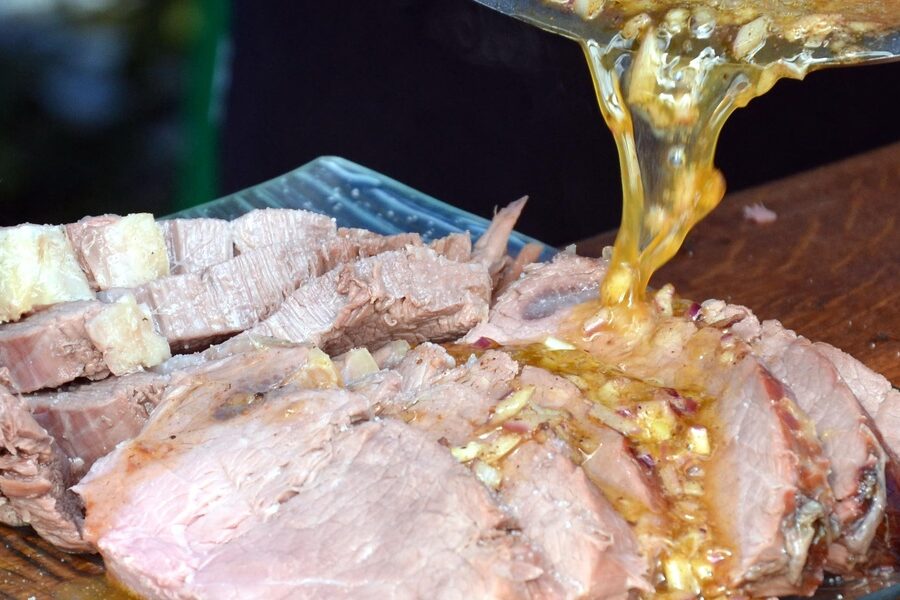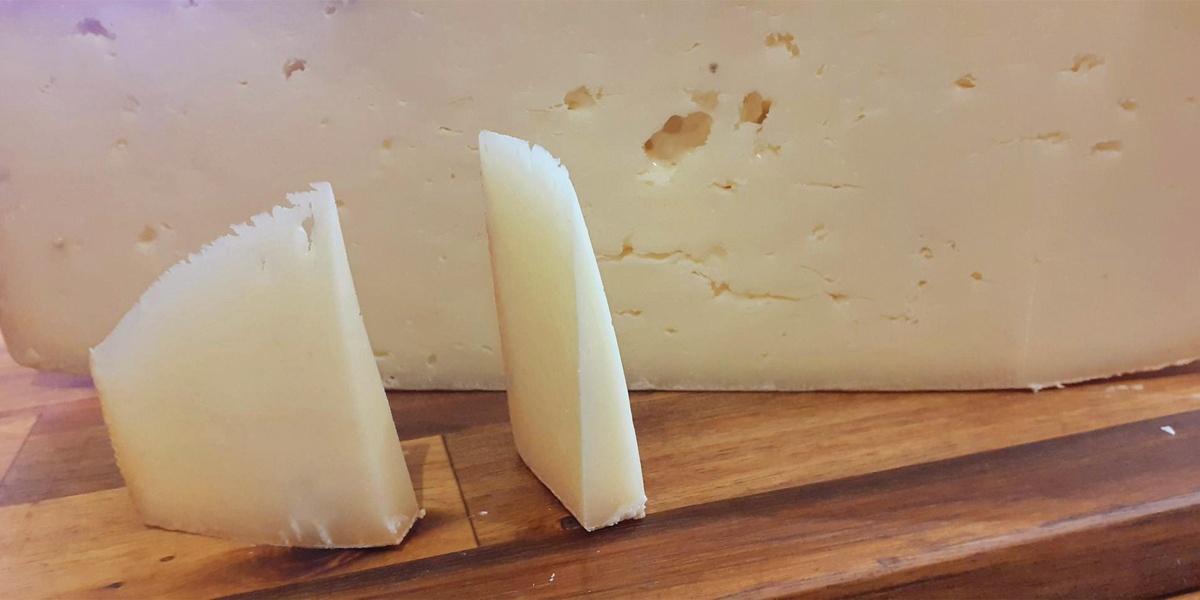
In kitchens, grocery aisles and restaurant menus, the amount of saturated fat in what we eat affects flavor, texture and long-term health. Spotting the biggest sources helps you make swaps that keep meals satisfying without unwanted surprises.
There are 50 Saturated Fats, ranging from Alfredo sauce (cream-based) to Whole-milk yogurt. For each item, data are organized as Category,Sat fat (g/100 g),Sat fat %DV/serving (serving g), which you’ll find below.
How can I use this list to lower my saturated fat intake?
Use the table to compare similar foods and make simple swaps—choose lower-sat-fat versions, reduce portion sizes, or replace some animal fats with plant oils. Pay attention to both Sat fat (g/100 g) and %DV per serving to see real-world impact on meals.
Are high-saturated-fat foods always bad for you?
Not always; occasional higher-fat items can fit into a balanced diet if overall calories and frequency are managed. Prioritize whole foods, balance with vegetables and fiber, and reserve frequent choices for lower-sat-fat options.
Saturated Fats
| Name | Category | Sat fat (g/100 g) | Sat fat %DV/serving (serving g) |
|---|---|---|---|
| Butter | dairy | 51 g/100 g | 36% (14g) |
| Ghee | oil | 62 g/100 g | 43% (14g) |
| Coconut oil | oil | 82 g/100 g | 57% (14g) |
| Palm oil | oil | 49 g/100 g | 34% (14g) |
| Palm kernel oil | oil | 82 g/100 g | 57% (14g) |
| Cocoa butter | oil | 60 g/100 g | 42% (14g) |
| Lard | oil | 39 g/100 g | 27% (14g) |
| Beef tallow | oil | 50 g/100 g | 35% (14g) |
| Canned coconut milk | dairy | 21 g/100 g | 63% (60g) |
| Desiccated (shredded) coconut | snack | 29 g/100 g | 22% (15g) |
| Dark chocolate (70–85%) | confectionery | 33 g/100 g | 50% (30g) |
| Milk chocolate | confectionery | 19 g/100 g | 29% (30g) |
| White chocolate | confectionery | 34 g/100 g | 51% (30g) |
| Heavy (whipping) cream | dairy | 24 g/100 g | 36% (30g) |
| Sour cream (regular) | dairy | 6 g/100 g | 9% (30g) |
| Cream cheese | dairy | 18 g/100 g | 27% (30g) |
| Mascarpone | dairy | 30 g/100 g | 45% (30g) |
| Cheddar cheese | dairy | 21 g/100 g | 32% (30g) |
| Brie | dairy | 15 g/100 g | 23% (30g) |
| Parmesan (grated) | dairy | 14 g/100 g | 14% (20g) |
| American (processed) cheese | dairy | 18 g/100 g | 19% (21g) |
| Ice cream (vanilla) | dairy | 10 g/100 g | 50% (100g) |
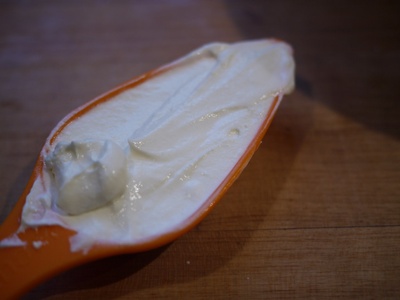
| Whole-milk yogurt | dairy | 3.3 g/100 g | 25% (150g) |
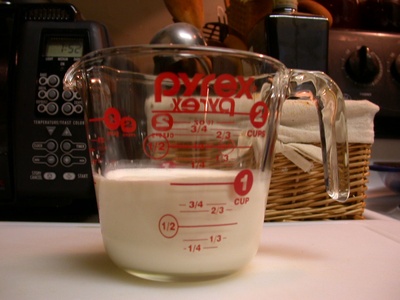
| Whole milk | dairy | 1.9 g/100 g | 23% (240g) |
| Butter cookie | baked good | 16 g/100 g | 24% (30g) |
| Croissant | baked good | 14 g/100 g | 56% (80g) |
| Glazed doughnut | baked good | 6 g/100 g | 23% (76g) |
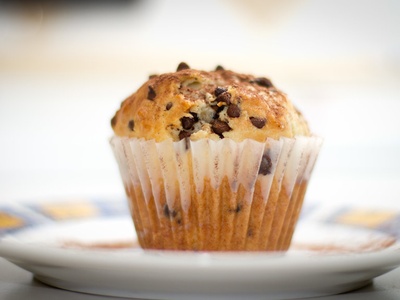
| Muffin (large) | baked good | 7 g/100 g | 40% (113g) |
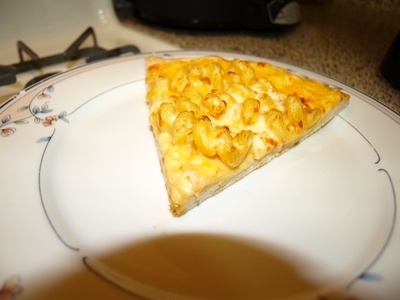
| Cheese pizza (slice) | baked good | 5 g/100 g | 25% (100g) |
| Cheesecake | confectionery | 15 g/100 g | 94% (125g) |
| Bacon | meat | 14 g/100 g | 8% (12g) |
| Salami | meat | 13 g/100 g | 18% (28g) |
| Pork sausage | meat | 10 g/100 g | 38% (75g) |
| Ground beef (80% lean) | meat | 8 g/100 g | 34% (85g) |
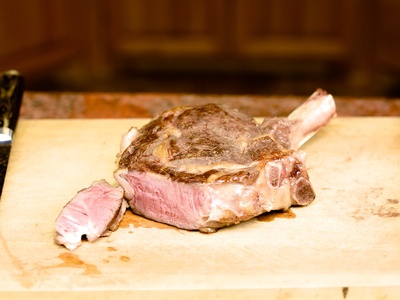
| Ribeye steak (cooked) | meat | 8 g/100 g | 34% (85g) |
| Lamb (various cuts) | meat | 9 g/100 g | 38% (85g) |
| Duck with skin | meat | 11 g/100 g | 47% (85g) |
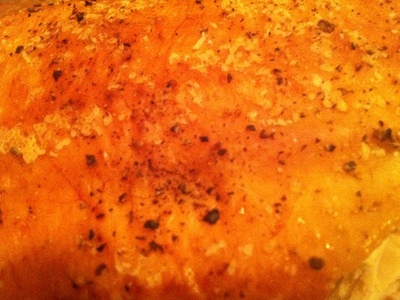
| Chicken skin | meat | 10 g/100 g | 14% (28g) |
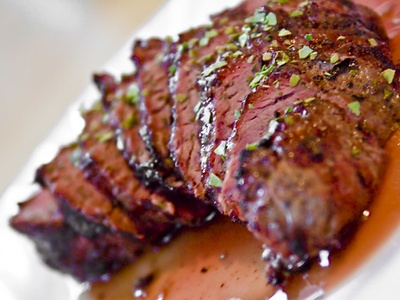
| Pork shoulder (cooked) | meat | 7 g/100 g | 30% (85g) |
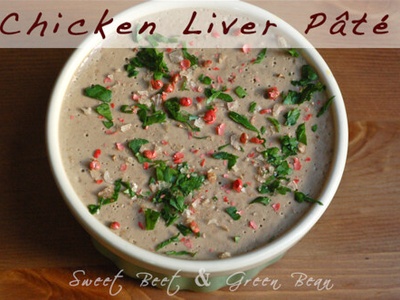
| Pâté (liver spread) | meat | 12 g/100 g | 18% (30g) |
| Fried chicken (breaded) | meat | 5 g/100 g | 25% (100g) |
| Hazelnut chocolate spread | confectionery | 11 g/100 g | 8% (15g) |
| Peanut butter (regular) | snack | 10 g/100 g | 16% (32g) |
| Ice cream bar (chocolate-coated) | confectionery | 12 g/100 g | 48% (80g) |
| Alfredo sauce (cream-based) | dairy | 8 g/100 g | 24% (60g) |
| Processed cheese spread | dairy | 14 g/100 g | 21% (30g) |
| Whole milk powder | dairy | 25 g/100 g | 10% (8g) |
| Coconut cream | dairy | 31 g/100 g | 47% (30g) |
| Vegetable shortening | oil | 37 g/100 g | 37% (14g) |
| Chocolate truffles | confectionery | 25 g/100 g | 19% (15g) |
Images and Descriptions
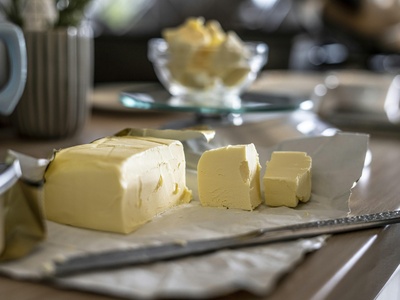
Butter
A common cooking spread made from churned cream. High in saturated fat and flavor, butter is used for frying, baking and finishing dishes. Health guidance recommends moderate use because of its concentrated saturated fat content.
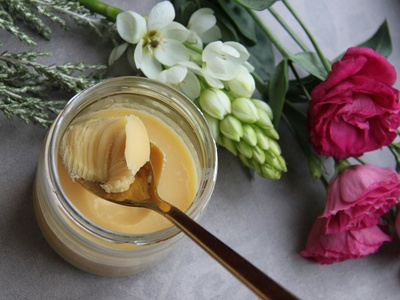
Ghee
Clarified butter used in South Asian cooking, prized for a high smoke point and nutty flavor. Ghee is nearly pure milk fat with very high saturated fat; used sparingly by people monitoring heart disease risk.
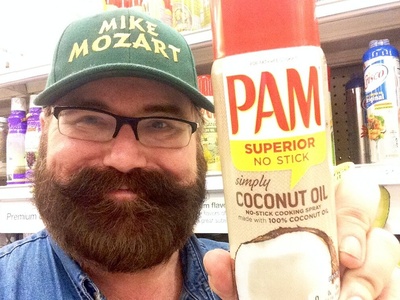
Coconut oil
A plant oil extracted from coconut meat, solid at room temperature with a tropical aroma. Very high in saturated fat, often used in baking and frying; debated for health impacts compared with other vegetable oils.
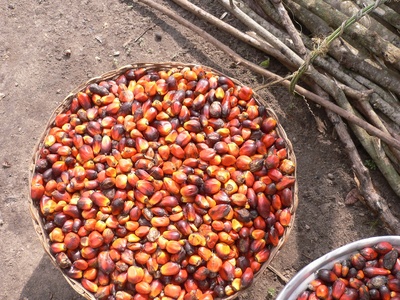
Palm oil
A widely used tropical vegetable oil from oil palm fruit. Semi-solid at room temperature and common in processed foods. Contains notable saturated fat, contributing to product texture and shelf stability.

Palm kernel oil
Derived from the kernel of the oil palm, this oil is highly saturated and used in confectionery and processed products. It provides firmness and long shelf life but is high in saturated fats.
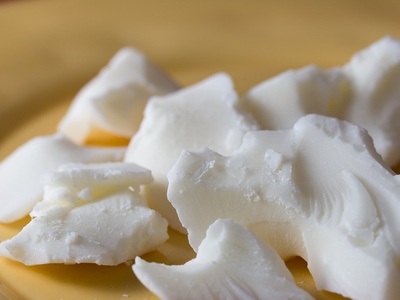
Cocoa butter
The fat from cacao beans used in chocolate and cosmetics. It contributes smooth mouthfeel and solidity to chocolate, with a high proportion of saturated fat compared with many plant oils.

Lard
Rendered pork fat used traditionally in baking, frying and for flaky pastry. Contains a mix of saturated and unsaturated fats; offers culinary benefits but adds significant saturated fat to recipes.
Beef tallow
Rendered beef fat used for frying and roasting. Offers high smoke point and savory flavor, but is rich in saturated fat and often limited in heart-healthy eating plans.
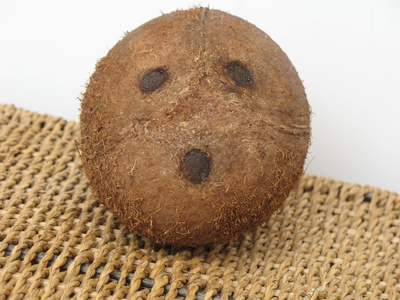
Canned coconut milk
Thick, creamy liquid from grated coconut meat used in curries and desserts. Canned versions are high in saturated fat and calories; small servings deliver a large percent of the daily saturated fat limit.
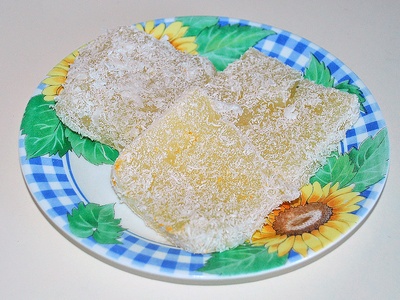
Desiccated (shredded) coconut
Dried coconut flakes used in baking, toppings and snacks. Relatively high in saturated fat compared with other plant foods, coconut adds texture and tropical flavor to many recipes.
Dark chocolate (70–85%)
High-cocoa chocolate with intense flavor and notable saturated fat from cocoa butter. Offers antioxidants and enjoyment in small amounts, but a standard serving supplies a large share of daily saturated fat.

Milk chocolate
Sweeter, creamier chocolate made with cocoa solids, sugar and milk; lower in cocoa than dark varieties but still contains significant saturated fat from cocoa butter and milk fat.
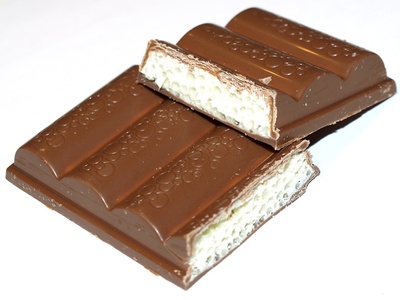
White chocolate
A confection made from cocoa butter, sugar and milk solids; lacks cocoa solids but is rich in milk fat and cocoa butter, providing high saturated fat and a very creamy texture.
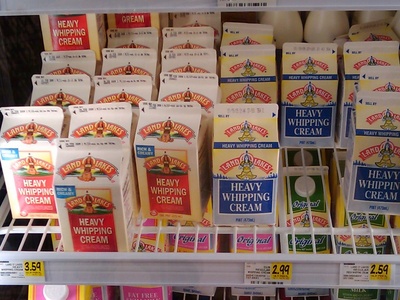
Heavy (whipping) cream
High-fat dairy cream used for whipping, sauces and desserts. Delivers rich texture and flavor but also concentrated saturated fat—use small amounts or lower-fat alternatives when limiting saturated fat intake.
Sour cream (regular)
Tangy cultured cream often used as a topping or ingredient. Full‑fat varieties contain measurable saturated fat; reduced‑fat options lower saturated fat but alter texture and flavor slightly.
Cream cheese
Soft, spreadable cheese with a smooth texture commonly used on bagels and in desserts. Rich and creamy, it contributes significant saturated fat per serving and should be portioned mindfully.
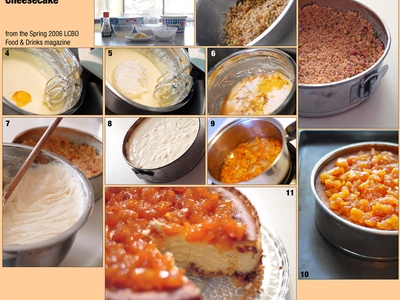
Mascarpone
An Italian cream cheese with a very high fat content used in desserts and creamy sauces. Luxuriously smooth and high in saturated fat, it’s best enjoyed in small amounts.
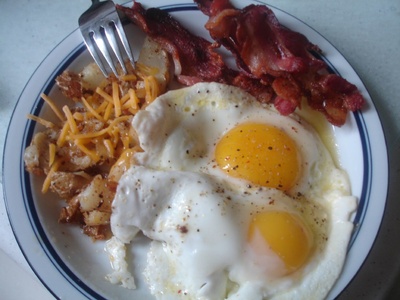
Cheddar cheese
A widely eaten hard cheese with a sharp flavor and firm texture. Cheddar supplies protein and calcium but also substantial saturated fat; portion control helps manage intake.
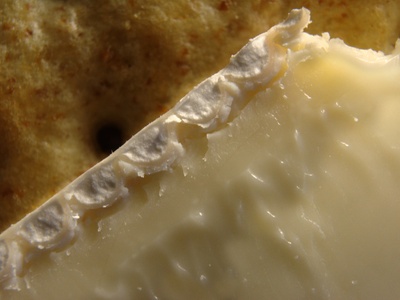
Brie
Soft, bloomy-rind cheese with creamy interior and mild, buttery flavor. Lower in saturated fat than some hard cheeses but still meaningful—popular for cheese boards and baking.
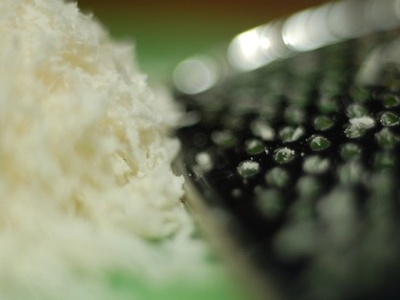
Parmesan (grated)
A hard, aged Italian cheese used grated over pasta and salads. Dense and flavorful, Parmesan adds fat and sodium to dishes; a small serving contributes moderate saturated fat.
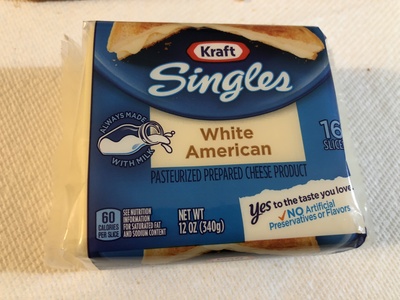
American (processed) cheese
A melt-friendly processed cheese commonly used in sandwiches and fast foods. Provides consistent texture and flavor but contains notable saturated fat and additives compared with natural cheeses.

Ice cream (vanilla)
Popular frozen dessert made from dairy, sugar and flavorings. Fat content varies by style; classic premium ice cream is rich in saturated fat and calories and should be eaten moderately.
Whole-milk yogurt
Creamy cultured milk with live bacteria and modest saturated fat compared with cream or cheese. Whole-milk yogurt provides calcium and protein while contributing a smaller but relevant amount of saturated fat.
Whole milk
Unskimmed milk containing natural milk fat, used as a beverage and in cooking. It contributes saturated fat and calories; opting for lower-fat milks reduces saturated fat intake while preserving calcium.

Butter cookie
Simple sweet biscuit made with butter and sugar. Rich, crisp texture comes from butter and flour; contains appreciable saturated fat due to the butter content and is commonly enjoyed with tea or coffee.

Croissant
Flaky French pastry laminated with lots of butter for layers and flavor. A single croissant can supply over half a day’s saturated fat allowance, making it an indulgent breakfast treat.

Glazed doughnut
Fried sweet ring or disk coated in glaze. The frying fat and any butter in the dough add saturated fat; doughnuts are calorie-dense and often high in added sugars as well.
Muffin (large)
Sweet quick-bread commonly eaten as breakfast or snack. Commercial large muffins often contain butter or oil and sugar, resulting in a moderate saturated fat contribution per typical serving.
Cheese pizza (slice)
Classic pizza topped with tomato sauce and mozzarella. Cheese provides saturated fat, so slices can add up quickly—thin-crust and vegetable-topped options reduce saturated-fat per serving.
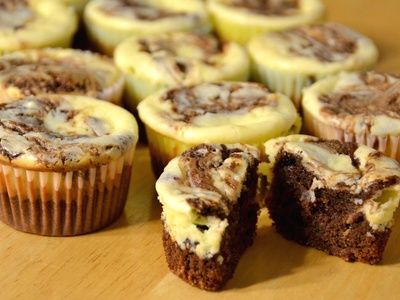
Cheesecake
Rich dessert made with cream cheese, eggs and sugar on a pastry base. Dense and very high in saturated fat, a standard slice can approach or exceed a large portion of daily saturated fat recommendations.

Bacon
Cured pork belly sliced and pan-fried or baked until crisp. Bacon’s flavor and crispness come with saturated fat and sodium; used as a flavoring or topping rather than a primary protein for lower saturated-fat meals.
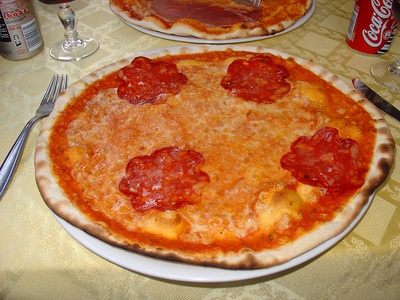
Salami
Cured, spiced pork sausage sliced thin for sandwiches and charcuterie boards. Salami provides concentrated fat and flavor; portion control is important due to saturated fat and sodium.
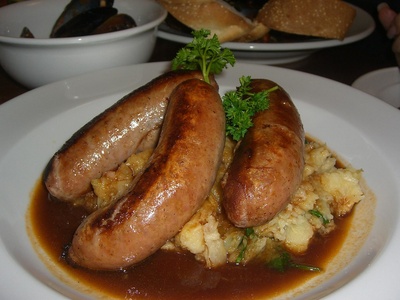
Pork sausage
Seasoned ground pork formed into links or patties for grilling and frying. Sausage is flavorful and convenient but often contains high saturated fat and calories; leaner options exist.
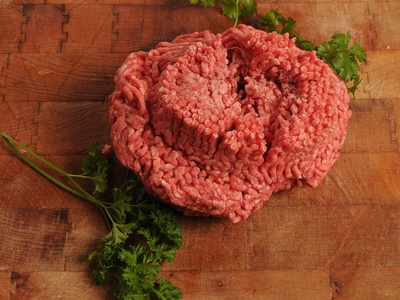
Ground beef (80% lean)
Common minced beef blend with about 20% fat used for burgers and sauces. Delivers flavor and juiciness but contributes significant saturated fat; choosing leaner blends lowers saturated fat intake.
Ribeye steak (cooked)
Well-marbled beef cut prized for tenderness and flavor. Marbling increases saturated fat levels, so enjoying ribeye occasionally or trimming fat reduces saturated-fat exposure.
Lamb (various cuts)
Red meat with a distinctive flavor; lamb contains higher saturated fat than many leaner meats. Common in roasts and grills, portion size and trimming impact total saturated fat intake.

Duck with skin
Poultry with richer, fattier skin than chicken; often roasted or confited. Duck’s skin contributes the bulk of saturated fat, so removing skin reduces saturated-fat intake substantially.
Chicken skin
The fatty outer layer of chicken that crisps when roasted or fried. Eating skin increases saturated fat and calories; removing skin is an easy way to lower saturated fat in poultry dishes.
Pork shoulder (cooked)
A fatty cut used for pulled pork and slow cooking. Long cooking renders fat for flavor and moistness but leaves notable saturated fat in the final serving—trim or limit portions if reducing saturated fat.
Pâté (liver spread)
Smooth spread made from liver and fat, often served on crackers or bread. Highly flavorful but contains concentrated saturated fat and calories from added butter or cream.
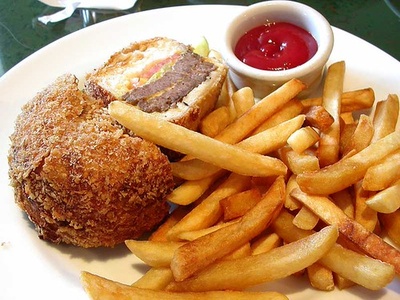
Fried chicken (breaded)
Chicken pieces breaded and deep-fried, commonly eaten as comfort food. Frying and skin contribute saturated fat; preparation method and portion size determine total saturated-fat load.
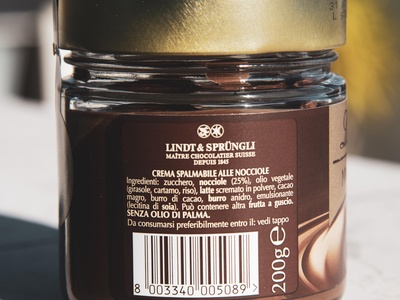
Hazelnut chocolate spread
Sweet spread combining cocoa, sugar and oils (often palm oil) with nuts. Convenient on toast or in recipes, but includes palm oil and sugar, contributing to saturated fat and calories.
Peanut butter (regular)
Ground peanuts made into a creamy or crunchy spread. Though rich in heart-healthy unsaturated fats, regular varieties contain measurable saturated fat and are calorie-dense—portion control helps manage intake.

Ice cream bar (chocolate-coated)
Frozen dessert on a stick with creamy filling and a chocolate shell. Combines dairy fat with cocoa butter in the coating, making it a concentrated source of saturated fat and sugar.
Alfredo sauce (cream-based)
Rich pasta sauce made from cream, butter and cheese. Adds luxurious texture and flavor but also substantial saturated fat; lighter sauces or portion control reduce saturated-fat intake.
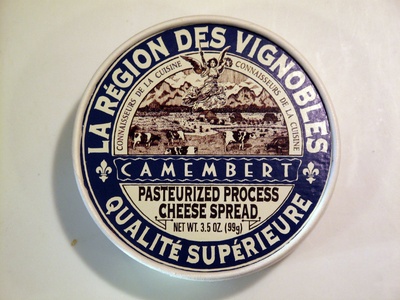
Processed cheese spread
Spreadable cheese product that melts easily for dips and sandwiches. Contains dairy fats plus emulsifiers; convenient but contributes saturated fat and is less nutrient-dense than natural cheeses.
Whole milk powder
Dehydrated whole milk used in baking and beverages. Concentrated milk fat increases saturated fat per weight compared with fresh milk; small amounts add richness and saturated-fat content to recipes.
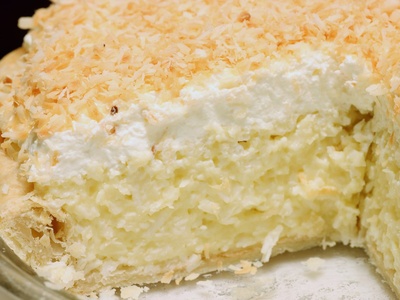
Coconut cream
Thick, very fatty coconut product used in desserts and curries. Higher in saturated fat than canned coconut milk, coconut cream imparts richness and a tropical flavor but greatly increases saturated fat per serving.
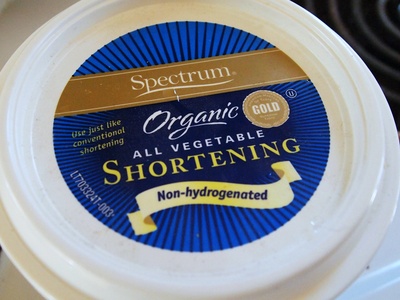
Vegetable shortening
Solidified baking fat used for flaky pastries and pie crusts. Often made from hydrogenated or palm-based oils, shortening provides texture but contains substantial saturated fat and sometimes trans fats in older formulations.
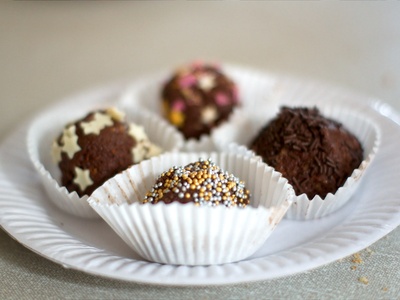
Chocolate truffles
Decadent bite-sized confections made from chocolate and cream or butter. Rich in cocoa butter and dairy fat, truffles are high in saturated fat and best enjoyed in small portions.