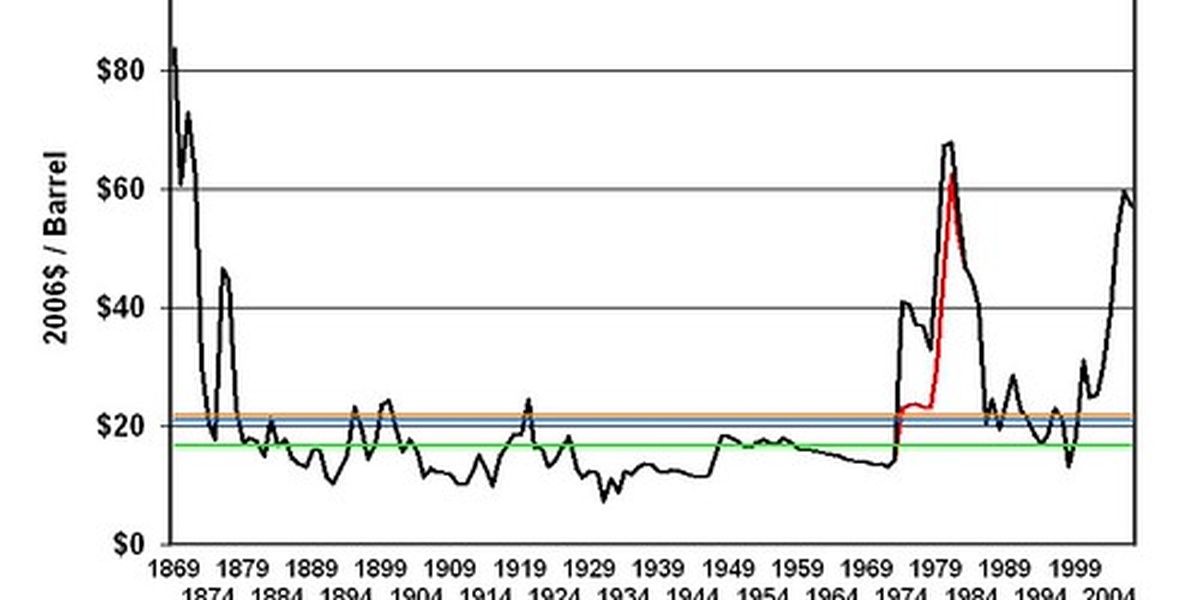
Uganda’s geology spans ancient crystalline shields and younger sedimentary basins, giving the country a wide variety of extractive resources. Small-scale and formal mining both play roles in local economies, and ongoing exploration has expanded knowledge of what lies beneath the surface.
There are 20 Minerals in Uganda, ranging from Bentonite to Tungsten (wolfram). For each entry you’ll find below Category, Main locations, Reserves (tonnes) laid out so you can quickly compare mineral type, where it occurs and the estimated quantities you’ll find below.
Which minerals have the biggest economic or development impact in Uganda?
Gold, copper and cobalt are often highlighted for their export and investment potential, while industrial minerals like limestone and bentonite support construction and manufacturing. Tungsten, tin and rare-earth occurrences attract targeted exploration; many communities also rely on artisanal gold and aggregate mining for livelihoods, so both large-scale and local impacts matter.
How reliable are the “Reserves (tonnes)” figures and how should I use them?
Reserve numbers are best treated as estimates based on surveys and can change with new exploration, market prices and reporting standards; distinguish between confirmed reserves and broader resources. Use the figures for general comparison and due diligence, and check original sources or government reports for detailed, up-to-date assessments.
Minerals in Uganda
| Name | Category | Main locations | Reserves (tonnes) |
|---|---|---|---|
| Crude oil | energy | Albertine Graben (Hoima, Buliisa, Nwoya, Amuru) | 190,000,000 |
| Gold | metallic | Western, Central and Eastern Uganda (Buhweju, Busia, Mubende, Karamoja) | unknown |
| Copper | metallic | Kilembe/Kasese region, Bundibugyo and parts of western Uganda | unknown |
| Cobalt | metallic | Kilembe/Kasese region | unknown |
| Iron ore | metallic | Karamoja and parts of western and central Uganda | unknown |
| Tin (cassiterite) | metallic | Buhweju region, parts of Kigezi and western Uganda | unknown |
| Tungsten (wolfram) | metallic | Buhweju, Mubende and parts of western Uganda | unknown |
| Columbite‑tantalite (coltan) | metallic | Western and eastern pegmatite provinces (Buhweju, parts of Busia/Kisoro) | unknown |
| Phosphate (apatite) | non‑metallic | Sukulu Hills (Tororo) and eastern Uganda | unknown |
| Limestone | non‑metallic | Tororo, Hima (Kasese), Jinja, Mubende | unknown |
| Salt (halite) | non‑metallic | Lake Katwe (Kasese), Kibiro (Hoima), Lake Albert shores | unknown |
| Kaolin and other clays | non‑metallic | Mubende, Tororo, eastern and central Uganda | unknown |
| Bentonite | non‑metallic | Reported in parts of eastern and northern Uganda | unknown |
| Sand and silica | non‑metallic | River basins, Lake Victoria and Nile alluvium, lake shores | unknown |
| Marble | non‑metallic | Mubende and parts of western Uganda | unknown |
| Dimension stone / granite | non‑metallic | Throughout Uganda, notable in Mubende, Kabale and western areas | unknown |
| Gemstones (various: beryl/aquamarine, tourmaline, garnet) | gemstone | Western and eastern Uganda (Kigezi, Mubende, Busia areas) | unknown |
| Mica | non‑metallic | Eastern Uganda pegmatite zones | unknown |
| Coal mineral occurrences | energy | Sporadic reports in parts of western Uganda and Karamoja | unknown |
| Sulphur / sulfur‑bearing minerals | non‑metallic | Thermal springs and evaporitic settings (lake areas) | unknown |
Images and Descriptions
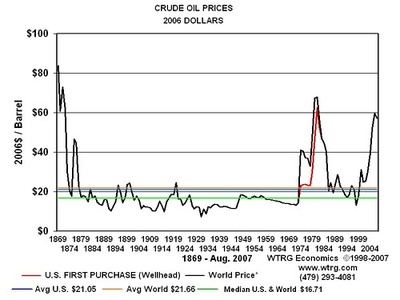
Crude oil
Uganda’s most economically significant discovery, crude oil in the Albertine Graben underpins planned production and infrastructure projects. Recoverable volumes are estimated from confirmed discoveries; oil drives investment, export potential, and raises environmental and development policy debates.
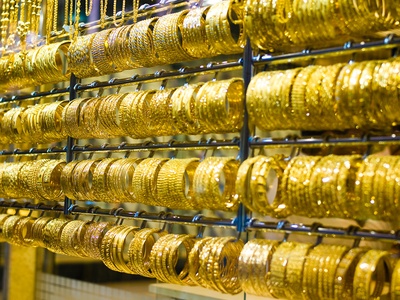
Gold
Alluvial and vein gold occurs across several regions and supports artisanal and small‑scale mining. Gold is a high‑value export commodity with ongoing exploration for larger deposits and formalisation efforts by government to boost revenue and reduce illegal mining.
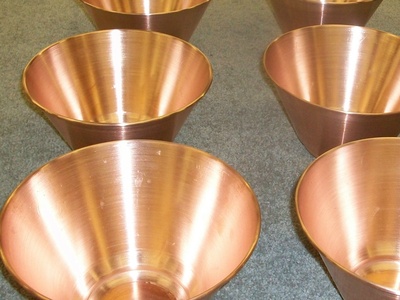
Copper
Copper has historical and modern occurrences, notably at Kilembe. It’s used in electrical wiring, industry and alloy production. Past large‑scale mining exists; current activity focuses on exploration and possible revival of commercial operations.

Cobalt
Often found with copper at Kilembe, cobalt is important for batteries and electronics. Ugandan cobalt is mainly associated with historic copper deposits; commercial extraction depends on economic copper projects and global battery demand.
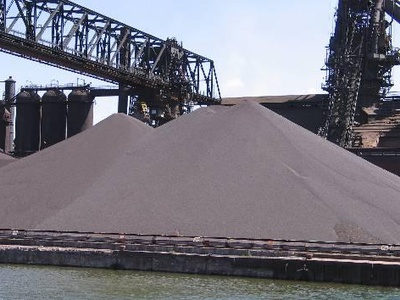
Iron ore
Iron occurrences are reported in several regions and could feed local steel and construction industries. Most deposits are small or unevaluated, so commercial mining is limited and further resource definition is needed.
Tin (cassiterite)
Cassiterite (tin ore) is historically mined in western Uganda. Tin is used in solder, plating and alloys. Production today is mostly artisanal, with occasional commercial interest where pegmatite and alluvial concentrations are attractive.

Tungsten (wolfram)
Wolframite occurrences support tungsten prospects in Uganda. Tungsten is valuable for hard metals and industrial tools; Ugandan deposits are typically in veins and pegmatites and have seen artisanal and small commercial work.
Columbite‑tantalite (coltan)
Coltan occurrences supply tantalum for electronics capacitors. Uganda has pegmatite‑hosted columbite‑tantalite in a few districts; most activity is small scale with exploration for larger, economically extractable bodies ongoing.
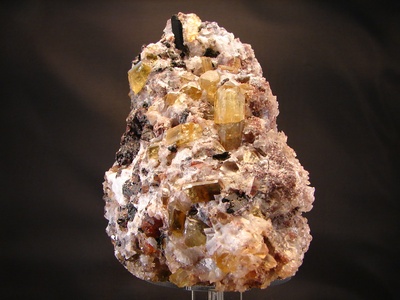
Phosphate (apatite)
Phosphate rock prospects at Sukulu and scattered eastern occurrences could support fertiliser manufacture and agriculture. Known surface deposits have drawn exploration interest but large‑scale commercial mining remains under development.
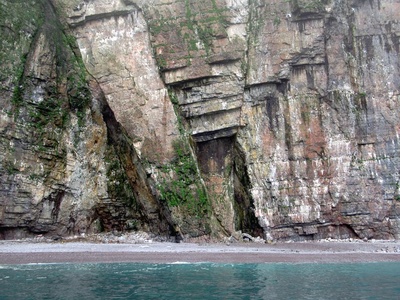
Limestone
Extensive limestone belts support cement manufacture and construction materials. Quarrying is established in several regions supplying domestic cement plants and building industries; reserves are widespread though rarely quantified in a single national figure.
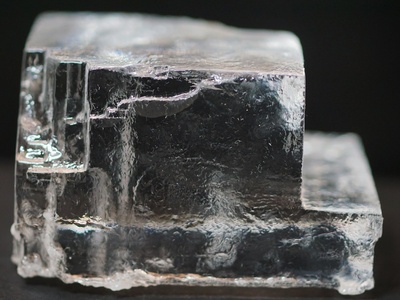
Salt (halite)
Rock salt and saline lakes are traditional sources of salt used locally and commercially. Sites like Lake Katwe have long histories of extraction for food and industrial salt, with potential for expanded processing.
Kaolin and other clays
Kaolin and usable clays occur widely and support ceramics, bricks, tile and cement industries. Local clay deposits are important for small industries and construction materials, with variable quality across regions.
Bentonite
Bentonite clays, useful as drilling mud, binders and sealants, are reported in Uganda. Deposits are typically small to medium; commercial use would depend on quality, proximity to markets and formal appraisal.
Sand and silica
Alluvial sand and silica are ubiquitous and vital for construction, glass and foundry industries. Many deposits support local aggregates supply; higher‑grade silica sands for industry are less common but of commercial interest.
Marble
Marble and decorative stone occur in specific belts and are quarried for dimension stone and local construction. Quarrying is small to medium scale, with potential for value‑added processing for tiles and architectural uses.
Dimension stone / granite
Hard igneous and metamorphic rocks are quarried as dimension stone and crushed rock for construction. Local industries supply building stone, facing, and aggregates; deposits are widespread near major towns and roads.
Gemstones (various: beryl/aquamarine, tourmaline, garnet)
Uganda hosts a range of semi‑precious gems—beryl variants, tourmaline and garnet among them—found in pegmatites and alluvium. Most activity is artisanal; gemstones support local trade and small export markets when quality and supply permit.
Mica
Mica minerals occur in pegmatites and are used in electronics, insulation and cosmetics. Ugandan mica is present in small deposits; commercial extraction is limited and often artisanal, pending more detailed resource work.
Coal mineral occurrences
Limited historical/ reconnaissance reports suggest coal‑bearing strata in a few basins. No large commercial coal industry exists; any economic potential requires detailed exploration and environmental evaluation.
Sulphur / sulfur‑bearing minerals
Sulphur and sulfide minerals are locally associated with hot springs and evaporitic lakes, historically used in small local applications. These are minor occurrences with little commercial mining to date.