In 1774, Joseph Priestley isolated oxygen and set off a chain of discoveries that reshaped chemistry, medicine, and industry. Though oxygen is everywhere, its roles are often taken for granted: it’s not just the gas we breathe but a working tool in hospitals, factories, ecosystems, and even rockets. This article lays out ten clear advantages — grouped under Medical & Health; Industrial & Technology; Environmental & Ecological; and Everyday Uses & Science — so you can appreciate how vital oxygen really is.
Medical & Health Benefits
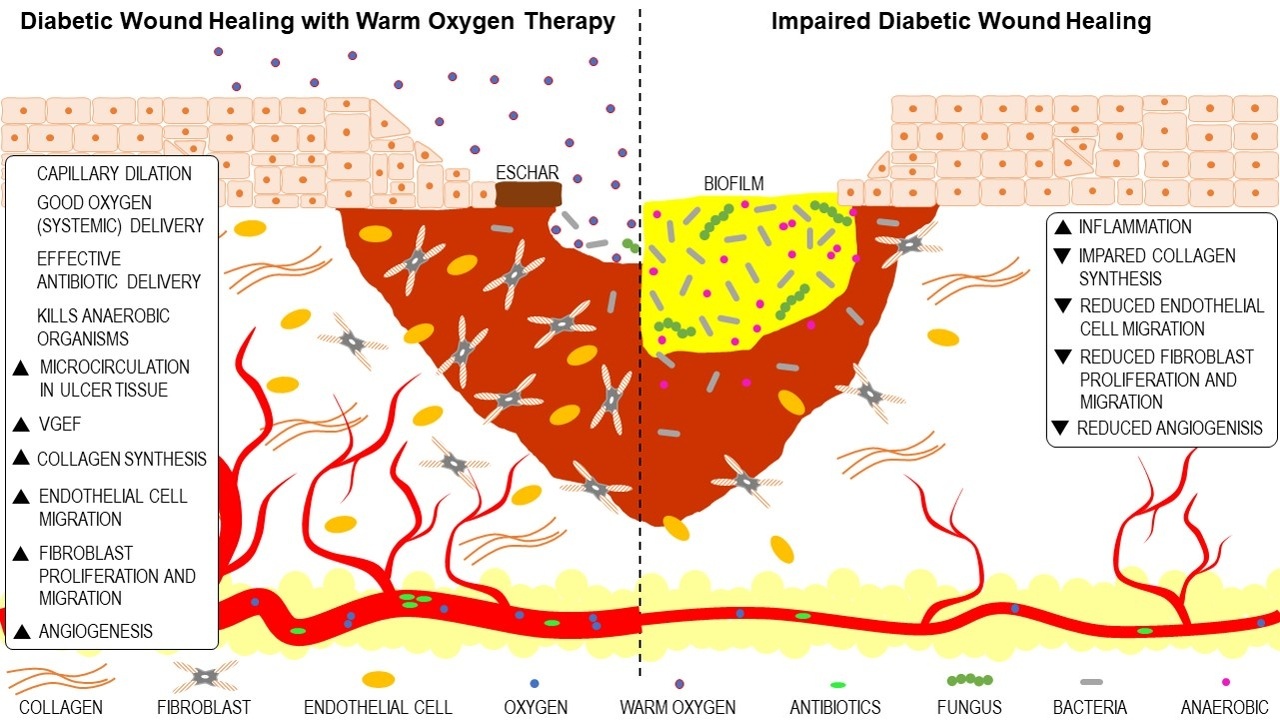
Oxygen underpins human physiology and modern medicine. From powering mitochondria to lifesaving oxygen delivery in hospitals and homes, it’s central to clinical care and public health. Below are three major medical benefits and the real-world devices and guidance that make them possible.
1. Supports cellular respiration and energy production
Oxygen is the final electron acceptor in aerobic respiration inside mitochondria, enabling ATP production that powers cells and tissues. By mass roughly 65% of the human body is oxygen, and atmospheric air contains about 20.95% (≈21%) oxygen.
When oxygen delivery falls, organs suffer — confusion or poor thinking, shortness of breath, and slow wound healing are common signs of hypoxia (low oxygen). Muscles tire sooner without adequate oxygen during exercise because cellular respiration switches to less efficient anaerobic pathways.
2. Enables life-saving oxygen therapy and at-home care
Medical oxygen is a core intervention in hospitals and for people with chronic lung disease: long-term oxygen therapy improves survival for patients with severe chronic hypoxemia, according to major lung-health organizations such as the American Lung Association.
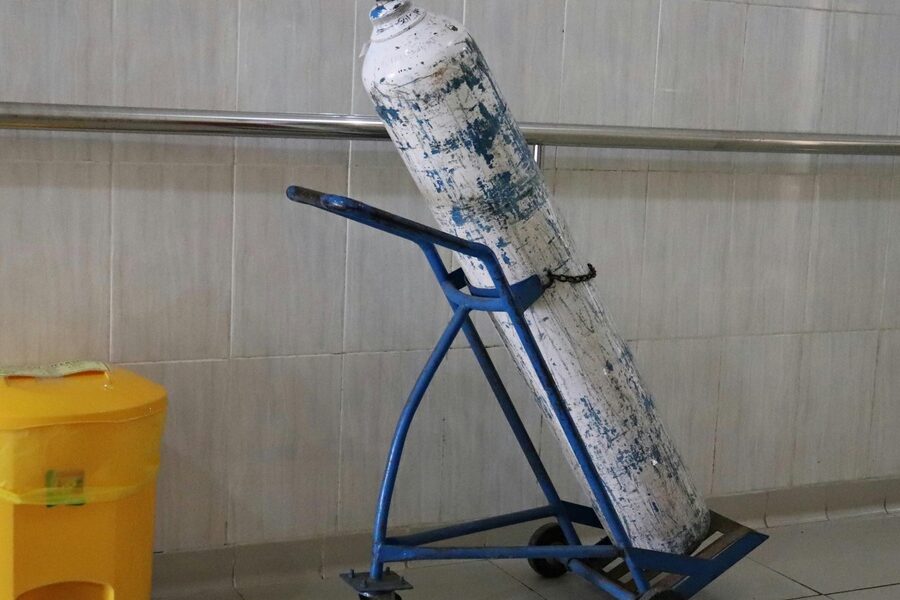
Clinics and homes use cylinders, liquid oxygen, and concentrators (manufacturers include Philips Respironics and ResMed) to deliver high-purity oxygen — clinical supplies are commonly well above 90% purity. Home oxygen lets many patients keep independence while receiving continuous or intermittent therapy.
3. Prevents and treats hypoxia in emergencies and at altitude
Hypoxia — insufficient oxygen at the tissue level — is an immediate threat in stroke, severe trauma, anesthesia complications, and respiratory failure. Rapid supplemental oxygen is a standard treatment in advanced life support and emergency care (see European Resuscitation Council guidance).
Paramedics routinely administer oxygen in ambulances, and emergency departments use it during resuscitation and surgery. For high-altitude climbers, bottled oxygen is common above ~8,000 m (Mount Everest expeditions) to prevent severe hypoxia and altitude-related illness.
Industrial & Technological Benefits
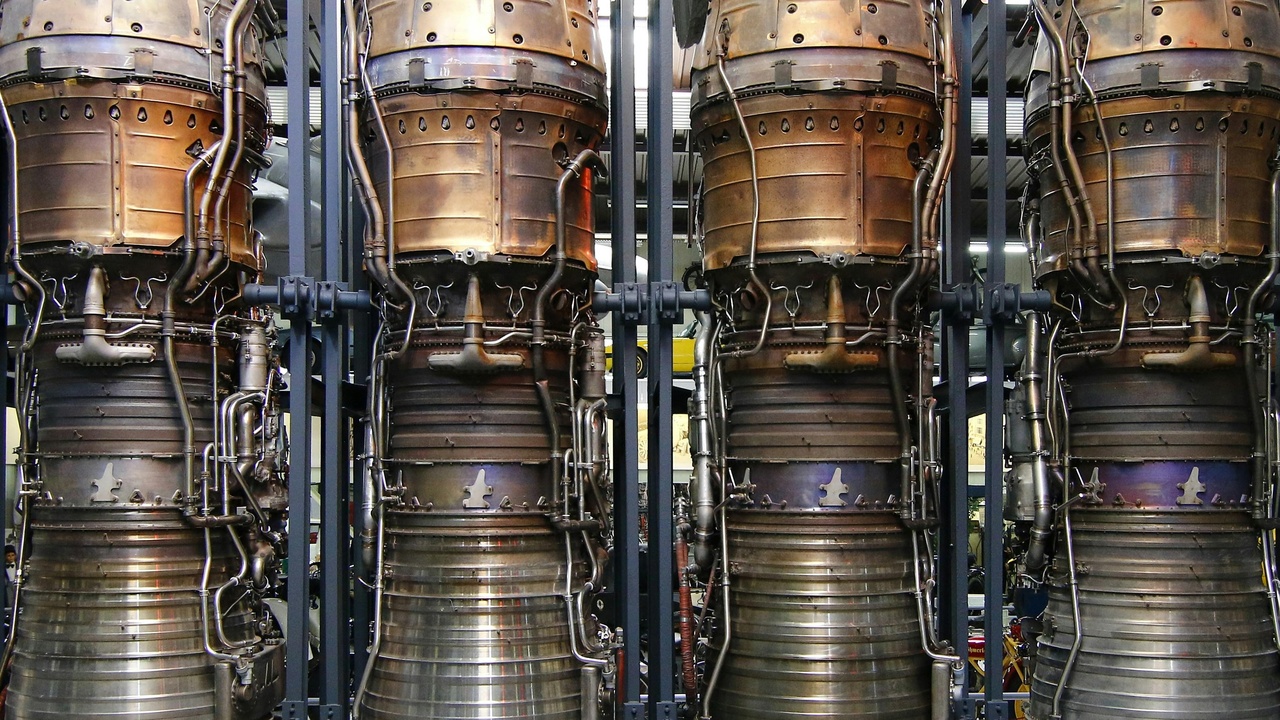
Oxygen acts as a powerful oxidizer and process gas in industry, raising flame temperatures, speeding reactions, and improving efficiency. From steelmaking to rocket propulsion and wastewater treatment, oxygen helps industries operate faster, cleaner, and at larger scales.
4. Central to steelmaking and metal production
The basic oxygen process uses high-purity oxygen blown into converters to remove impurities from pig iron, producing most of the world’s steel today. Oxygen-blown furnaces significantly increase throughput and reduce fuel requirements compared with older coal-based methods.
Major steelmakers such as ArcelorMittal rely on oxygen in large-scale mills, which helps lower energy per ton and speed production — oxygen-based refining dominates modern steel output worldwide and underpins large-scale manufacturing.
5. Enables high-performance combustion and rocket propulsion
Where atmospheric air can’t supply enough oxidizer, pure oxygen (often as liquid oxygen, LOX) enables hotter, more efficient combustion. LOX combined with fuels like RP-1 or liquid hydrogen is standard in many launch vehicles used by NASA and SpaceX for high-thrust rockets.
On the shop floor, oxy-fuel torches reach higher temperatures for cutting and welding, improving speed and finish in metal fabrication. Using oxygen instead of air supports cleaner burn profiles and higher performance in propulsion and industrial combustion.
6. Drives chemical manufacturing and wastewater treatment
Oxygen is a feedstock for targeted oxidation reactions in the chemical industry — for example, producing ethylene oxide or hydrogen peroxide under controlled conditions. Using oxygen helps limit unwanted byproducts compared with uncontrolled combustion.
Municipal wastewater plants rely on aeration to keep dissolved oxygen high so aerobic microbes can break down organic matter; this lowers pollutant loads before discharge. Many industrial and municipal systems use oxygen-enhanced processes to increase efficiency and reduce environmental impact.
Environmental & Ecological Benefits

Oxygen sustains ecosystems from forests to oceans. It supports aquatic life through dissolved oxygen, and photosynthesis by plants and phytoplankton supplies the bulk of atmospheric oxygen that makes Earth habitable.
7. Sustains aquatic life through dissolved oxygen
Dissolved oxygen (DO) is essential for fish, shellfish, and invertebrates. Many species experience stress below ~2 mg/L DO, and levels lower than that can cause fish kills and large-scale “dead zones.”
Human activities — nutrient runoff and warming waters — can reduce DO and create hypoxic zones monitored by agencies like NOAA. The seasonal hypoxic area in the Gulf of Mexico is a clear example with impacts on commercial fisheries and coastal economies.
8. Produced by photosynthesis and helps regulate the atmosphere
Photosynthesis by land plants and ocean phytoplankton produces the oxygen in our atmosphere. Phytoplankton are commonly estimated to produce roughly half of global oxygen output, a vital service for planetary habitability (see reporting from UNESCO and oceanographic research).
Changes to forests, wetlands, and ocean ecosystems — from deforestation to shifting ocean stratification — can influence oxygen cycles. Local actions like wetland restoration help support plant communities that contribute to oxygen production and biodiversity.
Everyday Uses & Scientific Benefits

Oxygen touches daily life in safety equipment and powers scientific methods that reveal Earth’s history. From scuba tanks to isotope chemistry, oxygen supports recreation, emergency response, diagnostics, and research into past climates.
9. Supports recreation and public safety (scuba, aviation, firefighting)
Oxygen systems let people breathe safely where the ambient air is insufficient or contaminated. Scuba divers use compressed gases (including oxygen-rich nitrox mixes for certain dives) and carry oxygen for decompression emergencies.
Commercial aircraft must provide emergency oxygen for cabin depressurization (FAA rules), and firefighters depend on self-contained breathing apparatus (SCBA) built to NFPA standards. Those systems save lives in accidents, fires, and remote rescues.
10. Fuels scientific study: oxygen isotopes and diagnostic sensors
Oxygen isotope ratios (δ18O/δ16O) are fundamental proxies in paleoclimate research. Ice cores such as Vostok and EPICA use oxygen isotope records to infer temperature changes over hundreds of thousands of years (Vostok spans roughly 400,000 years), helping scientists reconstruct past climates.
On a practical level, oxygen sensors — from laboratory probes to pulse oximeters — provide critical diagnostics in medicine and research. These instruments make oxygen measurable and actionable in clinical decisions and experimental systems (NASA and other research agencies rely on precise oxygen monitoring in experiments).
Summary
- Oxygen powers life at the cellular level (mitochondrial respiration), yet makes up only ~21% of air while constituting about 65% of our body mass by mass.
- Medical oxygen and home concentrators (e.g., devices from Philips Respironics and ResMed) save lives and enable independence; supplemental oxygen is standard in emergency and critical care.
- Industries use oxygen to boost efficiency and performance — basic oxygen furnaces dominate modern steelmaking, LOX fuels rockets (NASA, SpaceX), and oxygen aids chemical and wastewater processes.
- Environmentally, phytoplankton produce roughly half of global oxygen and dissolved oxygen governs aquatic health (levels below ~2 mg/L stress many fish); agencies like NOAA monitor hypoxic dead zones.
- Oxygen also supports recreation, safety, and science — from scuba and SCBA gear to oxygen isotope records in ice cores (Vostok ~400,000 years) and clinical sensors such as pulse oximeters.