Afghanistan sits at the crossroads of Central and South Asia, with mountain ranges, river valleys and deserts that host a wide mix of minerals, fuels and renewable energy potential. That geological variety has long attracted interest from geologists, investors and development planners looking for opportunities that can support local economies.
There are 26 Natural Resources of Afghanistan, ranging from Barite to Wind energy potential. For each entry you’ll find below the data organized under Category, Main locations, Estimated reserves (unit), so you can compare types, where they’re found and how much has been reported — you’ll find below the full list and details.
Which resources on the list are most likely to be tapped first for economic benefit?
Minerals with established deposits and existing extraction methods — such as copper, iron, coal and certain industrial minerals — tend to be prioritized because they require less preliminary exploration. Energy resources (natural gas, oil) and large-scale mining depend on infrastructure, security and investment; wind and solar projects can be faster to develop where grid or off-grid needs exist.
How reliable are the “Estimated reserves (unit)” figures and where do they come from?
Reserve estimates vary: some are from detailed surveys and drill data, others from broader geological assessments. Official and international sources (government surveys, USGS, academic studies) provide the primary data, but most figures need verification through modern exploration and reporting standards.
Natural Resources of Afghanistan
| Resource | Category | Main locations | Estimated reserves (unit) |
|---|---|---|---|
| Iron ore | Metal | Hajigak (Bamiyan) and surrounding central highlands | 1,800,000,000 t |
| Copper (Mes Aynak) | Metal | Mes Aynak (Logar) southeast of Kabul | 240,000,000 t (ore; ~2.3% Cu) |
| Crude oil | Energy | Amu Darya basin, Shibarghan (Jowzjan), Helmand basins | 1,600.00 MMbbl (estimated undiscovered) |
| Natural gas | Energy | Amu Darya, Afghan‑Tajik, Helmand basins | 1,868.31 bcm (≈66 Tcf estimated undiscovered) |
| Coal | Energy | Shahr‑e‑Zohak, Jabal Surakh, Khost, Laghman and other basins | 500,000,000 t |
| Chromite | Metal | Kabul, Herat, Takhar and northeastern areas | 1,000,000 t |
| Copper (Balkhab) | Metal | Balkhab (Sar‑e‑Pul) and nearby porphyries | 60,000,000 t (ore; approximate reported figure) |
| Gold | Metal | Zarkashan, Helmand, Khost, Kunar placer and lode occurrences | unquantified (historic & modern occurrences) |
| Lead‑zinc | Metal | Khost, Takhar, Balkh and northeast provinces | 500,000 t (combined metal, estimated) |
| Salt | Construction/Agricultural | Multiple provinces (western and central Afghanistan) | 200,000,000 t (estimated basin resources) |
| Gypsum | Construction | Helmand, Kandahar, Nangarhar and eastern provinces | 30,000,000 t |
| Marble | Construction | Herat, Nangarhar, Laghman, Kabul regions | 50,000,000 t (commercial deposits estimate) |
| Barite | Industrial mineral | Helmand, Nangarhar and central provinces | 2,000,000 t |
| Talc | Industrial mineral | Herat, Nangarhar and northeast provinces | 3,000,000 t |
| Sulfur | Industrial mineral | Helmand, Kandahar and scattered southern deposits | 5,000,000 t |
| Lapis lazuli | Gemstone | Sarf‑e‑Sang mines, Badakhshan | unquantified (historic, high‑value production) |
| Emeralds | Gemstone | Panjshir Valley and northern veins | unquantified (high‑quality pockets) |
| Ruby and red spinel | Gemstone | Jegdalek and Paghman (Kabul) area | unquantified (historic yields) |
| Fluorspar (fluorite) | Industrial mineral | Northeastern and central provinces | 1,000,000 t (estimated) |
| Marcasite/pyrite (sulphides) | Industrial/metal | Multiple hydrothermal districts | unquantified (widespread occurrences) |
| Sandstone/gravel (construction aggregate) | Construction | Nationwide river valleys and alluvial plains | unquantified (extensive local reserves) |
| Gypsum‑gypsiferous cement raw material | Construction | Helmand, Kandahar basins | 30,000,000 t (overlaps gypsum figure) |
| Pistachio and nut orchards | Agricultural | Northeast, central highlands and western provinces | 1,000,000 ha (cultivable/ traditional orchard area estimate) |
| Saffron (crocus sativus) | Agricultural | Herat, Nangarhar, western provinces | 15,000 ha (cultivated area estimate) |
| Solar energy potential | Renewable | Nationwide (high‑insolation plateaus and deserts) | 222,000 MWp (national technical potential, estimated) |
| Wind energy potential | Renewable | Herat plateau, western and northern corridors | 50,000 MW (technical potential estimate) |
Images and Descriptions

Iron ore
Hajigak is Afghanistan’s largest known iron deposit, hosting high‑grade magnetite. It matters for steel feedstock potential, but development is constrained by security, infrastructure and high upfront rail/port costs.
Copper (Mes Aynak)
Mes Aynak is the country’s best‑known copper porphyry with major ore tonnage and significant copper metal. Archaeology, security and land‑use conflicts have repeatedly delayed mine construction and export infrastructure.
Crude oil
USGS and industry studies estimate substantial undiscovered oil in northern and southern basins. Resources could spur revenue but commercial development depends on pipelines, markets and long‑term security.
Natural gas
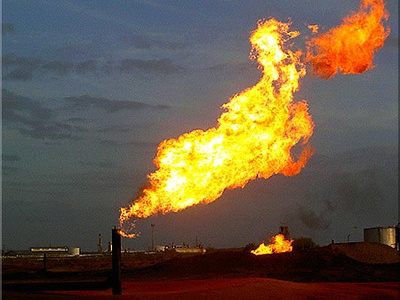
Afghanistan’s basins hold large estimated gas volumes useful for domestic power and regional export. Realizing this requires pipelines, processing, and stable investment conditions.
Coal
Widespread coal occurrences support local power and heating; many deposits are amenable to small‑scale mining. Environmental impacts, variable quality and transport limitations reduce large‑scale export prospects.
Chromite
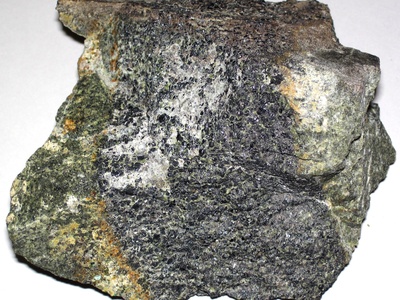
Chromite occurs in ophiolite belts and has ferrochrome potential. Deposits are regionally important but often small, difficult to access, and subject to market/processing constraints.
Copper (Balkhab)
Balkhab is a large porphyry copper project with quoted resource figures in some exploration reports. Development faces infrastructure, permitting and security challenges.
Gold
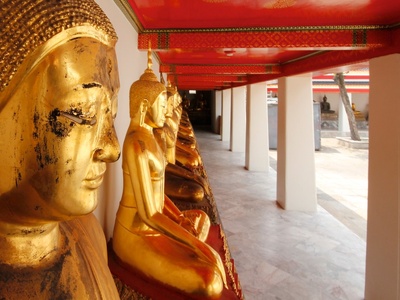
Gold occurs in several lode and placer districts and has supported artisanal mining. Significant discoveries exist but many resources remain incompletely quantified and hard to develop.
Lead‑zinc
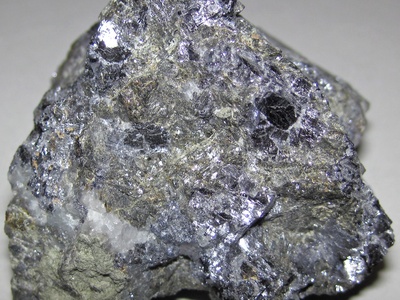
Multiple carbonate‑hosted and volcanogenic deposits contain lead and zinc. Some have been intermittently mined; scale-up requires exploration, smelting options and logistical improvements.
Salt
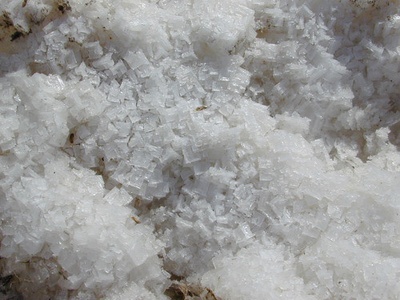
Abundant salt deposits across the country supply local industry and agriculture. Easily exploitable but low unit value means development depends on transport and local demand.
Gypsum
Gypsum deposits support local cement and plaster production; many are shallow and suitable for quarrying. Local construction demand favors development over export.
Marble
High‑quality decorative marbles and building stone have been quarried historically. Marble is a viable export candidate if processing, road links and security improve.
Barite
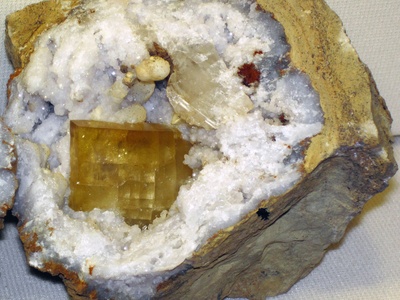
Barite is used as drilling mud and in industrial applications. Local deposits can serve regional markets but require quality sorting and transport to reach buyers.
Talc
Talc occurs in multiple districts and is useful in ceramics, paint and paper. Deposits are usually amenable to small‑scale mining but need beneficiation for higher value.
Sulfur
Sulfur occurs with evaporite and volcanic sequences; it has agricultural and industrial uses. Quality varies and deposits are often remote from markets.
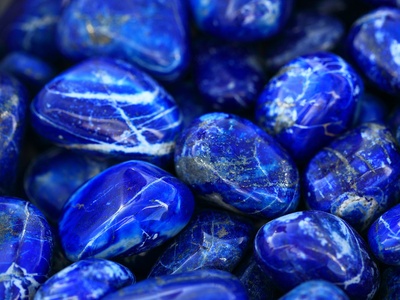
Lapis lazuli
Sarf‑e‑Sang is a world‑famous source of high‑quality lapis with centuries of production. Gem quality commands high prices but mines are artisanal and political/security issues complicate formalization.
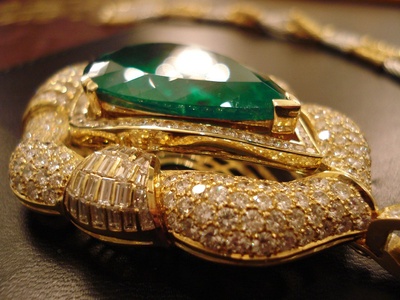
Emeralds
Panjshir emeralds are internationally prized. Deposits are typically small, high‑grade pockets; artisanal mining dominates and formal development is limited by terrain and security.
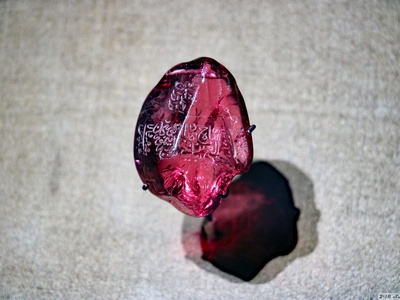
Ruby and red spinel
Historic occurrences yielded high‑quality rubies and spinels. Production has been artisanal; reserves are poorly quantified but attract gem traders when accessible.
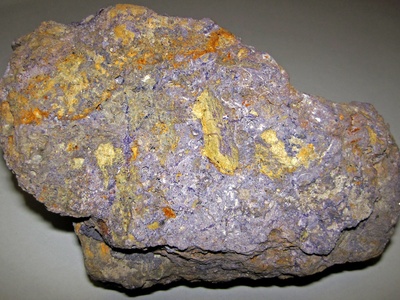
Fluorspar (fluorite)
Fluorspar has industrial uses (metallurgy, chemicals). Known occurrences could supply regional markets if beneficiation and transport are arranged.
Marcasite/pyrite (sulphides)
Widespread sulphide minerals host base and precious metals; pyrite is common in exploration targets and can be an indicator mineral for gold and copper systems.
Sandstone/gravel (construction aggregate)
Sand and gravel are plentiful and underpin local construction. While abundant, quality and sustainable sourcing near urban centers determine economic value.
Gypsum‑gypsiferous cement raw material
Cement feedstocks including gypsum and calcareous materials exist regionally. Local cement production could expand if integrated with transport improvements.
Pistachio and nut orchards
Pistachios, almonds and walnuts are traditional high‑value crops suited to dry, mountainous areas. Expansion offers export potential but needs irrigation, marketing and post‑harvest systems.
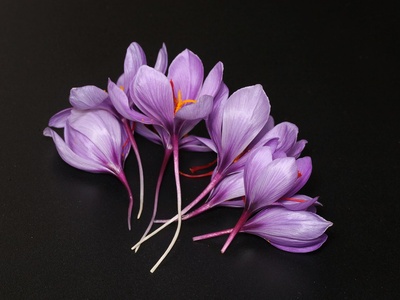
Saffron (crocus sativus)
Saffron is a high‑value, low‑water crop that has expanded rapidly. It can boost rural incomes but quality control, adulteration risks and market access are key constraints.
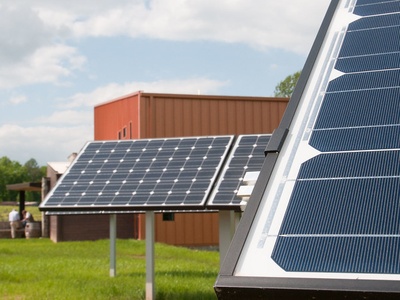
Solar energy potential
Afghanistan receives high solar irradiance making utility and off‑grid solar attractive. Potential is large but grid weakness, financing and security limit large projects.
Wind energy potential
Several corridors show promising wind speeds for utility‑scale wind farms. Development hinges on grid upgrades, site studies and investment certainty.