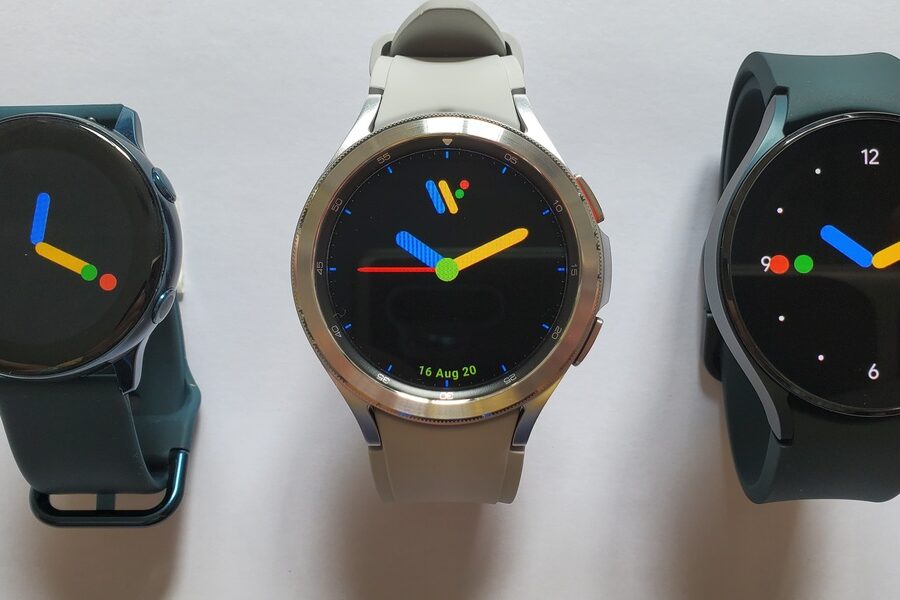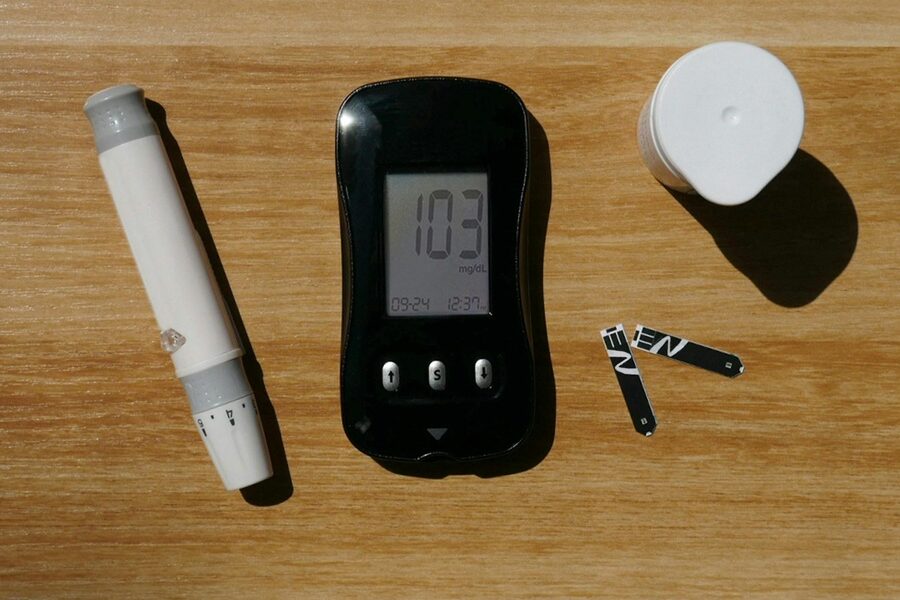
When Steve Mann built one of the first wearable computing prototypes in the 1990s, it was hailed as a breakthrough in personal computing — but the technology also raised immediate concerns about surveillance and privacy.
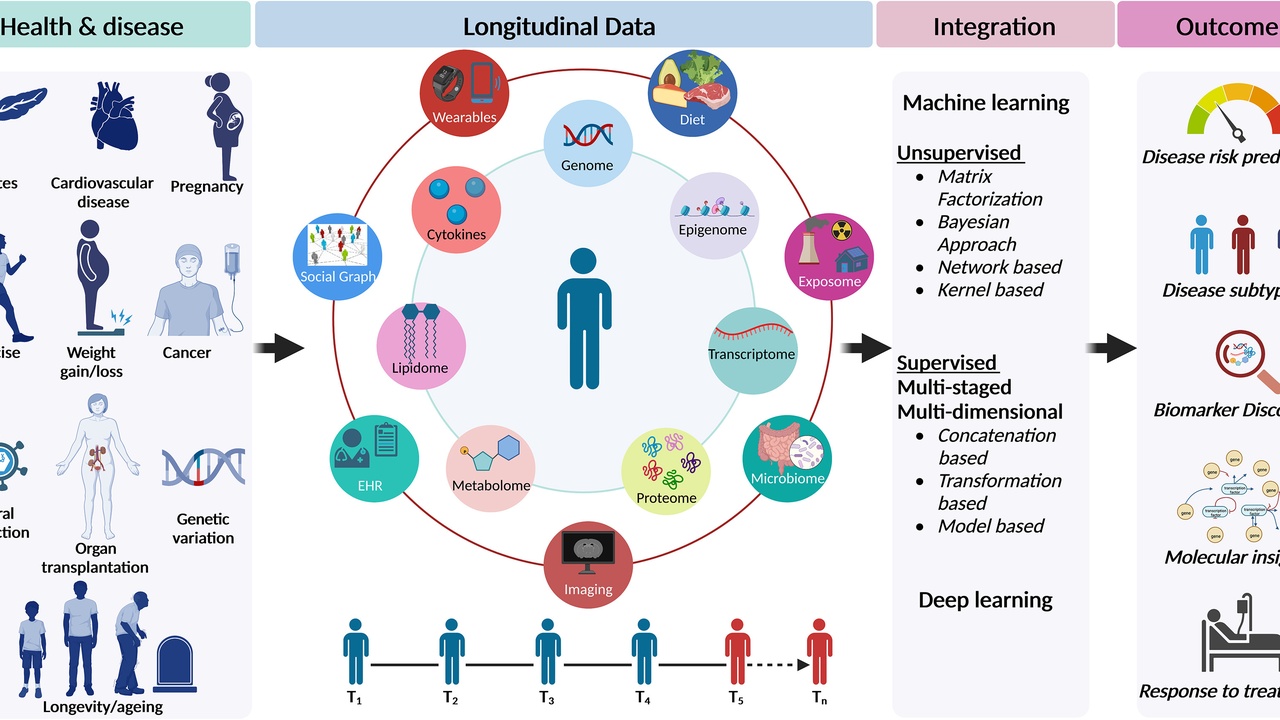
In the past decade, fitness trackers, smartwatches, rings, and smart glasses have moved from niche labs into millions of wrists and pockets. They collect minute-by-minute signals about where we go, how we sleep, and how our bodies behave. Wearable technology promises convenience and insight, yet it brings a distinct set of trade-offs: privacy and security vulnerabilities, health and safety concerns, and practical or societal costs that deserve scrutiny. Below are seven concrete disadvantages, illustrated with real examples, data points, and steps readers can take to reduce harm.
First up: why the data these devices collect matters.
Privacy & Data Security Risks
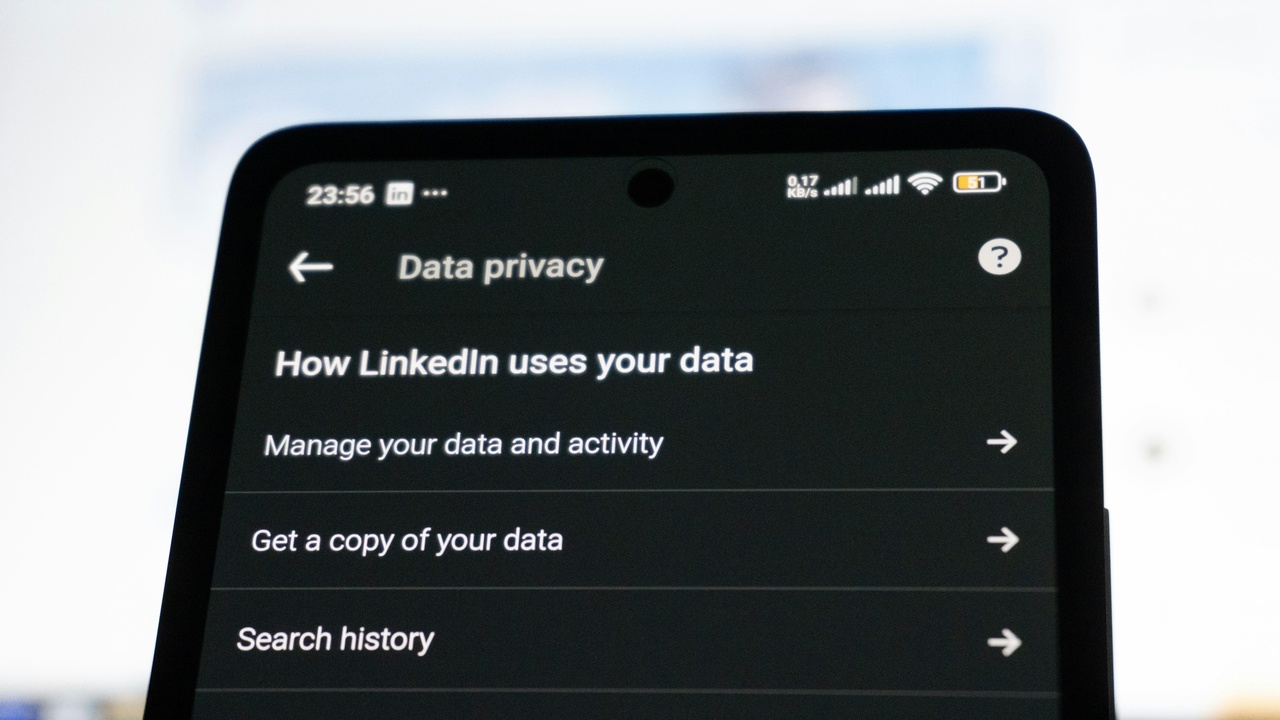
Wearables record continuous, intimate signals — heart rate, sleep stages, step counts, and GPS traces — and then sync those streams to phone apps and cloud services. Regulators have noticed: the EU’s GDPR came into force in 2018 and has driven closer scrutiny of health-adjacent data, but many vendors still rely on broad consent models that leave gaps for consumers.
1. Continuous data collection creates privacy exposure
These devices sample biometric and location data around the clock, producing a volume of readings far greater than a one-off medical test. A modern smartwatch can log heart-rate measurements dozens of times an hour and GPS breadcrumbs during a run.
That continuous stream can reveal routines — where you sleep, where you work, and whom you visit — and enable detailed profiling. Employers or insurers with access to activity logs can infer health or lifestyle patterns. Location-enabled fitness maps have already exposed military bases and patrol routes in public heatmaps.
Short mitigation: review app permissions, turn off location or continuous sensors when not needed, and disable automatic cloud backups for sensitive logs.
2. Devices and platforms are attractive targets for hackers
Many wearables and their companion apps ship with limited security controls, which makes them appealing targets. Attack paths include Bluetooth pairings, insecure APIs, and cloud backends with weak authentication.
Real-world examples: the broader fitness app ecosystem suffered a major data incident in 2018 when Under Armour disclosed a breach affecting roughly 150 million MyFitnessPal accounts; the event underscored how health-adjacent records can be exposed even when they live outside clinical systems.
Consequences range from theft of personal profiles to spoofed health readings that could mislead a patient or clinician. Practical defenses are straightforward: install firmware updates promptly, protect companion apps with strong passwords and two-factor authentication, and choose vendors with a clear security disclosure policy.
3. Opaque data sharing and unclear consent
Many wearables share information with third parties under broad terms buried in privacy policies. Consumers frequently misunderstand how much data is shared and for what purpose, and studies show users rarely read full terms before consenting.
That flow of data can feed advertising ecosystems or be repurposed by insurers and brokers. The 2021 acquisition of Fitbit by Google (a $2.1 billion deal that drew regulatory attention) highlighted concerns about combining activity data with ad platforms.
To limit exposure: pick vendors that minimize data sharing, opt out of marketing partnerships when possible, and routinely audit connected apps and services.
Health & Physical Safety Concerns
Wearables promise medical insight but most consumer devices are designed for wellness rather than diagnosis. Regulatory oversight differs: the FDA approves medical-grade devices and cleared algorithms (Apple’s ECG feature received FDA attention in 2018), while many consumer wearables operate without the same clinical validation.
4. Health metrics can be inaccurate or misleading
Consumer wearables are great at showing trends, but they can produce false positives and false negatives. Sensors are affected by motion, skin tone, device fit, and algorithm design, so short-term readings may be noisy.
Studies and vendor disclosures both show measurable error margins: heart-rate readings can drift during high-intensity exercise, step counts and calorie estimates vary significantly across activities, and sleep-stage classification is less reliable than clinical polysomnography.
Practical guidance: use wearables as adjuncts for spotting trends, not as definitive diagnoses. If a device flags a serious condition (for example, an irregular rhythm), follow up with a clinician and confirm with medical-grade testing.
5. Physical-device hazards: irritation, overheating, battery failures
Wearing devices continuously brings physical risks: contact dermatitis, pressure sores, and — in rare cases — overheating or battery failures. Some early devices prompted widespread reports of skin irritation; in 2014 Fitbit recalled its Force wristband amid complaints.
Problems often stem from materials, prolonged friction, or defective charging circuits. Children and those with sensitive skin are more vulnerable to allergic reactions or pressure marks.
To stay safe: follow manufacturer charging instructions, remove devices if irritation appears, check recall notices periodically, and consider trying alternative bands made of hypoallergenic materials.
Practical, Social, and Environmental Costs

Beyond data and health, wearables bring practical trade-offs: limited battery life and repairability, new social dynamics around monitoring, and environmental burdens from short device lifecycles. These drawbacks are often less visible but just as consequential.
6. Social and behavioral harms: surveillance, distraction, dependence
Wearables can change behavior by design. Employers and insurers sometimes offer wellness incentives tied to activity data, and pilot programs have used wrist-worn sensors to monitor safety or productivity.
That creates pressure to share personal metrics and can foster anxiety or compulsive tracking. Constant feedback may produce stress about meeting arbitrary targets, and notifications can cause distraction — pedestrians and drivers have reported near-misses after looking at screens or wrist alerts.
Mitigations include clear workplace policies that limit data use, enabling do-not-disturb or low-power modes, and setting personal boundaries around tracking frequency.
7. Cost, short lifecycles, and environmental impact
Many wearables face rapid obsolescence as manufacturers ship new models and software updates end after a few years. Consumers often pay for hardware plus optional subscriptions for advanced features, increasing lifetime cost.
The environmental toll is real: the UN’s Global E-waste Monitor reported global electronic waste in the tens of millions of tonnes (53.6 million metric tonnes in 2019), and small devices like wearables are harder to recycle because they contain tiny batteries and mixed materials.
To reduce impact, consider repairable models, buy certified refurbished devices, and use manufacturer take-back or recycling programs. Skipping unnecessary subscriptions can also lower long-term cost.
Summary
- Wearables collect dense personal streams (location, biometrics) that create privacy and security exposure, with real incidents like the 2018 MyFitnessPal breach and broad regulatory interest since GDPR (2018).
- Health data from consumer devices can be noisy: devices are useful for trends but not a substitute for clinical tests, and physical risks (skin irritation, battery issues) have triggered recalls and warnings.
- Social and environmental costs are often overlooked: workplace monitoring and constant feedback can harm wellbeing, while short device lifecycles contribute to growing e-waste.
- Practical steps readers can take include checking app permissions, applying firmware updates, choosing vendors with clear privacy policies, and favoring repairable or refurbished hardware.
- Weigh the disadvantages of wearable technology against their benefits, and consider advocating for clearer vendor practices and stronger regulation when data or safety risks appear.