
10 Differences Between Smart Cities and Traditional Cities
By 2050, an estimated 68% of the world’s population will live in cities, and urban centers already account for roughly 70% of global carbon emissions.
Picture a familiar city with fixed bus schedules, paper permits, and crews responding after a pothole forms. Now picture one wired with sensors, apps, and centralized dashboards that adjust signals, detect leaks, and forecast demand.
These shifts matter because they change commute times, utility bills, public safety, and privacy for millions of residents.
Technology & Infrastructure Differences
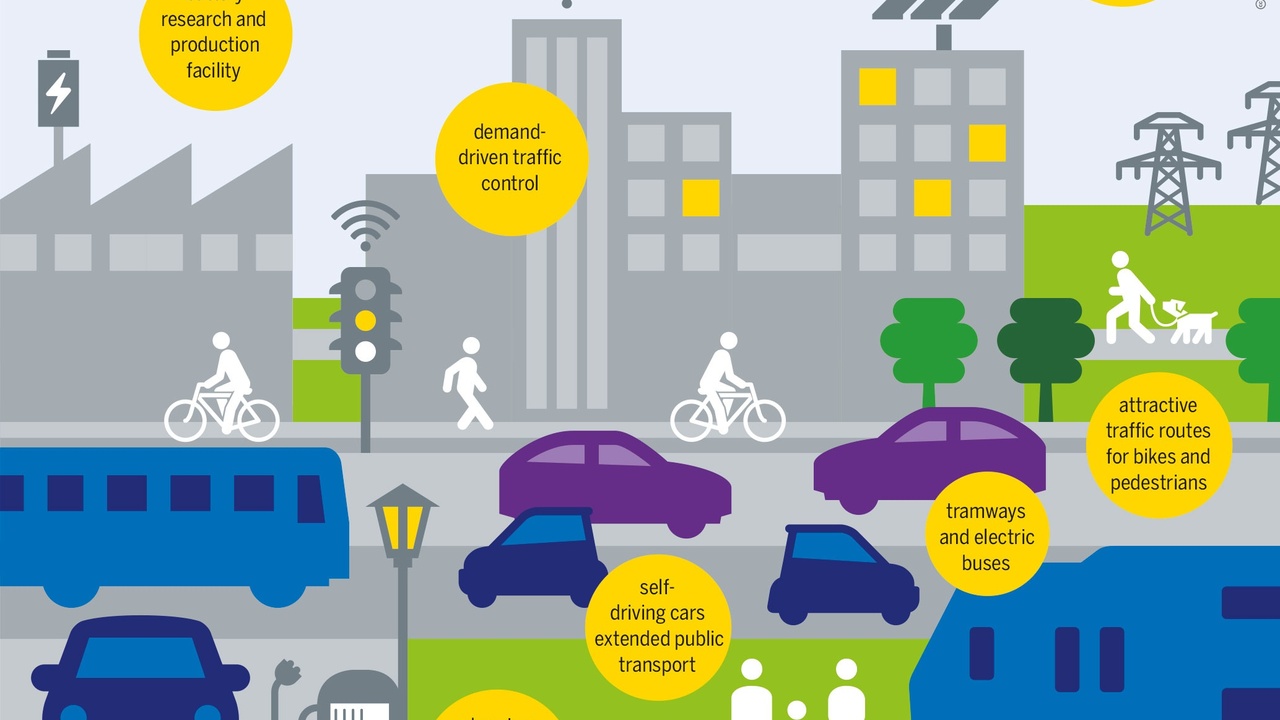
The technical backbone is where smart and traditional cities diverge most visibly. Smart cities deploy connected sensors, pervasive networks, and shared platforms so operations run on continuous data.
Traditional cities often rely on manual counts, periodic surveys, and siloed paperwork. That means responses are slower and planning is less precise.
The result is clearer service delivery: real-time systems improve responsiveness and reduce waste, but they also require new investments and governance around data and vendors.
1. Real-time sensing and data collection
Smart cities collect continuous, real-time data via sensors while traditional cities gather information less frequently through manual counts or surveys.
Santander, Spain, deployed over 12,000 sensors to monitor parking, traffic, and pollution, enabling faster operational fixes. In New York, LinkNYC kiosks include environmental sensors as part of public infrastructure.
Practical effects include dynamic traffic signal timing, earlier detection of water leaks, and immediate air-quality alerts. That capability increases the need for clear privacy rules and data governance.
2. Networked infrastructure: IoT and 5G vs legacy networks
Smart cities depend on ubiquitous wireless networks—IoT protocols and growing 4G/5G coverage—to link devices, unlike traditional systems that are often fragmented or wired-only.
Industry forecasts expect millions of urban IoT devices and broader 5G rollout by the mid-2020s to 2030. Cities use this connectivity for remote meter reading, connected streetlights, and public Wi‑Fi.
Los Angeles has run adaptive streetlight projects. Seoul and Dubai have hosted early 5G pilots for telematics and remote services, reducing manual labor and enabling low-latency applications.
3. Digital twins and data platforms vs paper and siloed databases
Digital twins are virtual city models that let planners simulate scenarios, forecast impacts, and test interventions—tools rarely available in traditional, paper-driven planning.
Singapore launched Virtual Singapore and Helsinki built a 3D city model in the 2010s and 2020s to model flood risk, transit changes, and maintenance needs.
These platforms improve cross-department data sharing and predictive maintenance, helping cities cut costs and spot risks earlier than periodic reviews allow.
Governance, Services & Decision-Making
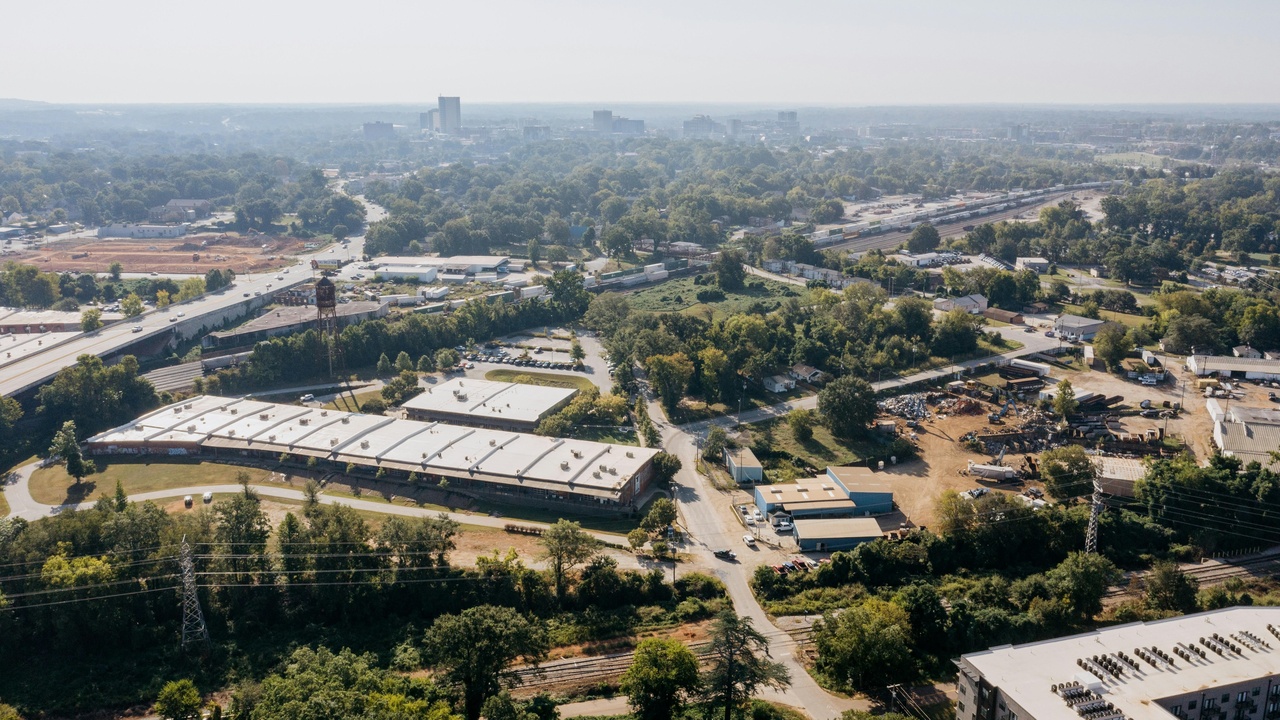
These differences between smart cities and traditional cities show up clearly in how municipal decisions are made and how services are delivered.
Smart cities use dashboards, live KPIs, and public portals to guide action. Traditional cities often depend on multi-step approvals, paper records, and established precedent.
That matters for transparency, accountability, and who gets a voice in how data is used.
4. Data-driven governance and performance metrics
Smart-city operations centers display live KPIs and use predictive analytics; traditional agencies base many choices on historical reports and experience.
Cities that adopted dashboards have reported measurable gains. For example, some operations centers helped cut emergency dispatch times and target road repairs more effectively.
Tools like IBM’s Smarter Cities Challenge and New York City operations dashboards illustrate how cross-department coordination can move from reactive to predictive.
5. Digital public services and citizen engagement
Smart cities offer many services online or through apps; traditional cities still require in-person visits or paper forms for permits and payments.
Estonia’s e‑government and digital ID system enable high uptake of e-services, while Boston’s 311 mobile platform lets residents report issues and track responses digitally.
Online permitting and open-data portals increase convenience but also create a digital divide that cities must address with training and access programs.
6. Contracting, private partnerships, and vendor roles
Smart-city projects often rely on public–private partnerships and technology vendors in ways that traditional infrastructure seldom did.
Sidewalk Labs’ Toronto proposal (2017–2019) received heavy scrutiny over data ownership and governance. Cisco and IBM have partnered with cities on platforms and operations centers.
These partnerships speed deployment and bring investment, but they raise procurement, vendor-lock, and oversight concerns. Best practice includes clear data contracts, open standards, and civic review.
Urban Life, Mobility & Economy
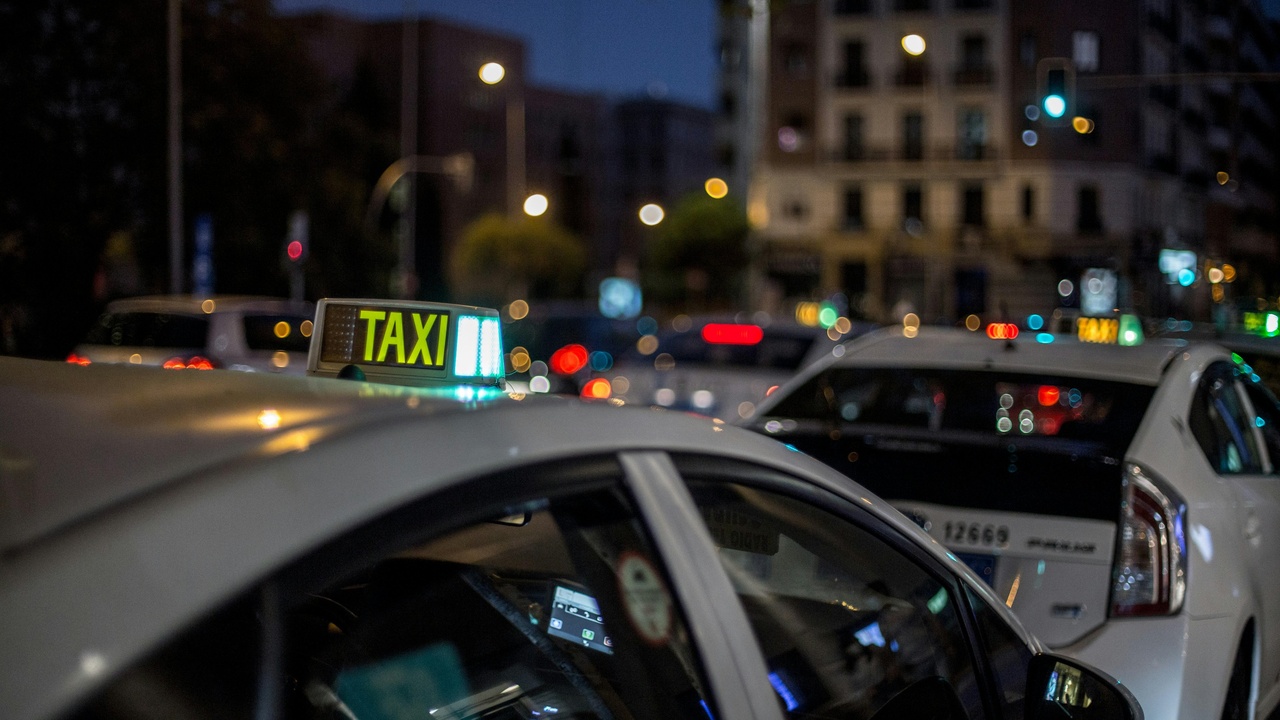
Smart-city tech reshapes how people move, shop, and work in a city. Mobility becomes dynamic, businesses tap data, and new jobs arise.
Traditional cities offer more one-size-fits-all services and slower, schedule-based transit. The difference shows up in daily convenience and local economic opportunity.
7. Mobility: adaptive traffic control and multimodal planning
Smart cities adjust traffic flow in near real time; traditional cities rely on fixed signal timing and static transit schedules.
Pittsburgh’s Surtrac adaptive signals reported travel time reductions around 25% and wait-time drops up to 40% in trials. That means shorter commutes and lower emissions without building new roads.
Other examples include integrated mobility apps and on-demand microtransit pilots that tie first/last mile trips to buses and trains.
8. Economic impacts: jobs, startups, and local services
Investments in smart infrastructure create tech jobs and spur startups that offer parking marketplaces, energy-management tools, and analytics services.
Cities such as Barcelona and Amsterdam became hubs for smart-city startups. Demand rises for data analysts, systems integrators, and field technicians while some traditional roles shift or shrink.
Workforce reskilling programs and inclusive procurement can help ensure benefits reach local residents rather than outside vendors alone.
Sustainability, Safety & Resilience

Smart cities use sensors, demand management, and models to prevent failures and adapt to climate risks. Traditional cities often act after an event, following slower planning cycles.
Active management can cut costs and greenhouse-gas emissions while improving safety and continuity of services during extreme weather.
9. Energy and environmental management
Smart cities deploy smart meters, demand-response programs, and distributed energy resources to shave peak load and integrate renewables.
LED streetlight retrofits often reduce energy use by 40–60% in municipal lighting programs. Microgrid pilots at places like Brooklyn Navy Yard and sites in Singapore show how local resilience improves with distributed resources.
Real-time pollution monitoring helps target interventions and track progress on emissions goals faster than periodic sampling alone.
10. Resilience and emergency response
Connected sensors and predictive analytics let cities detect hazards earlier and coordinate multi-agency responses more quickly than traditional systems.
Rotterdam and other Dutch pilots use flood-sensor networks and digital-twin runoff models to give responders critical lead time. Cities also use dashboards to manage shelter capacity and automate outage alerts.
These tools work only if governance links agencies, vendors, and communities so that data flows where it’s needed in an emergency.
Summary
- Smart cities use continuous sensors, networked infrastructure, and digital platforms to make services faster and more efficient.
- Governance, procurement, and privacy matter as much as the technology; public–private partnerships can speed projects but require clear data rules.
- Mobility, local economies, and resilience improve measurably—examples include Surtrac in Pittsburgh, LinkNYC, Virtual Singapore, and LED lighting savings of 40–60%.
- Ask local officials about open-data portals, pilot programs, and how they protect residents’ data before projects scale up.