In 1854, physician John Snow removed the Broad Street pump handle in London and helped stop a cholera outbreak — an early, vivid example of preventing disease rather than treating it after the fact.
Preventive medicine and curative medicine share the same aim — healthier people — but they differ fundamentally in goals, timing, methods, measurement, costs, ethics, workforce, technology, and policy. Smallpox eradication (declared by WHO in 1980) and widespread vaccination programs show how population-focused action can eliminate a threat entirely.
Understanding the differences between preventive medicine and curative medicine helps clinicians, policymakers, and the public decide where to invest limited resources as populations age and chronic disease rises. Below are ten clear differences grouped under three high-level themes: philosophy & objectives; timing, approach & methods; and economic, policy & system-level differences.
Philosophy and Objectives
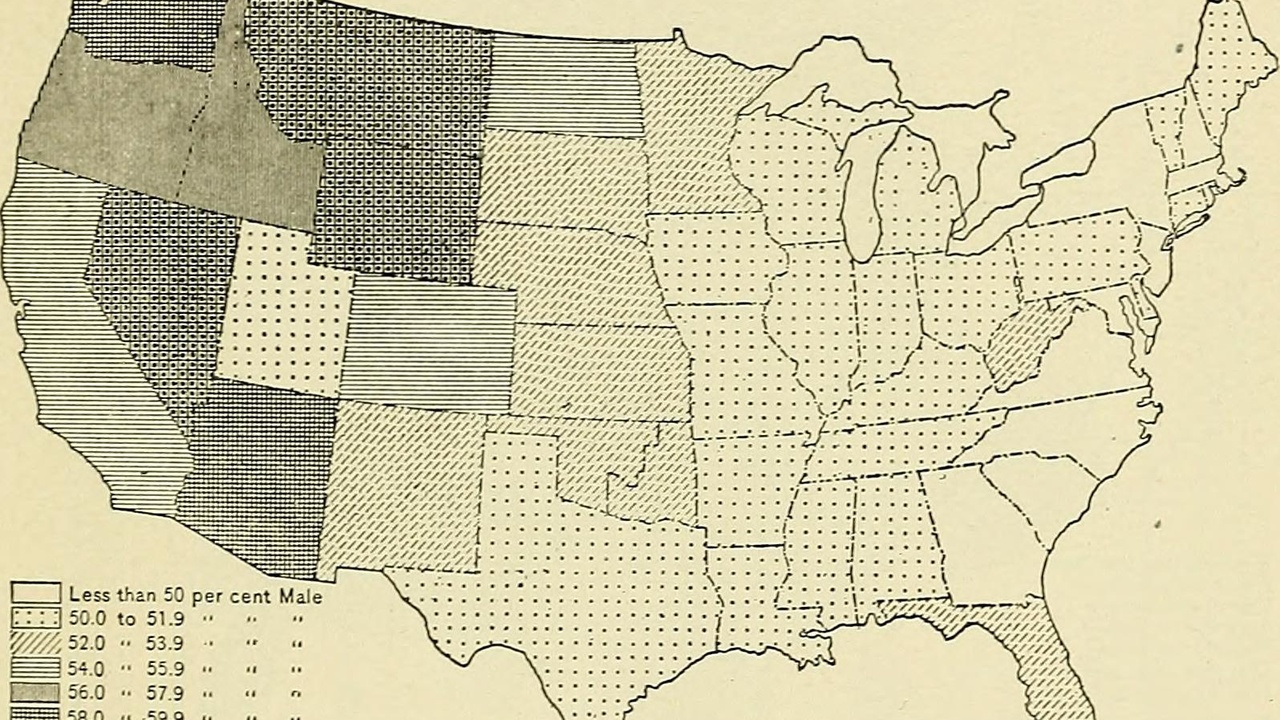
This category gets to the deepest conceptual split: who or what each field tries to change and what “success” looks like. Preventive work aims to shift risks across communities and generations; curative work aims to restore health for the person sitting in front of the clinician. Below are three concrete ways that difference plays out.
1. Primary Goal: Prevent disease versus cure disease
Preventive care seeks to stop disease before it starts; curative care treats illness after it appears.
John Snow’s pump-handle action prevented more cholera cases than any single clinic visit could have cured. On a global scale, WHO declared smallpox eradicated in 1980 after coordinated vaccination campaigns eliminated new cases entirely. Vaccines have also saved millions of lives more recently—for example, measles vaccination is estimated to have prevented about 23.2 million deaths between 2000 and 2018, according to WHO/CDC analyses.
For planners, the distinction matters because prevention changes incidence and future burden, while curative care improves outcomes for people already ill. Public expectations differ too: people want quick cures for symptoms, but public health yields its biggest gains over decades.
2. Target: Populations versus individual patients
Preventive interventions are usually aimed at groups—entire communities, birth cohorts, or at-risk populations—whereas curative care focuses on the individual patient in clinic or hospital.
That population focus allows preventive programs to accept trade-offs that benefit many. Mass immunization or smoking-cessation campaigns are designed to maximize coverage and herd protection rather than tailor every step to a single patient’s preferences.
Screening illustrates the contrast. National Pap smear and cervical-cancer screening programs slashed incidence in high-income countries—often by more than 70% after widespread adoption—because the program-level reach matters as much as test performance. Clinicians, by contrast, weigh screening decisions against an individual’s values, comorbidities, and immediate risks.
Timing, Approach, and Methods
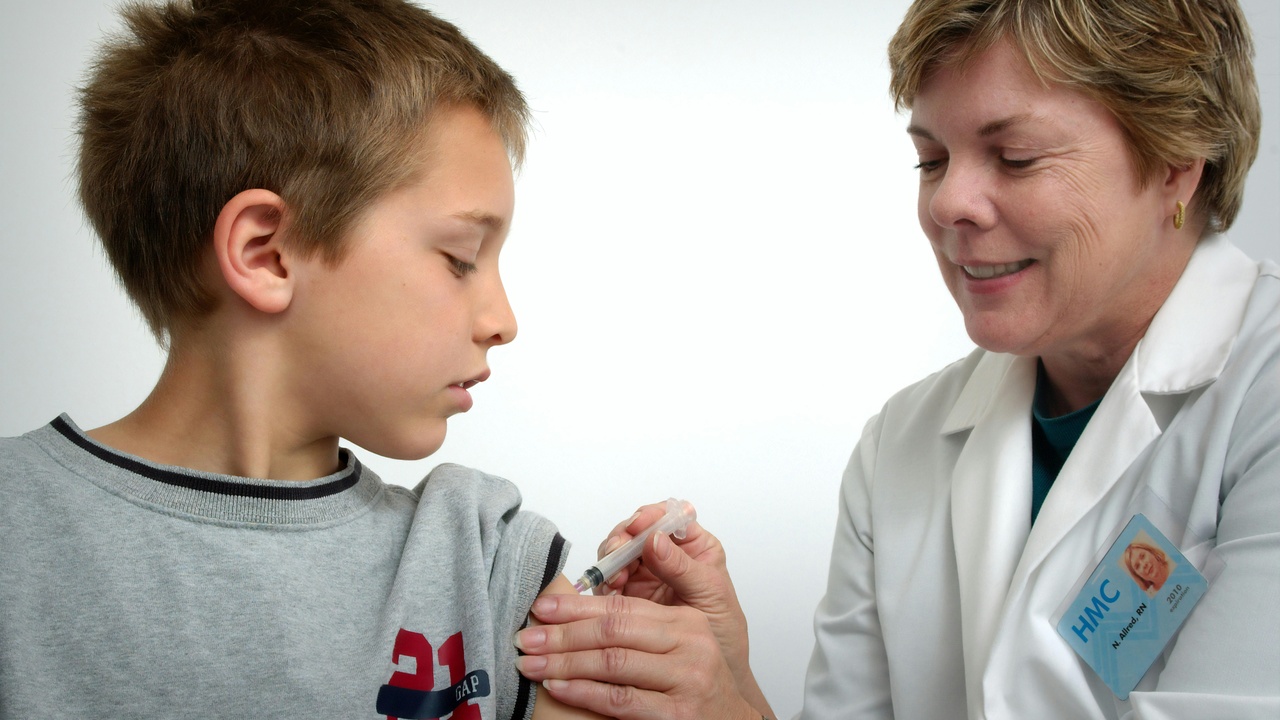
The differences between preventive medicine and curative medicine show up clearly in when actions occur and what tools are used. Prevention is proactive and horizon-focused; curative care reacts to disease and seeks immediate improvement.
3. Timing: Proactive prevention versus reactive treatment
Prevention operates before disease onset. Vaccines, lifestyle programs, environmental controls and risk-factor reduction all aim to stop people from becoming sick in the first place.
Curative medicine reacts: diagnostics, antibiotics, surgery, chemotherapy and palliative care intervene after a diagnosis. A familiar stat from cardiovascular trials illustrates preventive timing: the Cholesterol Treatment Trialists show roughly a 25% relative reduction in major vascular events for each mmol/L of LDL lowered with statins, a gain that accrues over years of therapy rather than a single episode of care.
From a health-system view, prevention requires sustained investment that pays off slowly; curative services create immediate demand and measurable short-term outcomes, like surgical survival or infection clearance.
4. Methods and tools: Vaccines, screening, lifestyle versus surgery, drugs, and rehabilitation
Typical preventive tools include vaccination, population screening, health education, taxation or regulation (for example tobacco control), and environmental interventions such as safe water and sanitation.
Curative tools lean on diagnostics, targeted pharmaceuticals, surgical procedures, intensive inpatient care, and rehabilitation. Some historic dates mark these differences: Alexander Fleming’s discovery of penicillin in 1928 established modern curative antimicrobial therapy, while the first human papillomavirus (HPV) vaccines were licensed in 2006 and are now preventing cervical precancers at the population level.
Tools can overlap. Monoclonal antibodies and prophylactic antivirals are used both to prevent disease in high-risk groups and to treat active illness, blurring strict boundaries between prevention and cure.
5. Measurement and success metrics: incidence reduction versus cure and survival rates
Success looks different depending on the lens. Public-health success is often measured by incidence, prevalence, program coverage, herd immunity, and DALYs averted.
Clinical success metrics include cure rates, short- and long-term survival, symptom relief, functional recovery, and readmission rates. For vaccines, targets are concrete—measles requires roughly 95% coverage to sustain herd immunity—so coverage percentages drive program goals.
Which metrics a health system prioritizes shapes funding, staffing and evaluation. Prevention tends to favor population-level indicators; clinical care emphasizes patient-centered outcomes and quality metrics.
6. Risk–benefit and ethical trade-offs: population interventions, false positives, and individual consent
Ethical tensions show up differently in each domain. Population-level measures can impose small risks or limits on autonomy for collective benefit—vaccine mandates or water fluoridation are examples—where benefits accrue broadly while rare harms fall on individuals.
Screening programs create familiar dilemmas: false positives, anxiety, and overdiagnosis. Debates over PSA screening for prostate cancer and mammography policies highlight how evidence thresholds and value judgments change recommendations and public acceptance.
Curative care centers on individual consent and shared decision-making about trade-offs between risks and benefits. Transparent communication, clear thresholds for action, and robust informed-consent processes are essential in both spheres, but they play out under different ethical pressures.
Economic, Policy, and System-Level Differences

Costs, incentives, workforce composition and regulation tilt the balance between prevention and cure. Prevention often needs upfront funds and policy levers; curative care generates predictable, high per-patient costs that dominate health budgets.
7. Cost dynamics: Upfront investment versus acute care expenses
Prevention frequently requires investment before benefits appear: building immunization infrastructure, running public campaigns, or installing clean-water systems. The returns accrue over years or decades.
Curative services—hospital stays, surgeries, expensive drugs—create immediate, high per-case expenses. That timing mismatch affects politics and budgeting: short electoral cycles and annual budgets favor visible, near-term care over long-term prevention.
Concrete math helps explain policy choices. CDC estimates show that every $1 spent on childhood immunization saves roughly $10.10 in direct healthcare costs, not to mention the broader societal benefits of avoided disability and productivity loss.
8. Workforce and training: epidemiologists and public-health specialists versus clinicians and surgeons
Different competencies and career paths are involved. Public-health professionals and epidemiologists specialize in surveillance, program design, behavior change, and policy evaluation. Clinicians train in diagnostics, procedures and bedside decision-making.
Crises expose gaps. During COVID-19 in 2020, many hospitals redeployed clinical staff into public-health tasks and hired contract tracers, showing the value of cross-training. Agencies such as the CDC and WHO run training pipelines, but overall investment in the public-health workforce tends to be smaller compared with spending on clinical training programs.
Strengthening both pipelines—and encouraging joint competencies—improves system resilience and helps integrate prevention into routine clinical care.
9. Technology and data use: surveillance, population analytics, and diagnostics
Preventive medicine increasingly depends on surveillance systems, population analytics and predictive modeling. Curative care relies on diagnostics, imaging and therapeutic devices.
During the COVID-19 pandemic in 2020, contact-tracing apps and genomic sequencing were essential prevention tools for identifying outbreaks and variants. In hospitals, MRI, PET-CT and robotic-assisted surgery show how device-driven diagnostics and procedures support curative work.
Electronic health records can bridge both domains: population-health modules in EHRs enable targeted outreach for screenings and vaccinations while feeding back clinical outcomes to program designers.
10. Policy, incentives, and legal frameworks: taxes, mandates, and reimbursement
Policy tools differ by aim. Prevention often relies on fiscal and legal levers—taxes on tobacco, mandates for school vaccines, clean-air regulations—alongside public financing. Curative care is shaped by reimbursement rates, malpractice law and professional licensing.
Policy examples with measurable impact are persuasive. U.S. smoking prevalence fell from about 42% in 1965 to roughly 14% in 2019, driven in part by tobacco taxes, advertising restrictions and public campaigns. Payment models matter too: fee-for-service tends to reward volume of clinical procedures, while value-based payment pilots try to align incentives toward prevention and better long-term outcomes.
Ultimately, legal and fiscal choices determine how health systems balance immediate care and long-term prevention.
Summary
- Prevention focuses on population risk reduction and stopping new cases; curative care treats existing disease and prioritizes patient-level outcomes.
- Prevention often needs upfront spending with delayed returns—vaccination programs saved lives and money (CDC: $1 on childhood immunization → ~$10.10 saved)—while curative care drives immediate, high per-patient costs.
- Different tools, metrics and ethical trade-offs apply: incidence and herd-immunity targets for prevention versus cure rates, survival and symptom relief for clinical care.
- Workforce, technology and policy shape what services are delivered; the COVID-19 response, John Snow’s cholera work and smallpox eradication (1980) show how blending public-health and clinical skills produces major wins.
- Support balanced investment: ask clinicians about preventive options and urge policymakers to fund public-health capacity so the next generation faces fewer, not just better treated, diseases.