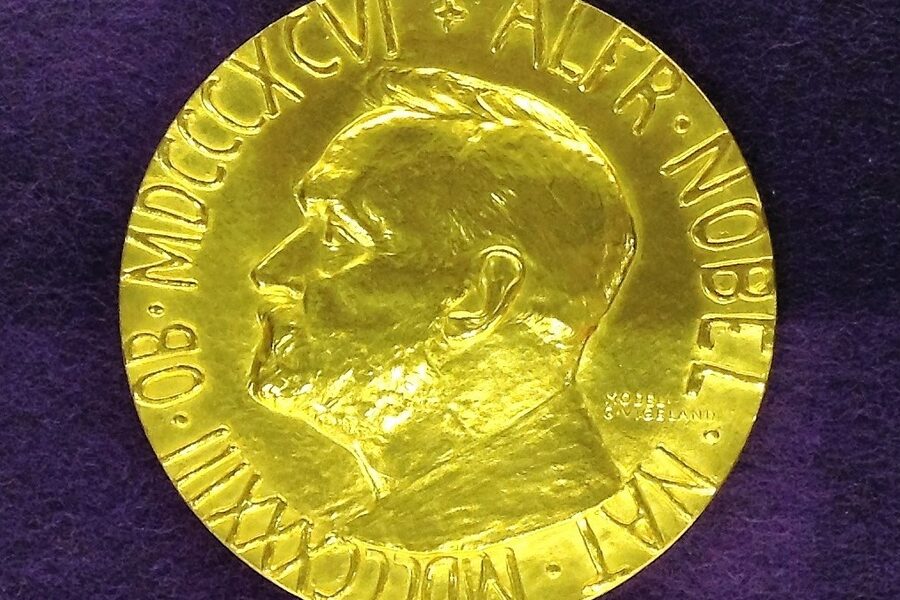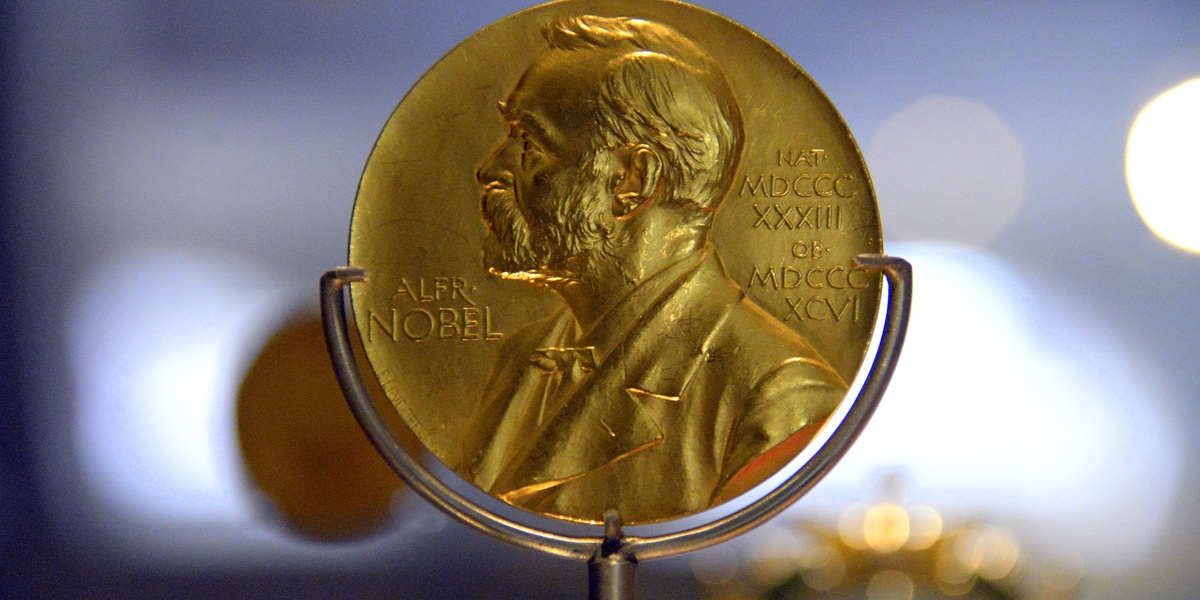
Every Nobel year offers a snapshot of global achievement, and 1988 was no exception — its winners reflect breakthroughs in science, culture and international cooperation. That mix helps show how discoveries and diplomacy both shape history.
There are 12 1988 Nobel Prize Winners, ranging from George H. Hitchings to the United Nations Peacekeeping Forces, demonstrating the span from individual researchers to multinational efforts. For each entry you’ll find below Prize category,Country,Award citation (max 15 words) so you can quickly see the field, national affiliation and a short reason for the award — you’ll find below the full list laid out this way.
Which countries and fields did the 1988 winners represent?
The 1988 winners span the major Nobel fields (medicine, physics, chemistry, literature, peace and economics) and include recipients from several continents; the Country column shows affiliation while Prize category groups their discipline, making it easy to spot geographic or disciplinary trends.
How should I read the short Award citation (max 15 words)?
Treat the citation as a concise summary of why the prize was given — use it to identify the core contribution, then follow the name and category to primary sources or Nobel archives for full context.
1988 Nobel Prize Winners
| Name | Prize category | Country | Award citation (max 15 words) |
|---|---|---|---|
| Leon Lederman | Physics | United States | for the neutrino beam method and the demonstration of the muon neutrino. |
| Melvin Schwartz | Physics | United States | for the neutrino beam method and the demonstration of the muon neutrino. |
| Jack Steinberger | Physics | United States | for the neutrino beam method and the demonstration of the muon neutrino. |
| Johann Deisenhofer | Chemistry | Germany | for the determination of the three-dimensional structure of a photosynthetic reaction center. |
| Robert Huber | Chemistry | Germany | for the determination of the three-dimensional structure of a photosynthetic reaction center. |
| Hartmut Michel | Chemistry | Germany | for the determination of the three-dimensional structure of a photosynthetic reaction center. |
| James W. Black | Physiology or Medicine | United Kingdom | for discoveries of important principles for drug treatment. |
| Gertrude B. Elion | Physiology or Medicine | United States | for discoveries of important principles for drug treatment. |
| George H. Hitchings | Physiology or Medicine | United States | for discoveries of important principles for drug treatment. |
| Naguib Mahfouz | Literature | Egypt | for his rich and complex novels depicting Egyptian life. |
| United Nations Peacekeeping Forces | Peace | United Nations | for their efforts in peacekeeping worldwide. |
| Maurice Allais | Economic Sciences | France | for pioneering contributions to market theory and resource allocation. |
Images and Descriptions

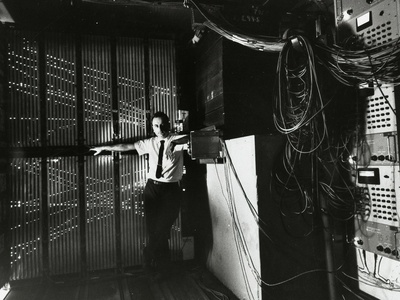
Leon Lederman
American experimental physicist, director of Fermilab, instrumental in particle physics. Shared the 1988 Physics Prize for developing neutrino beam methods and helping demonstrate the muon neutrino, advancing understanding of lepton families and particle interactions.
Melvin Schwartz
American physicist noted for experimental neutrino research at Brookhaven. Shared the 1988 Physics Prize for co-developing the neutrino beam method and establishing the distinct muon neutrino, a key discovery in particle physics.
Jack Steinberger
German-born American experimental physicist who worked at CERN and Columbia. Shared the 1988 Physics Prize for his role in developing neutrino beam techniques and confirming the muon neutrino, crucial to understanding subatomic particle families.
Johann Deisenhofer
German biochemist who co-determined the three-dimensional structure of a photosynthetic reaction center using X-ray crystallography. Shared the 1988 Chemistry Prize, enabling molecular-level insight into how photosynthesis converts light to chemical energy.
Robert Huber
German biochemist who solved the atomic structure of a photosynthetic reaction center. Shared the 1988 Chemistry Prize; his structural work clarified how proteins drive energy conversion in photosynthesis.
Hartmut Michel
German biophysicist who resolved the three-dimensional structure of a membrane protein photosynthetic reaction center. Shared the 1988 Chemistry Prize, advancing knowledge of protein architecture and light-driven energy conversion.
James W. Black
British pharmacologist, developer of propranolol and cimetidine, whose work transformed therapy for heart disease and ulcers. Shared the 1988 Medicine Prize for pioneering drug-development principles that reshaped clinical pharmacology.
Gertrude B. Elion
American biochemist and pharmacologist who developed numerous drugs, including immunosuppressants and antivirals. Shared the 1988 Medicine Prize for pioneering targeted drug-development methods that produced effective therapies and influenced modern pharmacology.
George H. Hitchings
American pharmacologist whose antimetabolite research led to key treatments. Shared the 1988 Medicine Prize for developing rational drug-design principles that enabled multiple important medications.
Naguib Mahfouz
Egyptian novelist famed for the Cairo Trilogy and vivid portrayals of Cairo’s society. Awarded the 1988 Literature Prize for novels that combine social realism, psychological depth, and bring Arabic narrative traditions to a global audience.
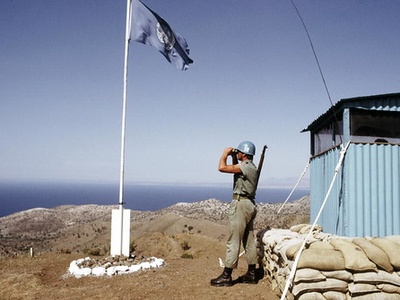
United Nations Peacekeeping Forces
The international UN peacekeeping operations were honored with the 1988 Nobel Peace Prize for maintaining ceasefires, protecting civilians, and facilitating peace processes, recognizing peacekeepers’ humanitarian and stabilizing roles in conflicts worldwide.
Maurice Allais
French economist awarded the 1988 Prize in Economic Sciences for pioneering theoretical insights into market equilibrium, capital theory, and efficient resource allocation, influencing welfare economics and modern economic analysis.