
Acupuncture has been practiced in some form for more than 3,000 years, yet modern readers often treat it as either miraculous or worthless. That split matters now: use of acupuncture has grown, it’s showing up in hospitals and clinics, and patients are getting mixed messages from the internet and well-meaning friends. This piece debunks seven common myths about acupuncture, points to what the evidence actually shows, and gives practical tips for anyone thinking of trying it. A useful milestone: a 1997 NIH consensus conference acknowledged acupuncture’s effectiveness for certain conditions, which helped move research and clinical integration forward. On to the first category—historical roots and how they shape misunderstanding.
Historical and cultural context
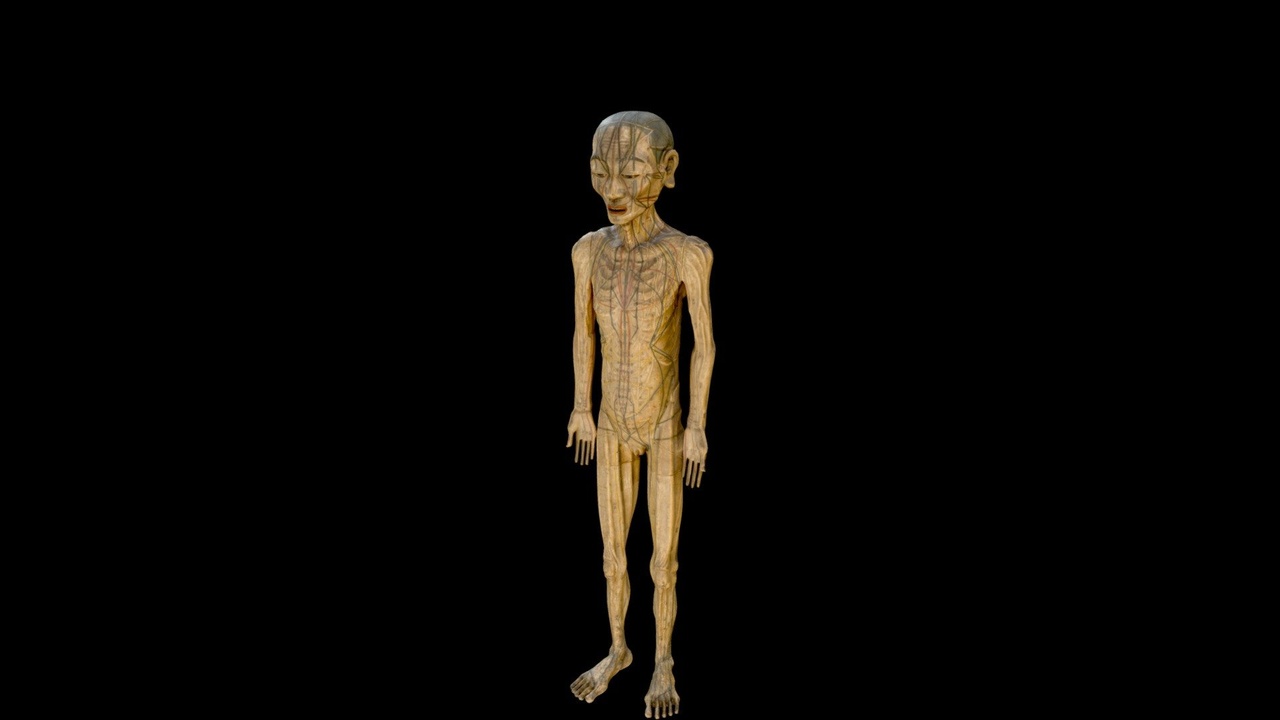
Acupuncture emerged in East Asia and developed across centuries of medical practice and philosophy. Its longevity—roughly three millennia—helps explain why it remains culturally embedded and widely practiced today.
Modern medicine began to evaluate acupuncture more systematically in the late 20th century, with the 1997 NIH statement a notable turning point. Longevity alone doesn’t prove every historical claim, but it does explain why some origin-based myths persist.
1. Myth: Acupuncture is just an ancient superstition — not medicine
Many assume long history equals folklore, but that’s misleading. Since the late 20th century researchers have run dozens of randomized controlled trials and multiple systematic reviews (including Cochrane-style reviews) testing acupuncture for pain, migraine, nausea, and other indications.
Organizations including the NIH and the World Health Organization have recognized evidence of benefit for certain uses. That doesn’t mean acupuncture works for everything, but it does mean claims should be judged by condition-specific evidence. Today you’ll find acupuncture offered in hospitals and pain clinics as part of multimodal care.
2. Myth: If it’s ancient, it can’t have a biological mechanism
It’s true that traditional explanations differ from biomedical language, but research has identified plausible biological effects. Needling can trigger endorphin release, alter local tissue blood flow, and modulate inflammatory markers.
Neuroimaging studies since the early 2000s show changes in brain activity after needling, which helps explain pain and sensory effects. Mechanistic uncertainty remains for some outcomes, but complexity is common across medicine; clinicians rely on both biological and symptom outcomes when judging benefit.
Safety and efficacy — separating fears from facts
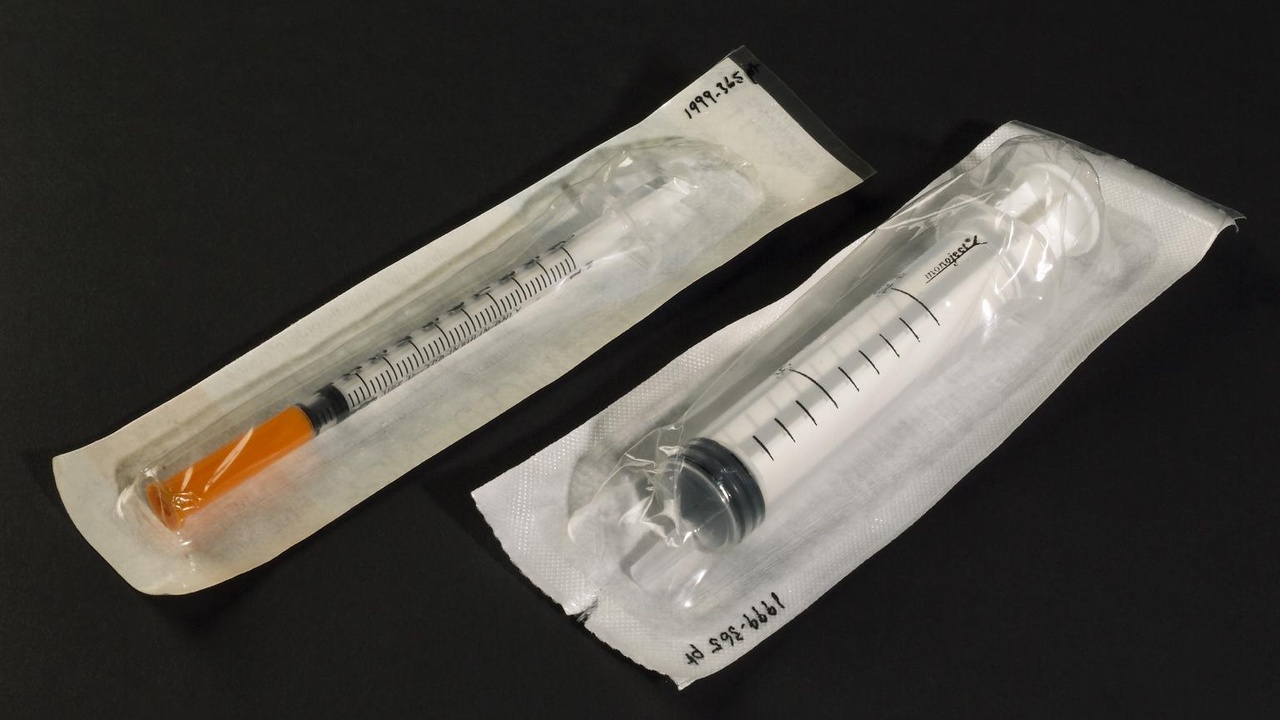
People usually ask two things: Is it safe? And does it work? Short answers: when performed by trained clinicians using single-use sterile needles, serious harms are uncommon; and effectiveness varies by condition, with the strongest evidence for some types of pain and nausea.
3. Myth: Acupuncture is dangerous — high risk of infection or organ puncture
Modern practice uses single-use, sterile needles and standardized hygiene protocols, which greatly reduce infection risk. The FDA classifies acupuncture needles as medical devices, and many jurisdictions require formal training or licensure.
Serious adverse events are rare when treatment is provided by trained, licensed practitioners. Practical steps: check credentials, confirm single-use needles, and tell your practitioner about bleeding disorders or anticoagulant medications before treatment.
4. Myth: The needles are large and the treatment is very painful
Acupuncture needles are thin—typically about 0.16–0.35 mm in diameter—often narrower than hypodermic needles used for injections. Most people feel a brief pinch or a dull, spreading sensation called de qi rather than sharp pain.
Sensation varies by body site and by person; some areas are more sensitive. If you’re needle-phobic, options include acupressure, ear seeds, low-level laser acupuncture, or techniques that minimize insertion discomfort.
5. Myth: One session will fix chronic problems — acupuncture is a cure-all
Acupuncture is a tool, not a magic bullet. For chronic pain many clinicians recommend a course of care—commonly 6–12 sessions over several weeks—with maintenance sessions for some patients. Outcomes are usually measured across that period.
Evidence is clearer for certain conditions (for example, chronic low-back pain and postoperative nausea) and weaker or mixed for others. The practical takeaway: plan for multiple sessions, track your response, and combine acupuncture with exercise, medication, or physical therapy when appropriate.
Practice, training, and access
Misunderstandings about who is qualified and whether insurance pays affect access. Regulation and credentialing vary by country and state, and coverage has expanded in some plans. Below are two common myths that influence how people choose providers.
6. Myth: Anyone can legally and safely perform acupuncture
Training and legal scope differ widely. In many places acupuncturists complete dedicated degree programs and national certification (for example, NCCAOM in the U.S.), while medical doctors may receive shorter training to add needling to their practice.
Do this before your first session: verify state licensure or national certification, ask how many training hours and supervised clinical internships the practitioner completed, and confirm they carry liability insurance. Hospitals usually perform credentialing, which adds another safety check.
7. Myth: Insurance never covers acupuncture — it’s always out-of-pocket
Coverage has expanded recently for certain indications, notably some plans covering chronic low-back pain and postoperative nausea management. Private insurers, employer benefit plans, and health systems vary widely in what they reimburse.
Practical tips: call your insurer, ask the acupuncturist for the billing codes they use (CPT/HCPCS), and check whether you need a physician referral or preauthorization. Many clinics will provide documentation to support reimbursement claims.
Summary
- Some myths about acupuncture come from its long history, but modern randomized trials and reviews show benefits for specific conditions like certain pain syndromes and nausea.
- Safety is strong when licensed practitioners use single-use sterile needles; check credentials (for example, NCCAOM) and disclose blood-thinning medications.
- Expect multiple sessions (commonly 6–12) for chronic issues, track outcomes, and combine acupuncture with other evidence-based therapies when appropriate.
- Insurance coverage varies—call your plan, get billing codes from your clinic, and verify whether referrals or prior authorizations are required.
- Next steps: verify a practitioner’s training, discuss your treatment goals with them and your primary clinician, and try a short course while monitoring symptom changes.