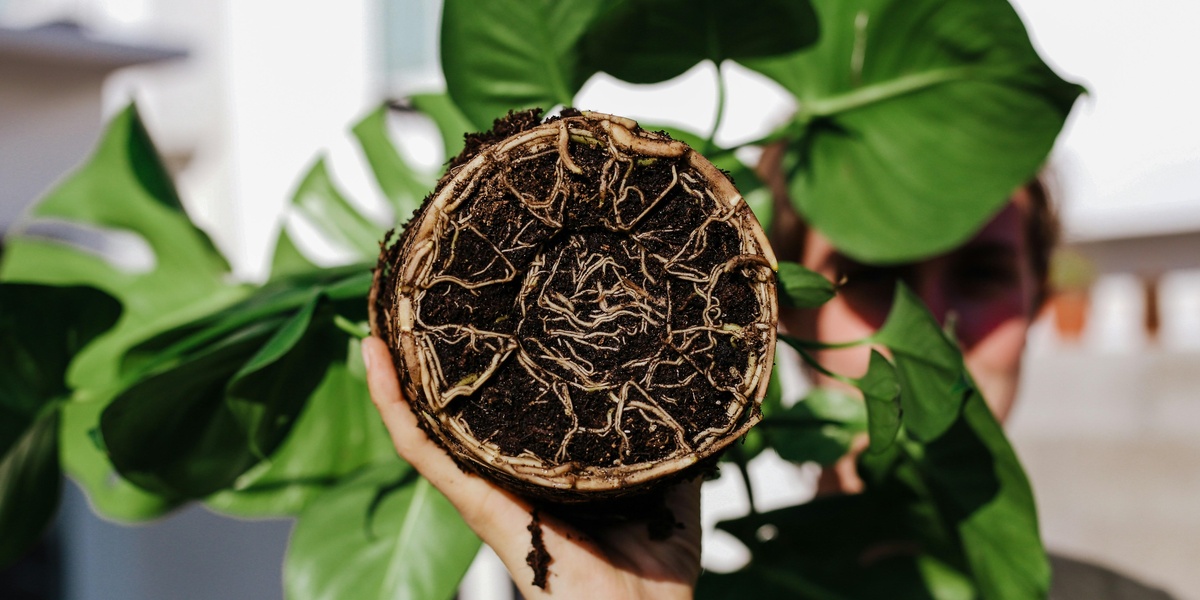
In some grassland ecosystems, roots account for 50–80% of a plant’s total biomass — a striking figure given how much attention leaves receive. That imbalance matters: what happens belowground shapes water cycling, nutrient availability, and how resilient a plant will be to drought, compaction, or pruning.
Distinguishing roots from stems helps gardeners diagnose problems, lets farmers choose the right planting and harvest methods, and guides propagators when taking cuttings. Vascular plants appeared roughly 420 million years ago, and over that time roots and shoots have evolved complementary roles. Roots and stems may look like simple plant parts, but they differ in anatomy, growth patterns, physiology, ecological roles, and practical implications for gardeners and farmers; this article lays out 10 clear, evidence-backed differences to sharpen your understanding.
Anatomy and structure
At a glance the two organs are easy to confuse, but roots and stems show distinct structural features. Below are three key anatomical contrasts that explain why stems carry leaves and flowers while roots specialize in uptake and anchorage.
Image alt text suggestion: “Cross section of stem showing vascular bundles and root stele.”
1. Presence of nodes and internodes: stems have them; roots do not
Stems display nodes (points where leaves and buds attach) and internodes (the segments between nodes); roots lack true nodes and internodes. Nodes commonly bear axillary buds and leaf scars, making them identifiable anatomical landmarks.
This matters practically: propagators include a node when taking a cutting because that node contains the meristematic tissues and dormant buds that will produce roots or shoots. A simple rule: when rooting softwood cuttings of tomato or grapevine, include at least one node — count nodes to estimate where to cut.
2. Vascular arrangement: ring or scattered bundles in stems versus central stele in roots
Vascular tissues (xylem and phloem) are arranged differently: many dicot stems show vascular bundles in a ring, monocot stems have scattered bundles, while roots concentrate xylem and phloem in a central stele—often with a star-shaped xylem core.
That layout affects secondary growth: stems with a continuous cambium (e.g., oak) produce wood and annual rings, whereas most roots centralize transport without the same ring pattern. Look at an oak stem cross-section versus a carrot root: the stem shows concentric growth rings; the carrot shows a central xylem core surrounded by storage tissue.
3. Surface specializations: root hairs versus stem epidermal structures
Roots typically produce abundant root hairs—tubular extensions of epidermal cells—that massively increase absorptive surface area, whereas stems often develop a protective cuticle and, if green, occasional stomata for gas exchange.
Root hairs can boost effective surface area by orders of magnitude on fine feeder roots, so damaging them during transplanting reduces uptake until hair populations recover. In contrast, succulent stems (cacti) have thick cuticles and reduced hair-like structures because the stem itself performs photosynthesis and water storage.
Function and growth
Roots and stems divide labor across transport, support, storage, and growth dynamics. Below are functional differences that explain irrigation decisions, pruning practices, and crop choices.
Image alt text suggestion: “Diagram of root water uptake and stem transport through xylem and phloem.”
4. Primary roles: roots absorb water and nutrients; stems distribute and support
The central split is straightforward: roots take up water and mineral nutrients; stems transport those resources to leaves and provide mechanical support for foliage and reproductive structures.
Xylem-driven water flow moves water from roots to canopy, powered largely by transpiration, and phloem distributes sugars produced in leaves through the stem. About 80% of land plants form mycorrhizal associations that amplify root nutrient uptake, so root health strongly influences whole-plant performance.
Practical implication: shallow lawn grasses rely on frequent irrigation because their fibrous roots sit near the surface, whereas deep-rooted alfalfa or trees access deeper moisture and respond differently to drought and irrigation scheduling.
5. Growth zones and secondary growth: roots’ apical growth vs stem cambium activity
Roots elongate primarily from apical meristems at their tips, producing primary tissues, while many stems also possess lateral meristems (vascular cambium) that drive secondary thickening and wood formation.
Secondary growth in stems creates concentric annual rings in many temperate trees (oak is a clear example), which is why stems record age. Roots do have meristems but typically do not form visible rings the way stems do, so you can’t reliably age a plant by counting rings on a root.
For gardeners, that explains pruning responses: cutting a stem can stimulate cambial activity and sprouting, whereas trimming roots affects future uptake and may slow shoot recovery until new roots form.
6. Storage roles differ: some roots store carbohydrates, while many stems are specialized storage organs
Both organs store reserves, but identification matters: true storage roots (carrot, beet, sweet potato) are root tissues enlarged for carbohydrate storage, while stem storage organs include tubers and rhizomes (potato, ginger).
That difference affects propagation and physiology: potato tubers are stem-derived and bear eyes (axillary buds) that sprout shoots, whereas sweet potato slips grown for planting originate from root tissues and behave differently when sprouting. Farmers and cooks should know which organ they’re handling before planting or preparing a crop.
Reproduction and propagation
For propagation, stems and roots play distinct roles: stems commonly form runners, stolons, and tubers that clone the parent, while stems also readily produce adventitious roots for cuttings. Below are three practical differences every propagator should know.
Image alt text suggestion: “Strawberry runner (stolon) rooting at a node; stem-based propagation example.”
7. Vegetative propagation: stems (runners, stolons, tubers) are primary vegetative propagules
Many familiar vegetative propagules are modified stems: stolons and runners spread horizontally from nodes, rhizomes store reserves underground, and tubers (like potato) are swollen stems with buds. These structures carry buds that can produce complete new plants.
Gardeners and farmers use stem-derived propagation to preserve cultivar genetics and rapidly expand planting material. Tip: when rooting a strawberry runner or training a bamboo rhizome, ensure at least one node with a bud contacts soil to guarantee establishment.
8. Adventitious roots: stems readily produce roots from nodes; roots regenerate less often as shoots
Stems commonly form adventitious roots at nodes, enabling easy rooting of cuttings and techniques like layering, whereas roots rarely reprogram to form full shoots without special treatment or hormones.
That’s why willow cuttings root almost universally and pothos or coleus houseplant cuttings need only a node in water to form roots. Practical how-to: include a node in your cutting, keep the node moist, and expect rooting within days to weeks depending on species.
9. Reproductive organs originate on shoots (stems), not roots: flowers and fruiting structures are stem-borne
Flowers, buds, and fruits develop from shoot meristems and nodes on stems and branches; roots do not produce floral structures. Shoot apical and axillary meristems differentiate into inflorescences, which is why reproductive problems trace back to aboveground tissues.
Diagnostically, poor blossom set in an apple tree points to shoot health, carbohydrate allocation, or flowering bud damage on branches rather than a root unable to flower. Look at branch architecture—apple blossoms and lily inflorescences are unmistakably stem-borne.
Ecology and specialized adaptations
Roots and stems have evolved specialized forms to meet specific ecological challenges: anchoring in unstable substrates, exchanging gases in waterlogged soil, storing water for drought, or spreading clonally. A few adaptations illustrate how organ form drives ecosystem function.
Image alt text suggestion: “Mangrove aerial roots stabilizing shoreline; banyan prop roots and cactus photosynthetic stems.”
10. Specialized adaptations: aerial, prop, storage, and photosynthetic modifications differ by organ
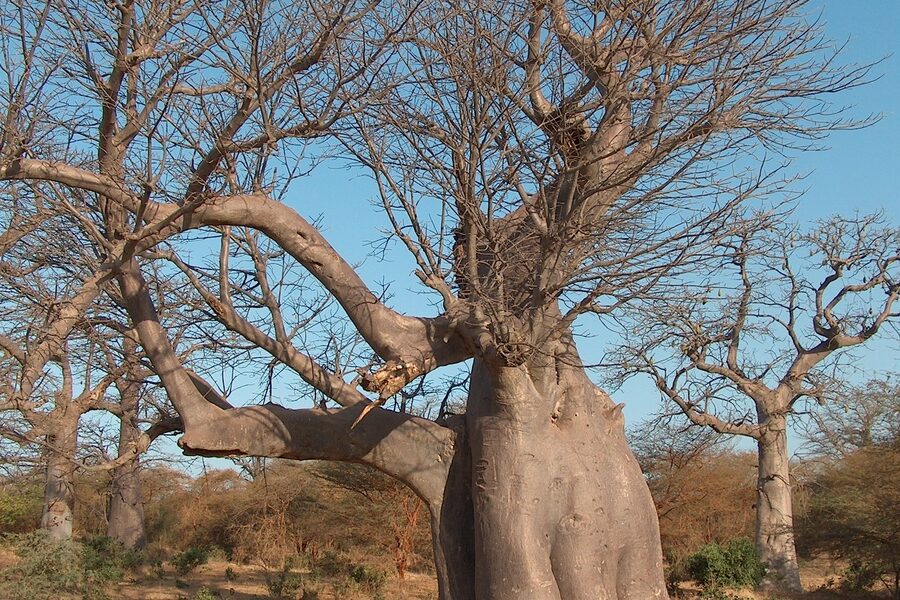
Both roots and stems produce specialized structures, but their roles differ. Mangroves grow aerial roots that enable gas exchange in anoxic mud and stabilize shorelines; banyan trees send down prop roots that become massive supportive trunks.
Cacti transform stems into photosynthetic, water-storing organs that replace leaves in arid climates, while ginger rhizomes (stem tissue) spread clonally and store carbohydrates. These modifications shape ecosystems: mangrove forests protect coasts, clonal rhizomes help perennials recolonize disturbed ground, and succulent stems confer drought resilience.
About 80% of land plants form mycorrhizal partnerships that amplify root function, and vascular plants colonized land roughly 420 million years ago—details that remind us these adaptations have deep evolutionary roots. Practical takeaway for restoration: match species with the root or stem adaptations best suited to the site—choose deep-rooted trees for windfirmness and rhizomatous species for rapid groundcover.
Summary
Roots and stems are complementary but distinct. Anatomy (nodes, vascular layout, surface specializations) maps directly to function (absorption, transport, support), reproductive roles, and ecological strategies. Knowing which organ you’re looking at changes how you prune, plant, propagate, and restore.
- Stems carry nodes, buds, and reproductive structures; roots do not.
- Roots specialize in water and nutrient uptake and often partner with mycorrhizae (~80% of land plants); stems conduct resources and support leaves and flowers.
- Storage organs differ by identity—know whether a crop organ is a root (sweet potato) or a stem (potato) before planting or cooking.
- Stems are usually the go-to for vegetative propagation (runners, tubers, cuttings); include a node when taking cuttings.
Now: grab a nearby houseplant or garden specimen and spot at least two differences—find a node on a stem, feel for root hairs on a fresh feeder root, or identify whether a tuber is stem-derived before attempting propagation.