In 1935 a DuPont chemist named Wallace Carothers introduced nylon, a single synthetic fiber that helped launch mass-market plastics and modern polymer chemistry.
That one invention led to whole families of engineered polymers and fibers that now touch nearly every part of daily life—from toothbrushes and tires to airplane fuselages and surgical implants.
Every household, hospital, factory, and transit system relies on man-made materials to meet performance, cost, and design needs that natural materials can’t always match. The benefits of synthetic materials explain why: they deliver high performance, lower manufacturing costs, and design flexibility while opening new possibilities in medicine, infrastructure, and consumer goods.
Below are seven distinct advantages, each illustrated with concrete examples and numbers so you can judge where engineered polymers make sense—and where designers still need better solutions.
Performance & Durability Advantages

Engineered materials let designers hit mechanical and environmental goals that natural materials often can’t meet. Composites and high-performance polymers offer exceptional strength-to-weight ratios, predictable corrosion resistance, and tunable stiffness or elasticity, so parts last longer and perform better in demanding settings.
Those properties power innovations in aerospace, elite sports, and protective equipment—places where shaving grams, avoiding rust, or matching a precise spring rate matters to performance and safety.
1. High strength-to-weight ratio
Synthetic composites and fibers deliver a lot of strength for very little weight. Carbon-fiber parts commonly reduce structural weight by about 20–30% compared with equivalent aluminum assemblies in aircraft structures.
Kevlar, developed by DuPont, offers a tensile-strength-to-weight advantage often cited as up to 5× that of steel on an equal-weight basis, which is why it’s used in ballistic vests and helmets.
Practical examples include Boeing’s 787, which uses large composite fuselage sections to lower aircraft weight and improve fuel efficiency, high-end road-bike frames that save several hundred grams for the same stiffness, and protective gear from manufacturers specializing in Kevlar-based fabrics.
2. Corrosion and chemical resistance
Many polymers resist rust, rot, and aggressive chemicals that rapidly degrade metals and wood. Fluoropolymers such as PTFE (Teflon) stand up to strong acids and bases, while PVC and HDPE have decades-long service lives in piping applications.
For infrastructure, that matters: PVC water mains and HDPE sewer lines commonly have estimated service lives of 50+ years under typical conditions, which lowers maintenance cycles and lifecycle costs.
Industry uses include PTFE-lined valves and seals in chemical plants, PVC and HDPE piping for municipal systems, and silicone gaskets in automotive and aerospace systems that must endure heat and fuels without corroding.
3. Tunable and specialized mechanical properties
Synthetics can be engineered to specific moduli, toughness levels, thermal stabilities, or electrical properties, so designers pick the right recipe rather than compromise with a one-size-fits-all material.
Examples range from elastomers like spandex (Lycra) for stretch and recovery, to thermoplastics for high-impact applications, to high-performance polymers such as PEEK used in spinal implants and aerospace components because of heat resistance and biocompatibility.
Specialized membranes such as GORE-TEX provide waterproof breathability in outdoor gear, while UHMWPE and PEEK appear in implantable devices where regulatory clearances (for example, FDA-reviewed materials) matter for long-term safety.
Economic & Manufacturing Benefits
Synthetic materials enable scalable, low-cost manufacturing and faster product development. Affordable feedstocks, mature processing methods, and global supply chains let companies produce large volumes at low per-unit cost.
Context helps: global plastics production reached roughly 390 million tonnes in 2021, showing the sheer scale that drives economies and keeps consumer prices down.
4. Cost-effective mass production
Synthetics lower per-unit costs through economies of scale and automation. Processes such as injection molding, thermoforming, and fiber spinning reduce labor intensity and material waste compared with many metalworking routes.
Concrete examples: ABS and polycarbonate housings for phones and appliances, polyester fabric that dominates large swaths of the apparel market, and injection-molded interior panels in automobiles—all produced in massive runs that push unit costs down.
There are trade-offs—recycling and end-of-life handling can lag behind—but for many products the cost savings enable affordable access to durable goods worldwide.
5. Speed of iteration and prototyping
Polymer-friendly processes compress development cycles. Desktop and industrial 3D printers using PLA, ABS, or resin let teams produce functional prototypes in days instead of waiting months for metal tooling.
Startups and established firms alike use MakerBot, Stratasys, and Formlabs machines for initial proof-of-concept parts, while service bureaus can deliver injection-molded prototypes within a few weeks for validation before full production.
That speed shortens time-to-market and lets designers iterate fit, ergonomics, and assembly quickly—often moving from idea to validated prototype in days-to-weeks versus months for traditional metal processes.
Health, Safety & Environmental Advantages
Synthetic materials pose environmental challenges, but they also offer unique gains for health, safety, and resource efficiency. Polymers make many lifesaving medical devices possible, support infection-control practices, and are being redesigned for better circularity.
That mix means clinicians, designers, and policymakers need to weigh benefits against environmental costs and push for smarter materials and infrastructure.
6. Medical and sanitary benefits
Polymeric materials enabled a leap in medical-device design and single-use sterile consumables. Silicone, polyethylene, and PEEK appear in implants, tubing, and seals; many polymer implants have passed regulatory review for long-term use.
Disposable syringes, sterile packaging, and single-use gowns—adopted widely since the mid-20th century—played a major role in reducing hospital-acquired infection rates by making sterile consumables affordable and ubiquitous.
Examples include PEEK spinal implants used by surgeons, silicone tubing in infusion pumps, and single-use devices that let clinics maintain sterility without expensive reprocessing equipment.
7. Opportunities in sustainability and resource efficiency
Environmental concerns around plastics are real, but synthetic polymers can be redesigned for lower lifecycle impacts—through longer service life, mechanical and chemical recycling, and bio-based alternatives.
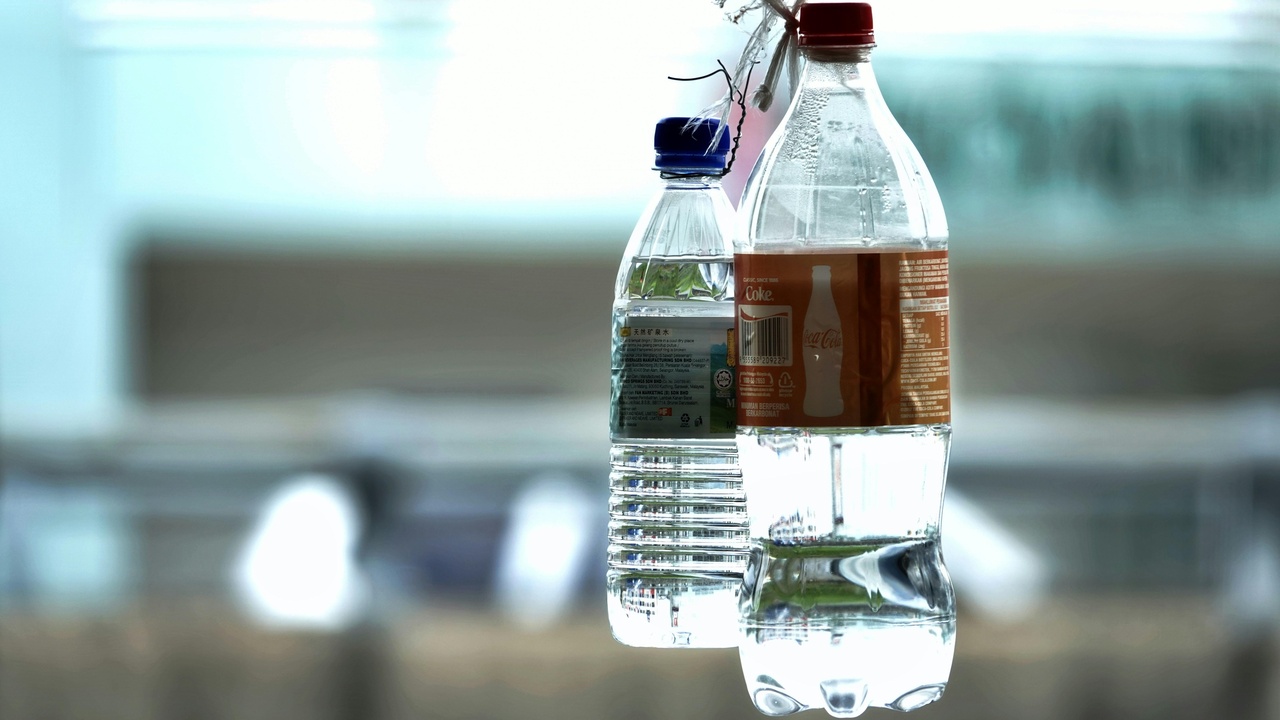
Mechanical recycling turns PET into rPET; depending on brand and region, rPET bottles now contain roughly 30–100% recycled content. Chemical-recycling pilots are underway at major producers, and bio-based polymers such as PLA offer compostable options in select applications.
The practical takeaway: design-for-recycling and choosing durable materials reduce resource use. Corporations such as major beverage companies are already scaling rPET, while policy and infrastructure upgrades will determine how much of plastic’s value actually returns to the economy.
Summary
- Nylon’s debut in 1935 set off a polymer revolution that led to materials now crucial across products, medicine, and infrastructure.
- Synthetic materials deliver measurable performance gains—20–30% weight savings in carbon-fiber aircraft parts and up to ~5× tensile-strength-to-weight advantages in fibers like Kevlar.
- Scale matters: global plastics production was about 390 million tonnes in 2021, enabling low-cost consumer goods, fast prototyping, and global supply chains.
- Health and safety benefits are substantial—PEEK implants, silicone tubing, and disposable sterile devices have improved patient outcomes since the mid-1900s—while recycling and bio-based options (rPET, PLA) offer pathways to better environmental performance.
- Choose materials with service life and end-of-life in mind: favor longevity, design-for-recycling, and support infrastructure that returns polymer value to the circular economy.