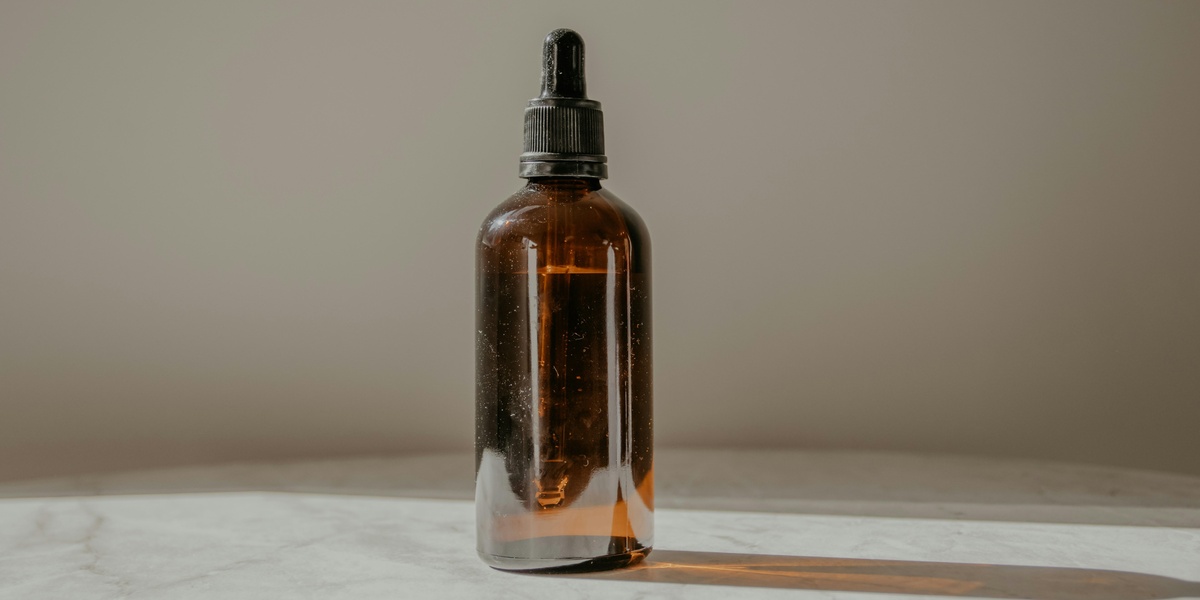
Aromatics and scented oils show up in written records as far back as ancient Egypt (around 4500 BCE), where plant extracts were prized for rituals, medicine, and perfumery. Fast-forward to now: aromatherapy and natural‑health products have become a booming consumer market, with more people buying essential oils for everything from sleep to household cleaning.
Why care? Because some widely repeated claims carry real risks—skin burns, interactions with medicines, or harms to pets and children—and other claims simply waste money. This piece cuts through marketing and hearsay by debunking eight common myths about essential oils, grouped into three practical categories: health & safety, effectiveness & uses, and production/regulation & quality. Each myth includes the evidence, concrete examples, and safe, no‑nonsense guidance you can use at home.
Health & Safety Myths
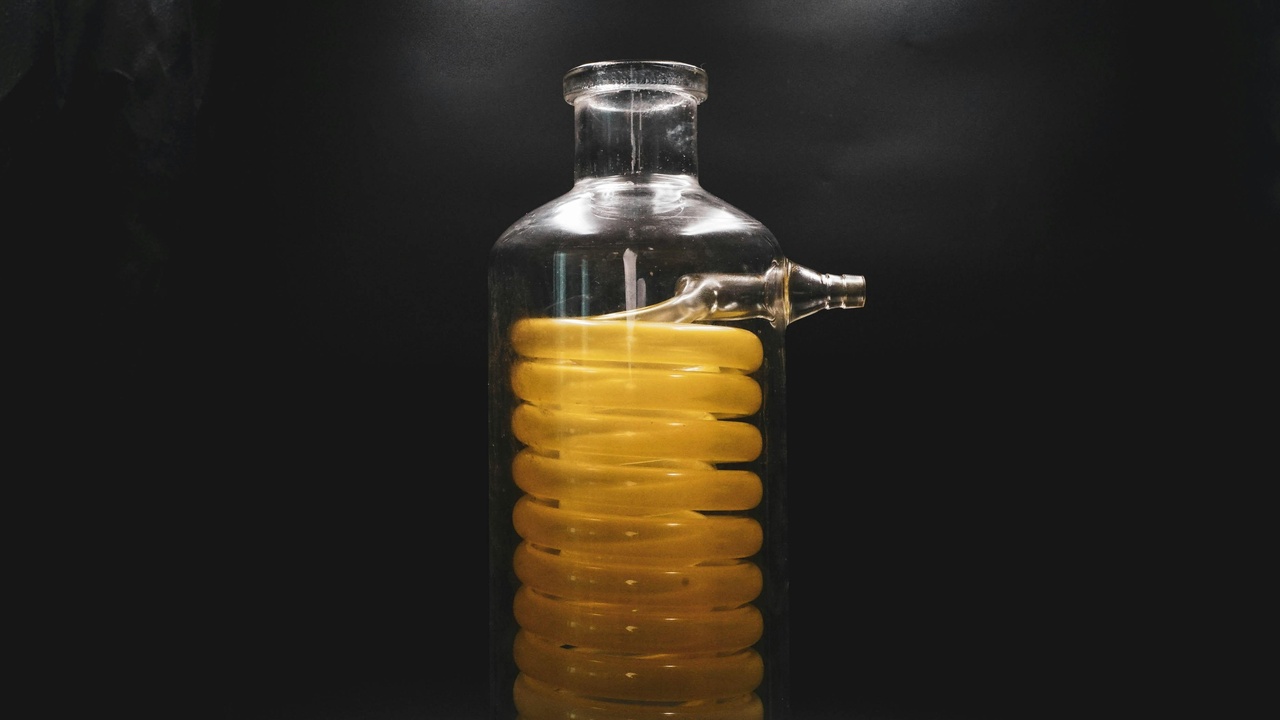
Health and safety claims are the most consequential myths because they can lead to injury, delayed medical care, or harm to pets and children. Below are three common false assumptions: that “natural” equals safe; that swallowing oils is harmless; and that topical use without dilution is fine. Read these with the goal of keeping people and animals safe while using products more intelligently.
1. Myth: Because they’re natural, essential oils are completely safe
Natural does not guarantee safety. Several oils are known causes of contact dermatitis or phototoxic injury—citrus oils (bergamot, lemon) contain furocoumarins that can cause severe sunburn-like reactions after exposure to UV light.
Patch-test studies in dermatology clinics show fragrance allergies in a minority of patients (roughly single-digit percentages), and many terpenes become more allergenic after oxidation. Practical precautions: patch-test a diluted blend on a small area for 24–48 hours, and follow dilution guidance—general adult ranges run 1–5% in a carrier oil; for children or sensitive skin use 0.5–2%.
Some oils have documented systemic toxicity when misused: wintergreen (methyl salicylate) can cause salicylate poisoning if applied excessively; cinnamon bark and clove oils cause strong local irritation if used undiluted. For a simple dilution calculation: a 2% dilution in a 30 mL (1 oz) bottle equals about 12 drops of essential oil (30 mL × 20 drops/mL ≈ 600 drops; 2% × 600 ≈ 12 drops).
2. Myth: Swallowing essential oils is a safe, effective way to treat conditions
Ingestion is not a universal recommendation and can be dangerous. U.S. poison control centers have recorded thousands of exposures to essential oils in recent years, with a notable share involving young children who require medical evaluation.
Some constituents are toxic at modest doses: methyl salicylate (wintergreen) can cause serious salicylate toxicity, and camphor or concentrated eucalyptus can provoke seizures in children. The FDA has warned consumers against unsupervised internal use of many aromatic products.
Sensible rule: avoid oral use unless a qualified clinician is supervising a specific, evidence‑based protocol. If accidental ingestion occurs, call your local poison control center and seek emergency care for symptoms like vomiting, drowsiness, breathing problems, or seizures.
3. Myth: Essential oils are harmless around pets and children
Pets and young children have different vulnerabilities. Cats, for example, have limited capacity for glucuronidation (lower UDP‑glucuronosyltransferase activity), so they metabolize certain oil constituents poorly and can accumulate toxic metabolites.
Birds are extremely sensitive to volatile compounds and can suffer fatal respiratory distress from household aerosols and diffusers. Veterinary reports document tea tree oil (melaleuca) toxicity in dogs and cats after topical exposure—signs include lethargy, incoordination, and tremors.
Practical steps: store oils locked away, avoid applying human products to animals without veterinary approval, and if you diffuse, run the diffuser briefly (e.g., 10–20 minutes) in a well‑ventilated room while pets are out of the space. When in doubt, remove the animal while diffusing and consult your veterinarian.
Effectiveness & Uses Myths
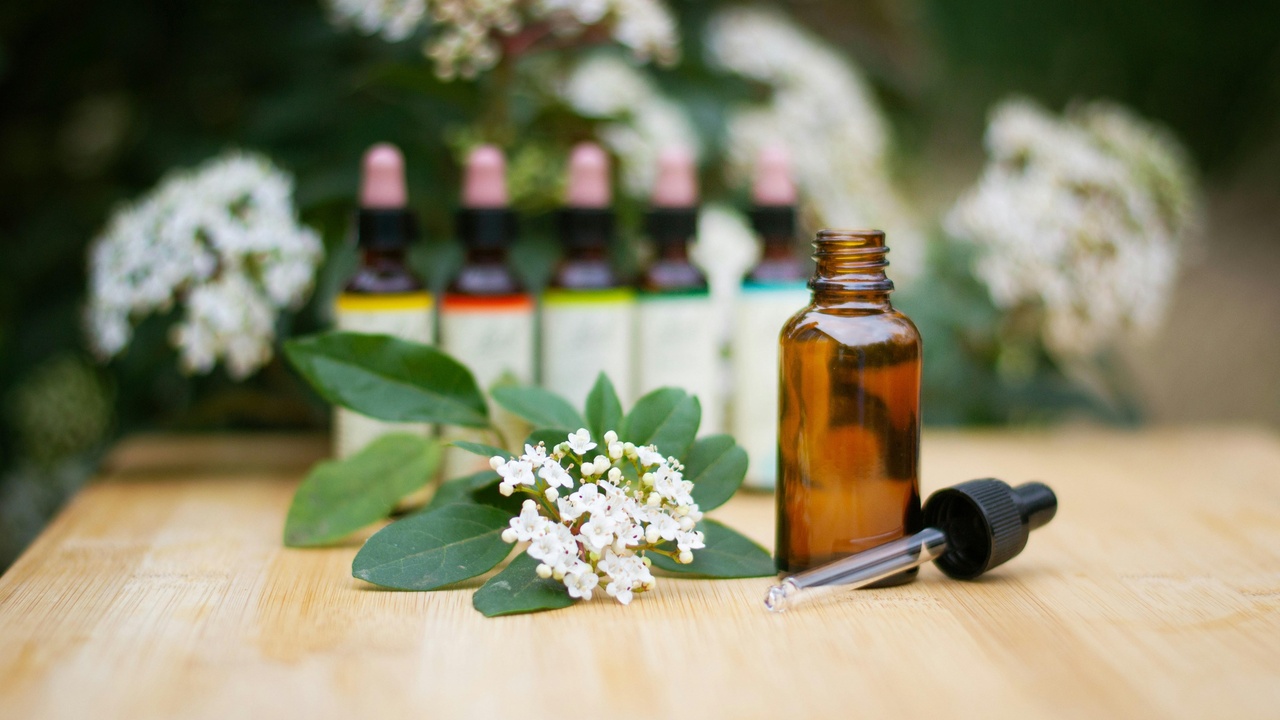
Many claims about efficacy—antimicrobial action, clinical mood or sleep effects, or curing disease—are overstated. A lot of the published data are in vitro: oils can kill microbes in Petri dishes but that doesn’t automatically translate to safe, effective use in people. The next three myths look at antimicrobial claims, mood/sleep effects, and the dangerous idea that oils can cure or prevent serious illnesses.
4. Myth: Essential oils reliably kill germs on surfaces like conventional disinfectants
It’s true many oils show antimicrobial activity in laboratory tests—for example, thyme and tea tree oils inhibit bacteria in vitro. But lab minimum inhibitory concentration (MIC) values often require concentrations or contact times that are impractical or unsafe in homes.
For infection control, use EPA‑registered disinfectants; they meet standardized test methods. By contrast, a DIY tea tree spray may freshen a room or reduce surface odor but won’t meet hospital‑grade standards. For hands, use soap and water or alcohol sanitizers with at least 60% alcohol—those have proven effectiveness against many pathogens.
5. Myth: Lavender and similar oils are proven sedatives for everyone
Lavender has shown modest benefit for sleep and mild anxiety in several small randomized trials (many with under 200 participants). Results vary by population: some studies in older adults or postpartum women report improved self‑reported sleep scores, but effects are not universal.
Practical use: try diffusion for 20–30 minutes before bed or a low‑dilution topical chest rub (follow dilution guidance). Expect modest, individual results—ritual and expectation contribute to benefit. If someone has clinical insomnia or an anxiety disorder, discuss evidence‑based therapies with a clinician rather than relying on oils alone.
6. Myth: Essential oils can cure or prevent serious illnesses (infections, cancer)
Oils are not cures for cancer, COVID‑19, bacterial infections, or other serious diseases. Regulators have acted: the FDA and FTC issued warning letters in 2020 and afterward to companies making unsubstantiated COVID‑19 treatment claims for aromatic products.
Relying on oils in place of vaccines, antibiotics, or cancer therapy is dangerous and can delay life‑saving treatment. If someone wants to use oils alongside medical care, disclose that to oncologists, infectious‑disease specialists, or primary care providers so potential interactions or wound‑care conflicts can be managed.
Production, Regulation & Quality Myths
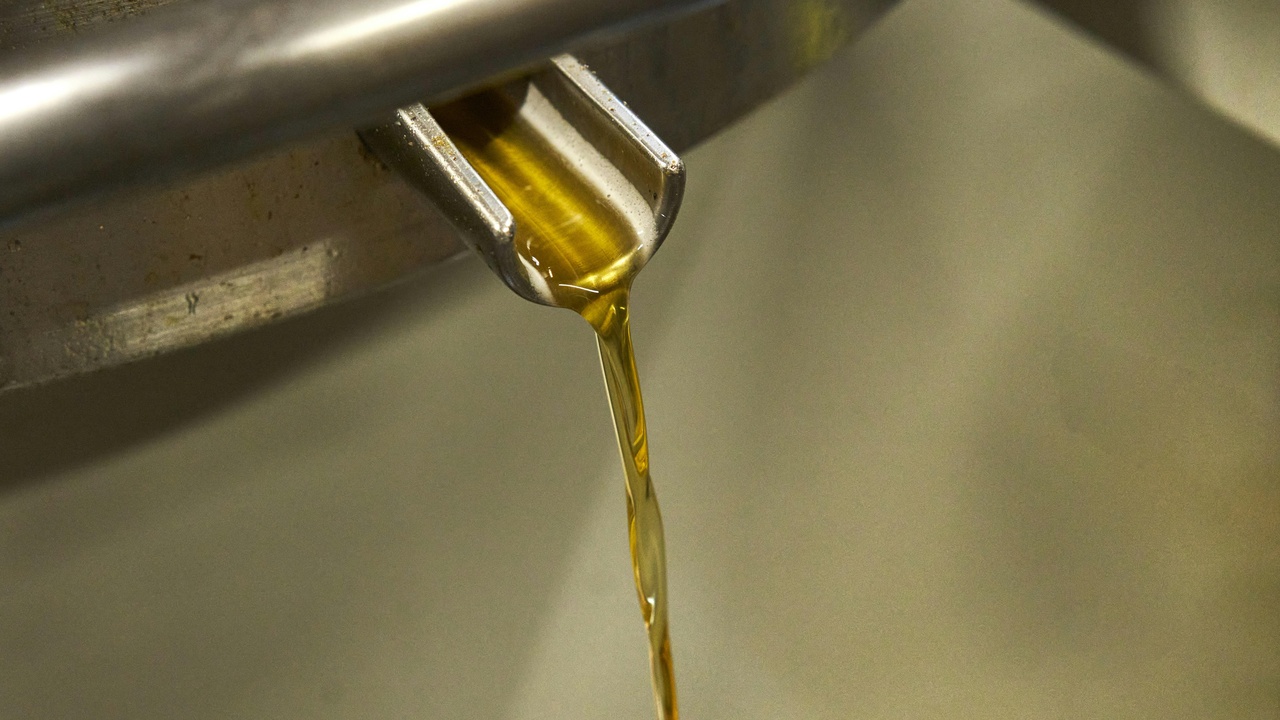
Misconceptions about purity, “therapeutic grade,” and regulatory oversight are widespread. Marketing terms have no single legal definition; quality is best judged by traceability and independent testing. Below are two myths about labeling and adulteration, plus practical steps for safer buying.
7. Myth: Labels like ‘therapeutic grade’ or ‘100% pure’ guarantee quality
“Therapeutic grade” is a marketing phrase, not a standardized certification. The meaningful documents are GC/MS (gas chromatography/mass spectrometry) reports and certificates of analysis (CoAs) that show chemical composition, adulterants, and batch variability.
How to evaluate suppliers: request a batch‑specific CoA, check for batch numbers and harvest dates, prefer companies that publish third‑party lab reports or ISO testing, and favor transparent sourcing statements. Quick buyer checklist: ask for a CoA, verify batch info, and choose suppliers that disclose distillation and origin details.
8. Myth: Organic or expensive oils are always safer and more effective
Organic certification reduces certain agricultural risks such as conventional pesticide residues, but it does not guarantee chemical purity, absence of adulteration, or clinical benefit. Price often reflects plant yield and distillation effort rather than therapeutic superiority.
For example, rose otto is costly because it takes large quantities of petals to produce a small volume of oil, which drives price. That said, paying more can make sense when it buys traceability, small‑batch distillation, and published lab reports. Bottom line: prioritize transparency and CoAs over price alone.
Summary
- Respect that natural products can cause harm—patch‑test, follow dilution guidance, and store oils out of reach of children and pets.
- Recognize the difference between lab findings and clinical benefit: some oils offer modest help for sleep or relaxation, but they are not substitutes for vaccines, antibiotics, or cancer treatments.
- Buy smarter: ask for GC/MS reports and batch CoAs, prefer transparent suppliers, and understand what drives price (rarity and yield, not guaranteed potency).
- When using oils around animals or medical conditions, consult veterinarians or clinicians, report adverse events to poison control or regulators, and never stop prescribed treatments without professional advice.