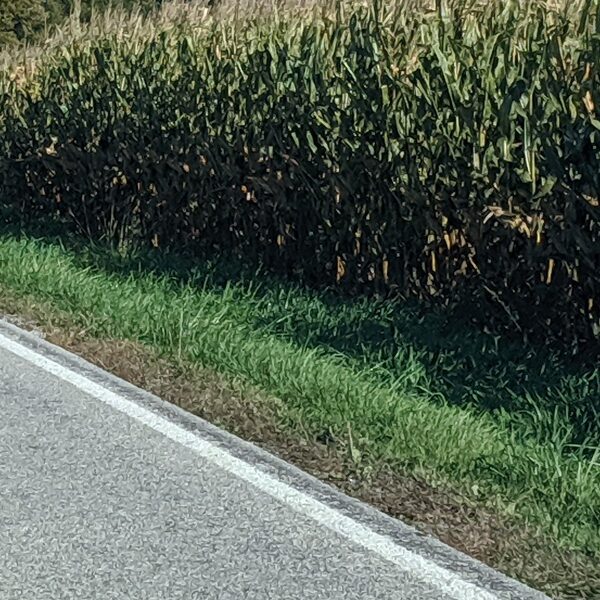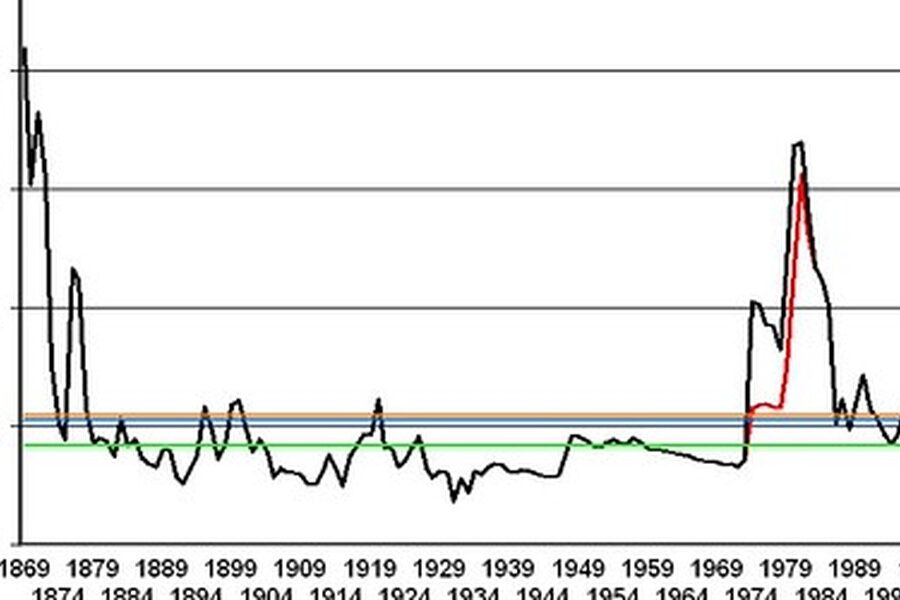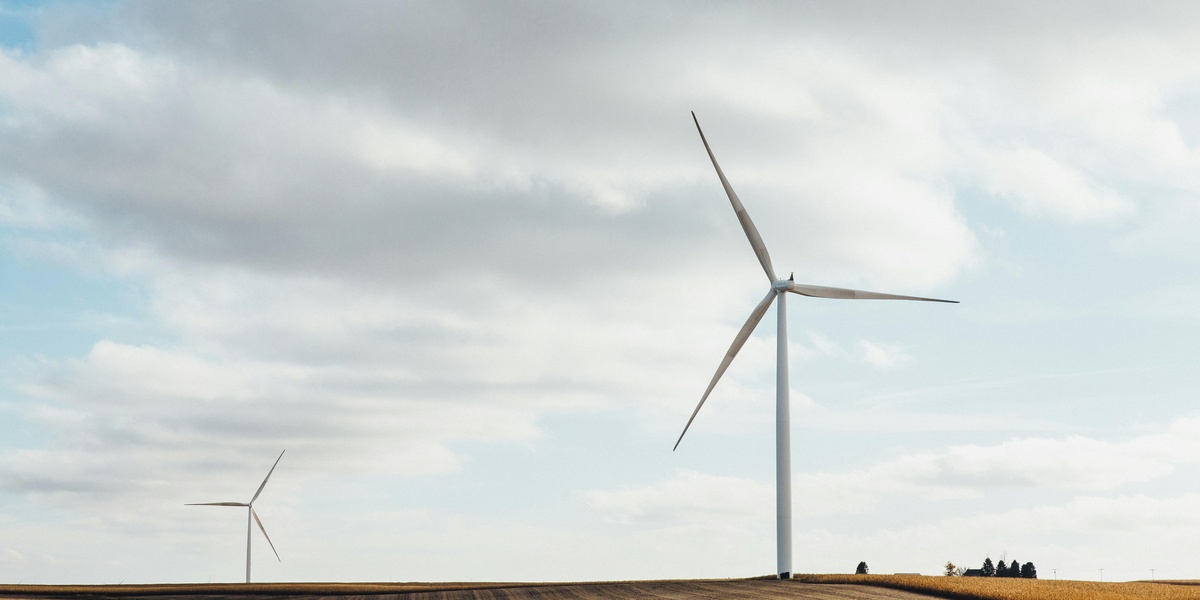
Iowa’s landscape is a working mix of rolling farmland, river valleys and growing renewable energy sites, so the state’s natural assets show up in quite a few different ways. From family farms to utility-scale projects, those resources shape local economies and day-to-day life across the state.
There are 22 Natural Resources in Iowa, ranging from Cattle to Wind. Each entry is listed with Type,Primary locations,Typical annual value (USD) so you can compare production and economic impact — you’ll find below.
Which of these resources contribute most to Iowa’s economy?
Crop and livestock agriculture (corn, soybeans, hogs and cattle) historically make up the largest share of on-farm value, while energy resources like wind and biofuels add growing off-farm income and jobs; the Typical annual value (USD) column in the list below helps rank them by direct economic contribution.
How can landowners make practical use of these resources?
Landowners can diversify income by combining traditional production (cattle, row crops) with conservation programs, leasing for wind or solar, and pursuing value-added options (grain marketing, direct meat sales); check the Primary locations and Typical annual value (USD) in the list below to see which opportunities best match your land.
Natural Resources in Iowa
| Resource | Type | Primary locations | Typical annual value (USD) |
|---|---|---|---|
| Corn | Biological | Statewide, Des Moines Lobe, western and central counties | 10,000,000,000 |
| Soybeans | Biological | Statewide, southern and central counties | 5,000,000,000 |
| Hogs | Biological | Central and eastern Iowa, Des Moines Lobe | 7,000,000,000 |
| Cattle | Biological | Western and southern Iowa pastures and feedlots | 1,000,000,000 |
| Poultry & Eggs | Biological | Central and northern Iowa counties | 1,500,000,000 |
| Hay/Forage | Biological | Statewide, hayland and pasture areas | 300,000,000 |
| Dairy | Biological | Northeast and central Iowa dairy regions | 600,000,000 |
| Timber | Forest | Northeast Iowa, Mississippi and Des Moines river floodplains | 400,000,000 |
| Soil | Soil | Statewide; fertile Mollisols, Des Moines Lobe, loess hills | N/A |
| Surface water | Water | Mississippi, Missouri, Des Moines, Iowa and Cedar rivers; reservoirs | N/A |
| Groundwater | Water | Cambrian-Ordovician, Jordan aquifer, alluvial aquifers statewide | N/A |
| Sand & Gravel | Mineral | River valleys, glacial deposits statewide, eastern river corridors | 200,000,000 |
| Limestone & Dolomite | Mineral | Eastern and central Iowa uplands and river bluffs | 150,000,000 |
| Silica sand | Mineral | Northeast and eastern counties (Allamakee, Clayton, Winneshiek areas) | 50,000,000 |
| Clay | Mineral | Mississippi and Cedar River valleys, southeastern counties | 20,000,000 |
| Wind | Energy | Northwest and central Iowa ridgetops and agricultural lands | 2,000,000,000 |
| Solar | Energy | Statewide rooftop and utility sites, southern and central areas | 200,000,000 |
| Oil | Energy | Localized small fields in northwest and southeast Iowa | 30,000,000 |
| Natural gas | Energy | Scattered small fields; northwest and southeast areas | 20,000,000 |
| Freshwater fisheries | Biological | Mississippi River, Iowa and Des Moines rivers, reservoirs statewide | 120,000,000 |
| Wetlands | Biological | River floodplains, prairie potholes, restored conservation lands statewide | N/A |
| Prairie/Biodiversity | Biological | Remnant prairies in Loess Hills, southwest Iowa, northern fragments | N/A |
Images and Descriptions
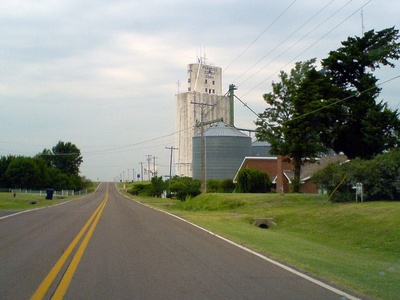
Corn
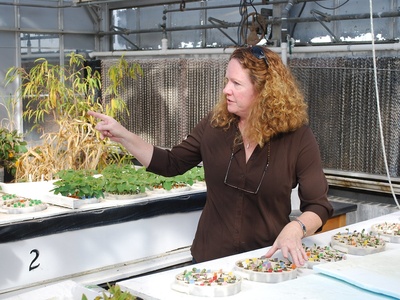
Corn is Iowa’s top crop grown across the state for feed, ethanol and export; it underpins livestock and biofuel industries. Farmers and conservationists focus on cover crops and nutrient management to reduce erosion and water runoff.
Soybeans
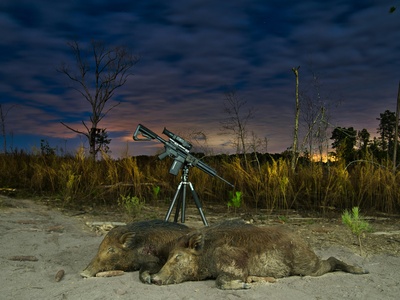
Soybeans are a major oilseed and protein crop used for animal feed, cooking oil and export markets. They are widely rotated with corn; soil health practices and market volatility shape farmer decisions and conservation incentives.
Hogs
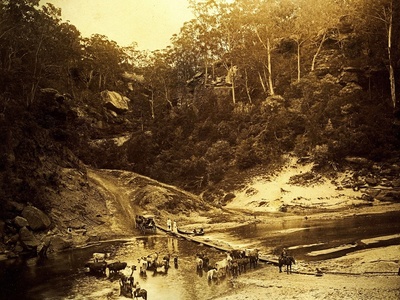
Hogs are Iowa’s dominant livestock industry, supplying pork processing and exports. Concentrated farms provide rural jobs but raise concerns over manure management, odor and water quality, prompting regulation and nutrient-planning programs.
Cattle
Cattle production for beef and calves is centered in western Iowa and ties closely to feed-grain production. Pasture management, riparian protection and balancing grazing with crop land drive conservation priorities.
Poultry & Eggs
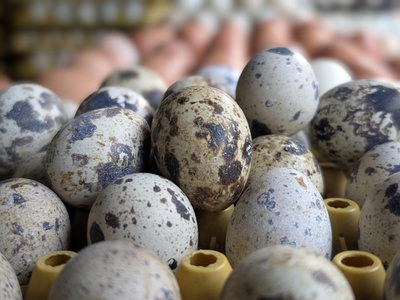
Commercial poultry and egg operations supply regional processors and markets. Production provides farm income but requires biosecurity, nutrient management and oversight of waste to protect surrounding water and air quality.
Hay/Forage
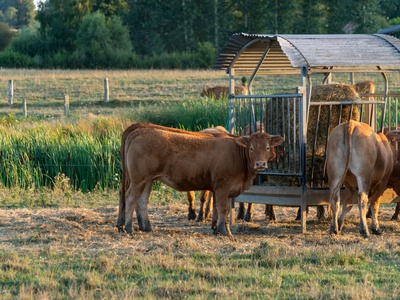
Hay and forage crops like alfalfa feed livestock and serve as cover crops. They support dairy and beef industries, improve soil structure, reduce erosion and provide habitat for pollinators when managed with conservation practices.
Dairy
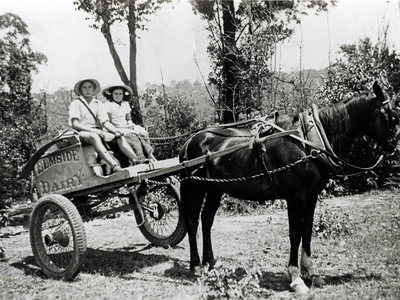
Dairy farms produce milk for regional processing, relying on local feed and pasture. The sector has consolidated but remains important; manure handling and nutrient runoff are key environmental and regulatory concerns.
Timber
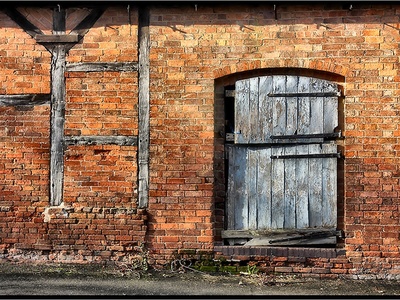
Hardwood forests and riparian woodlands supply timber, firewood and wildlife habitat. Forestry supports local mills; threats include land conversion, invasive species and the need for sustainable harvest and riparian protection.
Soil
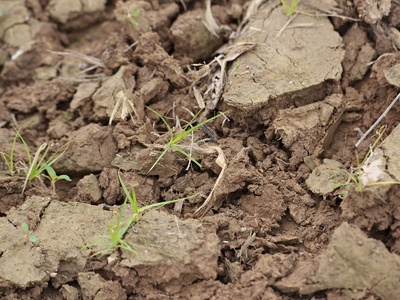
Iowa’s Mollisols are among the nation’s most productive agricultural soils. Soil conservation—cover crops, reduced tillage and terraces—is vital to prevent erosion, maintain fertility and protect downstream water quality.
Surface water
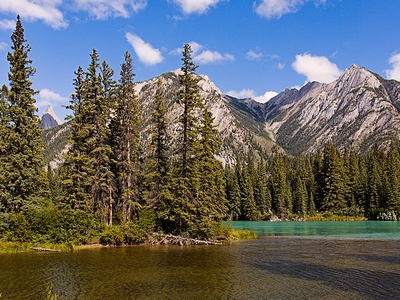
Major rivers and reservoirs provide drinking water, irrigation, recreation and navigation. Agricultural runoff and urban pollutants affect water quality; restoration, riparian buffers and watershed planning are ongoing priorities.
Groundwater
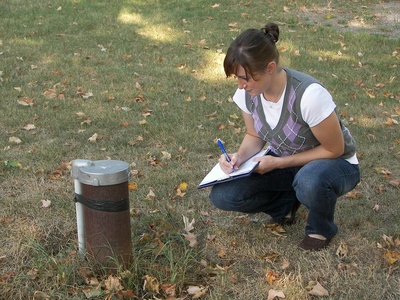
Aquifers supply municipal, rural and agricultural water across Iowa. Recharge, nitrate contamination from fertilizers and septic systems, and well protection are central issues for public health and agriculture.

Sand & Gravel
Sand and gravel deposits are quarried for construction aggregate and road building. Extraction supports infrastructure but requires reclamation, sediment control and management of dust and groundwater impacts.
Limestone & Dolomite
Limestone and dolomite are quarried for crushed stone, cement and building materials. These deposits fuel construction industries; quarrying involves habitat impacts and reclamation responsibilities.
Silica sand
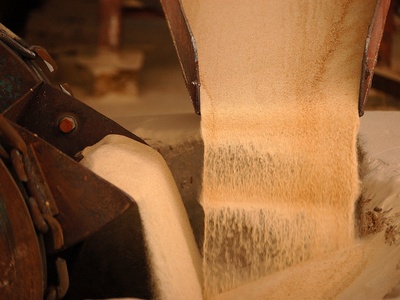
Silica sand from northeastern counties supplies glass, foundry and industrial uses. Mining provides jobs but raises concerns about water use, dust, truck traffic and land reclamation, leading to permitting and monitoring.

Clay
Clay deposits support brick, tile and ceramics manufacturing regionally. Local extraction supplies building materials; environmental management focuses on erosion control, dust suppression and site restoration.
Wind
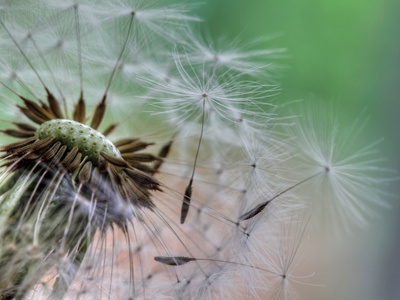
Iowa’s strong winds make it a national leader in wind energy generation. Wind farms supply renewable electricity and lease income to farmers; siting and impacts on birds and bats are addressed through planning and mitigation.
Solar
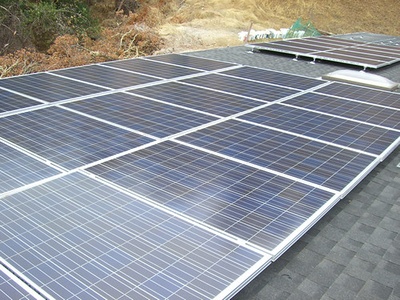
Solar energy is expanding on rooftops and utility arrays, providing renewable power and revenue. Deployment is shaped by incentives, land availability and grid interconnection; dual-use (agrovoltaics) is growing in interest.

Oil
Limited oil production occurs in small Iowa fields for local use. Output and economic impact are modest; exploration and production are regulated to minimize spills and protect groundwater.
Natural gas
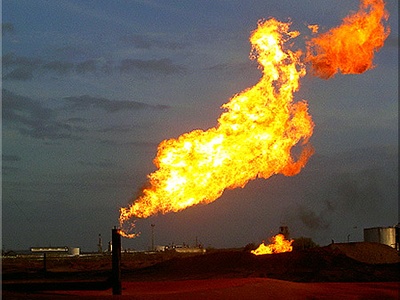
Small-scale natural gas production supports local heating and industry. Production is limited compared with other states; pipeline safety, methane monitoring and proper well plugging are important oversight areas.
Freshwater fisheries
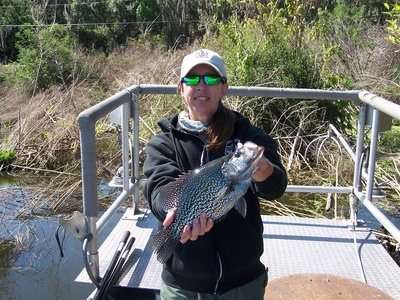
Freshwater fisheries—bass, walleye, catfish—support recreation and some commercial catch. Fishing boosts tourism and local economies; habitat degradation, invasive species and water quality influence fish populations.
Wetlands
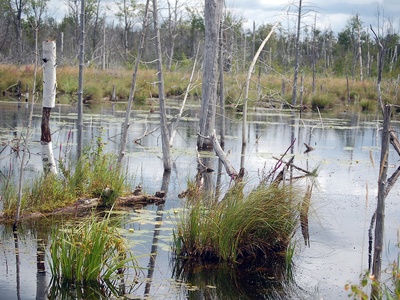
Wetlands provide flood mitigation, water filtration and critical wildlife habitat. Many were drained for agriculture; restoration and conservation programs aim to recover wetlands for biodiversity and improved water quality.
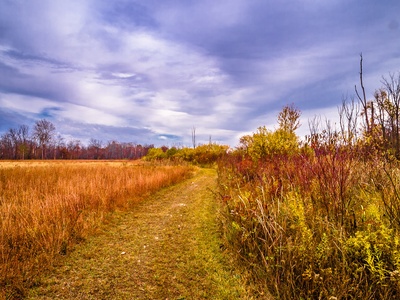
Prairie/Biodiversity
Remnant tallgrass prairies and native grasslands support pollinators, soil health and rare species. Conservation emphasizes restoration, prescribed burning and protection from conversion to cropland or development.