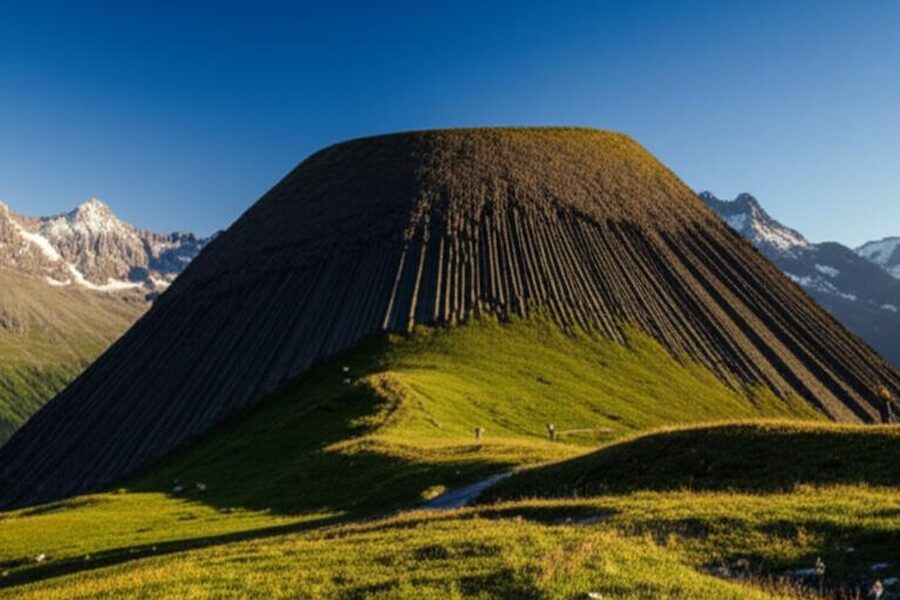
Volcanic mountains shape landscapes, ecosystems and local histories across the globe; they’re landmarks for hikers, scientists and nearby communities alike. Looking at a list of these peaks helps you compare heights, locations and activity at a glance.
There are 20 Examples of Volcanic Mountains, ranging from Chimborazo to Popocatépetl. For each peak, you’ll find below Country,Elevation (m),Volcano type and status.
How were the volcanoes chosen for this list?
The selection balances well-known and regionally significant volcanic peaks to show geographic variety and different activity types; choices were based on prominence, historical activity and availability of reliable data so the list is informative for both casual readers and researchers.
Does higher elevation mean a volcano is more dangerous?
Not necessarily—elevation reflects a mountain’s height, not its eruptive behavior; smaller or lower volcanoes can be highly active while taller ones may be dormant, so the Volcano type and status column gives better insight into current risk than elevation alone.
Examples of Volcanic Mountains
| Name | Country | Elevation (m) | Volcano type and status |
|---|---|---|---|
| Mount Fuji | Japan | 3,776 | Stratovolcano, active |
| Mauna Loa | United States (Hawaii) | 4,169 | Shield, active |
| Mauna Kea | United States (Hawaii) | 4,207 | Shield, dormant |
| Kilimanjaro | Tanzania | 5,895 | Stratovolcano, dormant |
| Mount Etna | Italy | 3,329 | Stratovolcano, active |
| Mount Vesuvius | Italy | 1,281 | Stratovolcano, active |
| Mount St. Helens | United States | 2,550 | Stratovolcano, active |
| Mount Pinatubo | Philippines | 1,485 | Stratovolcano, active |
| Mount Merapi | Indonesia | 2,930 | Stratovolcano, active |
| Mount Tambora | Indonesia | 2,850 | Stratovolcano, active |
| Mount Erebus | Antarctica | 3,794 | Stratovolcano, active |
| Popocatépetl | Mexico | 5,426 | Stratovolcano, active |
| Cotopaxi | Ecuador | 5,897 | Stratovolcano, active |
| Chimborazo | Ecuador | 6,263 | Stratovolcano, dormant |
| Ojos del Salado | Chile/Argentina | 6,893 | Stratovolcano, dormant |
| Mount Rainier | United States | 4,392 | Stratovolcano, dormant |
| Mount Hood | United States | 3,429 | Stratovolcano, active |
| Mount Shasta | United States | 4,322 | Stratovolcano, dormant |
| Mount Elbrus | Russia | 5,642 | Stratovolcano, dormant |
| Mount Taranaki/Egmont | New Zealand | 2,518 | Stratovolcano, dormant |
Images and Descriptions
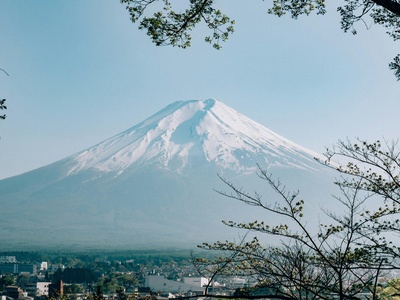
Mount Fuji
Japan’s iconic snow-capped stratovolcano, last erupted in 1707–08 (Hōei). Standing 3,776 m, it’s a UNESCO cultural symbol and popular climb. Scientific monitoring tracks inflation and earthquakes; its beauty and cultural importance attract hikers, photographers, and volcanologists.

Mauna Loa
One of Earth’s largest shield volcanoes, Mauna Loa rises 4,169 m above sea level in Hawaii. It last erupted in 1984 and remains active. Its vast lava flows, observatories, and accessibility make it a key site for volcanology and adventurous summit hikes.
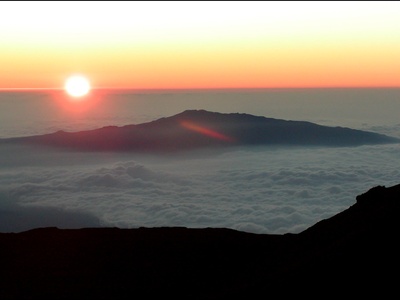
Mauna Kea
Mauna Kea is a high shield volcano (4,207 m) on Hawaii island with major astronomical observatories near its summit. Dormant for millennia, it last erupted thousands of years ago. Its high altitude, cultural significance, and glaciation history draw scientists and tourists.
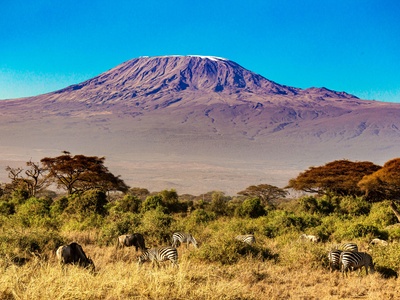
Kilimanjaro
Africa’s tallest mountain (5,895 m), Kilimanjaro is a massive volcanic massif composed of three cones; Kibo is the highest. Dormant but not extinct, it shows ancient volcanic features. Iconic routes draw trekkers who admire glaciers, varied ecosystems, and spectacular summit views.
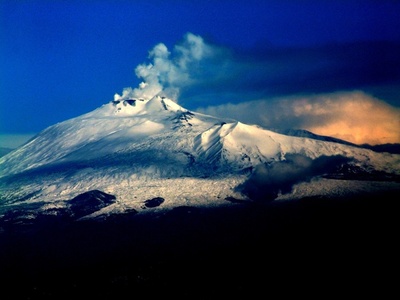
Mount Etna
Mount Etna (3,329 m) on Sicily is Europe’s most active stratovolcano, frequently erupting with lava fountains and ash. Its persistent activity shapes fertile soils and dramatic landscapes. Popular ski resorts and tours coexist with scientific observatories monitoring its ongoing eruptions and hazards.
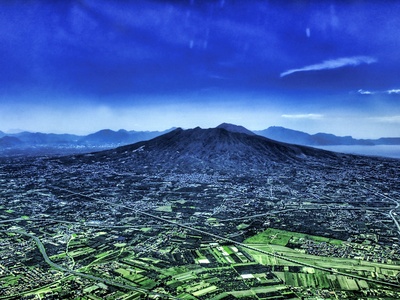
Mount Vesuvius
Vesuvius (1,281 m) overlooks Naples and famously destroyed Pompeii and Herculaneum in AD 79. Still active, its last major eruption occurred in 1944. Packed tourist sites, risky urban proximity, and intensive monitoring make it one of the most studied volcanoes worldwide.
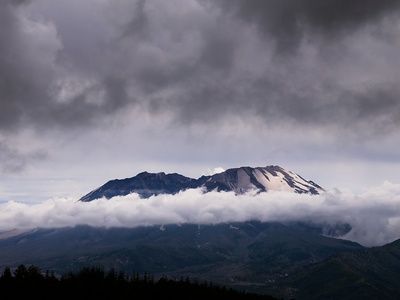
Mount St. Helens
Famous for its destructive 1980 eruption, Mount St. Helens (2,550 m) in Washington State remains active with ongoing dome-building and seismicity. The event reshaped the landscape, created the blast zone visitor center, and provides a living laboratory for ecological recovery and volcanology.
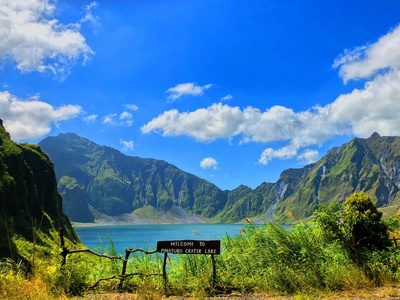
Mount Pinatubo
Mount Pinatubo (1,485 m) in the Philippines erupted catastrophically in 1991, cooling global temperatures and producing vast ash deposits. Now more quiescent but still active, its eruption zone is studied for climate impacts and reinvigorated forests draw eco-tourists and researchers.
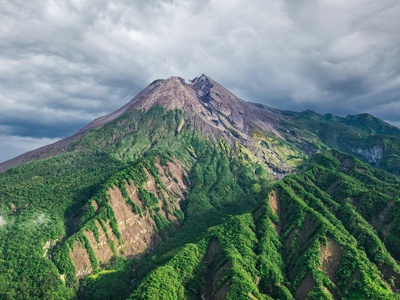
Mount Merapi
Mount Merapi (2,930 m) on Java is Indonesia’s most active volcano, producing frequent pyroclastic flows and eruptions; major events occurred in 2010. Close population centers and dense monitoring make it a critical focus for hazard mitigation and volcanic research.
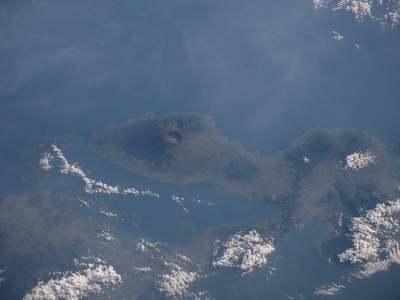
Mount Tambora
Mount Tambora (2,850 m) on Sumbawa produced the 1815 “Year Without a Summer” eruption, the largest in recorded history, reshaping climate and societies. It remains an important geological site; its caldera and deposits attract researchers and adventurous visitors.

Mount Erebus
Mount Erebus (3,794 m) is Antarctica’s active volcano with a persistent lava lake and cold-climate eruptions. Its remote location hosts unique research into magma, ice interactions, and extremophile life, attracting international scientific expeditions despite harsh conditions.
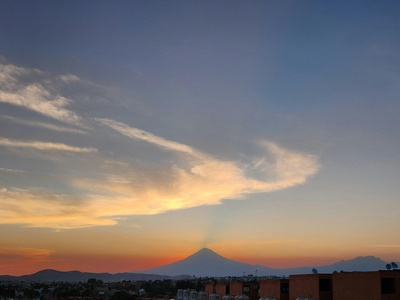
Popocatépetl
Popocatépetl (5,426 m) near Mexico City is highly active with frequent ash emissions, lava, and intermittent explosive activity since reawakening in 1994. Its proximity to millions makes monitoring, evacuation planning, and public awareness vital.
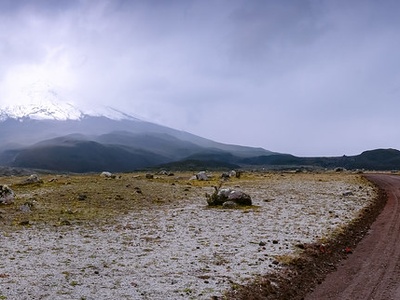
Cotopaxi
Cotopaxi (5,897 m) in Ecuador is a classic conical stratovolcano and one of the world’s highest active volcanoes. Its glacier-covered summit has produced explosive eruptions in historical times, drawing climbers, hazard studies, and close monitoring for lahars affecting nearby communities.
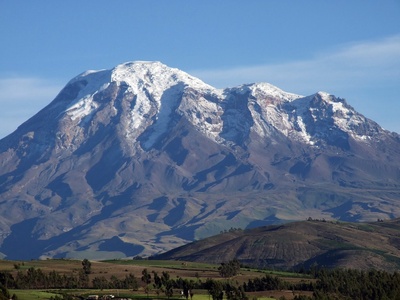
Chimborazo
Chimborazo (6,263 m) is an eroded stratovolcano in Ecuador whose summit is the point farthest from Earth’s center. Dormant for thousands of years, it’s prized for high-altitude climbing and scientific interest in glacial retreat and volcanic geology.
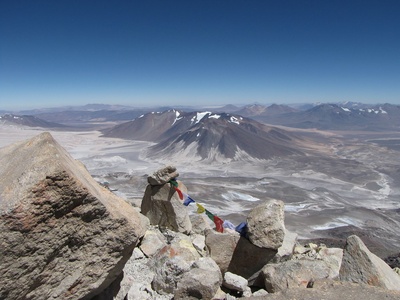
Ojos del Salado
Ojos del Salado (6,893 m) straddles Chile and Argentina and is the highest volcano in the world. Likely dormant in recent centuries, it attracts high-altitude mountaineers and scientists studying extreme-altitude volcanism and arid-climate glaciers.
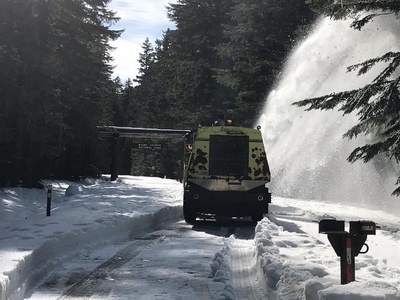
Mount Rainier
Mount Rainier (4,392 m) in Washington is a heavily glaciated stratovolcano and a prominent Cascade peak. Dormant but considered active, its history of eruptions and huge glacial systems make it a major lahar risk and focus of monitoring.
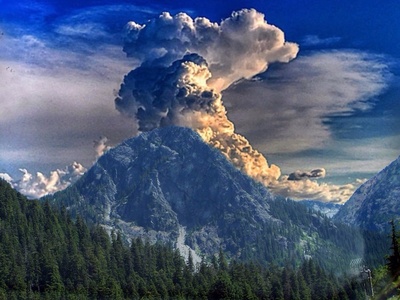
Mount Hood
Mount Hood (3,429 m) in Oregon is a stratovolcano with Holocene eruptions and glaciers. It is closely watched for activity that could threaten nearby communities; its scenic slopes are popular for climbing and skiing.
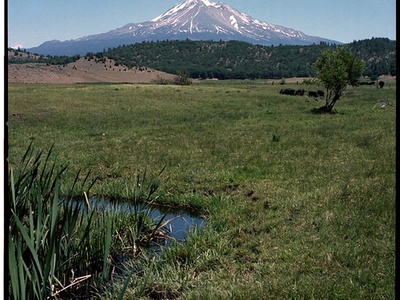
Mount Shasta
Mount Shasta (4,322 m) in northern California is a large stratovolcano with a complex eruptive history and glaciers. Considered dormant but potentially active, it is a regional landmark for mountaineering and ongoing geological study of Cascade volcanism.

Mount Elbrus
Mount Elbrus (5,642 m) in Russia is a dormant double-peaked stratovolcano and the highest mountain in Europe. Its volcanic origin, glaciers, and popular climbing routes attract international mountaineers and geologists studying past volcanic activity.
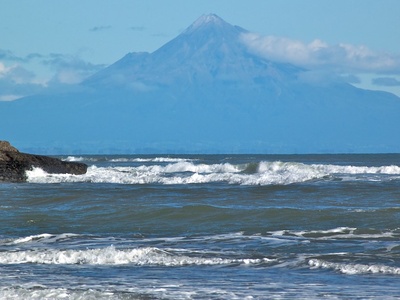
Mount Taranaki/Egmont
Mount Taranaki/Egmont (2,518 m) is a near-perfect conical stratovolcano on New Zealand’s North Island. Dormant for centuries, its symmetrical profile and coastal setting make it a beloved climbing destination and important site for Maori cultural significance and volcanic studies.