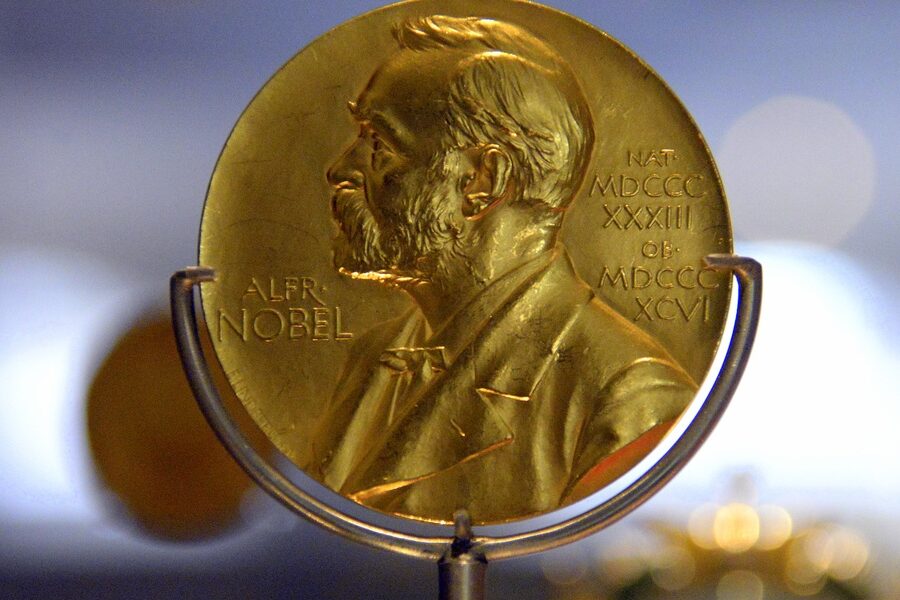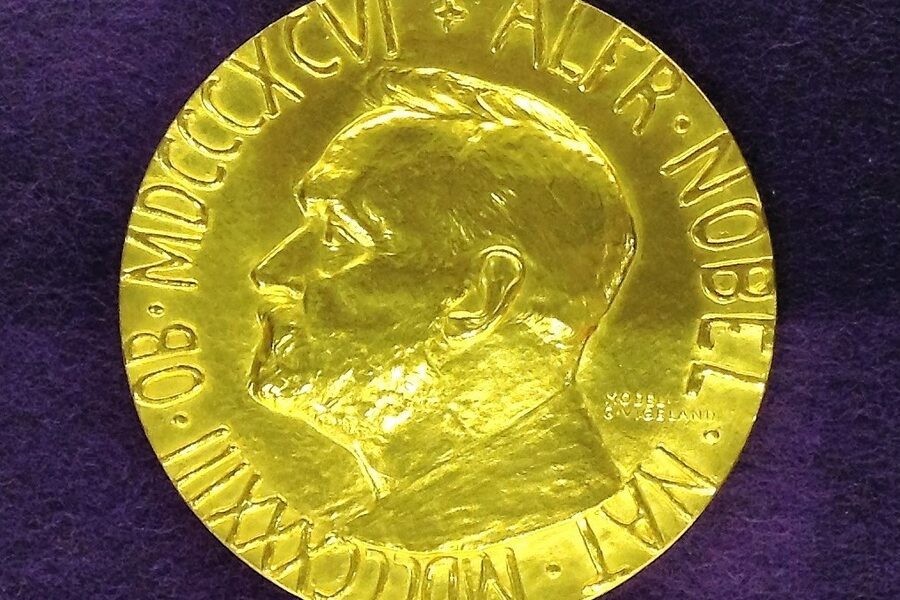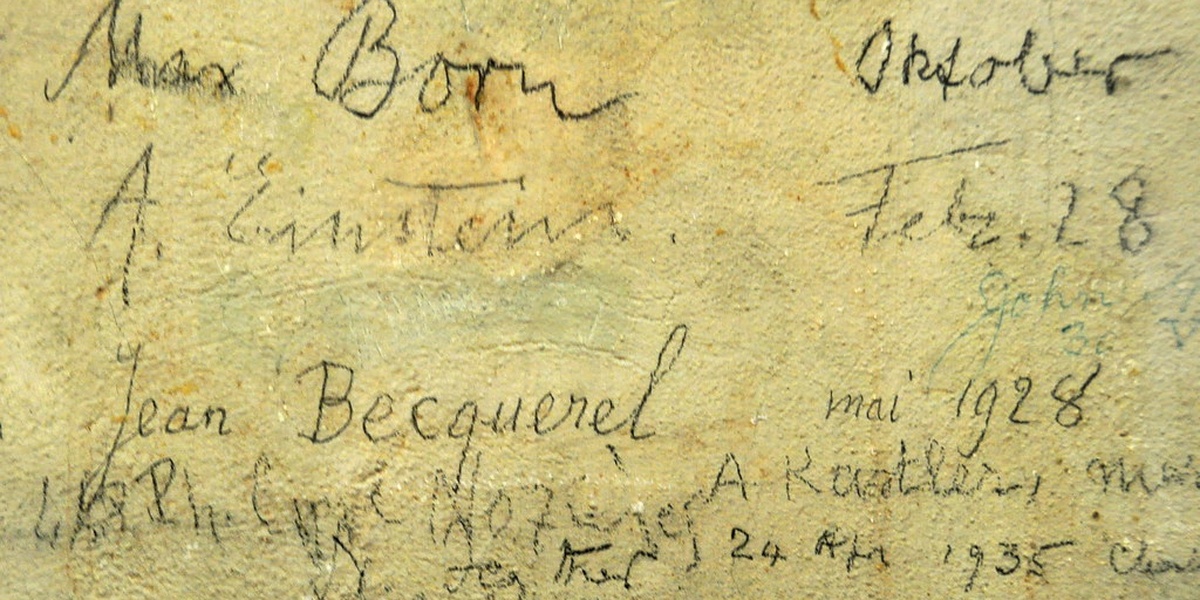
1954 was a watershed year for prizes that recognized breakthroughs in science, literature and humanitarian work, reflecting postwar shifts in culture and global responsibility. The winners that year include figures and organizations whose influence is still discussed in classrooms and policy debates.
There are 7 1954 Nobel Prize Winners, ranging from Ernest Hemingway to UNHCR. Each entry is organized with the columns Prize category,Country,Award citation so you can quickly see the field, origin and the committee’s reason — you’ll find below.
Why did Ernest Hemingway receive the Nobel Prize in 1954?
Hemingway was awarded the 1954 Nobel Prize in Literature for his mastery of the art of narrative, most notably demonstrated in The Old Man and the Sea. The committee highlighted his concise, powerful prose and the way his stories convey universal themes through restrained, direct language.
What did the UNHCR get the Nobel Peace Prize for in 1954?
The United Nations High Commissioner for Refugees received the 1954 Nobel Peace Prize for its tireless work protecting and aiding refugees after World War II and during ongoing crises. The award recognized the agency’s practical relief efforts and its role shaping international refugee policy.
1954 Nobel Prize Winners
| Name | Prize category | Country | Award citation |
|---|---|---|---|
| Max Born | Physics | United Kingdom | for fundamental research in quantum mechanics and statistical interpretation of wavefunction |
| Linus Pauling | Chemistry | United States | for research into the nature of the chemical bond |
| John F. Enders | Physiology or Medicine | United States | for cultivation of poliomyelitis viruses in tissue cultures |
| Thomas H. Weller | Physiology or Medicine | United States | for cultivation of poliomyelitis viruses in tissue cultures |
| Frederick C. Robbins | Physiology or Medicine | United States | for cultivation of poliomyelitis viruses in tissue cultures |
| Ernest Hemingway | Literature | United States | for mastery of narrative, exemplified by The Old Man and the Sea |
| UNHCR | Peace | United Nations | for outstanding work for refugees worldwide |
Images and Descriptions
Max Born
Max Born transformed quantum theory by introducing the statistical interpretation of the wave function. His theoretical work laid foundations for quantum mechanics’ probabilistic framework and influenced generations of physicists, shaping modern atomic and molecular physics and quantum field theory.
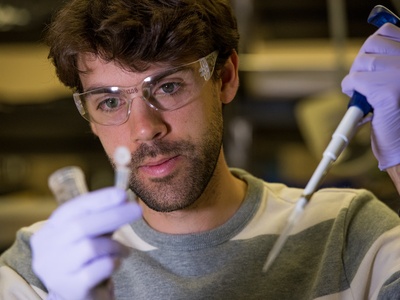
Linus Pauling
Linus Pauling revolutionized chemistry by explaining chemical bonding using quantum mechanics and electronegativity concepts. His work clarified molecular structures, predicted bond properties, and influenced chemistry, biology, and materials science; he became a public intellectual active in peace and health advocacy.

John F. Enders
John F. Enders pioneered techniques to grow poliovirus in nonnervous tissue cultures, enabling vaccine development. His methods allowed safe laboratory study of polio and directly supported Salk and Sabin vaccine research, profoundly reducing polio’s global burden.
Thomas H. Weller
Thomas H. Weller developed cell culture methods that allowed multiplication of poliovirus outside the nervous system, key to understanding viral replication and producing vaccines. His laboratory work, alongside Enders and Robbins, transformed virology and opened paths for many viral vaccines.
Frederick C. Robbins
Frederick C. Robbins co-developed techniques for growing poliovirus in cultured tissues, enabling vaccine development and fundamental virology studies. His contributions, with Enders and Weller, were instrumental in eradicating polio from many regions and advancing public health.
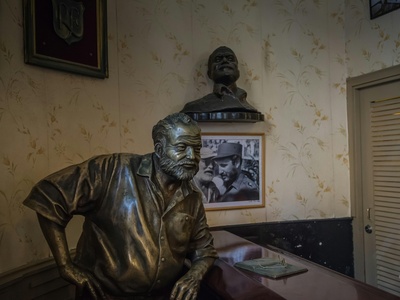
Ernest Hemingway
Ernest Hemingway received the Nobel for his spare, powerful prose and mastery of the short novel and story. The Old Man and the Sea exemplified themes of courage, struggle, and dignity, securing his place as a major twentieth-century American writer.
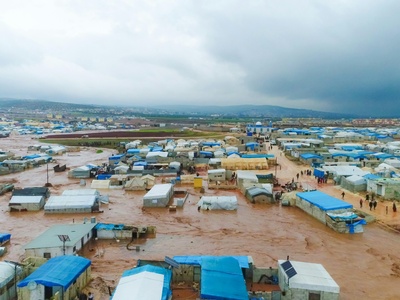
UNHCR
The Office of the United Nations High Commissioner for Refugees (UNHCR) was awarded for aiding displaced persons after World War II. It coordinated international refugee relief, protection, and resettlement programs, shaping postwar humanitarian responses and refugee law foundations.