In 1958, surgeon Åke Senning and engineer Rune Elmqvist implanted the first internal pacemaker in a human — a landmark device that kept a patient alive for several hours and launched a new era of medical instruments. That early implant points to how engineering and medicine combine to solve life-or-death problems; modern pacemakers now commonly last about 5–15 years before battery replacement is needed.
Devices built by biomedical engineers give clinicians data, deliver therapy, and allow long-term monitoring outside the hospital. They shorten time to diagnosis, make treatments less invasive, and accelerate research by turning biological signals into reliable numbers.
Below are seven essential instruments that span diagnostics, therapy, and monitoring or research—what they do, how they work in practice, and why they matter.
Diagnostic Instruments
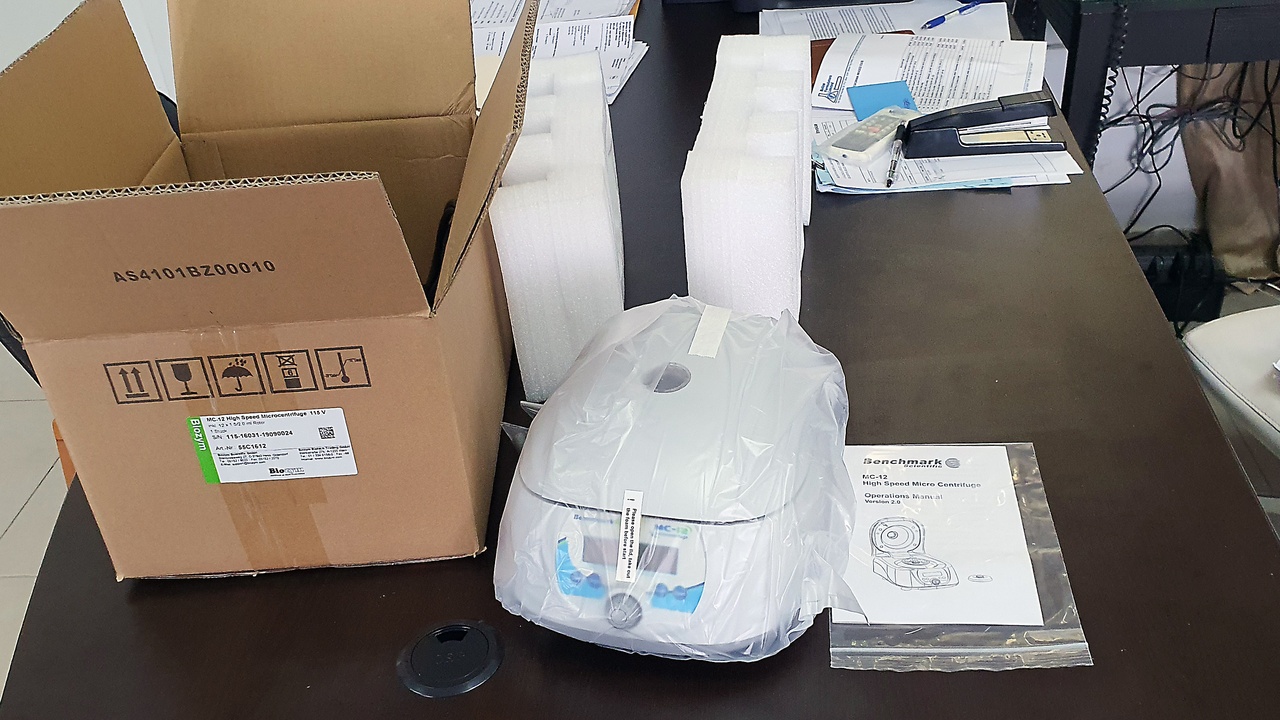
Diagnostic tools produce the clinical data that guide decisions from triage to long-term care. Accuracy and reproducibility are crucial, but so are trade-offs: higher sensitivity typically raises cost and may limit accessibility, while point‑of‑care approaches prioritize speed and portability. The spectrum ranges from whole‑body imaging to molecular assays, and each class serves different clinical needs.
Historical milestones help explain adoption: the first human MRI images appeared in 1977, ultrasound imaging became routine in obstetrics by the 1950s, and PCR later enabled molecular diagnostics. Manufacturers such as Siemens, GE, Philips, Roche, and Bio‑Rad supply devices that hospitals and labs depend on every day.
1. Magnetic Resonance Imaging (MRI) Scanner
MRI provides high‑contrast soft‑tissue images using strong magnetic fields and radiofrequency pulses, making it ideal for brain, spinal cord, and cancer imaging.
Clinical MRI emerged in the late 1970s (first human images in 1977) and modern systems commonly operate at 1.5T or 3T field strength. A 3T scanner is now routine in many hospitals because it improves signal and spatial resolution, enabling detection of tumors just a few millimeters across.
Typical real‑world systems include Siemens Magnetom Prisma (3T), GE Signa series, and Philips Achieva. MRI is non‑ionizing, which makes it preferable for repeated soft‑tissue follow‑up, though it’s more expensive and less portable than ultrasound or X‑ray.
2. Diagnostic Ultrasound Machine
Ultrasound uses high‑frequency sound waves to create real‑time images, and its portability and lack of ionizing radiation make it a go‑to tool for many clinicians.
Used in obstetrics since the 1950s and long established in cardiology for echocardiography, ultrasound has expanded into emergency and bedside applications through point‑of‑care devices. That adoption has improved triage times and guided minimally invasive procedures.
Products like the Philips EPIQ and GE Voluson families span high‑end imaging to compact point‑of‑care systems. Ultrasound is lower cost and far more accessible than CT or MRI, though image quality depends on operator skill and acoustic windows.
3. PCR Thermal Cycler (Molecular Diagnostics)
PCR thermal cyclers amplify specific DNA or RNA sequences, making tiny amounts of genetic material measurable and actionable for diagnosis.
Kary Mullis invented PCR in 1983, and the technique transformed infectious‑disease testing, genetic screening, and oncology diagnostics. Quantitative (qPCR) systems add fluorescence‑based measurement to estimate pathogen load or gene expression.
Common instruments include the Roche LightCycler and Bio‑Rad CFX series. PCR dramatically cut turnaround times for molecular tests during the SARS‑CoV‑2 pandemic and remains the gold standard for many laboratory diagnoses.
Therapeutic Instruments

Therapeutic devices deliver treatment, replace lost function, or assist clinicians during procedures. Engineers designing these systems must prioritize safety, sterilization, human factors, and regulatory testing to meet FDA and international standards.
Among instruments used in biomedical engineering, surgical robots and implantable devices highlight how mechanics, software, and biology intersect. Major approvals—like the FDA clearance for Intuitive Surgical’s da Vinci in 2000—helped spur clinical adoption and subsequent competition.
Good design reduces complication rates, shortens recovery, and broadens who can benefit from advanced procedures. Below are two therapeutic classes that illustrate those points.
4. Surgical Robot Systems
Surgical robots translate a surgeon’s hand motions into scaled, tremor‑filtered instrument movement inside the patient, improving precision in confined spaces.
Intuitive Surgical’s da Vinci system received FDA clearance in 2000 and helped popularize robotic‑assisted prostate and gynecologic procedures. The technology is associated with smaller incisions, less blood loss, and often shorter hospital stays compared with open surgery.
Competitors including CMR Surgical’s Versius and Medtronic’s Hugo are expanding options and cost models for hospitals. Engineers now balance instrument dexterity, haptic feedback, and OR workflow to make robotics practical for more surgeons.
5. Implantable Cardiac Pacemaker
Implantable pacemakers correct bradycardia by delivering electrical pulses that maintain an adequate heart rate and rhythm.
The first internal pacemaker implant in 1958 demonstrated the clinical promise of implantables. Modern devices from Medtronic, Boston Scientific, and Abbott last roughly 5–15 years depending on pacing burden and battery chemistry, and contemporary systems include rate‑responsive features and remote monitoring.
Key engineering challenges are lead reliability, power management, and safe firmware updates. Improvements in battery and lead design have turned a formerly short‑lived device into a long‑term therapy that improves survival and quality of life.
Monitoring and Research Instruments
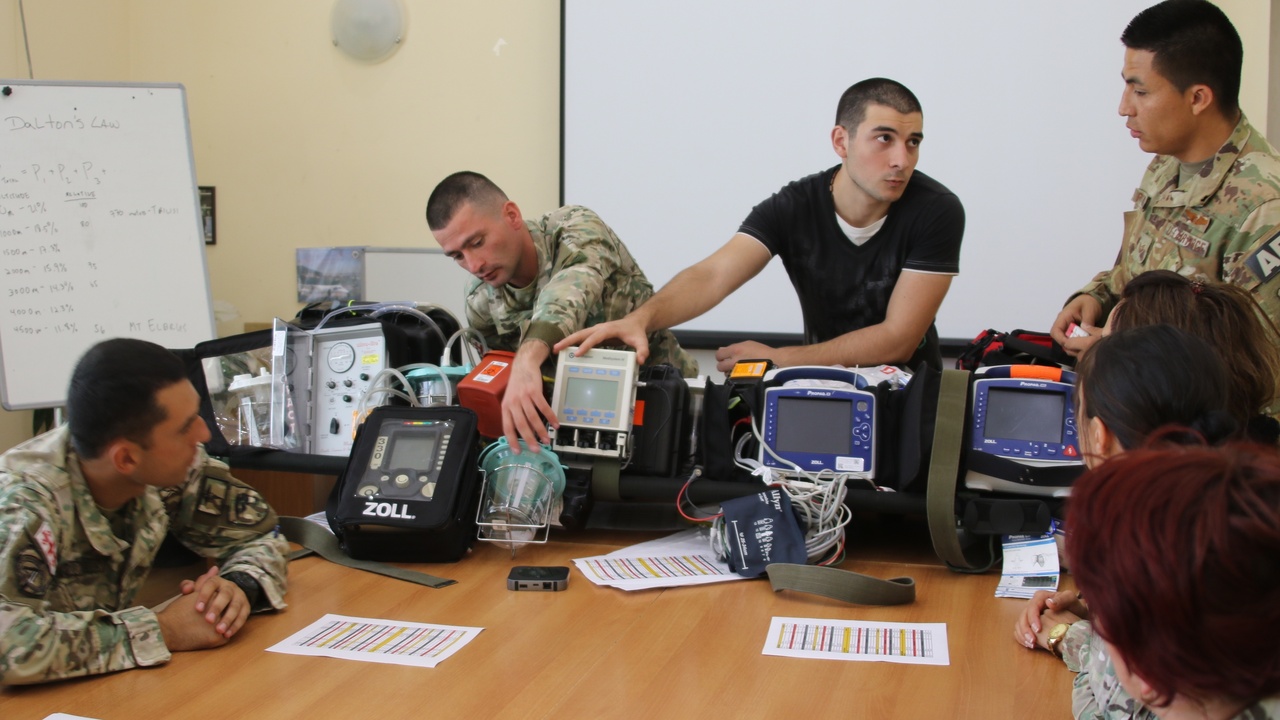
Monitoring devices collect continuous or repeated measurements that improve patient safety and enable data‑driven care. Research instruments, from flow cytometers to sequencers, convert biological complexity into measurements that lead to new therapies.
Wearables and remote sensors have grown rapidly: consumer devices now feed clinical programs, and regulated continuous glucose monitors show direct clinical benefit. Below are two widely used monitoring technologies.
6. Electrocardiogram (ECG/EKG) Machine
ECG records the heart’s electrical activity and is the standard tool for assessing rhythm and acute ischemia at the bedside.
Einthoven’s early string galvanometer in the early 1900s laid the groundwork; today a 12‑lead ECG is routine in emergency departments and clinics. Systems such as the Philips PageWriter and GE MAC series are common, and ambulatory Holter monitors record 24–48 hours or longer for intermittent arrhythmias.
ECG is low cost, simple to interpret with standard criteria, and essential for triage of chest pain and syncope. It remains one of the single most valuable cardiac tests available.
7. Wearable Sensors and Continuous Biosensors
Wearables and continuous biosensors collect physiologic data outside the clinic, enabling long‑term monitoring and earlier intervention.
Continuous glucose monitors such as the Dexcom G6 and Abbott FreeStyle Libre provide near‑real‑time glucose measurements that transform diabetes care. Consumer devices like the Apple Watch and Fitbit add heart‑rate and SpO2 tracking that clinics sometimes use for remote follow‑up.
These devices support remote‑care models and personalized medicine, though integration with clinical workflows and validation against regulated devices remain engineering priorities as adoption increases.
Summary
- From the 1958 implantable pacemaker to PCR (invented in 1983), specific milestones show how biomedical tools reshaped diagnosis and therapy.
- MRI, ultrasound, and PCR illustrate diagnostic trade‑offs: sensitivity, cost, and accessibility determine where each test fits in clinical care.
- Surgical robots and implantables demonstrate how engineering solves procedural and chronic‑care problems, while monitoring devices and wearables collect the long‑term data clinicians need.
- Instruments used in biomedical engineering—from MRI and da Vinci systems to Dexcom CGMs—will keep pushing care toward earlier detection, less invasive treatment, and more personalized monitoring.