Wide open grasslands shape landscapes and livelihoods across continents, supporting grazing herds, seasonal fires, and farming systems while hosting distinctive plant communities and wildlife. Knowing the main types helps explain regional climate patterns, land use, and conservation priorities.
There are 12 Grassland Biomes, ranging from Cerrado to Veld. For each entry the data are organized as Biome type,Climate (°C; mm/yr),Major locations so you can quickly compare climate and distribution; you’ll find below.
How do climate and species vary across these grassland biomes?
Climate differences—tropical wet-dry cycles in savannas versus cooler, drier conditions in temperate prairies and the Veld—drive vegetation structure, dominant grasses, and the assemblage of grazers and predators; the Climate (°C; mm/yr) and Major locations columns in the list make those contrasts easy to spot.
Which grassland biomes are most at risk and why?
Biomes undergoing rapid agricultural conversion and fragmentation—especially tropical savannas like parts of the Cerrado and many temperate grasslands—face the greatest threat due to land-use change, invasive species, and altered fire regimes; consult the Major locations and climate data below to pinpoint vulnerable regions.
Grassland Biomes
| Name | Biome type | Climate (°C; mm/yr) | Major locations |
|---|---|---|---|
| Temperate grassland | Temperate | 0–20°C;250–900 mm/yr | North America, Eurasia, South America |
| Tropical savanna | Tropical savanna | 20–30°C;500–1,300 mm/yr | Africa, South America, Australia, India |
| Montane grassland (alpine meadow) | Montane | -5–10°C;400–2,000 mm/yr | Andes, Rockies, Himalaya, East Africa |
| Flooded grassland (seasonally flooded) | Flooded/seasonal | 15–28°C;600–2,500 mm/yr | South America, Africa, Asia |
| Prairie | Temperate | -2–15°C;300–900 mm/yr | North America (Great Plains, Canada) |
| Steppe | Temperate | -5–15°C;200–500 mm/yr | Eurasia (Central Asia, Mongolia) |
| Pampas | Temperate | 10–18°C;600–1,200 mm/yr | Argentina, Uruguay, southern Brazil |
| Veld | Temperate/tropical | 10–20°C;400–900 mm/yr | Southern Africa (South Africa, Lesotho, Eswatini) |
| Cerrado | Tropical savanna | 20–26°C;800–1,600 mm/yr | Brazil (central highlands) |
| Llanos | Tropical savanna/floodplain | 24–27°C;1,000–2,000 mm/yr | Venezuela, Colombia |
| Serengeti (East African savanna) | Tropical savanna | 20–25°C;500–1,200 mm/yr | Tanzania, Kenya |
| Páramo | Montane | 0–10°C;600–2,000 mm/yr | Northern Andes (Colombia, Ecuador, Venezuela, Peru) |
Images and Descriptions

Temperate grassland
Expansive grass-dominated landscapes with deep soils, bunchgrasses and forbs; supports grazing mammals and ground-nesting birds. Important for carbon storage and agriculture; threats include conversion to cropland, invasive species and altered fire regimes.
Tropical savanna
Warm grasslands with a marked dry season, scattered trees and diverse grazers (antelopes, wildebeest, elephants). Fire and herbivory shape ecosystems; major threats are land conversion, overgrazing and climate-driven shifts in rainfall.
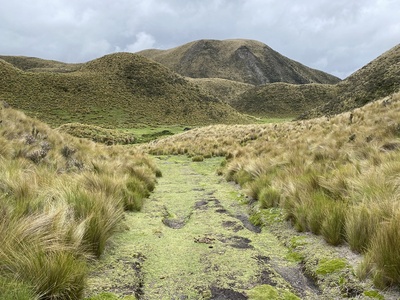
Montane grassland (alpine meadow)
High-elevation grasslands and meadows above tree line dominated by tussocks and low herbs. Important water sources and endemic flora/fauna; vulnerable to climate warming, grazing pressure and habitat fragmentation.
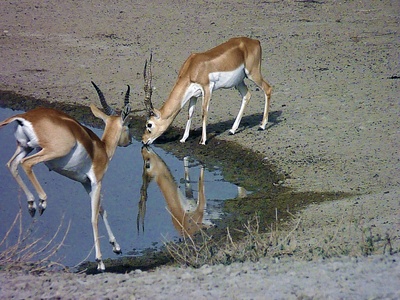
Flooded grassland (seasonally flooded)
Seasonally inundated grass-dominated plains with specialized plants and waterbirds. Provide flood control, fish nursery habitat and grazing; threatened by drainage, dams, conversion to agriculture and pollution.
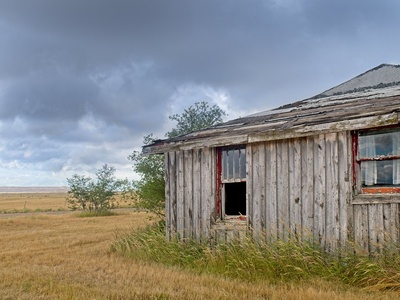
Prairie
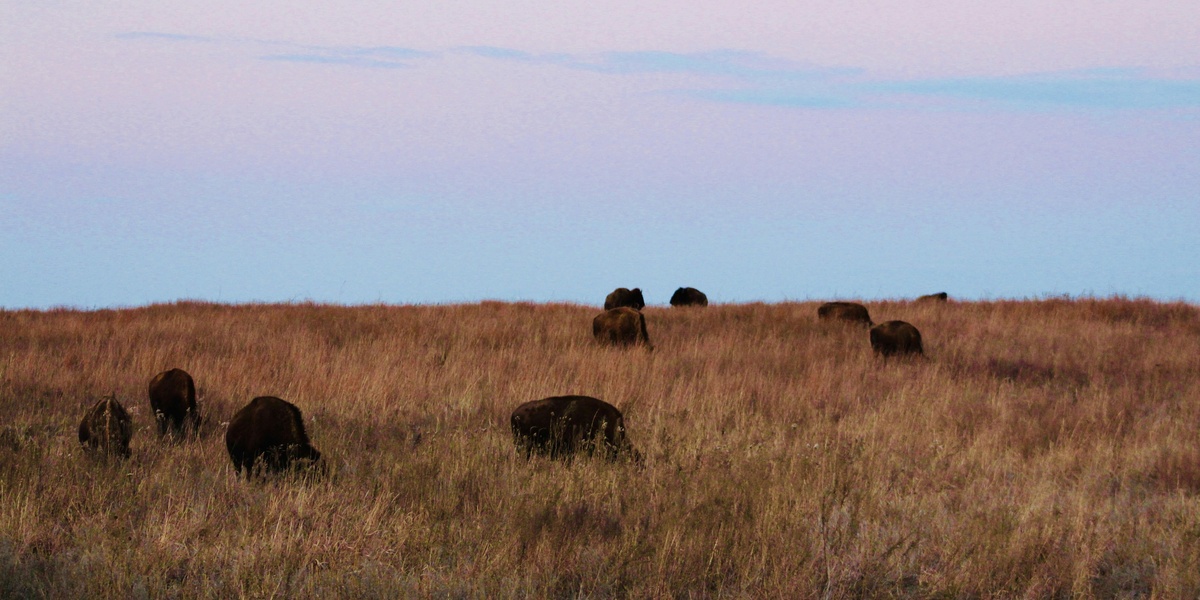
North American temperate grassland with tall, mixed and shortgrass types; hosts bison, prairie dogs and many grassland birds. Iconic soils (mollisols) are fertile; most lost to farming and urban expansion.
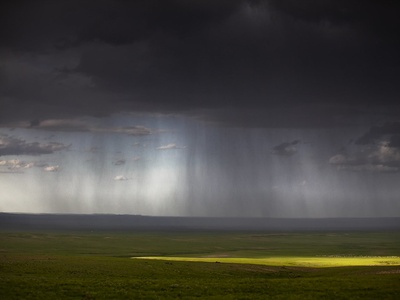
Steppe
Open, semi-arid grassland dominated by drought-tolerant grasses and forbs, home to saiga, wild horses and steppe birds. Sensitive to overgrazing, desertification and conversion for crops.
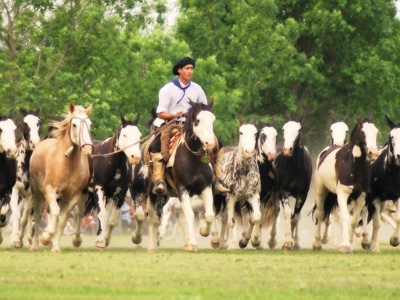
Pampas
Fertile South American plains of tall grasses and wildflowers supporting grazing mammals and rich birdlife. Historically productive farmland; major threats are intensive agriculture, habitat loss and fragmentation.
Veld
Southern African grasslands ranging from highveld to lowveld with grasses, bulbous plants and grazers like zebra and antelope. Threatened by woody encroachment, agriculture, mining and invasive species.
Cerrado
Neotropical savanna with diverse grasses, shrubs and fire-adapted trees; exceptional plant endemism and unique fauna. Rapid conversion to soy and pasture is the biggest conservation crisis.
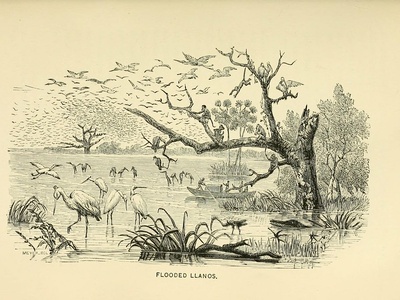
Llanos
Seasonally flooded tropical grasslands with extensive floodplain mosaics that support fish, caimans, capybara and migratory birds. Flood control, oil development and cattle ranching threaten hydrology and biodiversity.
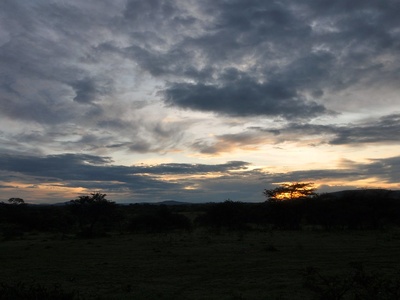
Serengeti (East African savanna)
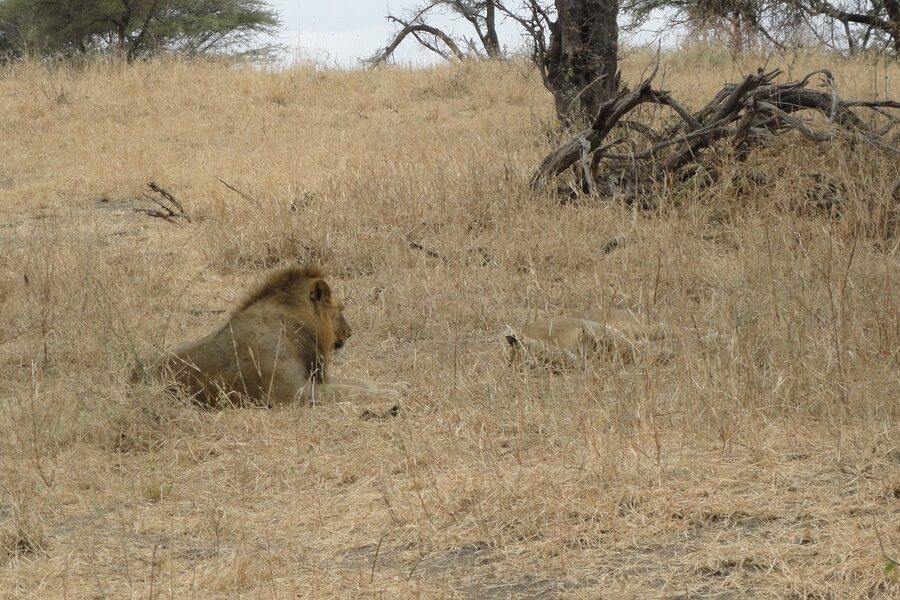
World-famous savanna ecosystem of grasses, acacias and massive ungulate migrations (wildebeest, zebra), predators like lions. Conservation success stories face pressures from land use change and tourism impacts.
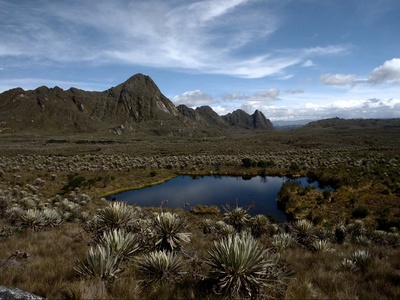
Páramo
High-altitude tropical grassland with rosette plants, cushion species and giant grasses; crucial cloudwater capture and endemic species. Threats include grazing, burning, agriculture and climate change-driven upslope shifts.