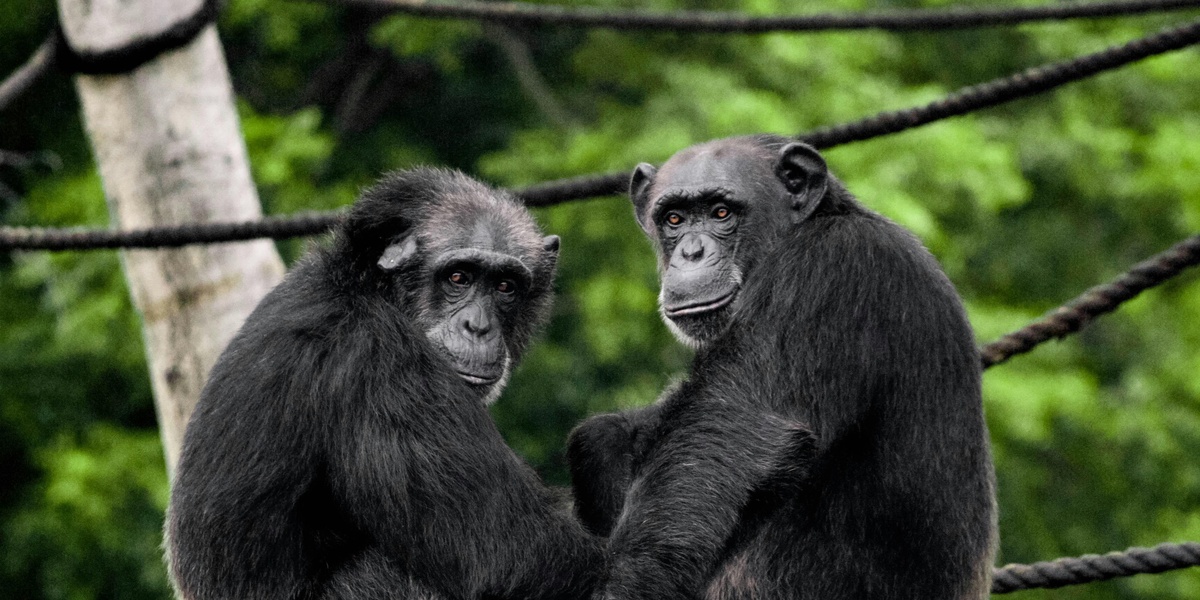
From tropical canopies to suburban parks, primates occupy a wide variety of habitats and offer a lot to notice — from social behavior to physical traits. This list is meant to help you scan species quickly and compare key facts without getting bogged down in jargon.
There are 20 Examples of Primates, ranging from Aye-aye to White-faced capuchin. The list is organized with columns: Scientific name,Range,Weight (kg), and you’ll find below.
How can I tell similar primate species apart in the field?
Use a combination of visible features (size, fur color, tail shape, facial markings), behavior, and habitat. Cross-check with range information and average weight to narrow options; photos and quick field guides keyed to Scientific name make identification much easier.
Where should I look if I want to see the greatest primate diversity?
Focus on tropical regions—Amazonia, Central Africa, and Southeast Asian forests host the most species. Many primates have limited ranges, so consult the Range column below to target specific reserves or countries.
Examples of Primates
| Common name | Scientific name | Range | Weight (kg) |
|---|---|---|---|
| Human | Homo sapiens | Worldwide; global distribution | 62 |
| Chimpanzee | Pan troglodytes | West and Central Africa, tropical forests and woodlands | 45 |
| Bonobo | Pan paniscus | Democratic Republic of Congo, lowland rainforests south of the Congo River | 40 |
| Western gorilla | Gorilla gorilla | Central Africa, lowland rainforests (Congo Basin region) | 140 |
| Bornean orangutan | Pongo pygmaeus | Borneo island (Indonesia and Malaysia), lowland and peat-swamp forests | 80 |
| Rhesus macaque | Macaca mulatta | South, Central, and Southeast Asia; forests and urban areas | 7 |
| Olive baboon | Papio anubis | Sub-Saharan Africa, savannas and open woodlands | 25 |
| Black-and-white colobus | Colobus guereza | Central and East Africa, montane and lowland forests | 11 |
| Proboscis monkey | Nasalis larvatus | Borneo, coastal mangroves and riverine forests | 20 |
| Common squirrel monkey | Saimiri sciureus | Central and South America, Amazon basin and forest edges | 0.8 |
| White-faced capuchin | Sapajus capucinus | Central America to northwest South America, tropical forests | 3.5 |
| Black-handed spider monkey | Ateles geoffroyi | Central and South America, upper-canopy rainforests | 8 |
| Mantled howler monkey | Alouatta palliata | Central America to northern South America, forests and woodlands | 7 |
| Common marmoset | Callithrix jacchus | Eastern Brazil, Atlantic Forest and urban edges | 0.4 |
| Gray mouse lemur | Microcebus murinus | Western and northern Madagascar, dry and moist forests | 0.06 |
| Ring-tailed lemur | Lemur catta | Southern Madagascar, spiny forests, scrublands and gallery forests | 2.2 |
| Indri | Indri indri | Eastern Madagascar, lowland and montane rainforests | 7 |
| Aye-aye | Daubentonia madagascariensis | Madagascar, forests across the island; nocturnal forager | 2.5 |
| Bengal slow loris | Nycticebus bengalensis | South and Southeast Asia, India to Indonesia, tropical forests | 1.2 |
| Philippine tarsier | Carlito syrichta | Philippine islands (Bohol, Samar, Leyte), forested areas | 0.12 |
Images and Descriptions

Human
Our species occurs across the globe and averages about 62 kg. Remarkable for culture, language, and technology, humans shape ecosystems and other species’ futures. Notable trait: complex societies and tool use that transformed environments worldwide.
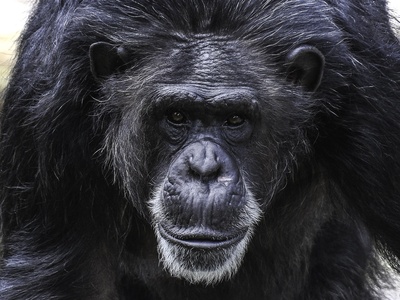
Chimpanzee
A great ape from African forests averaging ~45 kg. Intelligent and highly social, chimpanzees use tools, form tight communities, and show complex emotions. Conservation concern: habitat loss and hunting have made many populations endangered or vulnerable.
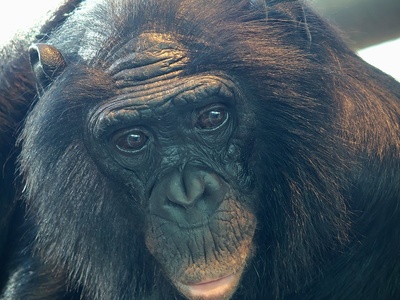
Bonobo
A lean great ape averaging about 40 kg, bonobos are famous for peaceful, matriarchal social life and sexual behavior used for conflict resolution. They live only in DRC rainforests and face habitat loss and hunting pressures.
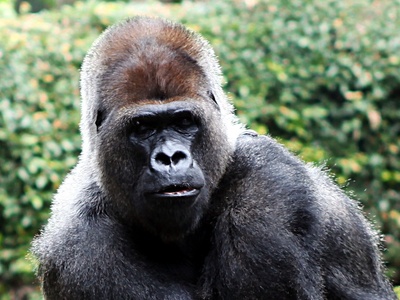
Western gorilla
A large great ape averaging roughly 140 kg, the western gorilla is powerful and primarily ground-dwelling. Gentle herbivore with complex social groups; critically endangered in many areas due to poaching and disease (e.g., Ebola).
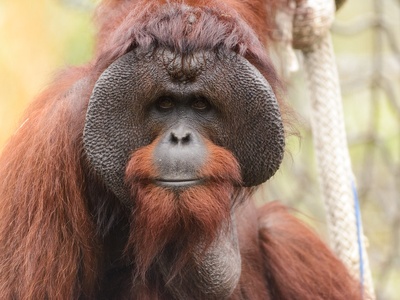
Bornean orangutan
An arboreal great ape around 80 kg, Bornean orangutans are solitary, exceptionally intelligent tree-dwellers known for tool use and long childhoods. Notable trait: swinging and brachiation; severe habitat loss from logging and palm oil threatens them.
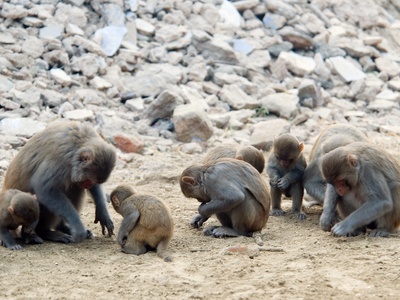
Rhesus macaque
A adaptable Old World monkey averaging about 7 kg, rhesus macaques occupy forests and cities across Asia. Notable for intelligence and tolerance of human-modified habitats; widely studied in research and often seen near people.
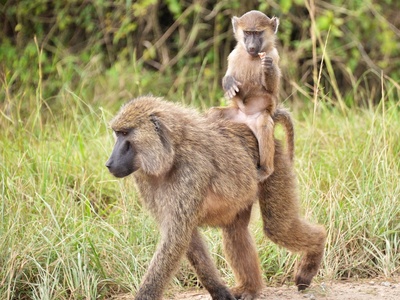
Olive baboon
A robust Old World monkey around 25 kg, olive baboons live in large troops with complex social hierarchies. Ground-dwelling omnivores known for cheek pouches and bold behavior; adaptable but sometimes conflict with humans.
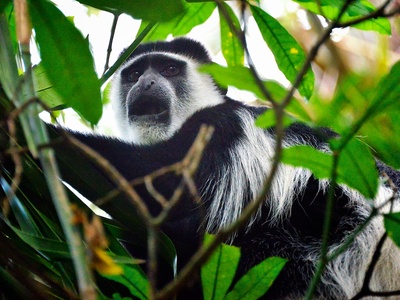
Black-and-white colobus
A leaf-eating Old World monkey about 11 kg, colobus monkeys have striking black-and-white fur and a reduced thumb for leaping. They live in forest canopies and play a role in seed dispersal.
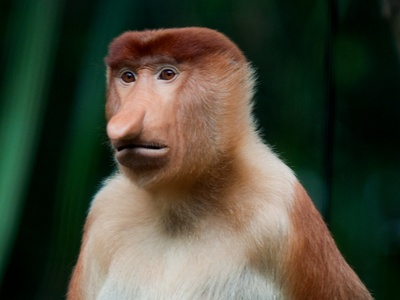
Proboscis monkey
A distinctive Old World monkey averaging 20 kg, proboscis monkeys have large noses and are strong swimmers. They live in mangrove and riverine forests; habitat loss and hunting have made them vulnerable.
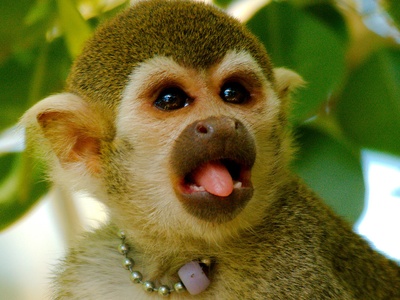
Common squirrel monkey
A small New World monkey around 0.8 kg, squirrel monkeys are energetic, vocal, and live in large mixed troops. Notable for fast movements and bright faces; commonly seen in tropical forests and research studies.
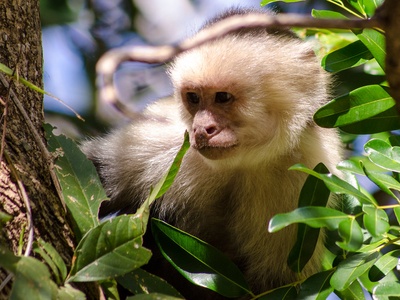
White-faced capuchin
A clever New World monkey about 3.5 kg, white-faced capuchins use tools and have complex social behavior. Highly adaptable and curious, they forage widely and are often highlighted for problem-solving abilities.
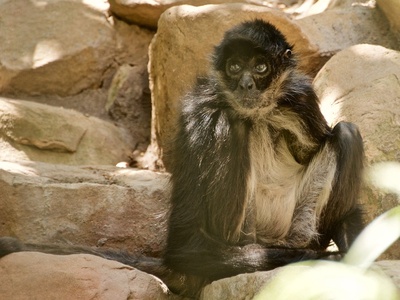
Black-handed spider monkey
A long-limbed New World monkey ~8 kg, spider monkeys are expert brachiators with prehensile tails acting like a fifth limb. They live in high canopy groups and are key seed dispersers; many populations are threatened by deforestation.
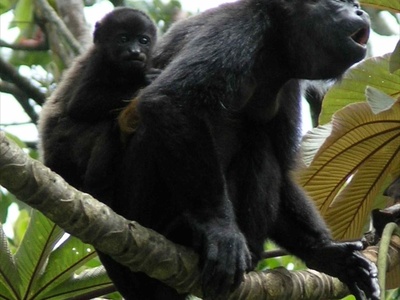
Mantled howler monkey
A loud New World monkey around 7 kg, mantled howlers are famous for deep, far-carrying calls. Primarily folivorous and slow-moving, they live in family groups and help shape forest ecology through leaf eating.
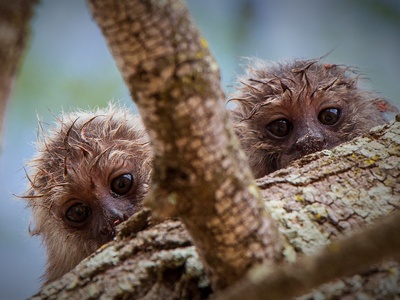
Common marmoset
A tiny New World monkey about 0.4 kg, common marmosets live in family groups and have specialized teeth for gouging tree sap. Notable for cooperative care and rapid breeding; they thrive in fragmented forests and urban areas.
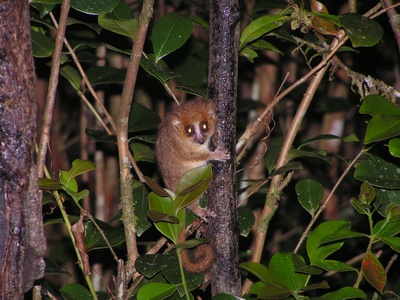
Gray mouse lemur
One of the smallest primates at ~0.06 kg, the gray mouse lemur is nocturnal and solitary. It feeds on insects and fruit, shows remarkable seasonal torpor, and exemplifies Madagascar’s unique, highly endangered biodiversity.
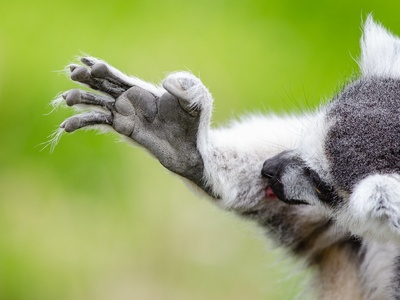
Ring-tailed lemur
A charismatic lemur about 2.2 kg, ring-tailed lemurs live in noisy social groups and sunbathe in open areas. Notable for striking tail rings used in group signaling; habitat loss and hunting make them vulnerable.
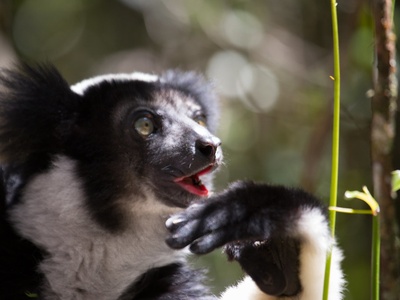
Indri
A large lemur around 7 kg, the indri is nearly tailless and known for loud, haunting calls that carry through forests. Lives in small family groups; restricted range and habitat loss put it at conservation risk.
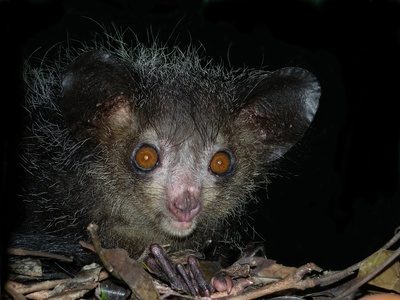
Aye-aye
A unique nocturnal lemur about 2.5 kg, the aye-aye uses an elongated middle finger to extract insect larvae from wood. Its odd appearance inspired myths; conservation is critical due to habitat loss and persecution.
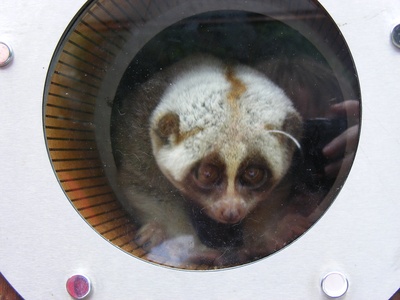
Bengal slow loris
A slow-moving nocturnal primate ~1.2 kg, the Bengal slow loris has a toxic bite and large, forward-facing eyes. Solitary and tree-dwelling, it faces threats from the pet trade and habitat destruction.
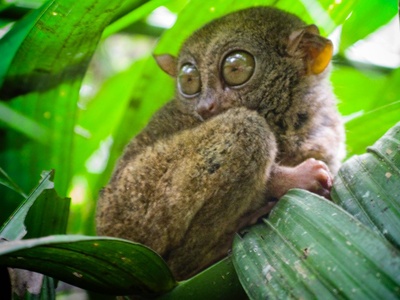
Philippine tarsier
A tiny nocturnal primate about 0.12 kg, the Philippine tarsier has enormous eyes and powerful leaping abilities. Insectivorous and solitary, it’s an iconic, vulnerable species with restricted island ranges and habitat pressures.