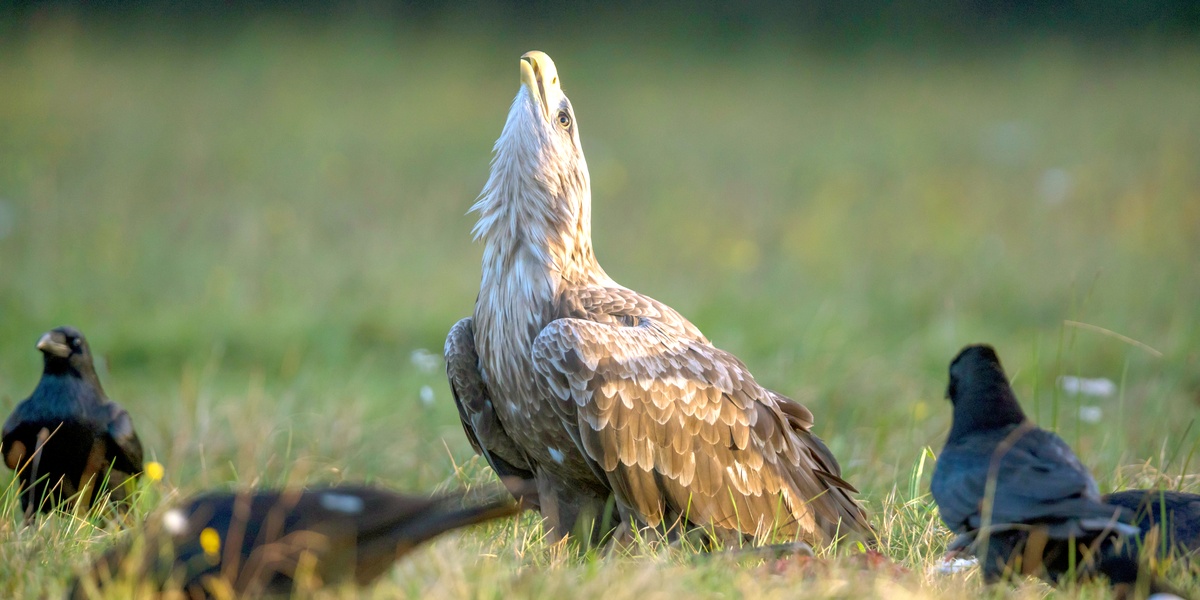
Poland’s varied landscapes — from Baltic marshes and lakes to forests and agricultural plains — support a rich mix of resident and migratory birds. Whether you watch from a lakeside hide or a roadside verge, there’s always something seasonal to spot.
There are 100 Birds of Poland, ranging from Barn Swallow to Whooper Swan. For each species the data are presented as Scientific name,Size (length cm),Status — you’ll find below.
How can I use this list for planning birdwatching trips in Poland?
Use the list to match species to habitats and seasons: check the Status column for migrants or rare visitors, use Size (length cm) to help with field identification, and note Scientific name to avoid confusion with similar species when reading local guides.
Does the list indicate which species are protected or threatened?
Yes — the Status column flags conservation concerns and commonness; consult that field before searching for a species and follow local protection rules and recommended viewing distances to minimize disturbance.
Birds of Poland
| Name | Scientific name | Size (length cm) | Status |
|---|---|---|---|
| Mallard | Anas platyrhynchos | 50 | breeding/common |
| Mute Swan | Cygnus olor | 150 | breeding/common |
| Whooper Swan | Cygnus cygnus | 140 | winter/common |
| Greylag Goose | Anser anser | 75 | breeding/common |
| Greater White-fronted Goose | Anser albifrons | 65 | migrant/uncommon |
| Common Shelduck | Tadorna tadorna | 60 | breeding/uncommon |
| Ruddy Shelduck | Tadorna ferruginea | 65 | vagrant/rare |
| Eurasian Teal | Anas crecca | 34 | migrant/common |
| Northern Shoveler | Spatula clypeata | 48 | migrant/common |
| Gadwall | Mareca strepera | 46 | migrant/uncommon |
| Eurasian Wigeon | Mareca penelope | 42 | migrant/common |
| Northern Pintail | Anas acuta | 60 | migrant/uncommon |
| Tufted Duck | Aythya fuligula | 42 | migrant/common |
| Common Pochard | Aythya ferina | 46 | migrant/uncommon |
| Ferruginous Duck | Aythya nyroca | 44 | breeding/rare |
| Common Goldeneye | Bucephala clangula | 46 | winter/uncommon |
| Smew | Mergellus albellus | 38 | winter/rare |
| Red-breasted Merganser | Mergus serrator | 56 | migrant/uncommon |
| Goosander | Mergus merganser | 65 | winter/common |
| Great Cormorant | Phalacrocorax carbo | 85 | breeding/common |
| Grey Heron | Ardea cinerea | 100 | resident/common |
| Little Egret | Egretta garzetta | 60 | breeding/uncommon |
| Great Egret | Ardea alba | 90 | breeding/uncommon |
| Eurasian Bittern | Botaurus stellaris | 75 | breeding/rare |
| Purple Heron | Ardea purpurea | 85 | migrant/rare |
| Common Crane | Grus grus | 120 | migrant/common |
| White-tailed Eagle | Haliaeetus albicilla | 85 | breeding/uncommon |
| Common Buzzard | Buteo buteo | 55 | breeding/common |
| Northern Goshawk | Accipiter gentilis | 60 | breeding/uncommon |
| Eurasian Sparrowhawk | Accipiter nisus | 35 | breeding/common |
| Osprey | Pandion haliaetus | 60 | migrant/uncommon |
| Lesser Spotted Eagle | Clanga pomarina | 60 | breeding/rare |
| Greater Spotted Eagle | Clanga clanga | 62 | breeding/rare |
| Eurasian Kestrel | Falco tinnunculus | 34 | breeding/common |
| Merlin | Falco columbarius | 28 | migrant/rare |
| Peregrine Falcon | Falco peregrinus | 40 | breeding/uncommon |
| Common Pheasant | Phasianus colchicus | 60 | resident/common |
| Capercaillie | Tetrao urogallus | 85 | breeding/rare |
| Black Grouse | Lyrurus tetrix | 65 | breeding/rare |
| Hazel Grouse | Tetrastes bonasia | 36 | breeding/uncommon |
| Grey Partridge | Perdix perdix | 32 | breeding/uncommon |
| Rock Ptarmigan | Lagopus muta | 38 | breeding/rare |
| Eurasian Coot | Fulica atra | 38 | breeding/common |
| Common Moorhen | Gallinula chloropus | 32 | breeding/common |
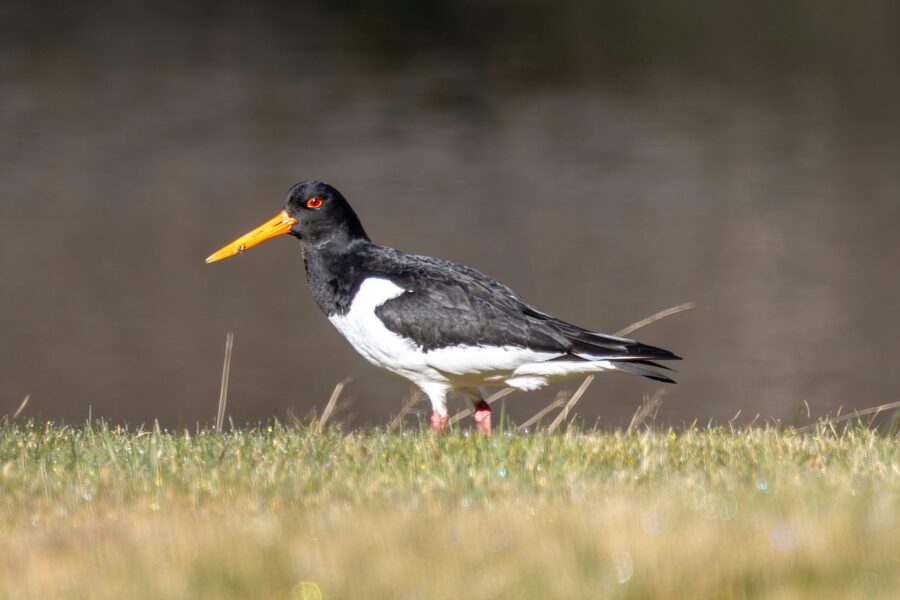
| Eurasian Oystercatcher | Haematopus ostralegus | 42 | migrant/uncommon |
| Pied Avocet | Recurvirostra avosetta | 42 | breeding/rare |
| Northern Lapwing | Vanellus vanellus | 28 | breeding/common |
| Ringed Plover | Charadrius hiaticula | 19 | migrant/uncommon |
| Little Ringed Plover | Charadrius dubius | 17 | breeding/uncommon |
| Common Redshank | Tringa totanus | 27 | migrant/common |
| Common Greenshank | Tringa nebularia | 33 | migrant/uncommon |
| Spotted Redshank | Tringa erythropus | 30 | migrant/uncommon |
| Black-tailed Godwit | Limosa limosa | 42 | breeding/uncommon |
| Whimbrel | Numenius phaeopus | 38 | migrant/uncommon |
| Eurasian Curlew | Numenius arquata | 57 | migrant/uncommon |
| Sanderling | Calidris alba | 18 | migrant/uncommon |
| Dunlin | Calidris alpina | 18 | migrant/common |
| Purple Sandpiper | Calidris maritima | 22 | winter/rare |
| Ruff | Calidris pugnax | 25 | migrant/common |
| Common Snipe | Gallinago gallinago | 26 | breeding/common |
| Great Snipe | Gallinago media | 31 | migrant/rare |
| Eurasian Woodcock | Scolopax rusticola | 33 | migrant/uncommon |
| Black-headed Gull | Chroicocephalus ridibundus | 38 | breeding/common |
| Little Gull | Hydrocoloeus minutus | 21 | migrant/uncommon |
| Mediterranean Gull | Ichthyaetus melanocephalus | 38 | migrant/uncommon |
| Common Gull | Larus canus | 37 | migrant/common |
| Herring Gull | Larus argentatus | 60 | migrant/common |
| Lesser Black-backed Gull | Larus fuscus | 55 | migrant/uncommon |
| Great Black-backed Gull | Larus marinus | 76 | migrant/rare |
| Common Tern | Sterna hirundo | 33 | breeding/common |
| Sandwich Tern | Thalasseus sandvicensis | 40 | migrant/uncommon |
| Little Tern | Sternula albifrons | 24 | breeding/rare |
| Whiskered Tern | Chlidonias hybrida | 29 | migrant/rare |
| Eurasian Eagle-Owl | Bubo bubo | 70 | breeding/rare |
| Tawny Owl | Strix aluco | 37 | breeding/common |
| Ural Owl | Strix uralensis | 58 | breeding/rare |
| Long-eared Owl | Asio otus | 35 | winter/uncommon |
| Short-eared Owl | Asio flammeus | 36 | migrant/uncommon |
| Common Swift | Apus apus | 17 | breeding/common |
| Barn Swallow | Hirundo rustica | 17 | breeding/common |
| House Martin | Delichon urbicum | 13 | breeding/common |
| Sand Martin | Riparia riparia | 12 | breeding/common |
| Common Starling | Sturnus vulgaris | 21 | breeding/common |
| Eurasian Blackbird | Turdus merula | 24 | breeding/common |
| Song Thrush | Turdus philomelos | 25 | breeding/uncommon |
| Mistle Thrush | Turdus viscivorus | 29 | breeding/uncommon |
| Fieldfare | Turdus pilaris | 26 | winter/common |
| Redwing | Turdus iliacus | 22 | migrant/common |
| Ring Ouzel | Turdus torquatus | 23 | migrant/rare |
| European Robin | Erithacus rubecula | 14 | breeding/common |
| Eurasian Wren | Troglodytes troglodytes | 9 | breeding/common |
| Dunnock | Prunella modularis | 14 | breeding/common |
| Eurasian Nuthatch | Sitta europaea | 15 | breeding/uncommon |
| Eurasian Treecreeper | Certhia familiaris | 12 | breeding/uncommon |
| Eurasian Jay | Garrulus glandarius | 34 | breeding/common |
| Eurasian Magpie | Pica pica | 45 | breeding/common |
| Hooded Crow | Corvus cornix | 50 | breeding/common |
| Common Raven | Corvus corax | 63 | breeding/uncommon |
| Great Spotted Woodpecker | Dendrocopos major | 23 | breeding/common |
| Green Woodpecker | Picus viridis | 36 | breeding/uncommon |
Images and Descriptions
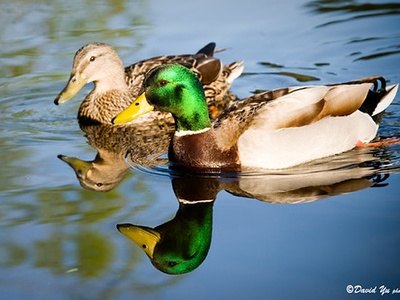
Mallard
A familiar dabbling duck of lakes, rivers and city parks across Poland. Seen year-round but abundant in migration and winter. Look for the glossy green head on males; adaptable and often the first duck newcomers notice.
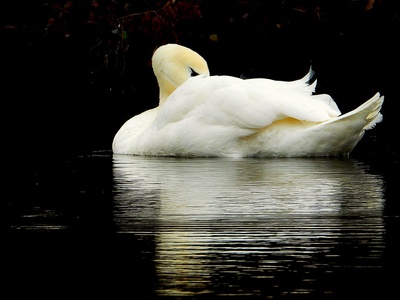
Mute Swan
Elegant large swan common on lakes, rivers and coastal lagoons in Poland. Breeds widely and visible year-round; numbers peak in winter flocks. Notable for its orange bill and strong territorial behavior during nesting season.
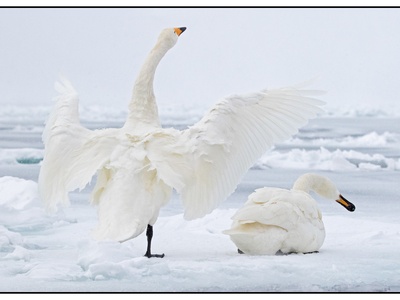
Whooper Swan
A large, long-necked swan that winters and migrates through Poland, often on wetlands and shallow lakes. Distinctive trumpeting calls and straight neck carriage separate it from Mute Swan; best seen autumn to spring.
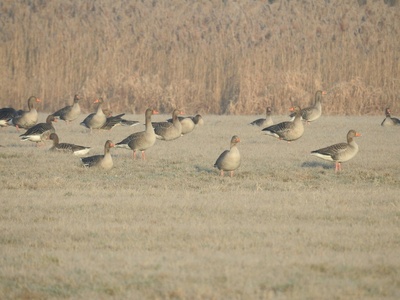
Greylag Goose
Stocky grey goose that breeds in marshes, wet meadows and reservoirs across Poland and forms large winter flocks. Common on migration stopovers; recognizable by orange bill and loud honking. Important for wetland birdwatching.
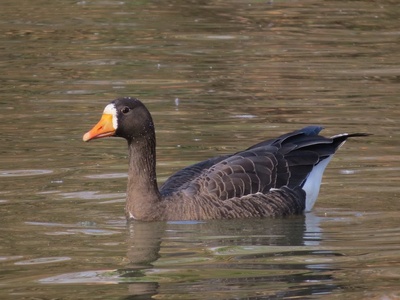
Greater White-fronted Goose
A medium goose seen in flocks during migration and winter, especially on agricultural fields and coastal bays. Notable white forehead patch and black belly bars; more common in some years during migration peaks.
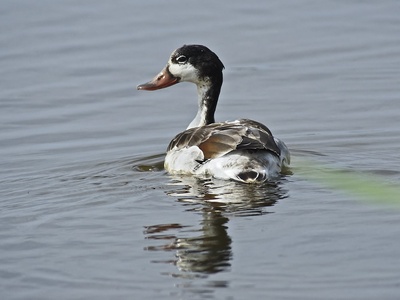
Common Shelduck
Striking black, chestnut and white waterfowl found in coastal lagoons, river estuaries and inland saline lakes. Breeds in parts of Poland; look for pairs in spring and colourful flocks in migration.
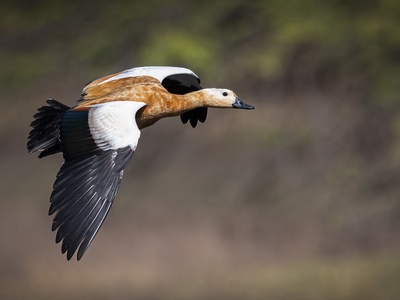
Ruddy Shelduck
Orange-buff shelduck occasionally recorded as a wild vagrant in Poland, typically at wetlands or large reservoirs during migration seasons. Eye-catching colour makes it a sought-after sight for birders.
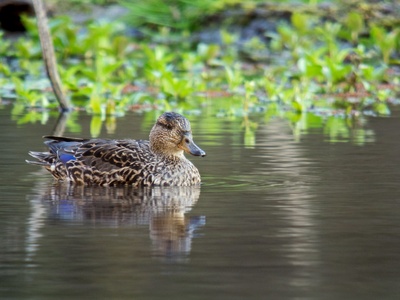
Eurasian Teal
Small dabbling duck common on shallow lakes, marshes and flooded fields during migration and winter. Males show a green cheek patch in breeding plumage; easy to spot in mixed duck flocks in spring and autumn.
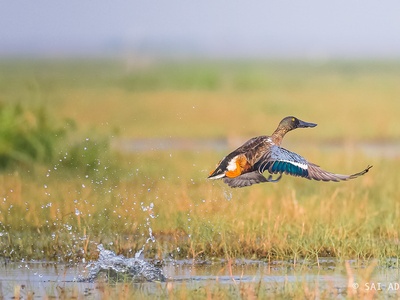
Northern Shoveler
Distinctive spatulate bill duck found in Polish wetlands and shallow lakes during migration and breeding in suitable marshes. Feeds by filtering plankton; males have colourful breeding plumage and stand out in mixed flocks.
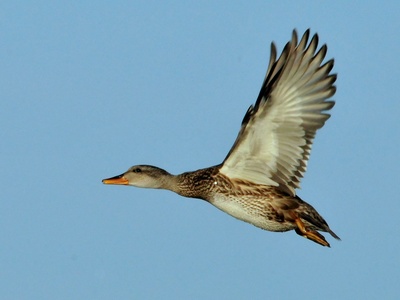
Gadwall
A quieter dabbling duck of marshes and lakes seen during migration and in summer in reed-fringed wetlands. Subtle patterned plumage and thin bill; often overlooked but common in mixed waterfowl gatherings.
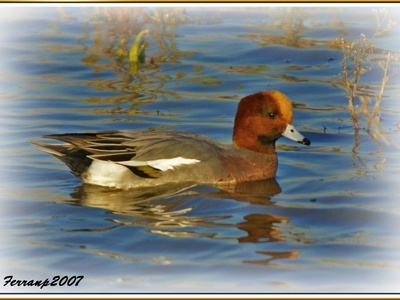
Eurasian Wigeon
Widespread migrant and winter visitor on lakes, coastal lagoons and flooded fields. Males have a chestnut head with yellow crown in breeding plumage. Often occurs in large flocks with other dabblers.
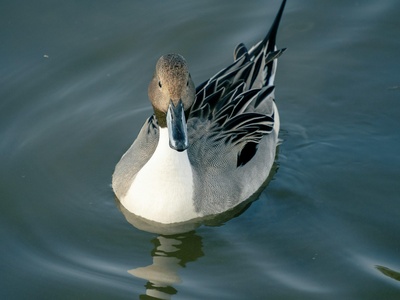
Northern Pintail
Slim, elegant duck with long central tail feathers seen on wet meadows, shallow lakes and flooded fields during migration and winter. Graceful in flight and well-known among waterfowl watchers in Poland.
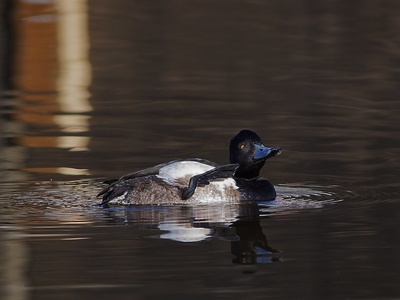
Tufted Duck
Diving duck of deeper lakes and reservoirs; males with black heads and tuft are distinctive. Common on migration and winter waters; often forms mixed diving duck flocks with pochard and scaup.
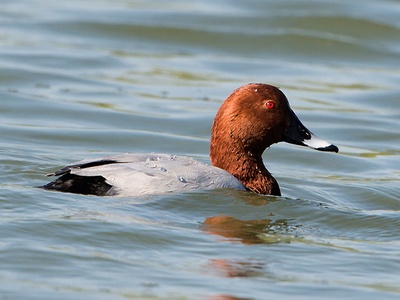
Common Pochard
Red-headed diving duck found on lakes and large reservoirs in migration and winter; numbers fluctuate. Vulnerable in parts of Europe, making Polish sightings valuable; males conspicuous in breeding plumage.
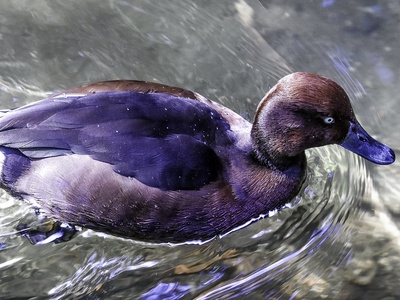
Ferruginous Duck
A scarce, handsome diving duck of reed-fringed lakes and oxbows, breeding in limited Polish sites. Look for dark chestnut plumage; local and of conservation interest where it occurs.
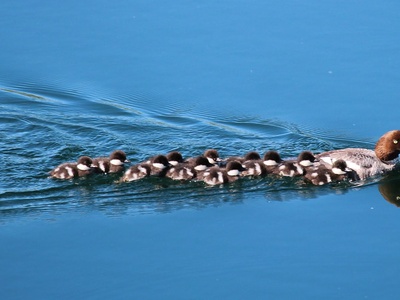
Common Goldeneye
A cavity-nesting diving duck seen on open water in winter and during migration. Males have a white patch on the face; often found on rivers and coastal bays when lakes freeze.
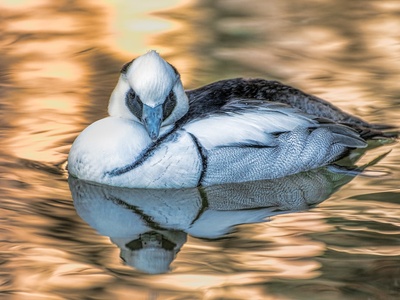
Smew
A striking small merganser with contrasting black-and-white males, occurring on lakes and slow rivers in winter. Often seen in mixed merganser flocks and favored by birders during cold months.
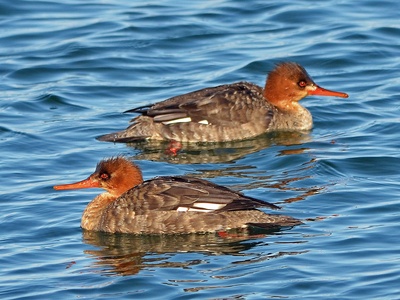
Red-breasted Merganser
A slender diving sea duck seen on coastal waters and large lakes during migration and winter. Notable spiky crest and narrow serrated bill for catching fish; glimpsed off Baltic coasts.
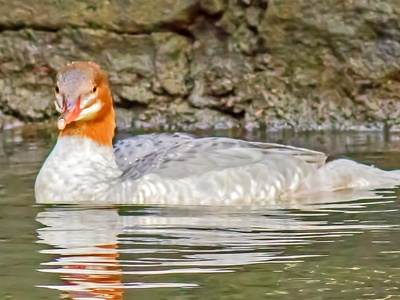
Goosander
Large piscivorous duck common on rivers and reservoirs in winter and migration. Often seen in small groups hunting fish; slender profile and long bill distinguish it from other ducks.
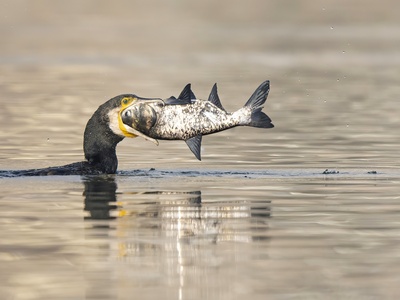
Great Cormorant
Large black waterbird frequent on coasts, lakes and rivers, often drying wings on posts. Breeds on coasts and inland colonies; common year-round and visible at fishing hotspots.
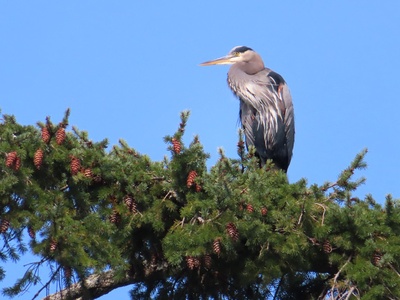
Grey Heron
Tall, long-legged heron found at wetlands, rivers and ponds throughout Poland. Common and conspicuous while hunting fish; nests in colonies and is a year-round presence in suitable habitats.
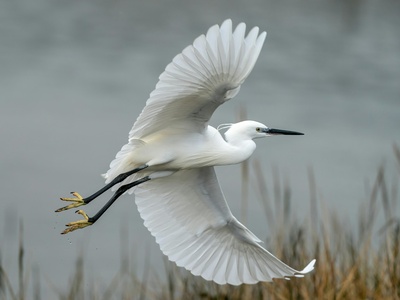
Little Egret
Elegant white heron of wetlands and coasts that has expanded in Poland in recent decades. Seen at reedbeds and estuaries; delicate black bill and yellow feet visible when stalking shallow water.
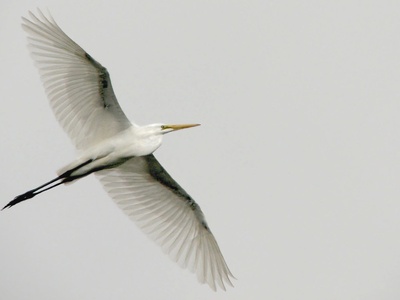
Great Egret
Large white heron that breeds increasingly in Polish wetlands and reedbeds. Long S-shaped neck and yellow bill; once rare, now more often seen in summer colonies and along the Baltic coast.
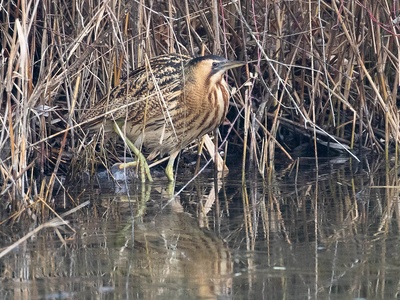
Eurasian Bittern
Secretive reedbed specialist best heard by booming call at dawn or dusk in spring. Breeds in extensive marshes and is elusive to spot; an exciting find for wetland birdwatchers.
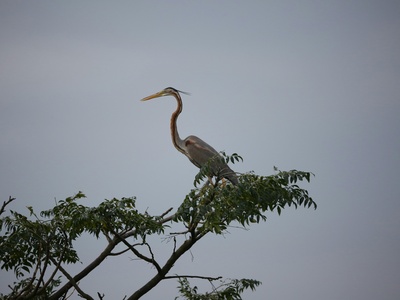
Purple Heron
Slender, dusky heron of reedbeds and flooded willow carrs, seen in spring and summer at select wetlands. More secretive than Grey Heron, with chestnut and purple tones; local and sought after.
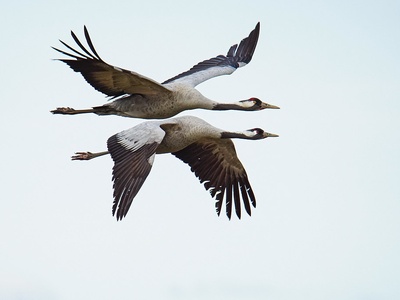
Common Crane
Iconic large crane seen in migration flocks and breeding in wetlands and meadows in northeast Poland. Loud trumpeting calls and impressive displays; spring and autumn migrations produce spectacular flyovers.
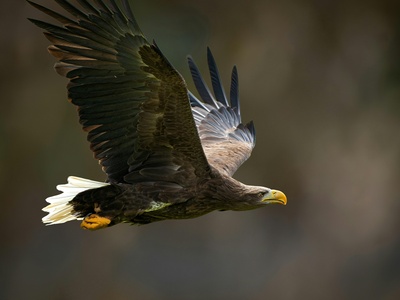
White-tailed Eagle
Powerful sea-eagle of coasts, large lakes and river valleys; breeds in tall trees and cliffs. Watch for massive silhouette and white tail patch on adults; top predator of Polish waterways.
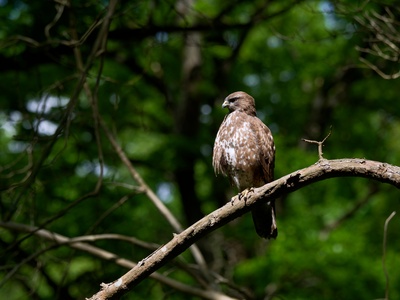
Common Buzzard
Widespread raptor of fields, wood edges and uplands; a frequent sight perched or circling in thermals. Variable plumage but typically chunky with broad wings; common breeding bird across Poland.
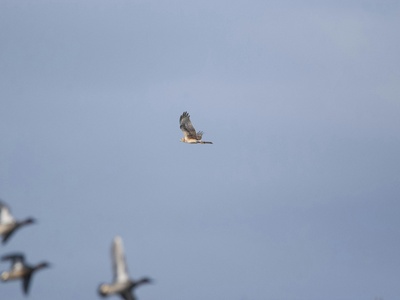
Northern Goshawk
Woodland raptor that hunts agilely through forests; breeds in mature woods and is best seen at forest edges and during migration. Powerful and secretive, a distinctive accipiter silhouette.
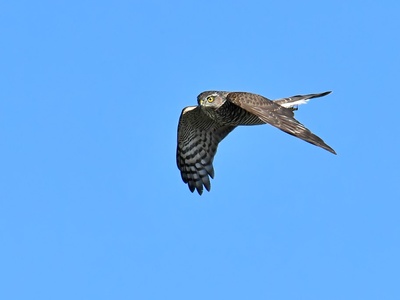
Eurasian Sparrowhawk
Small, agile woodland hawk often seen darting through gardens and hedgerows. Females larger than males; common breeder and frequent garden visitor, especially where small songbirds are abundant.
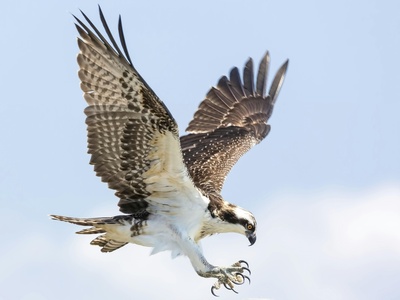
Osprey
Fish-eating raptor that nests on platforms, lakeshores and river islands; seen during migration and breeding in parts of Poland. Notable for hovering and spectacular plunge-dives for fish.
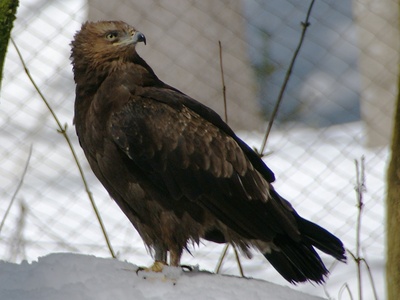
Lesser Spotted Eagle
A forest-edge eagle breeding in eastern and northern Poland; prefers open mosaics and mixed woodlands. Migration corridors yield good views; conservation interest due to restricted range.
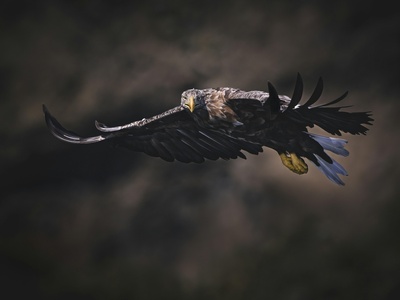
Greater Spotted Eagle
A larger, scarce eagle of wetlands and forest edges, breeding in northeast Poland. Dark, powerful raptor with conservation concern; best chances in remote marshes during breeding season.
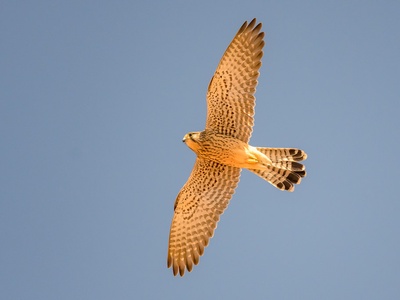
Eurasian Kestrel
A familiar falcon hovering over fields and roadsides hunting small mammals and insects. Common breeder across Poland; look for its characteristic hovering silhouette near open countryside.
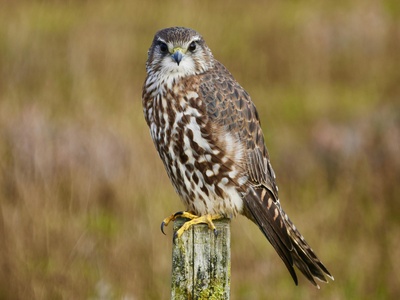
Merlin
Small, fast falcon encountered during migration and in open upland areas; hunts small birds in flight. Compact and fierce, merlins are prized sightings for passerine watchers in migration seasons.
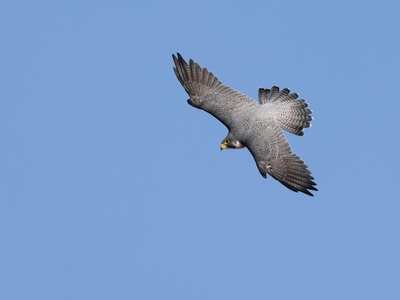
Peregrine Falcon
Powerful cliff- and city-dwelling falcon known for high-speed stoops. Breeds on rocky crags and increasingly on tall urban structures; look for dramatic aerial hunting displays.
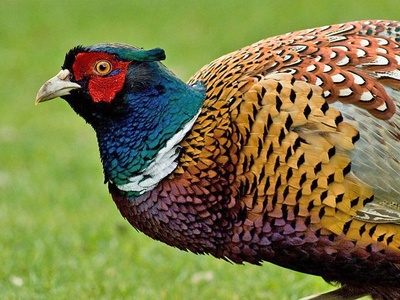
Common Pheasant
Colorful gamebird of farmland and hedgerow landscapes, common throughout rural Poland. Males are loud and showy in spring; often seen at dawn along field edges and woodland margins.
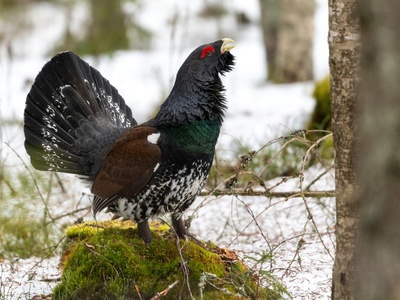
Capercaillie
Impressive, large forest grouse of mature conifer woods in Carpathians and Białowieża region. Males display conspicuously in spring leks; one of Poland’s most charismatic and conservation-important woodland birds.
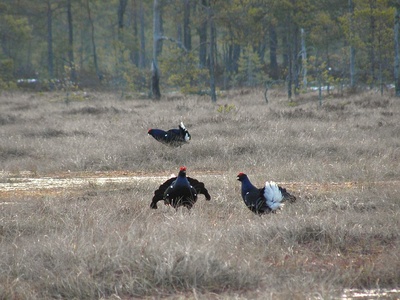
Black Grouse
Open moorland and mosaic woodland grouse with males displaying at spring leks. Found in upland and peatland habitats; local and declining, making sightings especially rewarding in protected areas.
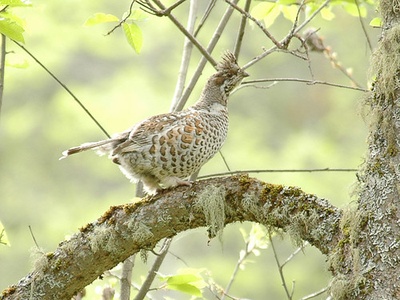
Hazel Grouse
Secretive small grouse of dense, damp mixed forests and understory. More often heard than seen; listen for soft calls in spring and early summer in prime forest reserves.
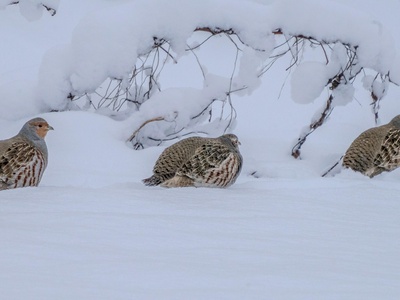
Grey Partridge
Farmland gamebird of open fields and hedgerows, declining in some agricultural landscapes but still present. Ground-dwelling and cryptic; best seen at dawn when feeding in stubble or field margins.
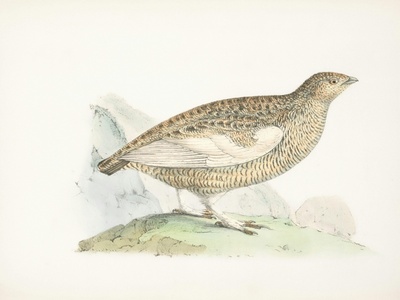
Rock Ptarmigan
Alpine specialist occurring in Poland’s highest Tatra peaks; camouflaged plumage changes seasonally. A rare alpine breeding bird and a highlight for mountain birders in summer and winter.
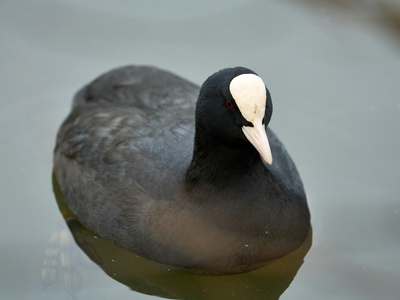
Eurasian Coot
Black, chunky waterbird of lakes, rivers and marshes with white frontal shield. Common breeder and visible year-round on inland waters, often in bold, noisy flocks near reedbeds.
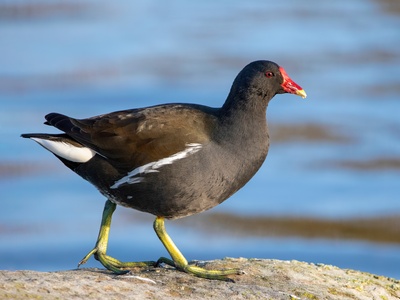
Common Moorhen
Reed-side bird frequenting ponds, canals and marshes; secretive among vegetation but often visible at water edges. Distinctive red frontal shield and white flank stripe; breeds widely across Poland.
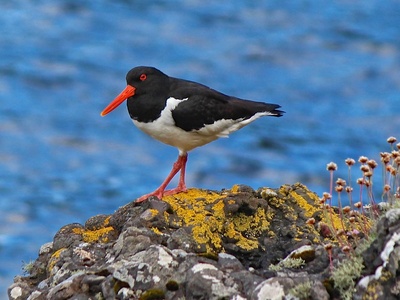
Eurasian Oystercatcher
Coastal and estuarine shorebird seen on Baltic beaches, mudflats and coastal lagoons during migration and breeding in some areas. Bold black-and-white plumage and long orange bill used to open shellfish.
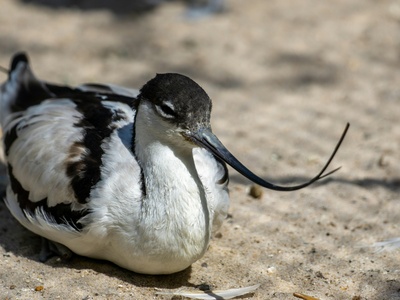
Pied Avocet
Elegant black-and-white wader with upturned bill found on saline lagoons and coastal flats. Breeds irregularly in Poland; striking silhouette and sweeping feeding motion make it a favorite with shorebird watchers.
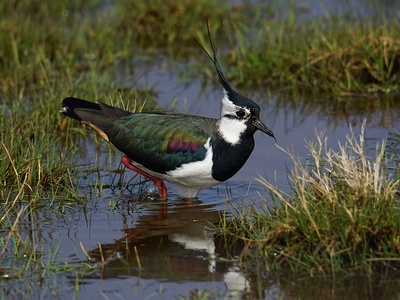
Northern Lapwing
Characteristic crested plover of wetlands, meadows and farmland; dramatic display flights in spring. Common breeder and conspicuous on migration; calls and aerial displays are a highlight in spring.
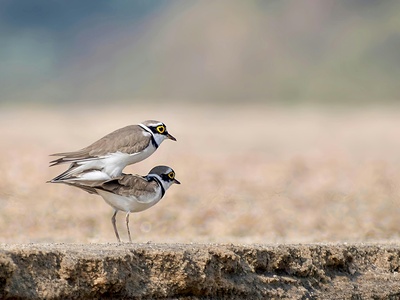
Ringed Plover
Small coastal plover seen on Baltic beaches, dunes and occasionally inland lakeshores during migration and summer. Look for neat black breast band and quick run-and-pause feeding behaviour on sandy shores.
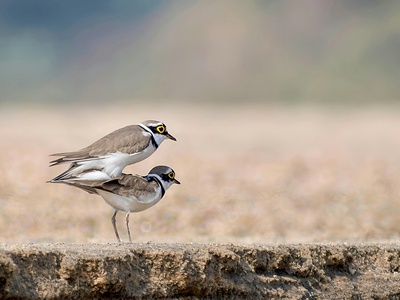
Little Ringed Plover
Small plover of gravel riverbanks, sand pits and gravelly lakeshores; breeds locally in Poland. Dark eye-ring and yellow orbital ring help distinguish it from similar species on inland shores.
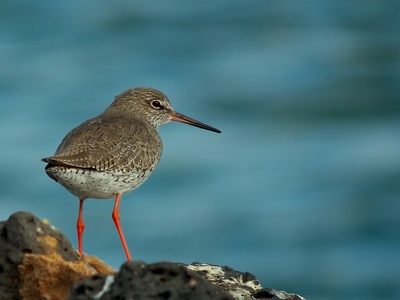
Common Redshank
Wader of marshes, mudflats and wet meadows during migration and breeding in northern wetlands. Loud piping call and bright red legs; often conspicuous in mixed wader flocks.
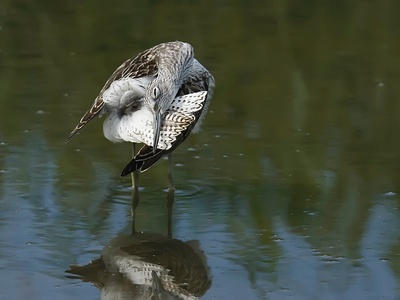
Common Greenshank
Tall, long-legged wader seen on wetlands and flooded fields during migration; breeds in northern marshes. Pale underparts and slow wading style make it noticeable among other shorebirds.
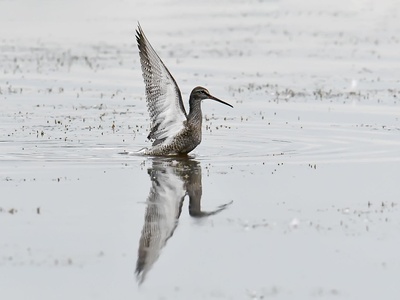
Spotted Redshank
Sleek, long-legged wader passing through Poland on migration; breeding in Arctic tundra but seen in spring and autumn on marshes and shallow lakes. Dark-breasted breeding plumage is striking.
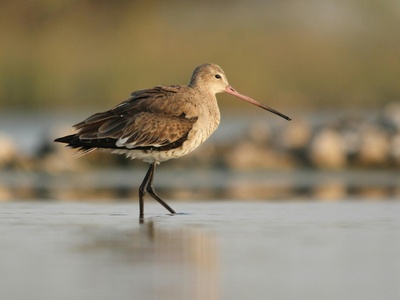
Black-tailed Godwit
Tall, long-billed wader of wet meadows and marshes; breeds in northeast Poland and occurs on migration. Graceful, long-legged, and important for conservation where it nests in grassland wetlands.
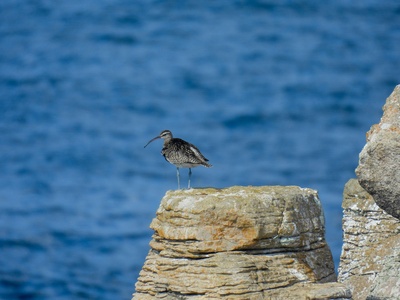
Whimbrel
Long-billed, drooping-curved wader seen during migration on coasts, estuaries and inland wetlands. Distinctive head pattern and long bill; wave-like flocks pass through Poland in spring and autumn.
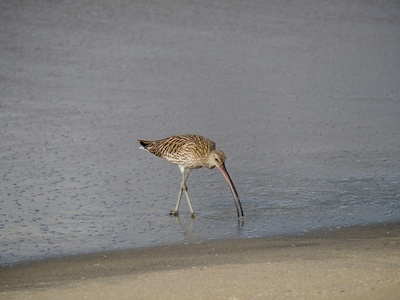
Eurasian Curlew
Largest European wader with long downcurved bill, found on coastal bays and meadows during migration and formerly breeding locally. Distinctive bubbling call and vulnerable populations make sightings noteworthy.
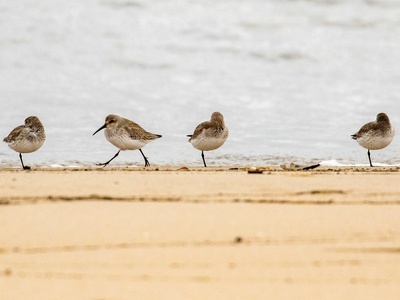
Sanderling
Tiny, energetic sandpiper racing the surf on Baltic beaches during migration. Bright white in winter and breeding plumage is mottled; look for quick runs on shoreline sandbars at low tide.
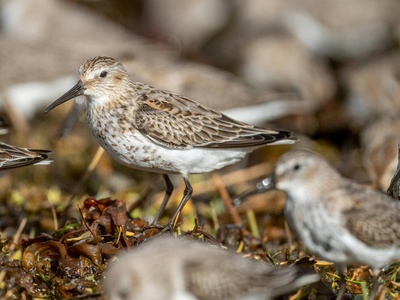
Dunlin
Small, widespread wader on mudflats and sandy shores during migration and winter; breeding plumage shows a black belly patch. One of the commonest migratory shorebirds in Poland’s coastal wetlands.
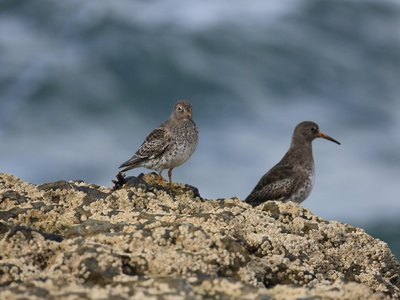
Purple Sandpiper
Rocky-shore specialist mostly seen on Baltic rocky jetties and breakwaters in winter. Dark, chunky sandpiper adapted to cold coasts; a sought-after winter specialty for seaside birders.
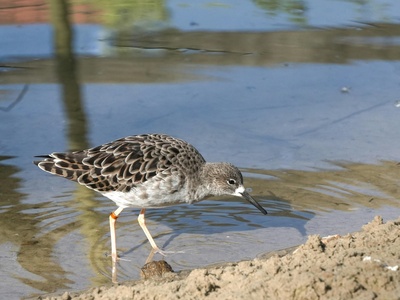
Ruff
Medium wader of marshes and wet meadows during migration and breeding in northern wetlands. Males sport spectacular breeding ruffs and varied plumages; spring migration presents dramatic lekking behaviour elsewhere.
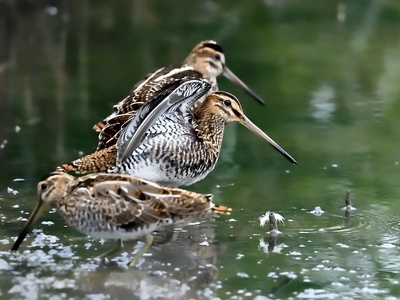
Common Snipe
Cryptic marsh and meadow bird with a distinctive zigzagging flight display. Breeds in damp grasslands and reed margins; best heard and seen at dawn or dusk when displaying and feeding in soft ground.
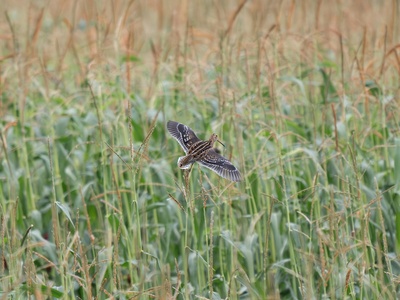
Great Snipe
Elusive, large snipe that migrates through Poland and historically bred in bogs; rare and sought after by birders. Notable for nocturnal display flights and a stout, stocky profile compared with common snipe.
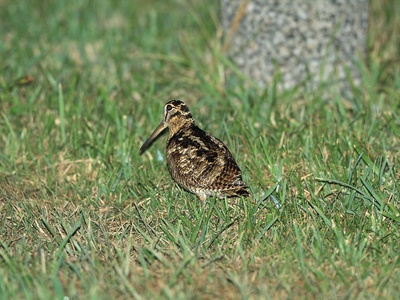
Eurasian Woodcock
Woodland wader active at dawn and dusk, often seen flushed from dense undergrowth. Breeds in damp forests and moves through Poland in migration; distinctive roding flight makes males noticeable in spring.
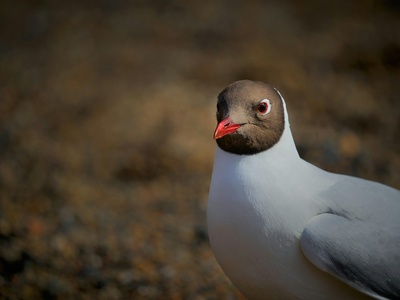
Black-headed Gull
Common small gull of inland waters, coasts and towns; nests in colonies on lakes and islands. Breeding adults show dark chocolate head; ubiquitous at landfills, wetlands and urban waterbodies.
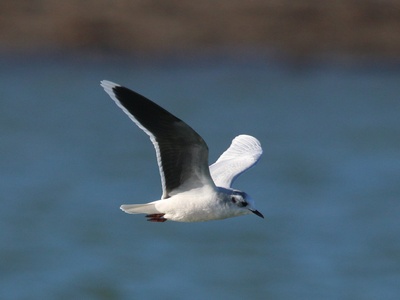
Little Gull
The world’s smallest gull, seen on migration and at coastal lagoons in Poland. Delicate and fast-moving with black hood in summer; attracts attention where it turns up among larger gulls.
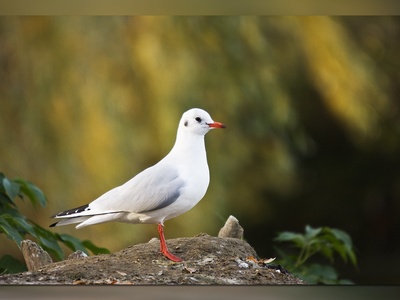
Mediterranean Gull
White gull with black hood in breeding season, increasingly regular on Baltic coasts and inland waters. A relatively recent colonist in Poland; elegant and distinctive among gull roosts.

Common Gull
Medium-sized gull frequenting coasts, lakes and urban areas during migration and winter. Less bulky than larger gulls, often in mixed flocks; common but sometimes overlooked among larger species.
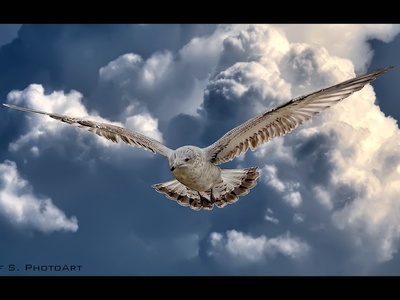
Herring Gull
Large, familiar gull of coasts, ports and inland lakes; often noisy and bold around human settlements. Breeding and wintering populations present; a common silhouette at shorelines and garbage sites.
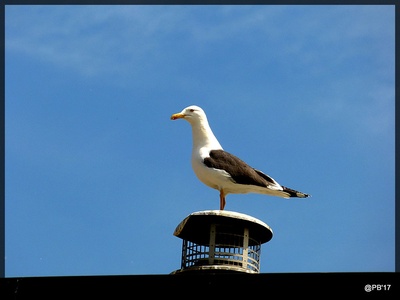
Lesser Black-backed Gull
Dark-backed gull seen along coasts and inland in migration and summer. Prefers coastal feeding but also scavenges inland; notable for its slate-grey back and yellow legs in some populations.
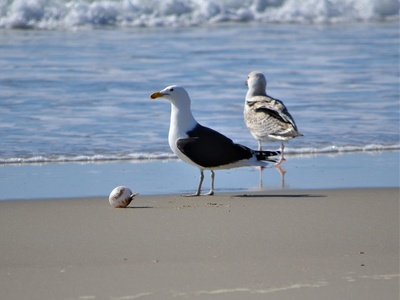
Great Black-backed Gull
Europe’s largest gull, occasional along Poland’s Baltic seaboard and major estuaries. Powerful predator among gulls; large size and black back distinguish it from other species.
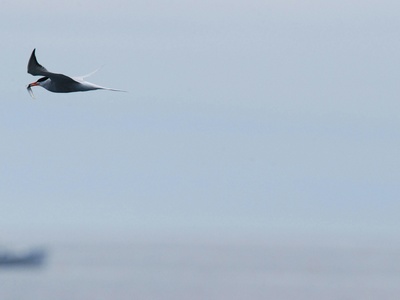
Common Tern
Graceful seabird nesting on coastal islands, river sandbars and lakes; summers in Poland with agile plunge-diving for fish. Pale grey with a black cap and forked tail; common on summer waters.
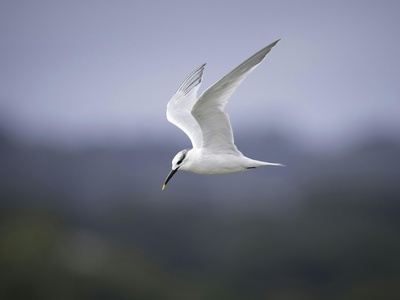
Sandwich Tern
Sleek coastal tern with a shaggy crest and distinctive call, seen on Baltic coasts and estuaries during migration and summer. Feeds by diving and may nest in mixed coastal colonies.
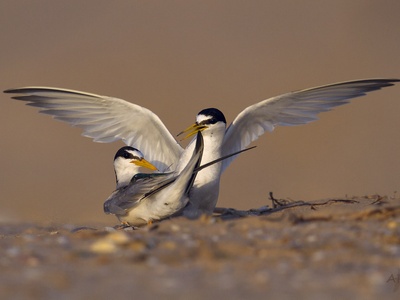
Little Tern
Tiny, delicate tern of sandy shores and river islands, breeding in some coastal and inland sites. Vulnerable to disturbance; prized by observers for its elegant flight and tiny size.
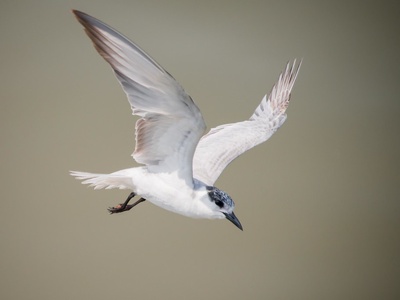
Whiskered Tern
Summer visitor to marshes, flooded meadows and reedbeds; breeds locally in suitable wetlands. Dark breeding plumage and agile insect-catching flight make it a distinctive and sought-after wetland species.
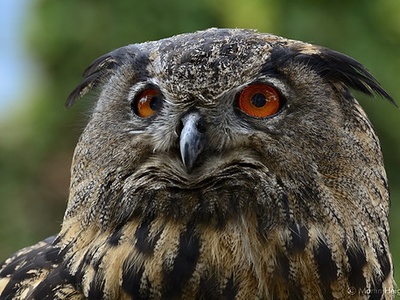
Eurasian Eagle-Owl
Massive nocturnal owl of rocky areas, large forests and sometimes craggy edges; rare and secretive in Poland but present in remote regions. Deep hoots and formidable size make it unforgettable when encountered.
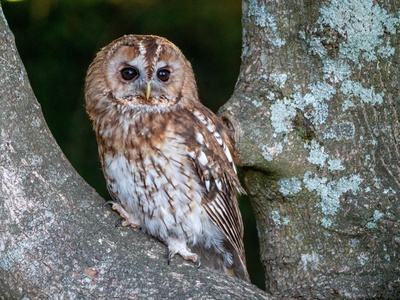
Tawny Owl
Widespread woodland and parkland owl that is largely sedentary. Often heard at night with a classic hooting call; nests in tree cavities and can be seen (or heard) near towns as well as forests.
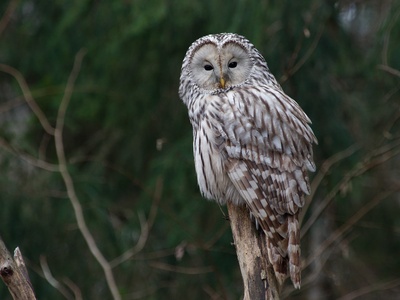
Ural Owl
Large pale forest owl of mature mixed and coniferous woods, especially in eastern Poland. Silent flight and deep hoots; less urban-tolerant than Tawny Owl and of conservation interest where it breeds.
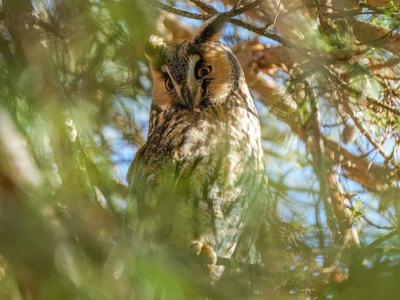
Long-eared Owl
Slender owl seen roosting in dense trees and hunting over meadows at dusk. Long ear tufts and orange facial discs; migratory tendencies bring it to Poland in winter and during passage.
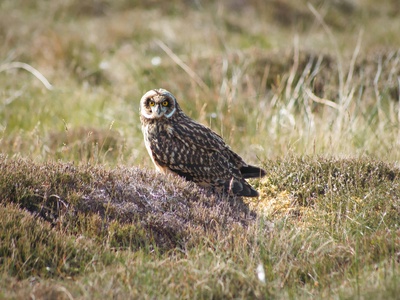
Short-eared Owl
Open-country owl of marshes and grasslands, often seen hunting by day in autumn and winter. Moth-like flight and pale face; irregular in occurrence but spectacular when present over marshy landscapes.
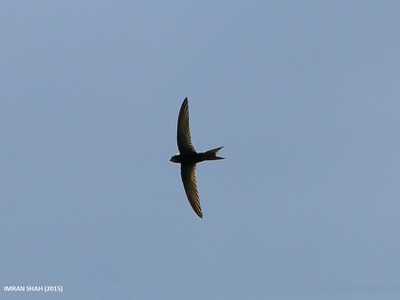
Common Swift
Aerial specialist that breeds in towns and cities across Poland, spending most of its life on the wing. Seen in noisy summer swarms; return in spring and depart by late summer.
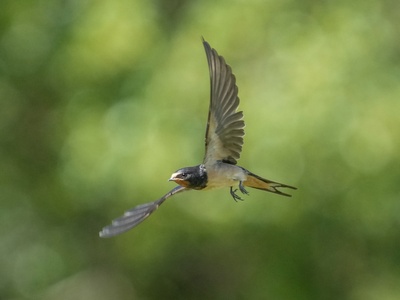
Barn Swallow
Iconic summer visitor nesting on buildings and barns throughout Poland; agile insectivore seen low over fields and water. Deeply forked tail and glossy blue back; a familiar sign of summer.
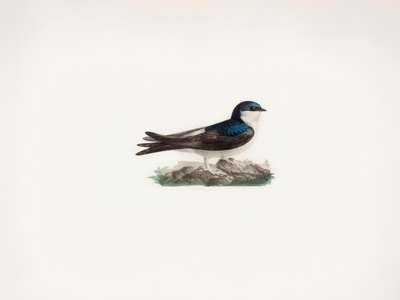
House Martin
White-rumped aerial insectivore that nests in colonies under eaves and bridges in towns and villages. Common summer breeder; watch for busy colonies under rooflines and bridges around settlements.
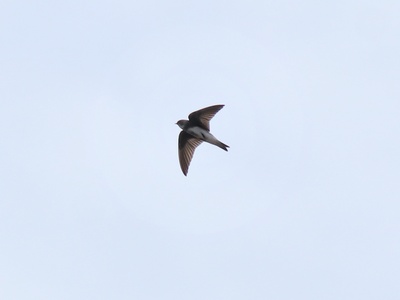
Sand Martin
Small brown-and-white swallow that nests in sandbanks and river cliffs; often forms large colonies. Common migrant and summer breeder near rivers and even gravel pits across Poland.
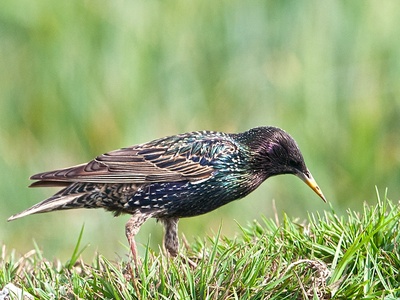
Common Starling
Gregarious, iridescent passerine of towns, farms and fields; forms huge winter roosts and starling murmurations. Vocal and adaptable, common in urban and rural landscapes alike in Poland.
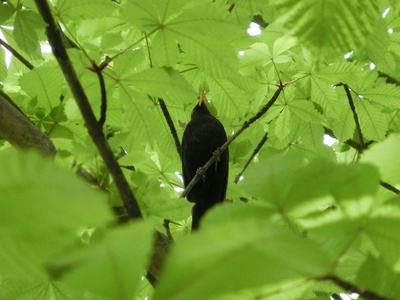
Eurasian Blackbird
Familiar garden and woodland thrush with melodious song; male black with bright eye-ring. Resident and breeding in towns and countryside; common and often the first species new birders spot.
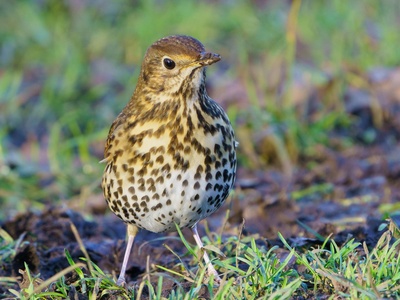
Song Thrush
Melodious forest and garden songster that nests in hedgerows and wood edges. Population declined in some areas but still widespread; look for repeating phrases in spring dawn chorus.
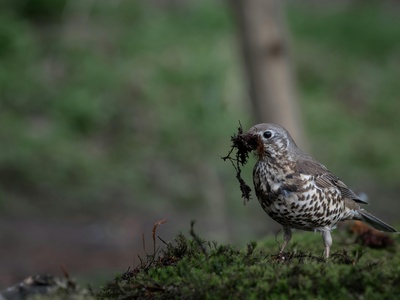
Mistle Thrush
Large thrush of open woodland and parkland, often seen perched atop trees singing a loud, far-carrying song. Feeds on berries in winter; scattered breeder across Poland’s varied landscapes.
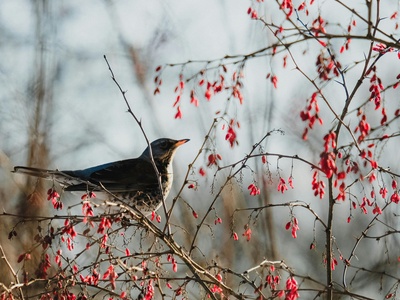
Fieldfare
Large migratory thrush that visits Poland in winter in noisy flocks feeding on berries and fallen fruit in orchards and fields. Bold and gregarious, often seen in mixed thrush flocks with redwings and blackbirds.
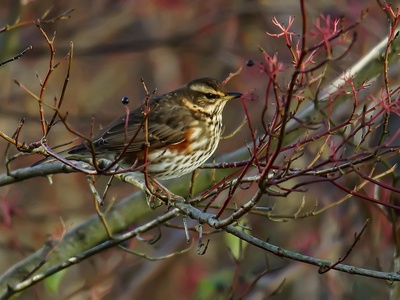
Redwing
Small, streaky thrush with a pale supercilium, migrating through Poland and wintering in many areas. Seen in flocks in hedgerows, parks and orchard trees during autumn and winter feeding on berries.
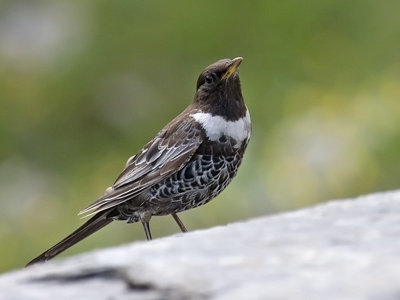
Ring Ouzel
Mountain and upland thrush that passes through Poland in migration and breeds rarely in high Carpathians. Dark plumage with white crescent; sought by mountain birders in spring and autumn passage.
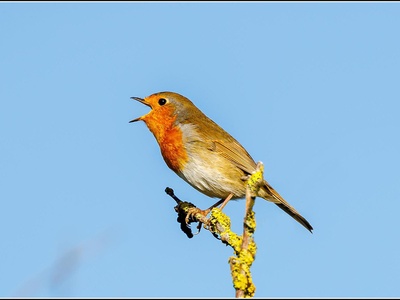
European Robin
Beloved garden bird with orange-red breast, territorial and singing throughout much of the year. Common in woodlands, parks and gardens; often one of the first birds people learn to identify.
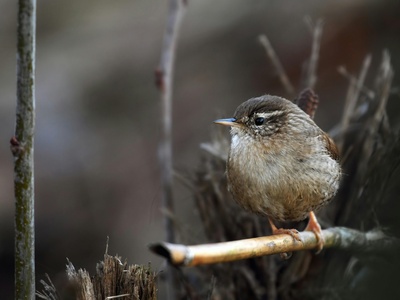
Eurasian Wren
Tiny, loud-voiced bird of dense undergrowth and woodland edges. Bold and curious, frequently encountered in gardens and forests; distinctive short tail and high-pitched song belie its small size.
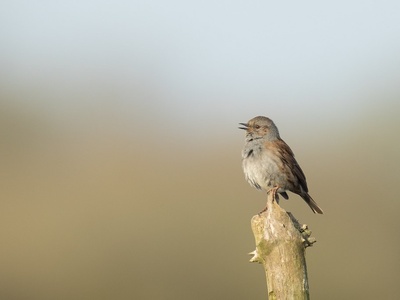
Dunnock
Shy, sparrow-sized bird of hedgerows and gardens with subdued plumage and a thin bill. Often overlooked but common; forages quietly at the base of shrubs and in leaf litter.
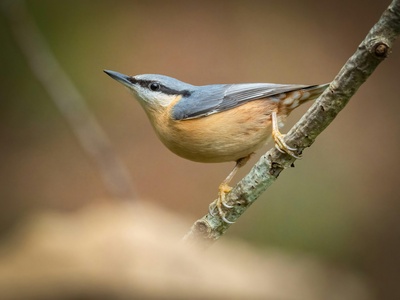
Eurasian Nuthatch
Acrobatic tree-trunk specialist that forages head-first down trunks in mature woodlands and parks. Blue-grey upperparts and orange underparts; nests in cavities and sometimes uses garden nestboxes.
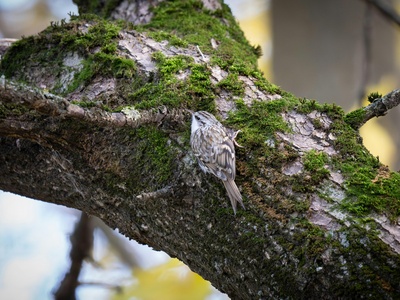
Eurasian Treecreeper
Tiny, streaky brown bird that spirals up tree trunks searching for insects in crevices. Prefers mature woodland and parks; blends into bark and is more often heard than seen in Polish forests.
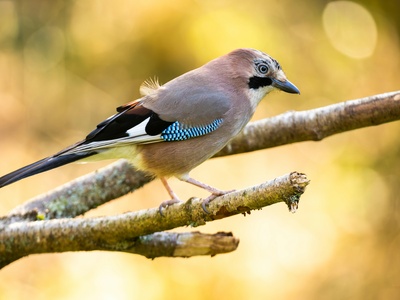
Eurasian Jay
Noisy, colourful corvid of woodlands and parks, notable for pinkish body, blue wing patch and raucous calls. Important acorn disperser; common breeder and often seen in mixed woodland flocks.
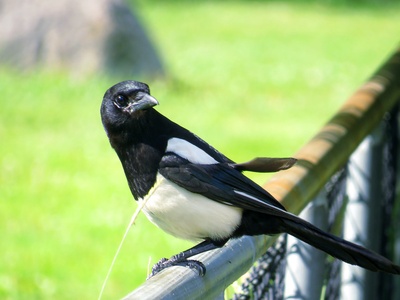
Eurasian Magpie
Black-and-white, long-tailed corvid common in farmland, parks and towns across Poland. Intelligent and bold around people; omnivorous and often seen scavenging or perched conspicuously on trees and wires.
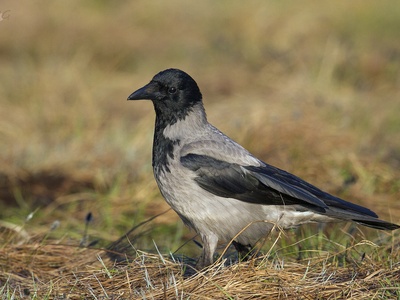
Hooded Crow
Grey-bodied, black-headed crow common in eastern and northern Poland, frequent in farmland and coastal areas. Intelligent and adaptable; forms part of the widespread corvid community across the country.
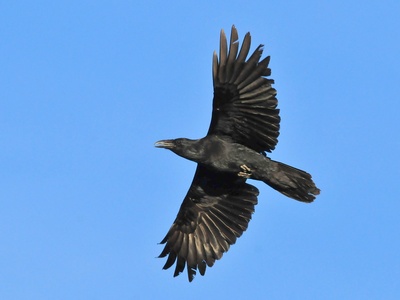
Common Raven
Large, glossy black corvid of wild uplands, forests and cliffs; increasingly seen in rural landscapes and mountains. Deep croak and soaring habits make it unmistakable, especially in remote areas.
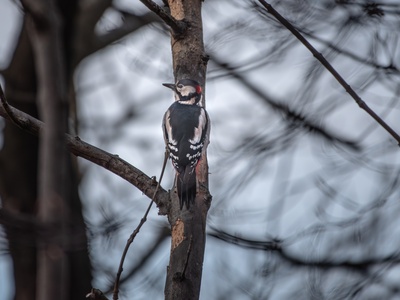
Great Spotted Woodpecker
Bold black-and-white woodpecker with red under-tail and male red nape spot. Common in woodlands, parks and orchards; drums conspicuously and excavates nest holes in trees.
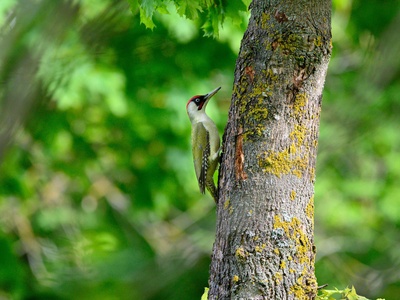
Green Woodpecker
Large, colourful woodpecker of open woodland, parks and orchards that feeds mainly on ants on the ground. Loud laughing call and green plumage make it distinctive; often found in grassy clearings.