New Hampshire’s mountains, forests, rivers and coastline shape how people live, work and play across the state. From small-town fisheries to forested watersheds and windy ridgelines, the landscape supports a variety of materials and services that matter to communities and wildlife.
There are 15 Natural Resources in New Hampshire, ranging from Brook trout to Wind energy. The list is organized with Type,Where found,Importance (max 15 words) so you can quickly see what each resource is, where it occurs, and why it matters — you’ll find the full list below.
Which of these resources most affect New Hampshire’s economy and daily life?
Timber, freshwater fisheries, granite, and hydropower traditionally drive local jobs and infrastructure, while tourism tied to forests and rivers supports businesses; newer sectors like wind energy add clean power and long-term investment.
How can I visit or study these resources responsibly?
Use public lands, state parks, and guided tours; follow fishing and harvesting rules, stay on trails, check seasonal restrictions, and connect with local conservation groups for safe, educational experiences.
Natural Resources in New Hampshire
| Resource | Type | Where found | Importance (max 15 words) |
|---|---|---|---|
| Northern hardwoods | forest | White Mountains,Monadnock region,northern counties (Coos,Grafton) | Wildlife habitat,timber,recreation,fall foliage tourism |
| White pine | forest | Statewide,large stands in central and northern NH | Commercial timber,construction lumber,wildlife habitat |
| Sugar maple | forest | Southern and central hardwoods,Monadnock,Lakes Region | Maple syrup production,hardwood lumber,tourism |
| Surface freshwater | freshwater | Lake Winnipesaukee,Merrimack River,Connecticut River,Androscoggin River systems | Drinking water,recreation,fisheries,hydropower |
| Groundwater aquifers | freshwater | Sand and gravel aquifers in river valleys,Seacoast aquifers | Public and private water supply,irrigation |
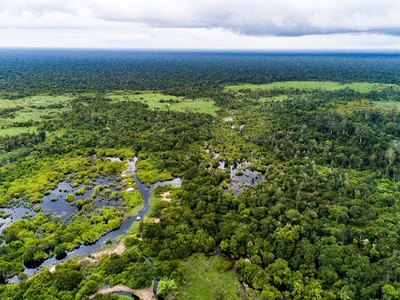
| Wetlands and peatlands | soil | Coastal salt marshes,Great Bay estuary,northern peat bogs | Flood control,biodiversity,carbon storage |
| Granite (crushed stone) | mineral | Quarries statewide,central and southern counties,White Mountains foothills | Construction aggregate,building stone,local economy |
| Sand and gravel | mineral | River terraces,glacial outwash plains,Seacoast and Merrimack Valley | Construction aggregate,roads,fill material |
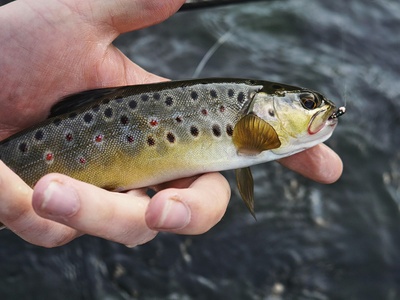
| Brook trout | wildlife | Cold headwater streams,northwestern and White Mountains streams and lakes | Recreational fishing,ecological indicator,biodiversity |
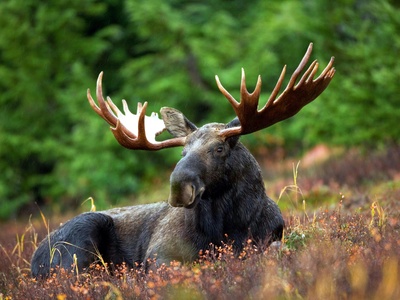
| Moose | wildlife | North Country,especially Coos County and northern forests | Wildlife viewing,big-game value,ecosystem browsing |
| White-tailed deer | wildlife | Statewide,concentrated in southern and agricultural areas | Hunting,vegetation browsing,vehicle collisions |
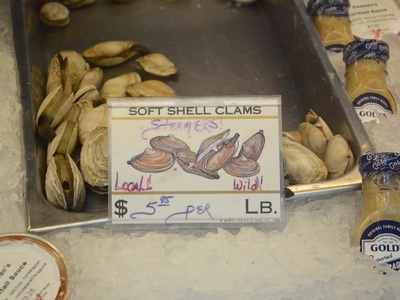
| Soft-shell clams | wildlife | Seacoast tidal flats,Great Bay,Hampton Harbor | Commercial and recreational fishery,local food |
| Hydropower | energy | Merrimack,Pemigewasset,Connecticut rivers,numerous dams statewide | Renewable electricity,flood control,water storage |
| Wind energy | energy | Mountain ridgelines and open sites in northern and central NH | Renewable electricity potential,community revenue |
| Glacial till soils | soil | Statewide uplands,foothills and hill country | Supports agriculture,forestry;affects drainage and construction |
Images and Descriptions
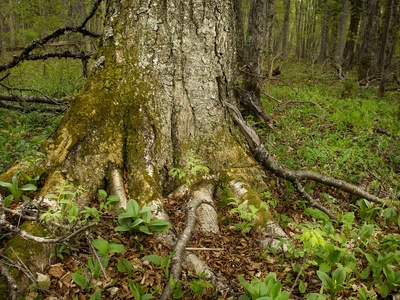
Northern hardwoods
Northern hardwood forests of maple, birch, and beech cover much of northern and central New Hampshire. They provide timber, wildlife habitat, fall foliage tourism, and watershed protection. Threats include invasive insects, climate change, and development; sustainable forestry and protected lands aid management.
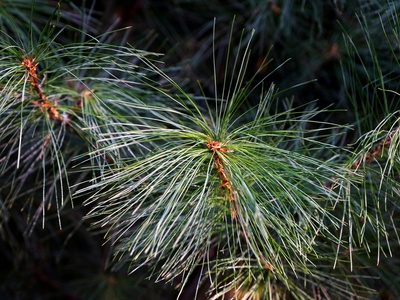
White pine
Eastern white pine thrives across New Hampshire, forming conifer stands used for lumber and restoration. Historically prized for ship masts, it remains important to timber industry and wildlife. Threats include pests (white pine blister rust) and land conversion; active management and planting support populations.
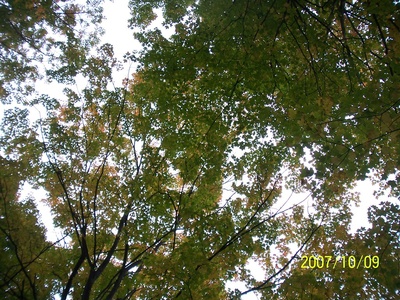
Sugar maple
Sugar maple dominates many hardwood stands in southern and central New Hampshire; tapped for maple syrup and harvested for high-value hardwood lumber. It supports fall tourism and wildlife. Climate change and late frosts threaten sap yields; conservation of mature stands helps resilience.

Surface freshwater
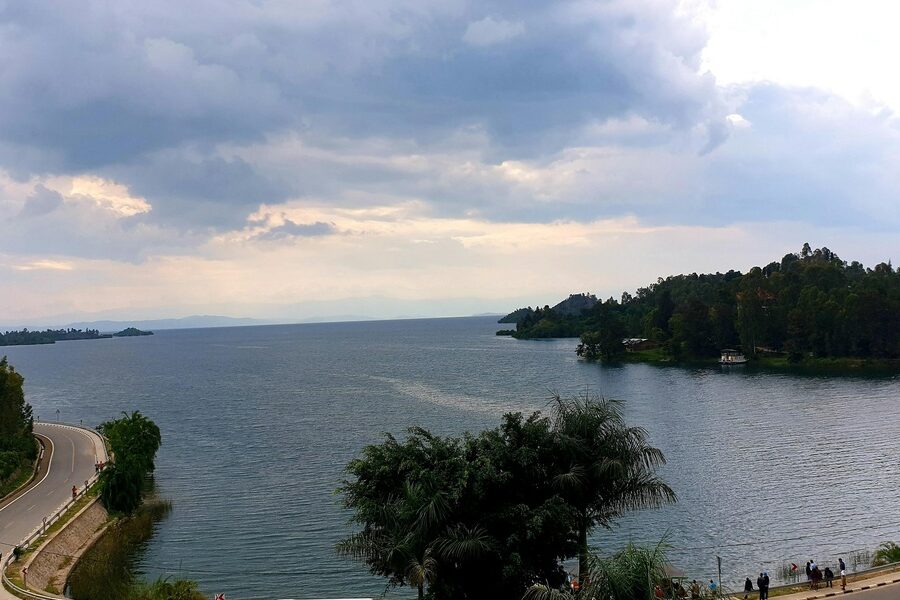
Rivers and lakes across New Hampshire supply drinking water, recreation, fisheries, and hydropower. Major systems include the Connecticut, Merrimack, Androscoggin, and Lake Winnipesaukee. Pollution, invasive species, and development pressure threaten quality; watershed protection and treatment maintain services.
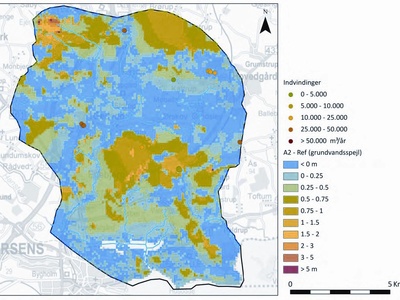
Groundwater aquifers
Sand and gravel and fractured-bedrock aquifers provide much of NH’s domestic and municipal water supplies, especially in river valleys and the Seacoast. Over-extraction, contamination from septic systems and industry pose risks; monitoring and protection zones are used to safeguard supplies.
Wetlands and peatlands
Wetlands—coastal salt marshes, Great Bay estuary marshes, and northern bogs—store carbon, reduce flooding, and support diverse wildlife. They are threatened by drainage, development, and sea-level rise; conservation, restoration, and regulated permitting protect wetland functions and habitat.

Granite (crushed stone)
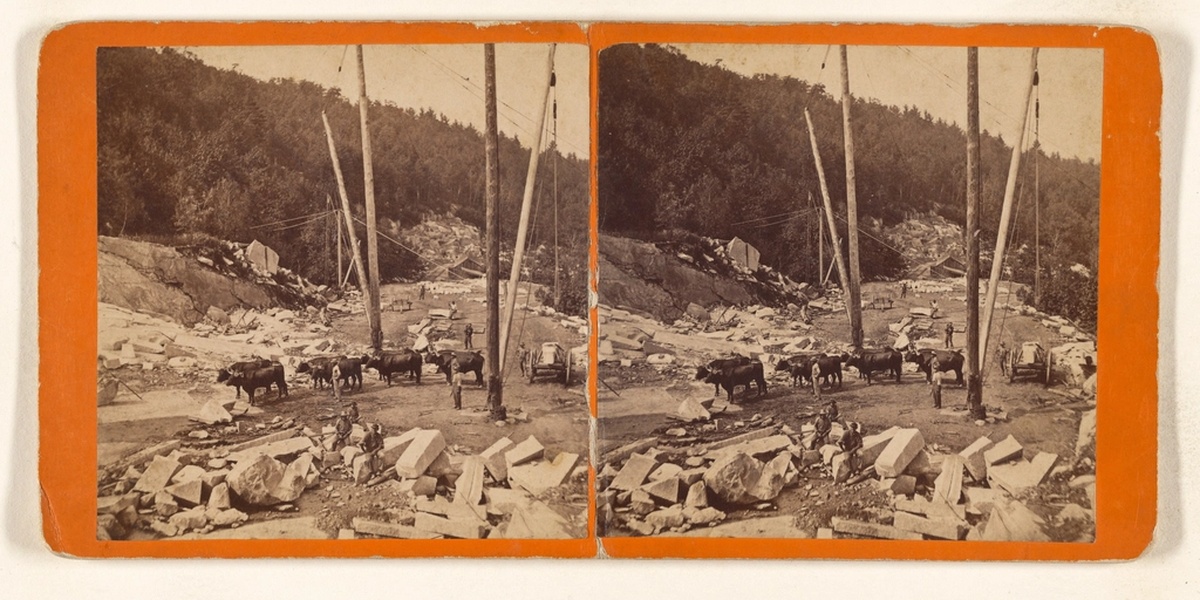
New Hampshire’s granite and crushed stone resources are quarried across the state for construction aggregate, road base, and building stone. Historically important industry supports local economies. Quarrying alters landscapes and habitats; reclamation, permitting, and dust/noise controls manage environmental impacts.

Sand and gravel
Sand and gravel deposits in river terraces, glacial outwash plains, and the Seacoast supply material for concrete, road construction, and fill. These nonrenewable local resources face depletion and habitat loss concerns; regulation, permitting, and site restoration guide extraction.
Brook trout
The native brook trout inhabits cold, clean headwater streams and small lakes, prized by anglers and valued as an ecological indicator. Populations are sensitive to warming, acidification, and habitat fragmentation; riparian protection and coldwater stream restoration are key management strategies.
Moose
Moose are concentrated in New Hampshire’s North Country forests, supporting recreation and cultural value but posing vehicle-collision and browsing impacts. Populations fluctuate with winter severity, parasites, and habitat changes; monitoring, habitat management, and road safety measures address concerns.

White-tailed deer
White-tailed deer are abundant across New Hampshire, especially in southern and agricultural areas, providing hunting opportunities and shaping vegetation through browsing. Overabundance can harm forests and agriculture; regulated hunting and habitat diversification help manage populations and reduce conflicts.
Soft-shell clams
Soft-shell clams (steamers) inhabit sandy tidal flats in the Seacoast and estuaries like Great Bay, forming an important commercial and recreational fishery. They face overharvest, habitat loss, and contamination risks; shellfish closures, management plans, and habitat protection maintain stocks and public health.
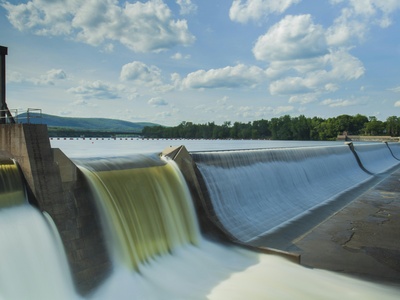
Hydropower
Hydropower from dams on the Merrimack, Pemigewasset, Connecticut, and other rivers generates renewable electricity and provides some flood control and storage. Dams alter river ecology and fish passage; modern licensing, fish ladders, and selective removal balance energy and ecosystem needs.

Wind energy
Wind resource on mountain ridgelines and open areas offers renewable energy potential, with commercial and community-scale projects evaluated in northern and central NH. Visual, noise, and wildlife (bird/bat) impacts require siting studies, mitigation, and community engagement.
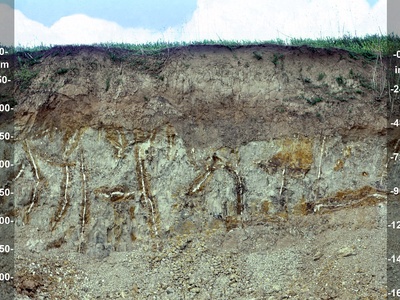
Glacial till soils
Glacial till soils—unsorted mixes of sand, silt, clay, and boulders—cover much of New Hampshire’s uplands and influence agriculture, forestry, and construction. Variable fertility and drainage shape land use; erosion control, soil testing, and conservation tillage guide sustainable management.