Volcanoes carve coastlines, build islands, and reshape skylines—visible from satellite images and felt in the ground beneath your feet. Whether you live near a volcanic arc or visit a dormant field, these features reflect plate motions, magma chemistry and local climate history.
There are 12 Types of Volcanoes, ranging from Caldera to Tuya. For each entry you’ll find below Typical size (m): Typical summit height or vertical relief range in meters,Eruption style: One-line descriptor of typical eruption behavior,Where found: Tectonic setting and 1–2 notable examples (country or locality),Description: 30–50 word conversational description explaining formation, appearance, typical activity, and hazards — a compact way to compare form, behavior and risk you’ll find below.
How does a volcano’s type affect the hazards it poses?
A volcano’s shape and composition strongly influence hazards: broad shield volcanoes usually make fast-moving lava flows, steep stratovolcanoes can produce explosive ash, pyroclastic flows and lahars, calderas may host catastrophic eruptions, and subglacial tuyas create meltwater floods; local population density and eruption style determine overall risk.
What clues help identify a volcano type in the field or on maps?
Look at slope angle, summit shape, crater size, lava flow character, and nearby tectonics: gentle slopes and basaltic flows suggest shields, layered deposits point to stratovolcanoes, and flat-topped tuyas indicate subglacial eruptions; satellite imagery and geological maps are useful complements.
Types of Volcanoes
| Name: Short common name of the volcano type | Typical size (m): Typical summit height or vertical relief range in meters | Eruption style: One-line descriptor of typical eruption behavior | Where found: Tectonic setting and 1–2 notable examples (country or locality) | Description: 30–50 word conversational description explaining formation, appearance, typical activity, and hazards |
|---|---|---|---|---|
| Shield volcano | 500–4,500 m | Long-lived low-viscosity effusive lava flows | Hotspots and rift zones; Hawaii, Galápagos | Broad, gently sloping volcano built by low-viscosity lava flows. Forms high, wide edifices with long-lived effusive eruptions. Common at hotspots and rifts. Hazards include fast lava flows, fires and gas; explosive activity rare but possible with water interaction. |
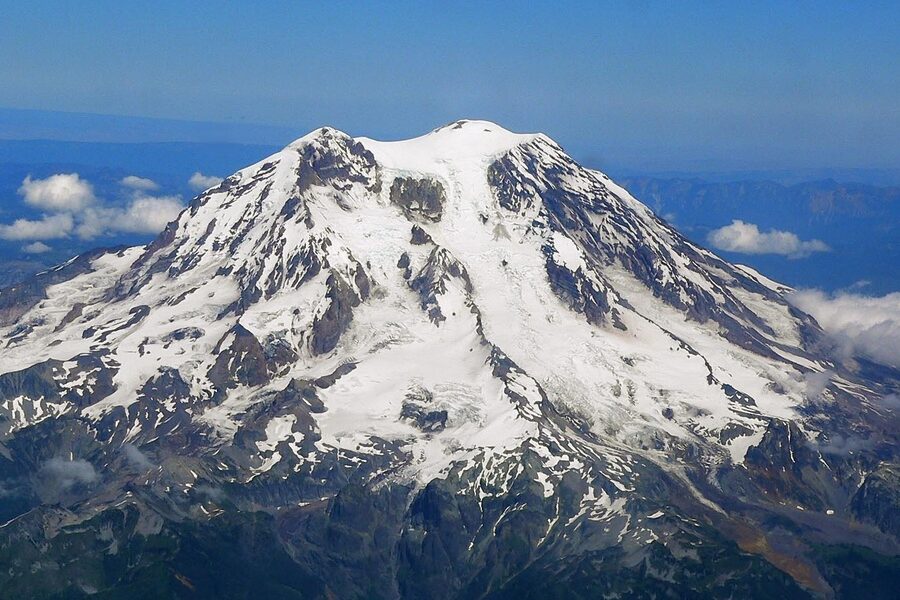
| Stratovolcano (Composite) | 1,000–4,500 m | Intermittent explosive eruptions, lava flows, pyroclastic flows | Subduction zones; Andes, Japan | Steep, conical volcano formed by alternating viscous lava and explosive pyroclastics. Subduction-zone settings produce powerful eruptions, ash plumes, pyroclastic flows and deadly lahars. Often high-relief and long-lived, they pose major hazards to nearby communities, infrastructure and aviation. |
| Cinder cone (Scoria cone) | 10–400 m | Short-lived Strombolian scoria-fall and lava | Monogenetic fields, flanks of larger volcanoes; Mexico, USA | Small steep-sided cone of loose volcanic fragments built around a vent. Typically monogenetic, short-lived Strombolian eruptions produce scoria and lava flows. Found on flanks of larger volcanoes and basaltic fields; hazards include lava flows, ejecta and fires. |
| Lava dome (Volcanic dome) | 10–600 m | Slow effusion of viscous lava; collapse-driven pyroclastics | Subduction zones and volcanic arcs; Japan, Indonesia | Bulbous, steep-sided mound of highly viscous lava that piles near vents. Growth can be slow; collapse triggers pyroclastic flows and ash. Common at stratovolcanoes and subduction zones; hazards include dome collapse, ash and block-and-ash flows. |
| Caldera | 100–2,000 m | Large explosive collapses; massive ash and pyroclastic eruptions | Subduction zones and hotspots; USA, Indonesia | Large collapse basin formed when a magma chamber empties rapidly; sizes vary from several to tens of kilometres. Associated with explosive supereruptions, long-lived geothermal systems and resurgent domes. Hazards include ashfall, pyroclastic density currents and climate impacts. |
| Fissure vent | 1–200 m (vent) | Linear effusive fissure eruptions; lava fountains and flows | Rift zones and hotspots; Iceland, East African Rift | Linear vent system where lava erupts along cracks, often producing curtain-of-fire fountains and extensive lava flows. Typical at rift zones and hotspots; can build long lava fields quickly. Hazards: widespread lava inundation, gas and local fires. |
| Submarine volcano | 100–4,000 m | Mostly effusive pillow lavas; shallow explosive when near surface | Mid-ocean ridges, hotspots, trenches; Mid-Atlantic Ridge, Pacific seamounts | Underwater volcano that may form seamounts, pillow lavas and hydrothermal vents. Eruptions are often effusive or explosive if shallow; common at mid-ocean ridges, hotspots and subduction trenches. Hazards include tsunamis, gas release and water–lava interactions. |
| Maar | 10–200 m | Phreatomagmatic explosive blasts from magma–groundwater interaction | Continental rifts and intraplate settings; Germany, western USA | Broad, shallow volcanic crater formed by explosive magma–groundwater interaction. Usually low-relief with a tuff rim and often hosts a lake. Common in continental settings and rift valleys; hazards include sudden phreatomagmatic blasts and ash dispersal. |
| Tuya | 100–1,000 m | Subglacial explosive to effusive, rapid quenching under ice | Subglacial settings in formerly glaciated regions; Iceland, British Columbia | Flat-topped, steep-sided volcano formed by subglacial eruptions that melt through ice. Lava ponds beneath ice cool rapidly to make steep sides and a flat summit. Found in formerly glaciated zones; hazards include jokulhlaups (glacial floods). |
| Tuff cone/ring | 5–200 m | Phreatomagmatic explosive, fine ash and tuff deposition | Coastal and shallow submarine; Hawaii, South Korea | Steep, fine-grained pyroclastic cones formed by explosive interactions of magma and water. Tuff rings are low and broad; cones are higher and steeper. Common in coastal and shallow submarine settings; hazards include ash, ballistic ejecta and local tsunamis. |
| Complex volcano | 1,000–4,500 m | Mixed eruption styles from multiple vents over time | Multiple vents in arcs and varied settings; Indonesia, Japan | Volcano with multiple vents and mixed structures (domes, cones, calderas) from shifting eruption centers. Develops in active arcs and varied settings; activity can be prolonged and unpredictable. Hazards combine those of constituent types: ash, lava, pyroclastic flows and lahars. |
| Spatter cone | 5–50 m | Hot spatter welding during vigorous lava fountaining | Rift zones, basaltic fields; Iceland, Hawaii | Steep, weld-bonded mounds built by hot, still-molten spatter during vigorous lava fountains. Usually small and short-lived, often on rift zones or flank eruptions. Hazards are local: lava flows, hot clots and falling ejecta. |
Images and Descriptions

Shield volcano
Broad, gently sloping volcano built by low-viscosity lava flows. Forms high, wide edifices with long-lived effusive eruptions. Common at hotspots and rifts. Hazards include fast lava flows, fires and gas; explosive activity rare but possible with water interaction.
Stratovolcano (Composite)
Steep, conical volcano formed by alternating viscous lava and explosive pyroclastics. Subduction-zone settings produce powerful eruptions, ash plumes, pyroclastic flows and deadly lahars. Often high-relief and long-lived, they pose major hazards to nearby communities, infrastructure and aviation.
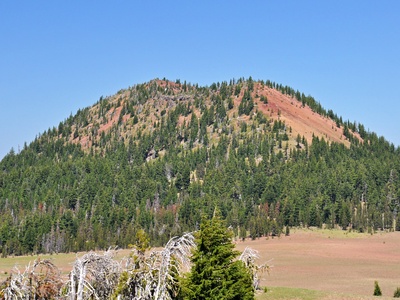
Cinder cone (Scoria cone)
Small steep-sided cone of loose volcanic fragments built around a vent. Typically monogenetic, short-lived Strombolian eruptions produce scoria and lava flows. Found on flanks of larger volcanoes and basaltic fields; hazards include lava flows, ejecta and fires.
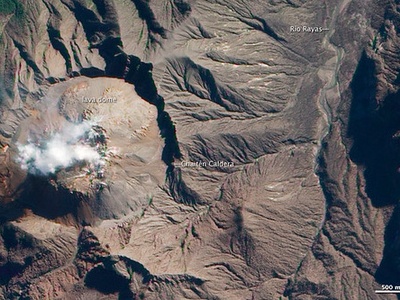
Lava dome (Volcanic dome)
Bulbous, steep-sided mound of highly viscous lava that piles near vents. Growth can be slow; collapse triggers pyroclastic flows and ash. Common at stratovolcanoes and subduction zones; hazards include dome collapse, ash and block-and-ash flows.
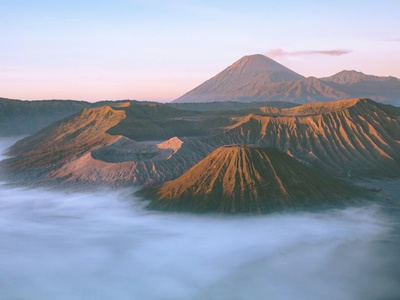
Caldera
Large collapse basin formed when a magma chamber empties rapidly; sizes vary from several to tens of kilometres. Associated with explosive supereruptions, long-lived geothermal systems and resurgent domes. Hazards include ashfall, pyroclastic density currents and climate impacts.
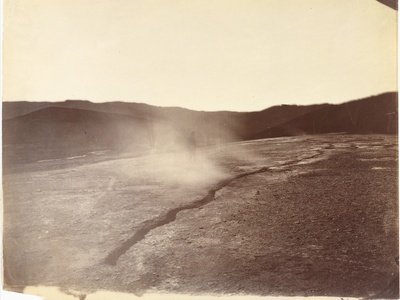
Fissure vent
Linear vent system where lava erupts along cracks, often producing curtain-of-fire fountains and extensive lava flows. Typical at rift zones and hotspots; can build long lava fields quickly. Hazards: widespread lava inundation, gas and local fires.
Submarine volcano
Underwater volcano that may form seamounts, pillow lavas and hydrothermal vents. Eruptions are often effusive or explosive if shallow; common at mid-ocean ridges, hotspots and subduction trenches. Hazards include tsunamis, gas release and water–lava interactions.
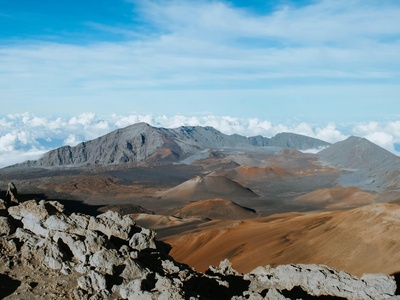
Maar
Broad, shallow volcanic crater formed by explosive magma–groundwater interaction. Usually low-relief with a tuff rim and often hosts a lake. Common in continental settings and rift valleys; hazards include sudden phreatomagmatic blasts and ash dispersal.
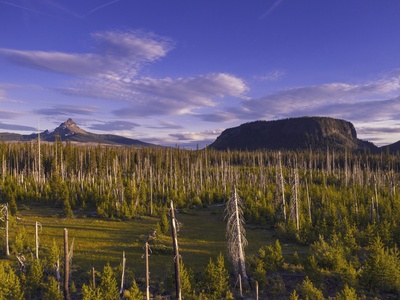
Tuya
Flat-topped, steep-sided volcano formed by subglacial eruptions that melt through ice. Lava ponds beneath ice cool rapidly to make steep sides and a flat summit. Found in formerly glaciated zones; hazards include jokulhlaups (glacial floods).
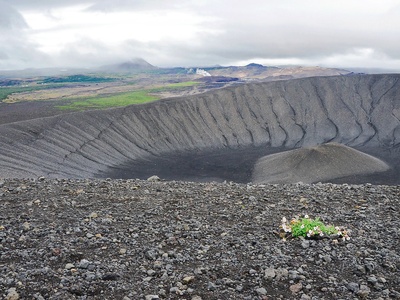
Tuff cone/ring
Steep, fine-grained pyroclastic cones formed by explosive interactions of magma and water. Tuff rings are low and broad; cones are higher and steeper. Common in coastal and shallow submarine settings; hazards include ash, ballistic ejecta and local tsunamis.
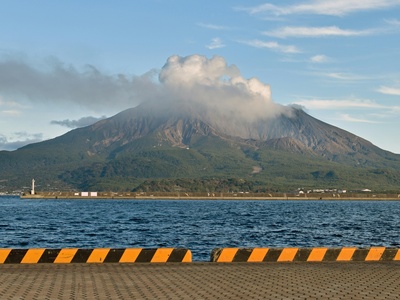
Complex volcano
Volcano with multiple vents and mixed structures (domes, cones, calderas) from shifting eruption centers. Develops in active arcs and varied settings; activity can be prolonged and unpredictable. Hazards combine those of constituent types: ash, lava, pyroclastic flows and lahars.
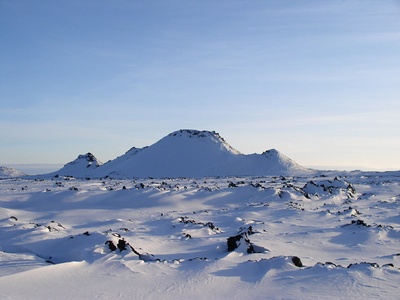
Spatter cone
Steep, weld-bonded mounds built by hot, still-molten spatter during vigorous lava fountains. Usually small and short-lived, often on rift zones or flank eruptions. Hazards are local: lava flows, hot clots and falling ejecta.