The Federated States of Micronesia span hundreds of islands and atolls across the western Pacific, where coastal waters, reefs, small patches of arable land, and local forests shape daily life and economic activity. Knowing which resources are present helps explain subsistence patterns, small-scale commerce, and national priorities.
There are 35 Natural Resources of the Federated States of Micronesia, ranging from Areca nut (betel nut) to Yellowfin tuna. Each item below is organized with Category,Location (State),Extent / Use (units) so you can quickly see what the resource is, where it occurs, and how its presence or use is measured. The list mixes household staples, commercial species, and timber/mineral entries for a balanced view — you’ll find the full table below for easy reference.
How do local communities use these resources day to day?
Most communities rely on a mix of subsistence uses (food, building materials, cultural items) and small-scale sales; for example, betel nut is chewed locally and traded, while tuna supports both local consumption and export income. Use patterns vary by island and season, and many resources have both cultural and commercial roles.
How reliable are the extent/use figures and where do they come from?
Extent and use figures typically come from government surveys, fisheries catch reports, and regional studies (FAO, SPC), but they can be approximate and change with new surveys or environmental shifts; check the notes and sources in the table below for the most current figures.
Natural Resources of the Federated States of Micronesia
| Resource | Category | Location (State) | Extent / Use (units) |
|---|---|---|---|
| Skipjack tuna | Fishery | nationwide | commercial; primary export fishery |
| Yellowfin tuna | Fishery | nationwide | commercial; longline and purse seine targets |
| Bigeye tuna | Fishery | nationwide | commercial; high-value sashimi species, conservation concern |
| Reef fish (snappers & groupers) | Fishery | nationwide | subsistence/commercial; local markets and restaurants |
| Sea cucumbers (beche-de-mer) | Fishery | nationwide | commercial; high-value export, overharvested in places |
| Trochus shell | Fishery | nationwide | commercial; shell export and craft material, stocks variable |
| Giant clams | Fishery | nationwide | minor commercial/conservation; food and restoration programs |
| Spiny lobster | Fishery | nationwide | commercial/minor export; valuable in markets |
| Reef coral ecosystems | Biodiversity | nationwide | qualitative; critical habitat, threatened by bleaching |
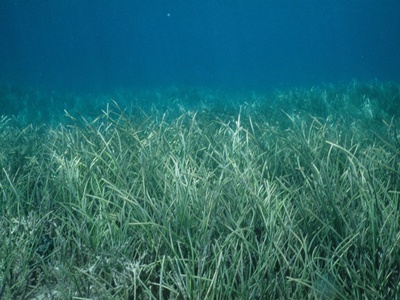
| Seagrass beds | Biodiversity | nationwide | qualitative; nursery habitat, local ecological value |
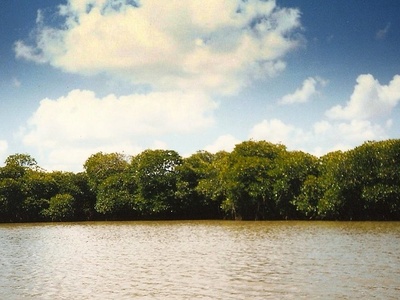
| Mangrove forests | Forestry | nationwide | qualitative; coastal protection and NTFPs, some cleared |
| Coastal sand and coral aggregate | Mineral | nationwide | commercial; construction material, regulated due to impacts |
| Basalt and rock aggregate | Mineral | nationwide | commercial; quarried for construction |
| Limestone (coralline rock) | Mineral | nationwide | commercial; building and lime production |
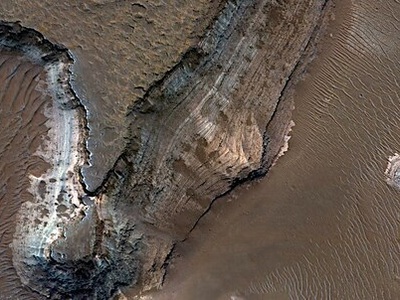
| Clay deposits | Mineral | nationwide | minor; pottery, bricks and artisanal use |
| Groundwater lenses (freshwater) | Freshwater | nationwide | qualitative; primary drinking source on atolls |
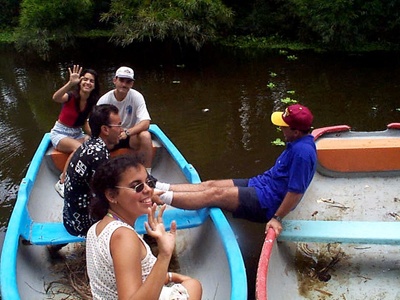
| Rivers and streams | Freshwater | Pohnpei,Kosrae,Chuuk | qualitative; major freshwater supply and ecosystem support |
| Freshwater eels (Anguilla spp.) | Freshwater | nationwide | subsistence/minor trade; traditional food resource |
| Coconut (copra) | Agriculture | nationwide | commercial; primary cash crop (copra) and local use |
| Breadfruit | Agriculture | nationwide | subsistence/commercial; staple starch, agroforestry potential |
| Taro | Agriculture | nationwide | subsistence; cultural staple, vulnerable to pests |
| Yam | Agriculture | nationwide | subsistence; cultural and food security role |
| Banana | Agriculture | nationwide | subsistence/minor market; local fruit and cooking variety |
| Pandanus (fruit & leaves) | Agriculture | nationwide | subsistence/craft; weaving and local food use |
| Areca nut (betel nut) | Agriculture | nationwide | commercial/local trade; cultural staple and income source |
| Cocoa (cacao) | Agriculture | Pohnpei,Chuuk,Kosrae | minor commercial; smallholder cultivation for local processing |
| Noni (Morinda citrifolia) | Agriculture | nationwide | minor commercial; traditional medicinal crop and small exports |
| Galip/Canarium nuts | Forestry | Pohnpei,Chuuk | subsistence/commercial; edible oil and nuts, cultural importance |
| Native hardwoods (mixed) | Forestry | Pohnpei,Kosrae,Yap | minor commercial/subsistence; local timber with conservation needs |
| Mangrove crabs & mud crabs | Fishery | nationwide | subsistence/commercial; harvested from mangroves for local markets |
| Coconut crab | Biodiversity | Yap,Chuuk,Pohnpei | subsistence/minor commercial; culturally prized, vulnerable |
| Fruit bats (flying foxes) | Biodiversity | nationwide | subsistence/minor; pollinators and cultural resource |
| Sea turtles (green & hawksbill) | Biodiversity | nationwide | protected/minor harvest historically; nesting species |
| Marine mammals (dolphins & whales) | Biodiversity | nationwide | protected/ecotourism; migratory species in EEZ |
| Marine macroalgae (wild seaweed) | Marine | nationwide | minor; natural harvests and aquaculture potential |
Images and Descriptions

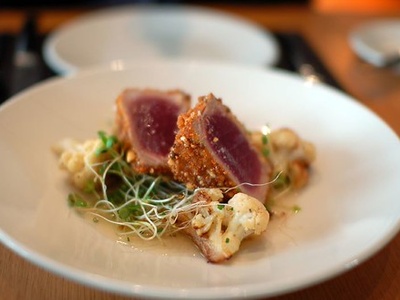
Skipjack tuna
Skipjack tuna dominate FSM waters and commercial fleets, supplying canneries and license revenue. Found across the EEZ, they support national incomes and local jobs but face stock management and foreign fleet sustainability concerns. Major economic backbone of fisheries.
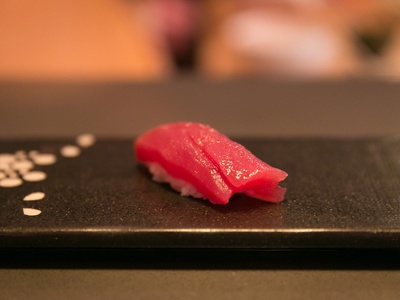
Yellowfin tuna
Yellowfin tuna occur throughout FSM’s EEZ and are valued for fresh and frozen markets. Caught by longline and purse seine vessels, they contribute export income and require careful quotas to avoid overfishing and bycatch impacts.
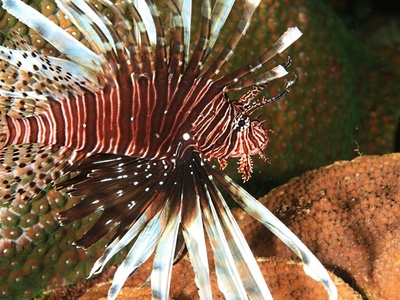
Bigeye tuna
Bigeye tuna frequent deeper waters of FSM’s EEZ and are prized for sashimi markets. Longline harvests are economically important but bigeye stocks face pressure from high-value demand and regional management challenges.
Reef fish (snappers & groupers)
Reef-associated snappers and groupers are the backbone of subsistence diets and local markets across the islands. Caught by small-scale fishers, they support food security but are vulnerable to overfishing and habitat loss from reef degradation.
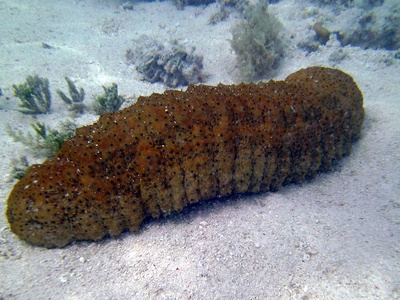
Sea cucumbers (beche-de-mer)
Sea cucumbers are harvested for lucrative Asian markets and collected from shallow reefs and lagoons. Historically profitable, many stocks have declined from overharvest, prompting seasonal closures and management measures in parts of FSM.
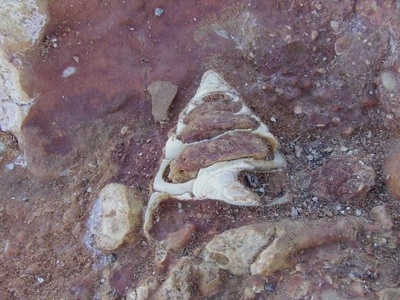
Trochus shell
Trochus shells are collected from reef flats for mother-of-pearl and crafts, providing income for coastal communities. Historically important, trochus populations are patchy and require rotational harvesting and restocking to remain sustainable.
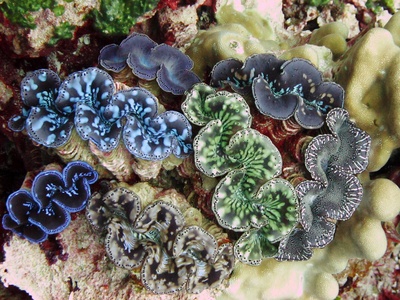
Giant clams
Giant clams occur on reefs and are used locally for food and ornamental trade. Conservation and hatchery restocking projects exist to rebuild populations while balancing subsistence use and ecotourism appeal.
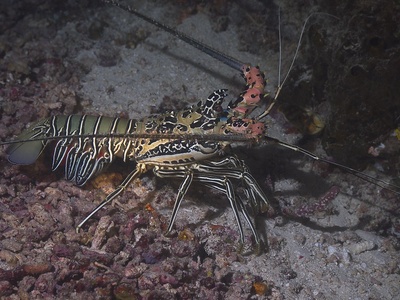
Spiny lobster
Spiny lobsters are caught from reefs and deeper slopes for local consumption and limited export. They command good prices but are vulnerable to overfishing and habitat loss, so local management and size limits are important.
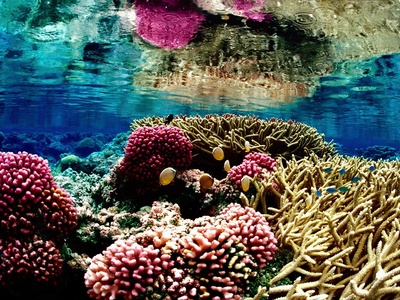
Reef coral ecosystems
Vibrant coral reefs fringe most islands, supporting fisheries, biodiversity, shoreline protection and tourism. Warming seas, bleaching, crown-of-thorns outbreaks and local impacts threaten reef health, making conservation and community stewardship vital.
Seagrass beds
Seagrass meadows occur in sheltered lagoons and provide nursery grounds for fish and invertebrates, carbon storage and shoreline stabilization. They are sensitive to sedimentation and coastal development, important for fisheries sustainability.
Mangrove forests
Mangroves line sheltered coasts and provide timber, crab habitat, storm protection and nursery areas. They support livelihoods through non-timber products but face clearance for development and require protection and restoration.
Coastal sand and coral aggregate
Sand, coral and coastal aggregates are widely used for local building and reclamation. Extraction is economically important but causes erosion and habitat loss, leading to regulation and sustainable sourcing efforts.

Basalt and rock aggregate
Volcanic islands yield basalt and other rock used for road building, foundations and local construction. Quarrying supports local infrastructure but needs management to limit landscape and watershed impacts.
Limestone (coralline rock)
Many islands have limestone or coral-derived rock used for construction and lime production. Extraction is common locally but can damage coastal ecosystems and is managed to reduce coral reef impacts.
Clay deposits
Local clay beds supply traditional pottery, bricks and craft production. Clay is a small-scale resource underpinning cultural crafts and local building needs, typically used at community levels.
Groundwater lenses (freshwater)
Shallow freshwater lenses in porous reef islands and aquifers in high islands are the main potable water source. They are vulnerable to saltwater intrusion, overuse and contamination, making sustainable management essential.
Rivers and streams
Perennial rivers and streams on high islands like Pohnpei and Kosrae supply drinking water, irrigation and support freshwater biodiversity. Watersheds are crucial but face deforestation and land-use pressures that affect water quality.
Freshwater eels (Anguilla spp.)
Freshwater eels migrate between rivers and the ocean and are harvested for food and cultural uses. Present across many islands, they are important locally but sensitive to habitat changes and river barriers.
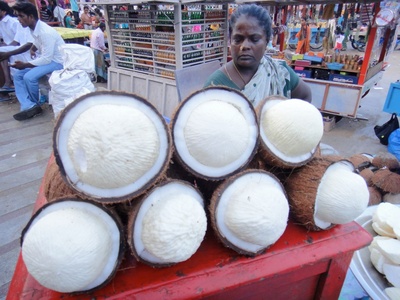
Coconut (copra)
Coconut palms dominate rural landscapes and provide copra, oil, fiber and food. Copra exports historically drive cash income for many households, while coconuts remain central to food security and traditional uses.
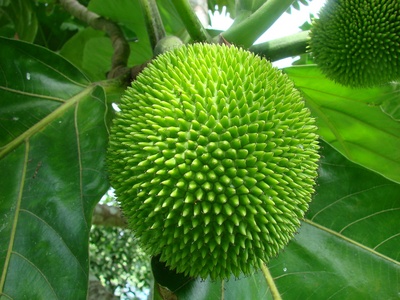
Breadfruit
Breadfruit trees provide a high-yield starchy food across islands and are gaining interest for food security and agroforestry. Used fresh or processed, breadfruit supports local diets and resilience to supply shocks.
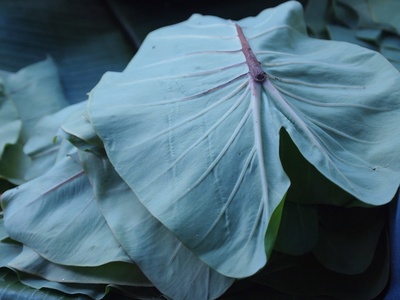
Taro
Taro is a traditional staple cultivated in fields and swamp gardens, central to diet and culture. It’s primarily for subsistence with limited market sales; disease and land pressures threaten production in some areas.
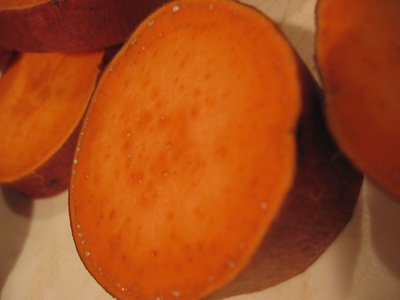
Yam
Yams are grown as important cultural and calorie-rich staples, used in ceremonies and household diets. They are largely subsistence crops with varied local varieties adapted to island conditions.
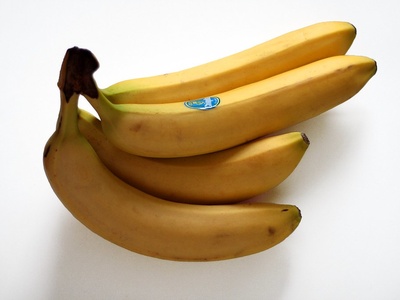
Banana
Bananas are widely grown for local consumption, cooking and small market sales. They are easy to cultivate and provide year-round food, though vulnerable to disease and cyclone damage.
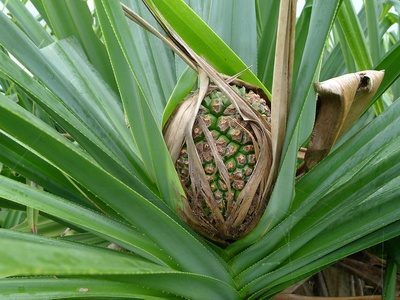
Pandanus (fruit & leaves)
Pandanus trees supply edible fruit and durable leaves used for mat and basket weaving. The species supports traditional crafts, local diets and coastal stabilization in many communities.
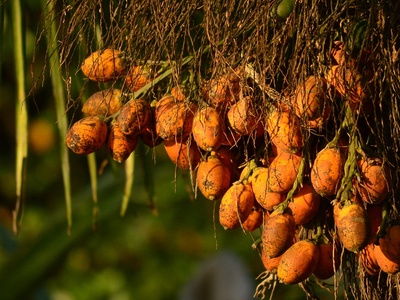
Areca nut (betel nut)
Areca nut palms are cultivated and sold locally throughout FSM, used in social and cultural practices. They provide cash income but also raise health and land-use considerations.
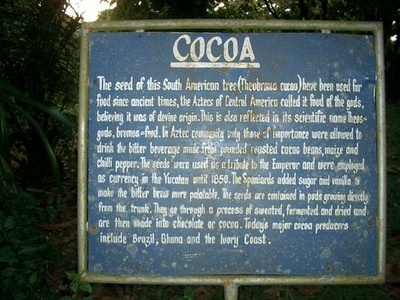
Cocoa (cacao)
Smallholder cocoa is grown on some islands for local chocolate production and niche markets. Production is limited but offers value-added opportunities and diversification from copra.
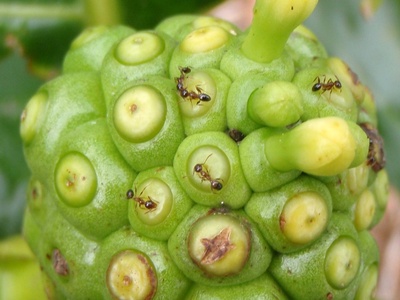
Noni (Morinda citrifolia)
Noni is used traditionally for medicine and has been marketed regionally. Small-scale processing and export exist, supporting household incomes while relying on sustainable harvesting.
Galip/Canarium nuts
Galip trees produce nuts valued for food, oil and trade on Pohnpei and nearby islands. They are an important non-timber forest product with cultural uses and local market potential.
Native hardwoods (mixed)
High islands support mixed hardwood forests used locally for construction and carving. Timber extraction is limited but must be balanced with biodiversity conservation and watershed protection.
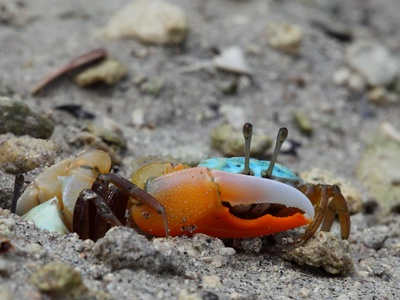
Mangrove crabs & mud crabs
Mud crabs inhabit mangroves and are harvested for food and sale, contributing to local diets and incomes. Sustainable management of mangrove habitats is crucial for their continued abundance.
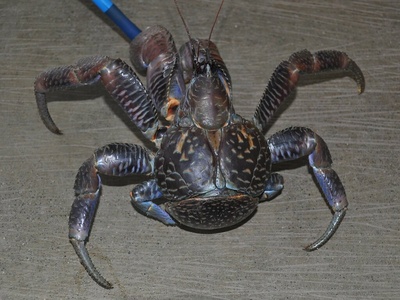
Coconut crab
The terrestrial coconut crab is harvested for food and ceremony on some islands. Populations are fragile due to slow growth and hunting pressure, leading to local protections and seasonal harvesting bans.
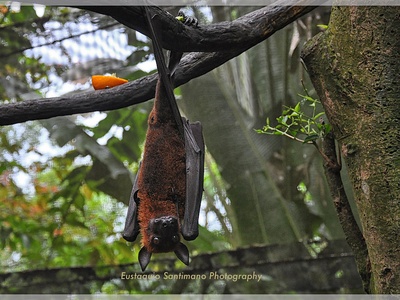
Fruit bats (flying foxes)
Flying foxes are hunted in some local traditions and serve as pollinators and seed dispersers. They are ecologically important but face hunting pressure and habitat loss, prompting conservation concerns.
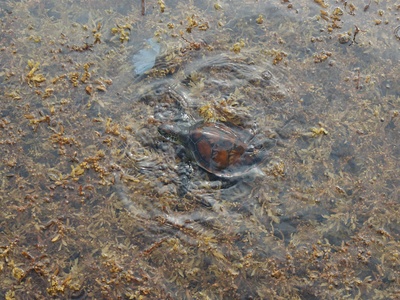
Sea turtles (green & hawksbill)
Green and hawksbill turtles nest on FSM beaches and are culturally significant. Now largely protected, they support ecotourism and conservation efforts while historically being a subsistence resource.
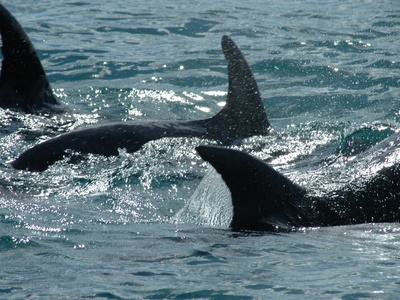
Marine mammals (dolphins & whales)
Dolphins and several whale species transit FSM waters, offering potential for ecotourism. They are protected under national and international measures, with occasional traditional interactions on some islands.
Marine macroalgae (wild seaweed)
Native seaweeds occur in lagoons and reefs and are gathered locally for food or fertilizer. There is interest in developing small-scale aquaculture for income generation, though commercial activity remains limited.