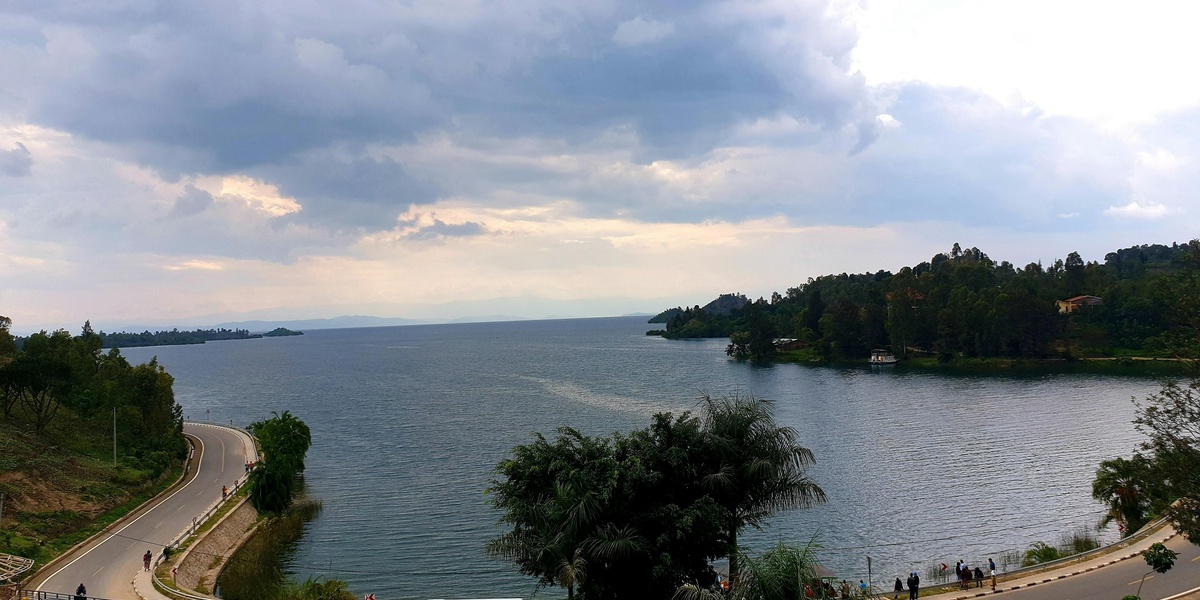
Rwanda’s varied landscape—from highland forests to volcanic soils and river valleys—supports a mix of minerals, hydropower potential, and agricultural products that shape the country’s economy and land use. Small-scale mining, tea and coffee production, and hydro projects all tap into these natural assets across different provinces.
There are 18 Natural Resources of Rwanda, ranging from Cassiterite (Tin) to Wolframite (Tungsten). For each resource, data are organized with columns: Type,Quantity or capacity (t/MW/ha/km3),Main location so you can quickly see what it is, how much or how powerful, and where it’s found; you’ll find below.
Which resources drive Rwanda’s economy the most?
Minerals like tin (cassiterite), tungsten (wolframite), coltan (for tantalum), and gold are key export earners alongside agricultural staples such as coffee and tea; hydropower sites also contribute by providing energy for industry and growth. The balance between mining revenues and agricultural exports varies year to year with prices and production.
How current and usable is the data in the list?
The table compiles reported reserves, production figures, and capacity estimates from geological surveys, government ministries, and industry reports; use it as a comparative snapshot but check source dates and official reports for planning or investment decisions.
Natural Resources of Rwanda
| Name | Type | Quantity or capacity (t/MW/ha/km3) | Main location |
|---|---|---|---|
| Cassiterite (Tin) | Mineral | 3,500 t/year (est.) | Western & Northern Provinces (Rusizi, Nyabihu, Rubavu, Rutsiro) |
| Coltan (Tantalum) | Mineral | 400 t/year (Ta concentrate est.) | Western Province (Rubavu, Nyamasheke, Rusizi) and southern districts |
| Wolframite (Tungsten) | Mineral | 300 t/year (est.) | Western & Southern highlands (Nyamagabe, Nyabihu) |
| Gold | Mineral | 1.5 t/year (artisanal est.) | Southern & Western districts (Nyaruguru, Rusizi, Nyamagabe) |
| Gemstones (tourmaline, aquamarine) | Mineral | 50 t/year (rough gem est.) | Pegmatite zones in western and southern districts (Gicumbi, Nyamagabe) |
| Granite | Construction | 10,000,000 t (estimated reserves) | Commercial quarries (Musanze, Gicumbi, Rwamagana) |
| Limestone | Construction | 5,000,000 t (estimated reserves) | Musanze, Gicumbi, Ruhengeri |
| Sand and aggregates | Construction | 1,000,000 t/year (extraction est.) | River valleys, Lake Kivu shores, eastern wetlands |
| Laterite and clay | Construction/Soil | 1,000,000 ha (exploitable area est.) | Nationwide, especially central plateau and hills |
| Hydropower potential | Energy | 563 MW (technical potential est.) | Rivers Nyabarongo, Rusizi, Mukungwa, Sebeya, Akanyaru |
| Lake Kivu methane | Energy | 60,000,000,000 m3 CH4 (dissolved est.) | Lake Kivu (Western Province border with DRC) |
| Lake Kivu (water resource) | Water | 2,700 km2 area; 500 km3 volume (total lake) | Lake Kivu (western Rwanda border with DRC) |
| Peatlands | Soil/Energy | 34,000 ha (peatland area est.) | Nyabarongo marshes, eastern and southern lowland wetlands |
| Nyungwe Forest | Forest | 101,900 ha | Nyungwe Forest National Park (Southwest) |
| Volcanoes Forest (gorilla habitat) | Forest | 16,000 ha | Volcanoes National Park (Northwest, Musanze) |
| Gishwati-Mukura Forest | Forest | 16,000 ha | Gishwati-Mukura National Park (Western) |
| Volcanic soils (Andosols) | Soil | 1,200,000 ha (est. arable area) | Northern and Western highlands (volcanic regions) |
| Groundwater resources | Water | 6.0 km3/year (renewable est.) | Nationwide aquifers (fractured volcanic and alluvial deposits) |
Images and Descriptions

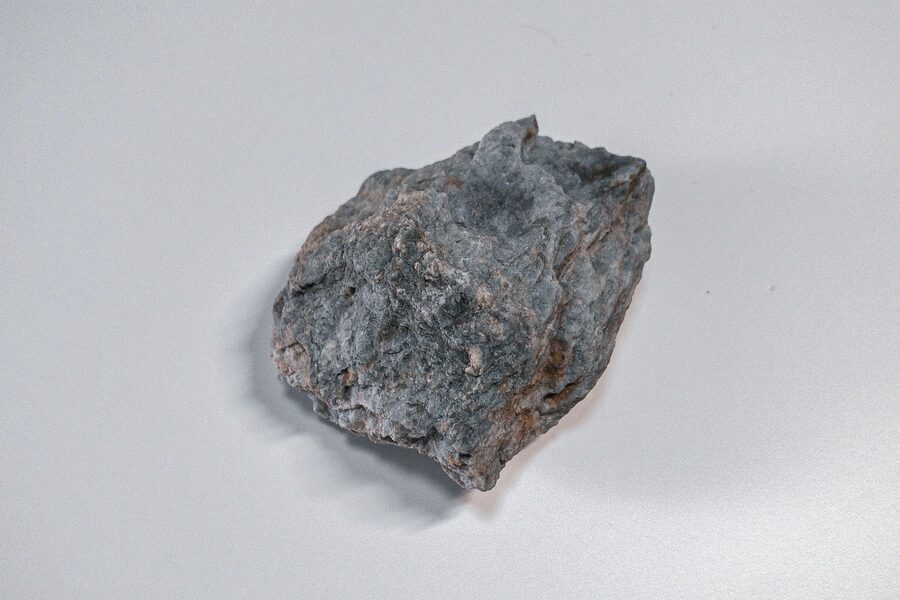
Cassiterite (Tin)
Cassiterite (tin ore) is Rwanda’s main tin commodity, mined mainly by artisanal and small-scale operations. Annual production is estimated around 3,500 t. Found chiefly in western and northern districts, it supports export revenue but raises environmental and governance concerns.
Coltan (Tantalum)
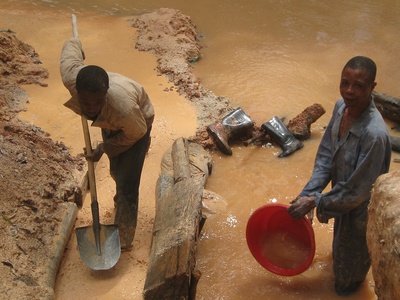
Coltan (tantalum-bearing ore) fuels electronics and is a major Rwandan mineral. Annual tantalum concentrate output is roughly 400 t. Deposits occur in western provinces and several southern districts, mined largely artisanal with ongoing formalization and export controls.
Wolframite (Tungsten)
Wolframite (tungsten ore) occurs in Rwanda’s highlands and supplies small-scale mining operations. Estimated annual production about 300 t. Deposits are concentrated in western and southern districts; tungsten is important for industry but extraction is modest and artisanal-dominated.
Gold
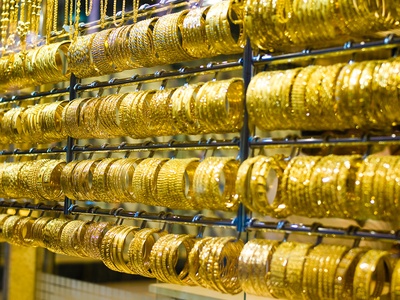
Alluvial and artisanal gold mining produces small quantities, roughly 1.5 t per year. Gold is mined in southern and western districts and contributes to local incomes, though formalization, environmental impacts, and revenue capture remain policy priorities.
Gemstones (tourmaline, aquamarine)
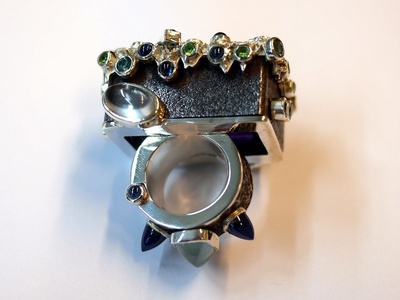
Gemstones such as tourmaline and aquamarine occur in pegmatite zones and attract small-scale mining and lapidary activity. Rough output is modest, about 50 t annually. Deposits are scattered in western and southern districts and have boutique export value.
Granite
Granite forms abundant commercial building stone with estimated reserves of 10,000,000 t across quarry sites. Major quarries are in Musanze, Gicumbi and Rwamagana. Granite supplies domestic construction and export markets, valued for durability and ease of extraction.
Limestone
Limestone used for cement and crushed stone has estimated reserves near 5,000,000 t in northern and eastern districts. Key sites include Musanze and Gicumbi. Limestone underpins Rwanda’s growing construction and local cement production sectors.
Sand and aggregates
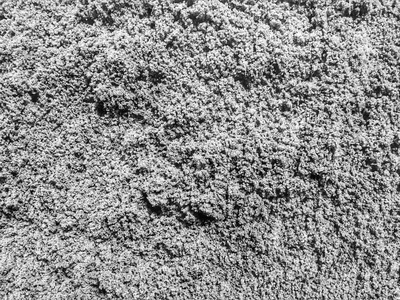
River and lake sand, plus crushed rock aggregates, support Rwanda’s fast-growing construction sector. Extraction is roughly 1,000,000 t/year. Main sources are river valleys, Lake Kivu shorelines and quarry sites, posing local environmental management challenges.
Laterite and clay
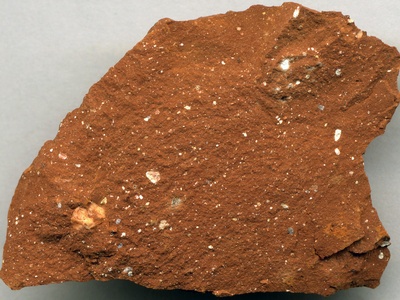
Laterite and clay soils are ubiquitous and used for bricks, roadbase and pottery; exploitable areas total an estimated 1,000,000 ha. Found across the central plateau and hills, these materials are vital for low-cost local construction and informal industries.
Hydropower potential
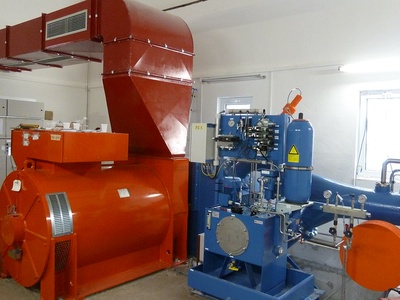
Rwanda’s technical hydropower potential is estimated at 563 MW on rivers like Nyabarongo, Rusizi, Mukungwa and Sebeya. Small cascade sites and run-of-river projects offer renewable energy opportunities to diversify the grid and reduce fossil fuel dependence.
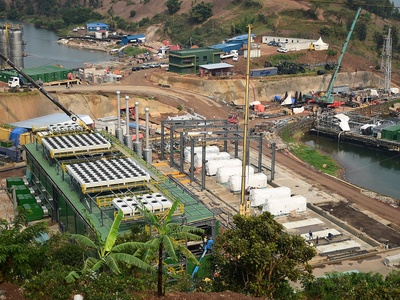
Lake Kivu methane
Lake Kivu holds an estimated 60,000,000,000 m3 of dissolved methane—an unusual natural gas resource. Located on the Rwanda–DRC border, methane extraction (e.g., KivuWatt) can supply power but requires careful environmental management to avoid gas release risks.
Lake Kivu (water resource)
Lake Kivu covers about 2,700 km2 with an estimated volume of 500 km3. Shared with DRC in western Rwanda, it provides fisheries, transport, freshwater and unique limnological features, while requiring binational management for sustainable use.
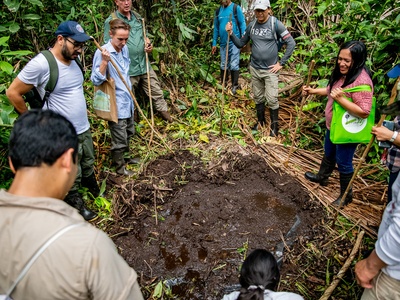
Peatlands
Rwanda’s peatlands, estimated at about 34,000 ha, occur in marshes such as Nyabarongo and eastern lowlands. Peat is a potential fuel and horticultural resource; conservation and careful development are needed to balance carbon storage, biodiversity and energy uses.
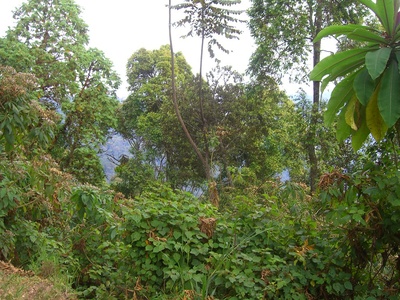
Nyungwe Forest
Nyungwe Forest National Park spans roughly 101,900 ha of montane rainforest in southwestern Rwanda. It’s a biodiversity hotspot, stores carbon, supports tourism, water regulation and many endemic species including primates and birds, making it nationally and regionally important.

Volcanoes Forest (gorilla habitat)
Volcanoes National Park forests cover about 16,000 ha in the northwest highlands near Musanze. Famous for mountain gorillas and bamboo zones, this montane forest is central to conservation, tourism revenue and habitat connectivity across the Virunga massif.
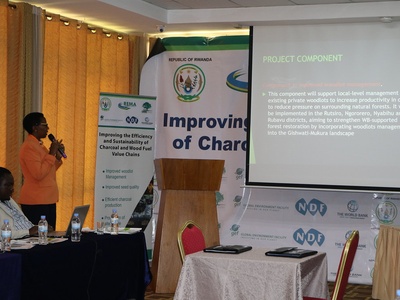
Gishwati-Mukura Forest
Gishwati-Mukura National Park comprises roughly 16,000 ha of restored montane forest in the west. It supports biodiversity recovery, watershed protection and community forestry initiatives after past deforestation, offering conservation and eco-tourism opportunities.
Volcanic soils (Andosols)
Volcanic Andosols dominate Rwanda’s highlands, covering an estimated 1,200,000 ha of fertile agricultural land. These soils underpin intensive smallholder farming, supporting crops and food security, though erosion control and nutrient management are ongoing challenges.
Groundwater resources
Renewable groundwater resources in Rwanda are estimated at about 6.0 km3/year, stored in fractured volcanic aquifers and alluvial deposits. Groundwater supplies rural and urban water needs, but quality and sustainable abstraction are key management concerns.