In classrooms, clinics and field guides, a clear, organized list makes it easier to recognize and remember the parts that make up living bodies. Whether you’re skimming for study or assembling a quick reference, a straight-to-the-point list helps you see relationships between structure, function and size.
There are 20 Examples of Organs, ranging from Brain to Uterus. For each, you’ll find below Scientific name (Latin),Primary function,Typical location and size (cm/g) to make comparisons simple and consistent — you’ll find below the full list and details.
How can I use this list to study anatomy effectively?
Group organs by body system (nervous, reproductive, digestive, etc.), study the Scientific name (Latin) to link terminology, and use Typical location and size (cm/g) to visualize scale; reviewing extremes like the Brain and Uterus together highlights functional differences and aids recall.
Are the size values exact measurements or averages?
Size and weight entries are typical averages or representative ranges, not precise values for every individual; they’re useful for comparison but expect variation with age, sex and health, so consult clinical sources for medical decisions.
Examples of Organs
| Name | Scientific name (Latin) | Primary function | Typical location and size (cm/g) |
|---|---|---|---|
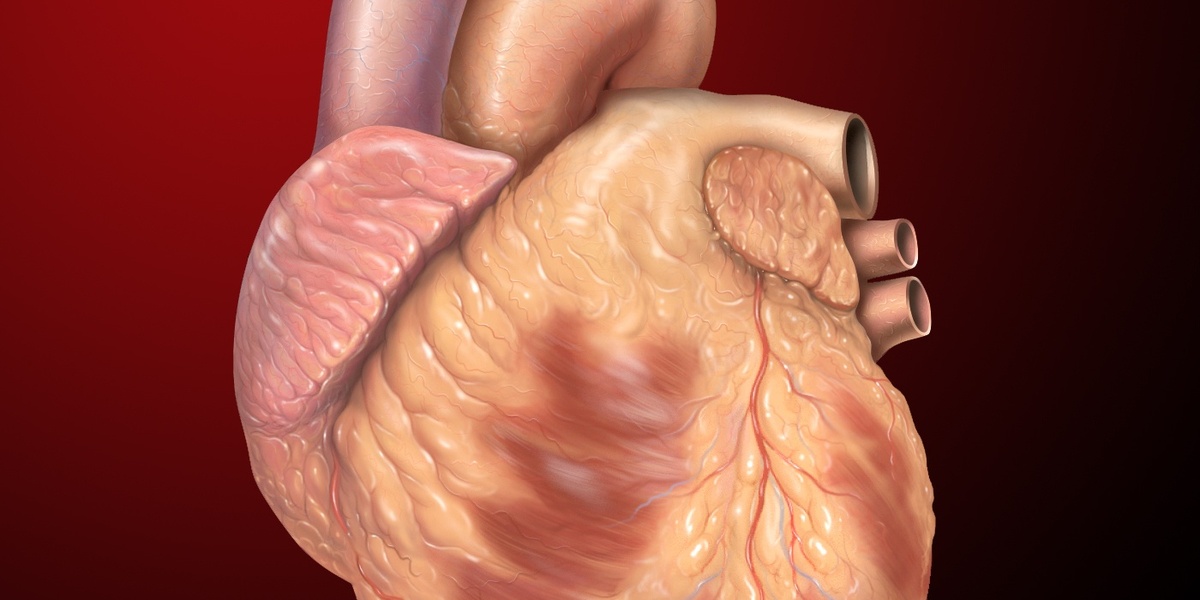
| Heart | cor | Pumps blood through the circulatory system | thorax, ~10–12 cm, 250–350 g |
| Brain | cerebrum | Controls behavior, sensation, and cognition | cranial cavity, ~15 cm, 1,300–1,400 g |
| Lungs | pulmo/pulmones | Exchange oxygen and carbon dioxide with blood | thorax, combined ~1,000–1,300 g, variable volume |
| Liver | hepar | Metabolizes nutrients and detoxifies chemicals | upper right abdomen, ~20–25 cm, 1,200–1,800 g |
| Kidneys | renes | Filter blood to remove waste and balance fluids | retroperitoneal, each ~11–14 cm, 120–170 g |
| Stomach | ventriculus | Digests food mechanically and chemically | upper abdomen, ~25–30 cm length, 150–200 g empty |
| Small intestine | intestinum tenue | Absorbs nutrients from digested food | abdominal cavity, ~600–700 cm length, variable weight |
| Large intestine (Colon) | intestinum crassum/colon | Absorbs water and compacts feces | abdominal cavity, ~120–150 cm length, variable weight |
| Pancreas | pancreas | Produces digestive enzymes and hormones like insulin | upper abdomen, ~15 cm, 70–100 g |
| Spleen | lien | Filters blood and supports immune responses | upper left abdomen, ~10–11 cm, 150–200 g |
| Skin | cutis | Protects body and regulates temperature | covers body, ~1.5–2.0 m2 area, 3,000–4,000 g |
| Eye | oculus | Detects light and enables vision | orbit in skull, ~2.5 cm diameter, 7–8 g |
| Ear | auris | Detects sound and helps maintain balance | lateral skull, external ear ~6 cm, internal parts millimetric |
| Testis | testis | Produces sperm and male sex hormones | scrotum, each ~4–5 cm, 15–25 g |
| Ovary | ovarium | Produces eggs and female sex hormones | pelvis, each ~3–5 cm, 6–8 g |
| Uterus | uterus | Nurtures and houses a developing fetus during pregnancy | pelvis, ~7–8 cm non-pregnant, 50–70 g |
| Placenta | placenta | Transfers nutrients and gases between mother and fetus | attached to uterus, ~15–20 cm diameter, 500–600 g at term |
| Gills | branchiae | Extract oxygen from water and expel carbon dioxide | sides of fish head, filament sizes vary widely (mm–cm) |
| Leaf | folium | Performs photosynthesis and gas exchange | on stem, typically 1–30 cm length, a few grams |
| Root | radix | Anchors plant and absorbs water and nutrients | belowground, commonly 10–100+ cm, 50–500 g depending on species |
Images and Descriptions

Heart
Muscular organ in the chest that pumps blood to tissues and organs. About 10–12 cm long and 250–350 g in adults. Coordinates heartbeat via electrical signals and valves. Interesting fact: heart muscle cells can contract rhythmically without external input.
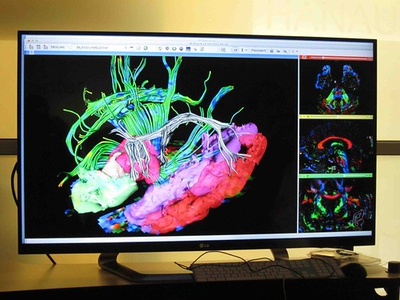
Brain
Complex organ within the skull that governs thought, movement, sensation, and memory. Weighs roughly 1,300–1,400 g and spans about 15 cm. It consumes about 20% of resting body’s energy. Notable: brain plasticity allows learning and recovery after injury.
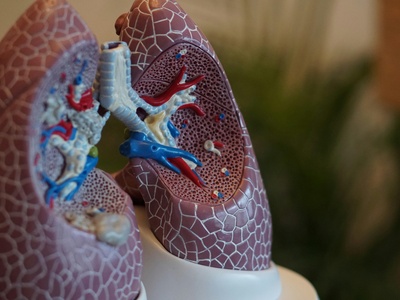
Lungs
Paired respiratory organs that bring oxygen into the blood and remove carbon dioxide. Combined weight is about 1,000–1,300 g in adults and contains millions of alveoli. Fun fact: alveoli provide a very large internal surface area, like a tennis court.
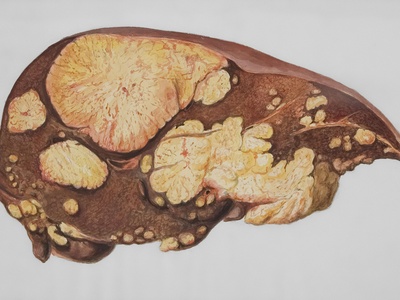
Liver
Large metabolic organ under the ribs that processes nutrients, produces bile, and detoxifies chemicals. Measures about 20–25 cm and weighs 1,200–1,800 g. Remarkably, the liver can regenerate much of its tissue after injury.
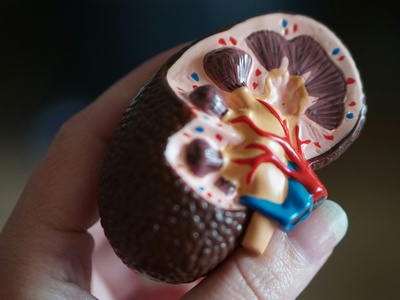
Kidneys
Pair of bean-shaped organs near the back that filter blood, produce urine, and regulate electrolytes and blood pressure. Each kidney is about 11–14 cm and 120–170 g. Notable: one healthy kidney can sustain full renal function.
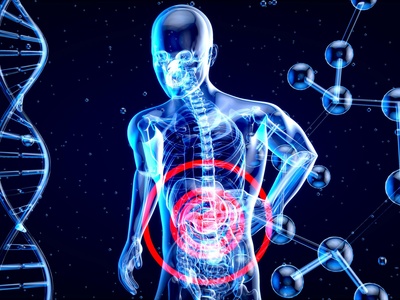
Stomach
Muscular, expandable organ that mixes and breaks down food using acids and enzymes. Roughly 25–30 cm long and 150–200 g when empty. Interesting fact: the stomach lining renews rapidly to protect against its own acid.
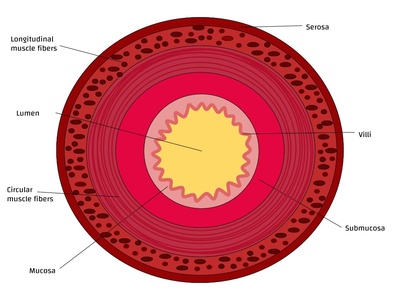
Small intestine
Long, folded tubular organ where most digestion and nutrient absorption occur. About 6–7 m long in adults with villi and microvilli that hugely increase surface area. Fun fact: its surface area rivals many small rooms.
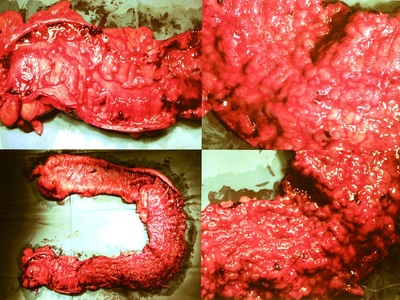
Large intestine (Colon)
Final digestive organ that absorbs water, compacts waste, and hosts gut microbes. Measures roughly 1.2–1.5 m. Notable: its microbiome contributes to digestion, immunity, and metabolic signaling.
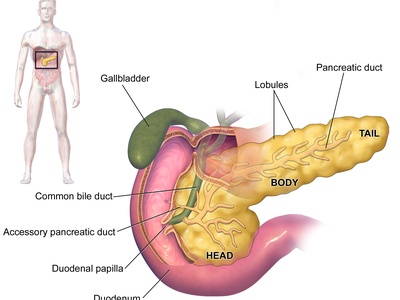
Pancreas
Mixed gland behind the stomach that secretes digestive enzymes and hormones (insulin, glucagon). About 15 cm long and 70–100 g. Interesting: it has distinct endocrine and exocrine regions with different functions.

Spleen
Soft, vascular organ that filters old red blood cells and helps mount immune reactions. Around 10–11 cm and 150–200 g. Notable: the spleen can enlarge during infection and acts as a blood reservoir.

Skin
The body’s largest organ that protects against pathogens, regulates temperature, and senses touch. Covers about 1.5–2.0 m2 and weighs roughly 3,000–4,000 g. Interesting: skin continually renews itself through shedding and cell turnover.
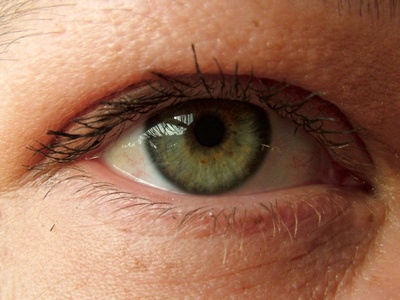
Eye
Spherical sensory organ in the eye socket that forms visual images from light. Approximately 2.5 cm in diameter and 7–8 g. The retina contains specialized photoreceptors for color and low-light vision.

Ear
Organ of hearing and balance with external, middle, and inner components. External ear about 6 cm, inner parts are much smaller. Notable: the inner ear’s semicircular canals detect rotational movement for balance.
Testis
Male reproductive organ in the scrotum that produces sperm and testosterone. Each testis is about 4–5 cm long and 15–25 g. Interesting: they produce millions of sperm daily and mature them over several weeks.
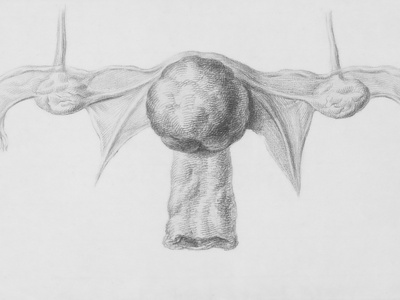
Ovary
Female reproductive organ in the pelvis that releases eggs and secretes estrogen and progesterone. Each ovary measures about 3–5 cm and 6–8 g. Notable: ovaries contain follicles formed before birth and release eggs cyclically.
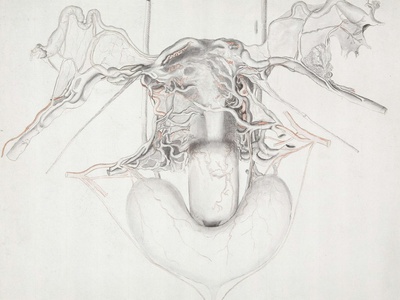
Uterus
Hollow muscular organ in the pelvis that supports embryo and fetal development. Non-pregnant size is about 7–8 cm and 50–70 g. Amazing: the uterus expands dramatically during pregnancy to accommodate the growing baby.
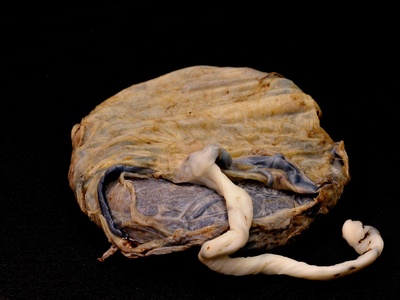
Placenta
Temporary organ that connects fetus and mother, exchanging nutrients, oxygen, and waste via the umbilical cord. About 15–20 cm and 500–600 g at term. It also produces hormones to support pregnancy.
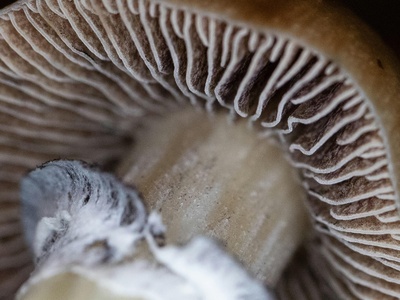
Gills
Respiratory organs in aquatic animals that extract dissolved oxygen and release carbon dioxide. Located on both sides of the head with filament size varying by species. Fun fact: gills provide huge surface area relative to body size for gas exchange.

Leaf
Flat plant organ attached to stems that captures light for photosynthesis and exchanges gases through stomata. Leaves commonly range from 1–30 cm and weigh a few grams. Notable: leaf shape and size adapt to light and climate.

Root
Plant organ that anchors and absorbs water and minerals from soil. Root systems vary; taproots often reach 10–100+ cm and weigh tens to hundreds of grams. Interesting: roots can also store carbohydrates and nutrients.