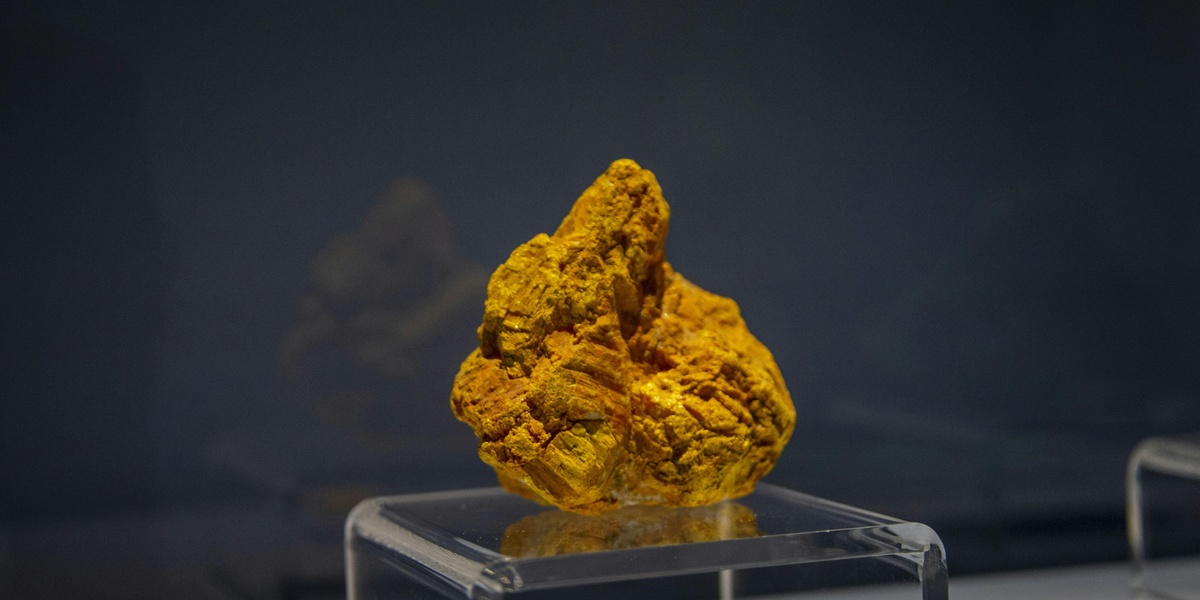
The row of heavy elements at the bottom of the periodic table includes some of the most radioactive and technically important species. Their unique nuclear behavior and complex chemistry underpin applications in nuclear power, medicine, and advanced materials, so a clear, compact reference helps both students and practitioners.
There are 15 Actinides, ranging from Actinium to Uranium. For each, you’ll find below Symbol,Atomic number (Z),Natural or synthetic so you can quickly see a element’s shorthand, its place in the table, and whether it occurs in nature or is made in reactors or labs.
Which actinides occur naturally and which are synthetic?
Only a few actinides occur in appreciable amounts in nature—Actinium, Thorium, Protactinium and Uranium are the primary naturally occurring members; others like neptunium and plutonium can appear in trace amounts from decay or neutron reactions but are largely produced synthetically in reactors and accelerators.
How should I use the three-column list when studying these elements?
Use the Symbol to identify an element quickly, the Atomic number (Z) to understand its position and electron count, and the Natural or synthetic column to gauge availability, handling precautions, and typical sources (mined vs. reactor-made), which is especially helpful when planning experiments or safety measures.
Actinides
| Name | Symbol | Atomic number (Z) | Natural or synthetic |
|---|---|---|---|
| Actinium | Ac | 89 | Natural; trace in uranium ores |
| Thorium | Th | 90 | Natural; abundant in minerals like monazite |
| Protactinium | Pa | 91 | Natural; very rare in uranium ores |
| Uranium | U | 92 | Natural; widespread in rocks and seawater |
| Neptunium | Np | 93 | Mostly synthetic; trace from uranium decay |
| Plutonium | Pu | 94 | Mostly synthetic; trace from uranium in nature |
| Americium | Am | 95 | Mostly synthetic; produced in reactors |
| Curium | Cm | 96 | Synthetic; produced in reactors and accelerators |
| Berkelium | Bk | 97 | Synthetic; made in particle accelerators |
| Californium | Cf | 98 | Synthetic; produced in labs and reactors |
| Einsteinium | Es | 99 | Synthetic; made in reactors and tests |
| Fermium | Fm | 100 | Synthetic; formed in nuclear explosions and reactors |
| Mendelevium | Md | 101 | Synthetic; created in accelerators |
| Nobelium | No | 102 | Synthetic; produced in accelerators |
| Lawrencium | Lr | 103 | Synthetic; produced in minute accelerator amounts |
Images and Descriptions

Actinium
Actinium (Ac) is a silvery radioactive metal found in trace amounts in uranium ores. Highly radioactive and scarce, it has limited scientific uses such as neutron sources; handling requires radiological controls due to strong alpha and gamma emissions.
Thorium
Thorium is a weakly radioactive, silvery metal occurring naturally in thorite and monazite minerals. More abundant than uranium, it’s studied as a nuclear fuel alternative and used in ceramics; its low-level radioactivity requires monitoring and careful industrial handling.
Protactinium
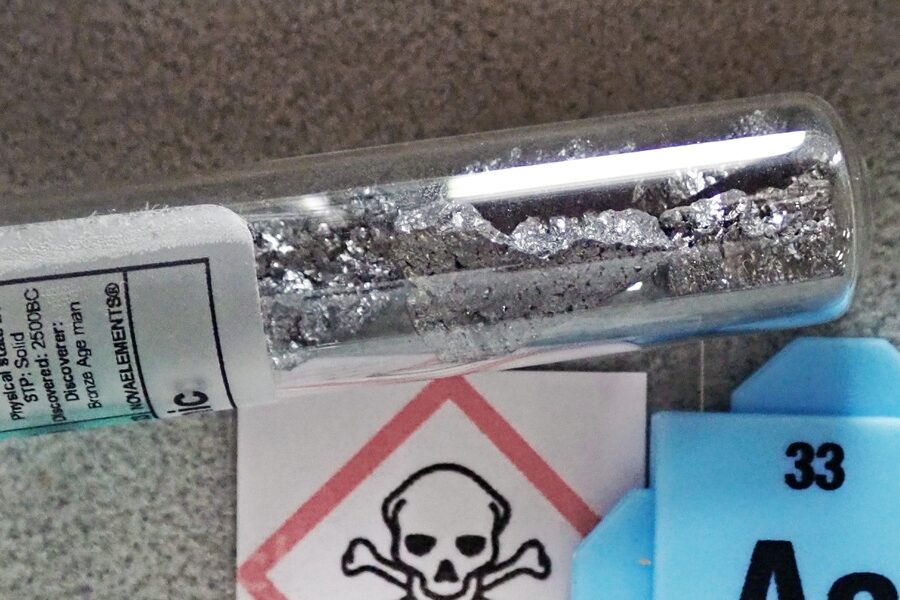
Protactinium is a rare, highly radioactive metal found in tiny amounts within uranium ores. Extremely scarce and toxic, it has no large-scale applications; research interest centers on nuclear science, and strict radiological controls are required when handling it.
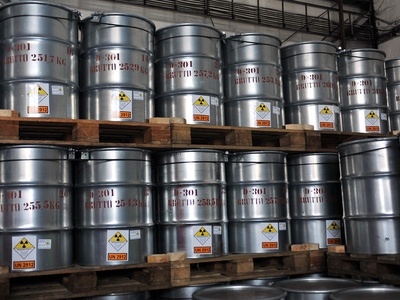
Uranium
Uranium is a dense, naturally occurring radioactive metal central to nuclear power and weapons. Present in many rocks and seawater, it is moderately radioactive; main uses include fuel for reactors and military purposes, with hazards from radiation and chemical toxicity.
Neptunium
Neptunium is a silvery radioactive metal produced in reactors and found in trace amounts from uranium decay. It is fissile in some isotopes, used mainly for research and nuclear material studies; it poses significant radiological hazards and long-lived waste concerns.
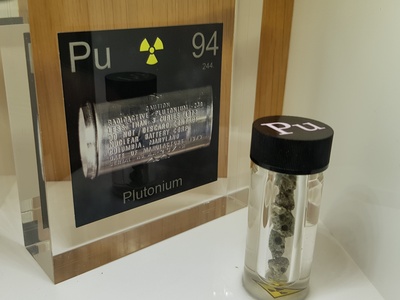
Plutonium
Plutonium is a dense, highly radioactive actinide created in reactors and weapons. Certain isotopes power spacecraft and reactors; others are used in nuclear explosives. It is intensely toxic radiologically and chemically, with long-lived contamination and proliferation risks.
Americium
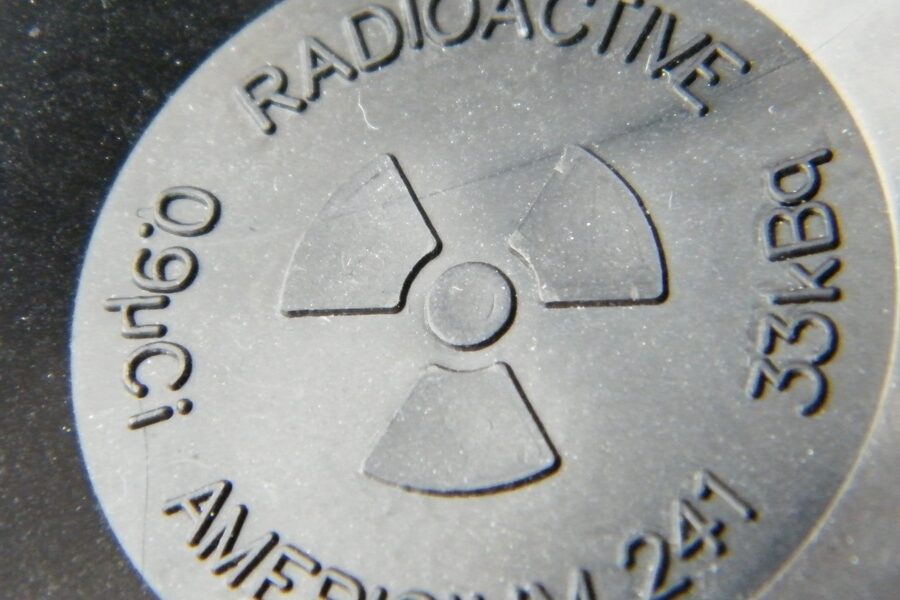
Americium is a man-made, moderately radioactive metal produced in nuclear reactors. Best known in smoke detectors (Am-241) and industrial gauges, it also serves in medical and research sources; it requires careful handling because of radiation and inhalation hazards.
Curium
Curium is a strong alpha-emitting synthetic metal produced in reactors and particle accelerators. Used in research and as heat sources for space missions, it is highly radioactive and hazardous, demanding stringent shielding and long-term waste management.
Berkelium
Berkelium is a synthetic, radioactive metal created in particle accelerators. Extremely scarce and produced in microgram amounts, it’s used mainly for research and to synthesize heavier elements; it is intensely radioactive and handled under strict lab controls.
Californium
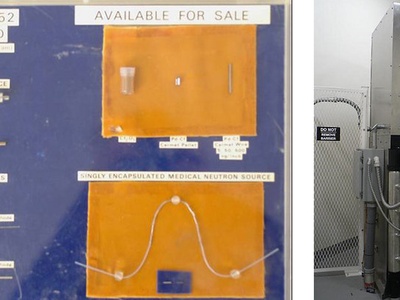
Californium is a highly radioactive, synthetic metal produced in reactors and accelerators. Certain isotopes are powerful neutron sources used in industry, medicine, and oil exploration; its rarity and intense radioactivity require specialized containment and safety measures.
Einsteinium
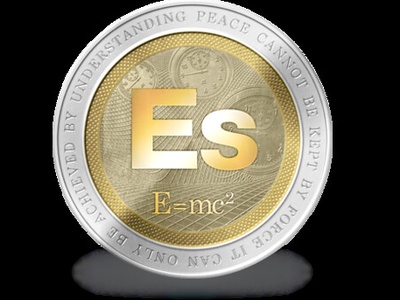
Einsteinium is a synthetic, intensely radioactive metal made in microgram quantities during nuclear tests and reactors. Primarily of scientific interest for research into heavy elements, it is highly hazardous and handled only in specialized facilities.
Fermium
Fermium is a synthetic, short-lived radioactive metal produced in very small amounts in nuclear explosions and reactors. Known only to researchers, it has no commercial uses and poses serious radiological hazards requiring extreme precautions.
Mendelevium
Mendelevium is a synthetic, highly radioactive element made in particle accelerators in tiny amounts. It has no practical uses beyond research into nuclear properties and heavy-element chemistry and must be handled under strict radiological controls.
Nobelium
Nobelium is a synthetic, short-lived actinide produced in accelerators. Studied only in trace quantities by scientists, it has no commercial applications; its radioactivity and scarcity restrict work to specialized labs with rigorous safety protocols.
Lawrencium
Lawrencium is a synthetic, radioactive heavy element made in minute quantities for research. Its properties are studied to understand heavy-element behavior; extremely short-lived and rare, it presents no practical uses and requires specialized containment.