Have you ever heard that ostriches bury their heads in the sand or that bats are blind?
Short, memorable stories about animals stick around because people notice a single odd behavior and turn it into a general rule. Anthropomorphism, folklore and simplified classroom examples all help myths spread. There are roughly 1.3 million described animal species and countless everyday encounters that get oversimplified into catchy statements people repeat.
Many myths about zoology survive because they save effort: a tidy line between “dangerous” and “harmless,” or “smart” and “dumb.” But when those labels guide how we care for pets, manage wildlife, or set conservation priorities, the consequences matter. Below are ten common misunderstandings—grouped by behavior, cognition and ecology—with the real science, concrete examples, and practical implications for pet owners, students and conservationists.
Misconceptions about Animal Behavior
1. Myth: Dogs are colorblind
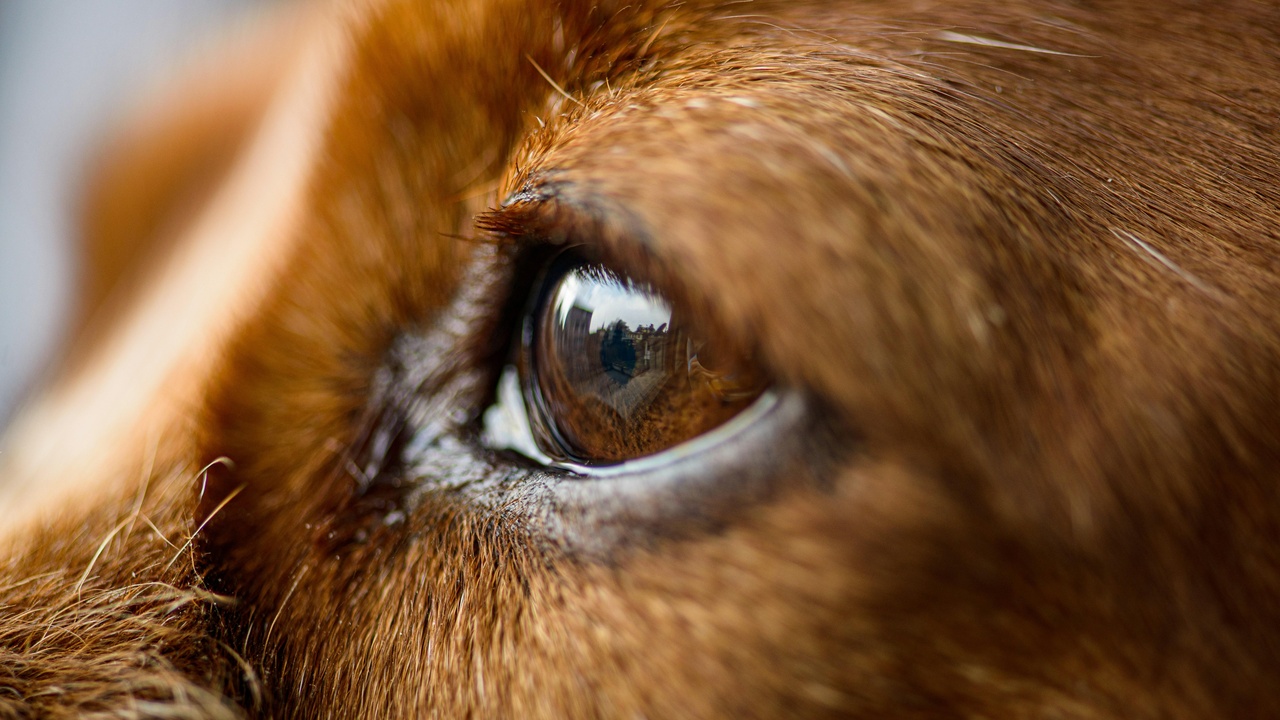
People often say dogs see only in black and white. The truth is subtler: domestic dogs (Canis familiaris) are dichromats, meaning they have two types of cone photoreceptors versus humans’ three.
Behavioral discrimination tests and veterinary ophthalmology show dogs distinguish blues and yellows well but have reduced sensitivity to reds and greens. That biological fact (two cone types compared with three in humans) has practical value: trainers and toy-makers should favor high-contrast blue or yellow toys, especially on green grass.
Laboratory studies using choice tasks confirm dogs can learn color-based cues, so calling them “colorblind” misleads owners about enrichment and visibility choices during walks or fetch sessions.
2. Myth: Ostriches bury their heads in the sand
This old folktale likely arose from observing an ostrich lowering its head into a shallow nest scrape. In reality, ostriches do not bury their heads to hide; they bend low to turn eggs, tend chicks, or lie flat to reduce their silhouette.
Field observations and zoo notes describe communal nesting scrapes and clutches averaging about 10–12 eggs. Counterintuitively, adult ostriches are fast runners—up to roughly 70 km/h—so “avoidance” behavior looks very different from helplessness.
Misperceiving ostriches can lead to needless fear or poor handling around nests. Wildlife educators who correct this myth improve public respect for these large birds and reduce unsafe interactions.
3. Myth: Wolves are lone predators by nature
Hollywood often portrays wolves as solitary killers, but wolves are social carnivores that live in family-based packs with cooperative hunting, territory defense and parental care.
Classic field studies and recent work—especially observations after the Yellowstone reintroduction beginning in 1995—document pack sizes commonly ranging from about 5 to 11 individuals, depending on prey density and region. Packs coordinate hunts and share pup-rearing duties.
Misreading wolf social ecology affects policy debates: treating wolves as isolated nuisances can lead to misguided lethal control, while recognizing pack dynamics supports targeted management and healthier ecosystems.
4. Myth: Birds are simply feathered automatons without problem-solving skills
That stereotype underestimates entire bird orders. Corvids and parrots show sophisticated cognition—New Caledonian crows manufacture hooked tools and use sequential tool sets in the wild.
Researchers have documented tool use in dozens of bird species and complex caching behavior in scrub jays that suggests episodic-like memory. Those concrete examples change how zoos and owners approach enrichment and indicate birds deserve nuanced welfare consideration.
Underestimating bird intelligence can lower funding for habitat protection and produce inadequate captive environments that neglect cognitive needs.
Misunderstandings about Animal Intelligence and Emotion
5. Myth: Fish don’t feel pain
For decades anglers and cooks treated fish as unlikely to experience pain. Experimental work from the mid-2000s onward, including studies by Victoria Braithwaite and colleagues, challenged that idea.
Many species—trout and carp among them—show behavioral avoidance, altered feeding and increased stress hormones after noxious stimuli, consistent with nociception and affective responses. Multiple lab and field studies across several species point to legitimate welfare concerns.
Those findings have practical effects: catch-and-release technique recommendations, humane slaughter methods, and legal recognition of fish welfare in some countries now reflect this evidence.
6. Myth: Only primates and a few mammals are capable of tool use or culture
Tool use and socially transmitted traditions appear across taxa. New Caledonian crows craft tools; bottlenose dolphins in Shark Bay use marine sponges as foraging tools; and octopus populations have been observed carrying coconut shells for shelter (field notes published around 2009).
“Culture” in animals is defined as behavior patterns maintained by social learning, not human-like institutions. Documenting these behaviors in birds, cephalopods, and marine mammals expands how we design enrichment and prioritise research questions.
7. Myth: Animals are either ‘smart’ or ‘dumb’ with no nuance
Intelligence is domain-specific: animals excel at tasks tied to survival for their species. Pigeons navigate across continents, sharks detect electric fields, and dogs boast an estimated ~220 million olfactory receptors compared with roughly 5 million in humans.
Labeling species as “dumb” misses these specializations and can skew research funding and public support. A more useful approach describes strengths and limits relevant to ecology, sensory biology and behavior.
Errors about Ecology, Taxonomy, and Physiology
8. Myth: Bats are blind
“Blind as a bat” is misleading. While many microbat species rely on echolocation for navigating at night, most bats also have functional eyes and visual capabilities tuned to low-light conditions.
There are more than 1,400 described bat species worldwide with a wide range of sensory strategies. Fruit bats (Pteropodidae), for example, depend heavily on vision and smell to locate fruit, while echolocating microbats supplement vision with biosonar.
Demonizing bats fuels persecution and habitat loss, which paradoxically increases the risk of zoonotic spillover by pushing stressed animals into closer contact with people.
9. Myth: Chameleons change color to match any background
Chameleons do change color, but the drivers are primarily social signaling, thermoregulation and UV protection, not perfect background matching in every context.
Color change arises from chromatophores and layers of skin that shift pigment and structural colors. Males often adopt vivid patterns during displays; temperature can prompt darker tones for heat absorption. Species-specific limits and speed of change vary, so assuming instant camouflage is inaccurate.
For pet keepers, misreading color as simple camouflage can cause misunderstandings about stress, temperature needs or social state, leading to poorer husbandry.
10. Myth: All sharks must keep swimming to stay alive
Some dramatic films imply every shark must swim continuously. In fact, shark respiratory strategies differ across roughly 500 species.
Species like great whites and makos use ram ventilation and often swim actively, but many sharks—nurse sharks, for instance—use buccal pumping and can rest on the seafloor while ventilating their gills. Recognizing that diversity matters for aquarium care and conservation messaging.
Overgeneralizing sharks as relentless swimmers feeds sensational coverage and fear, which in turn undermines support for meaningful protections for threatened species.
Summary
- Myths simplify complex biology into neat stories, but those shortcuts often mislead more than they inform.
- Correcting widespread animal myths improves welfare and conservation outcomes—better toys for dogs, humane fishing and better habitat protection for bats and sharks.
- Real animal capabilities are frequently surprising and domain-specific, from octopus tool use to dogs’ olfactory prowess; treat each species on its own ecological terms.
- Practical next steps: read reputable sources (Smithsonian, WWF, peer-reviewed journals), choose enrichment and husbandry that match species’ senses, and support education-focused conservation groups to replace myths about zoology with accurate, useful knowledge.