Across Appalachian seams and Western basins, the landscape and rock record tell the story of ancient life turned into concentrated energy sources; knowing where these deposits occur helps make sense of regional industry and environmental trade-offs.
There are 10 Fossil Fuels, ranging from Anthracite to Sub-bituminous coal. Each entry below is organized as State,Formation age (million yrs),Common locations so you can compare where they formed, their geological age, and typical extraction areas — you’ll find that information below.
How can I use the list to compare fuels by age and region?
Look at the Formation age to gauge geological maturity and rank, check State for regulatory or market context, and use Common locations to learn about regional extraction patterns and infrastructure needs; together these columns make quick, practical comparisons possible.
What’s the practical difference between anthracite and sub-bituminous coal?
Anthracite is a higher-rank coal with more carbon, higher energy density, and fewer volatiles, while sub-bituminous coal has higher moisture and lower heat content, affecting combustion efficiency, emissions, and typical uses in power generation.
Fossil Fuels
| Name | State | Formation age (million yrs) | Common locations |
|---|---|---|---|
| Peat | solid | 0.01 | Canada, Russia, Scandinavia, Ireland |
| Lignite | solid | 10 | Germany, United States, Australia, China |
| Sub-bituminous coal | solid | 30 | United States, Russia, Australia, Indonesia |
| Bituminous coal | solid | 300 | China, India, United States, Australia, Russia |
| Anthracite | solid | 300 | United States (Pennsylvania), China, Russia, South Africa |
| Crude oil (Petroleum) | liquid | 150 | Saudi Arabia, United States, Russia, Canada, Iraq |
| Natural gas | gas | 100 | United States, Russia, Qatar, Iran, Turkmenistan |
| Oil shale | solid | 150 | Estonia, United States, Brazil, China |
| Oil sands (Tar sands/Bitumen) | solid | 100 | Canada, Venezuela, Russia, Kazakhstan |
| Methane hydrates | solid | 10 | Arctic permafrost, continental margins worldwide |
Images and Descriptions

Peat
Partially decayed plant matter accumulated in wetlands over thousands of years. Used as local fuel and horticultural soil amendment; emits CO2 and methane when burned or drained. Found in Canada, Russia, Scandinavia, Ireland; sometimes classified as early-stage fossil fuel.
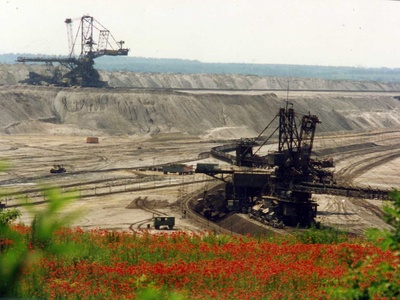
Lignite
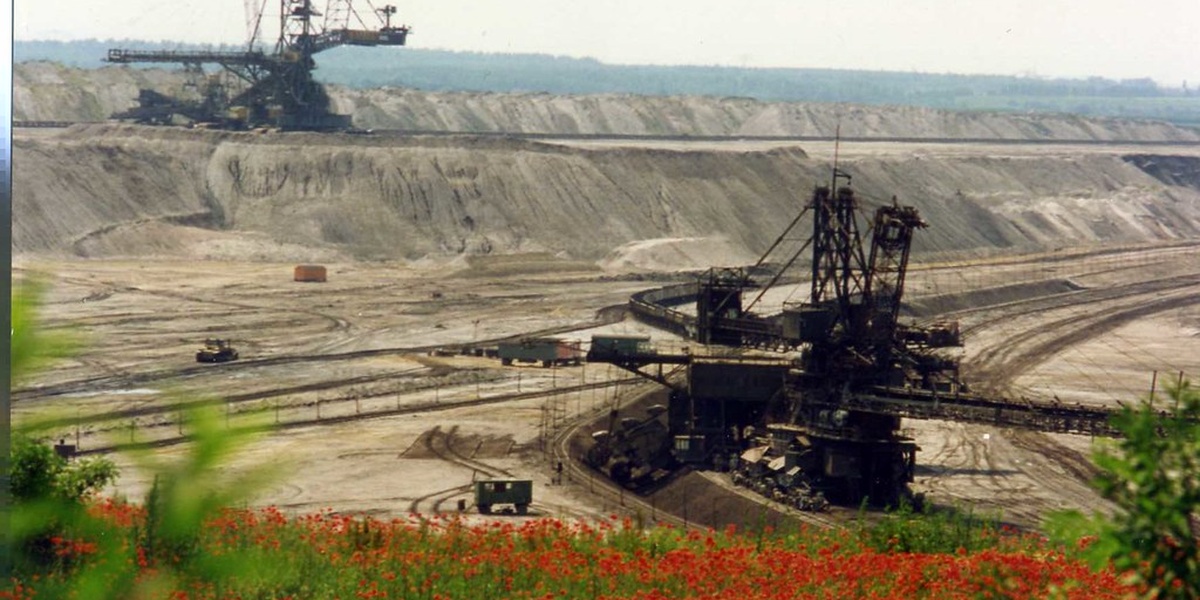
Young, low-rank coal formed from compressed peat tens of thousands to millions of years ago. Primarily used for electricity generation near mines; lower energy density and higher emissions per unit energy. Major deposits in Germany, United States, Australia, China.
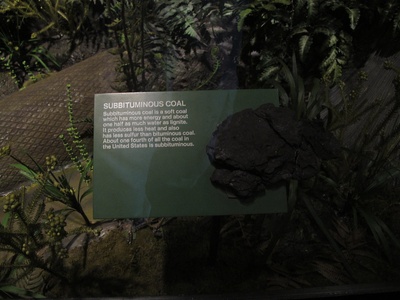
Sub-bituminous coal
Medium-rank coal with higher carbon and energy than lignite; formed over tens of millions of years under greater burial and heat. Used mainly for power generation and some metallurgy. Large producers include the United States, Russia, Australia, and Indonesia.
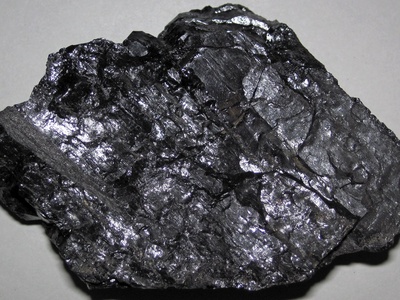
Bituminous coal
High- to mid-rank coal formed in Carboniferous and later swamp deposits hundreds of millions of years ago. Used for electricity and coking in steelmaking; emits large CO2, particulates, and mercury. Major producers: China, India, United States, Australia, Russia.
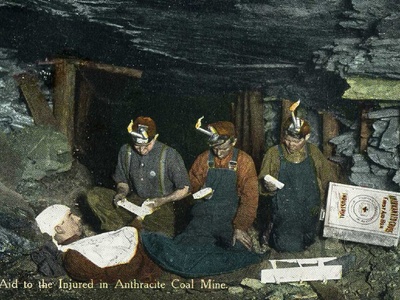
Anthracite
Highest-rank coal with high carbon content, formed by deep burial and metamorphism of bituminous coal. Burns hotter and cleaner than lower ranks; used in metallurgy and heating. Notable deposits in Pennsylvania (USA), China, Russia, and South Africa.
Crude oil (Petroleum)
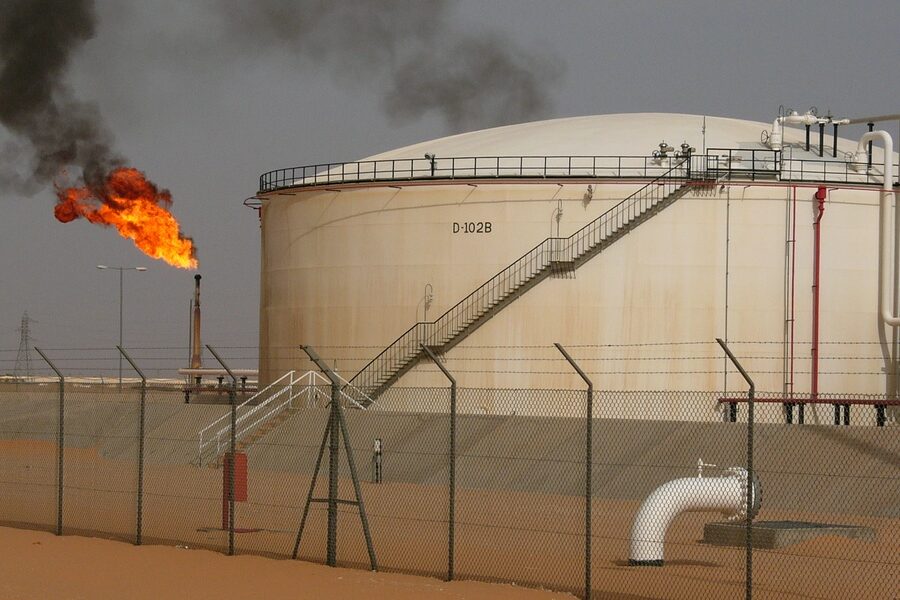
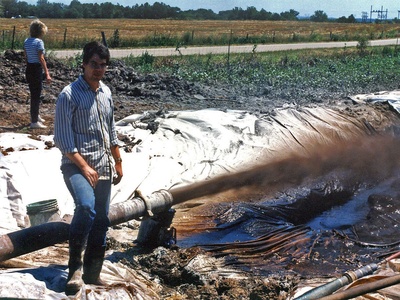
Liquid hydrocarbon mixture formed from buried marine and terrestrial organic matter transformed under heat and pressure over tens to hundreds of millions of years. Refined into fuels, plastics, lubricants; major producers include Saudi Arabia, US, Russia, Canada, and Iraq. Significant greenhouse gas and spill risks.
Natural gas
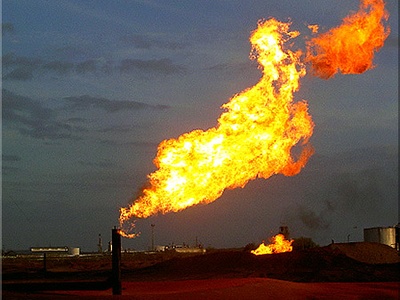
Gaseous mixture mainly of methane formed thermogenically from buried organic matter or biogenically in sediments. Used for electricity, heating, and industry; cleaner than coal per unit energy but still emits CO2 and methane. Major producers: US, Russia, Qatar, Iran, Turkmenistan.
Oil shale
Organic-rich sedimentary rock containing kerogen that yields liquid hydrocarbons when heated (retorting) or pyrolyzed; formed in lakes and marine basins over tens to hundreds of millions of years. Exploited in Estonia, Brazil, United States; extraction is energy-intensive and polluting.
Oil sands (Tar sands/Bitumen)
Mixtures of sand, clay, water, and thick bitumen formed from biodegraded oil and heavy petroleum under geologic conditions. Extracted in Canada, Venezuela, Russia via mining or steam methods; used for heavy oil production and refining, with high land disturbance and emissions.
Methane hydrates
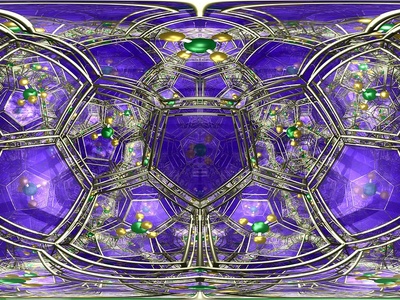
Ice-like crystalline solids of methane trapped in water lattices in permafrost and continental margins; formed from microbial and thermogenic methane over recent to geologic times. Enormous potential resources in Arctic and seabed, but extraction risks release of methane, a potent greenhouse gas.