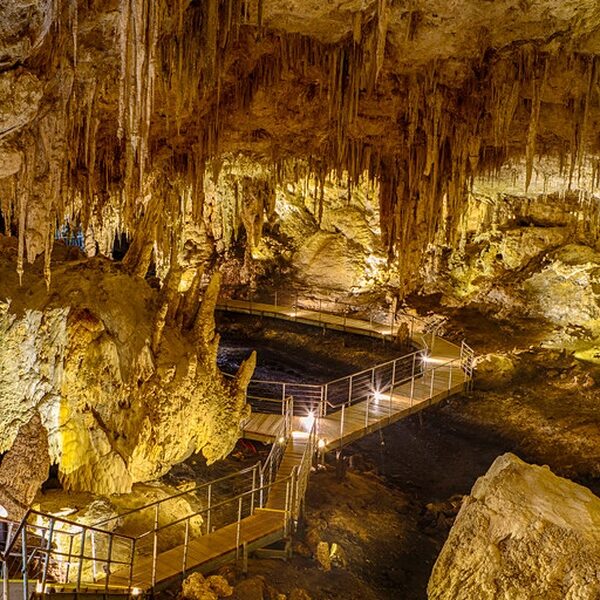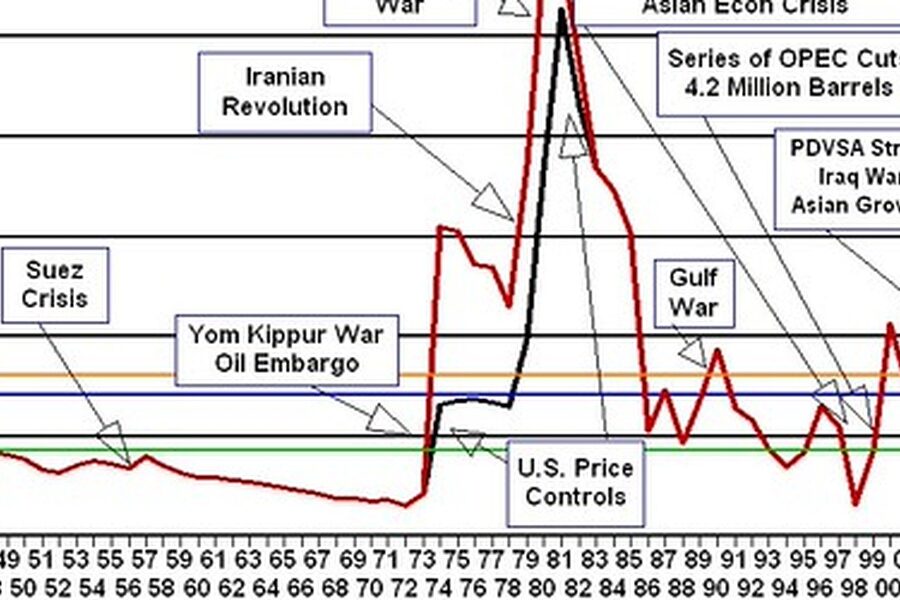
Mexico’s varied geography supports agriculture, mining and fisheries that feed local communities and drive exports. From coastal fisheries to mineral-rich mountains, natural resources shape regional economies and everyday life across the country.
There are 45 Natural Resources of Mexico, ranging from Avocado to Zinc. For each resource you’ll find below Type,Main producing states,Annual value (USD million).
How current are the “Annual value (USD million)” figures and where do they come from?
Annual values are typically drawn from recent government statistics and industry reports and may reflect different reporting years; check the source note included with each entry below for the exact year and methodology.
Can I use this list to find producers or suppliers in specific states?
Yes — use the “Main producing states” column to identify leading production regions, then contact state agricultural or mining offices, local cooperatives or export promotion agencies to locate suppliers and logistics details.
Natural Resources of Mexico
| Resource | Type | Main producing states | Annual value (USD million) |
|---|---|---|---|
| Crude oil | Energy | Campeche, Tabasco, Veracruz, Gulf of Mexico | 35,000 (2022) |
| Natural gas | Energy | Campeche, Veracruz, Tabasco, Nuevo León | 10,000 (2022) |
| Coal | Energy | Coahuila, Sonora, Oaxaca | 500 (2021) |
| Silver | Mineral | Zacatecas, Chihuahua, Durango, Guanajuato | 5,000 (2022) |
| Gold | Mineral | Sonora, Chihuahua, Guerrero, Zacatecas | 2,500 (2022) |
| Copper | Mineral | Sonora, Zacatecas, Chihuahua | 4,000 (2022) |
| Zinc | Mineral | Chihuahua, Zacatecas, Estado de Mexico | 1,200 (2022) |
| Lead | Mineral | Zacatecas, Chihuahua, Durango | 300 (2022) |
| Iron ore | Mineral | Sonora, Michoacán, Sinaloa | 200 (2021) |
| Fluorspar (fluorite) | Mineral | San Luis Potosí, Coahuila, Durango | 500 (2022) |
| Limestone | Mineral | Coahuila, Puebla, Veracruz | 2,000 (2022) |
| Gypsum | Mineral | Chihuahua, Coahuila, San Luis Potosí | 50 (2021) |
| Salt (sea and lake) | Mineral | Baja California, Guerrero, Yucatán | 200 (2022) |
| Sulfur | Mineral | Campeche, Veracruz, from oil/gas fields | 200 (2021) |
| Lithium | Mineral | Sonora, Zacatecas (emerging) | 800 (2023 est.) |
| Barite | Mineral | Chiapas, Coahuila, Veracruz | 50 (2021) |
| Pumice/volcanic rock | Mineral | Puebla, Estado de Mexico, Michoacán | 30 (2021) |
| Timber (softwood pine) | Forestry | Chiapas, Veracruz, Puebla, Durango | 1,000 (2022) |
| Tropical hardwoods (mahogany, cedro) | Forestry | Chiapas, Oaxaca, Veracruz | 100 (2022) |
| Pulpwood | Forestry | Chihuahua, Michoacán, Oaxaca | 300 (2022) |
| Corn (maize) | Agriculture | Sinaloa, Jalisco, Puebla, Veracruz | 20,000 (2022) |
| Sugarcane | Agriculture | Veracruz, Jalisco, San Luis Potosí | 5,000 (2022) |
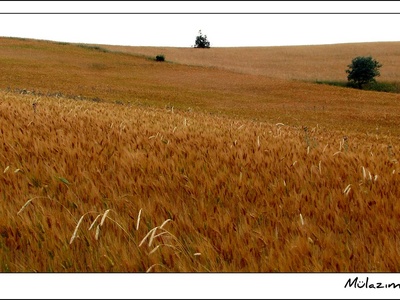
| Wheat | Agriculture | Sonora, Sinaloa, Baja California | 1,200 (2022) |
| Beans | Agriculture | Chihuahua, Sinaloa, Zacatecas | 1,000 (2022) |
| Coffee | Agriculture | Chiapas, Veracruz, Oaxaca | 1,400 (2022) |
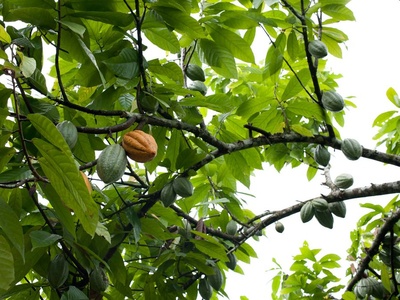
| Cacao | Agriculture | Tabasco, Chiapas, Guerrero | 200 (2022) |
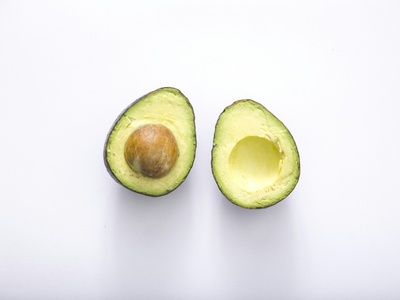
| Avocado | Agriculture | Michoacán, Jalisco, State of Mexico | 4,000 (2022) |
| Tomato | Agriculture | Sinaloa, San Luis Potosí, Baja California | 2,500 (2022) |
| Citrus (oranges, lemons) | Agriculture | Veracruz, Tamaulipas, Michoacán | 2,000 (2022) |
| Mango | Agriculture | Sinaloa, Nayarit, Chiapas | 800 (2022) |
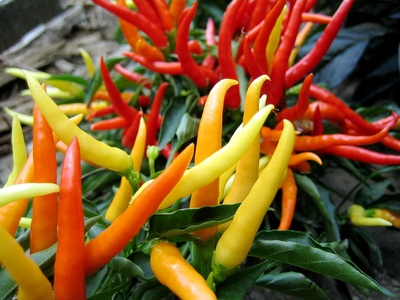
| Chili peppers | Agriculture | Chihuahua, Sinaloa, Colima | 900 (2022) |
| Potato | Agriculture | Sinaloa, State of Mexico, Puebla | 800 (2022) |
| Beef (cattle) | Agriculture | Jalisco, Veracruz, Chiapas, Nuevo León | 6,000 (2022) |
| Pork | Agriculture | Jalisco, Sonora, Puebla | 4,000 (2022) |
| Poultry | Agriculture | Jalisco, Veracruz, Sonora | 7,000 (2022) |
| Shrimp (wild & farmed) | Fishery | Sinaloa, Sonora, Tamaulipas | 1,200 (2022) |
| Tuna | Fishery | Sinaloa, Oaxaca, Veracruz | 500 (2022) |
| Sardine | Fishery | Baja California, Sinaloa | 300 (2022) |
| Tilapia (aquaculture) | Fishery | Estado de México, Chiapas, Tabasco | 350 (2022) |
| Lobster | Fishery | Baja California Sur, Sinaloa, Veracruz | 150 (2022) |
| Freshwater (surface + aquifers) | Water | Lerma-Chapala, Valley of Mexico, Balsas basins | 15,000 (2022 est.) |
| Hydropower (generation) | Renewable | Chiapas, Veracruz, Oaxaca | 2,000 (2022) |
| Geothermal (resource & generation) | Renewable | Jalisco, Baja California, Michoacán | 600 (2022) |
| Wind energy (resource) | Renewable | Oaxaca, Tamaulipas, Baja California | 1,500 (2022) |
| Solar resource (PV generation) | Renewable | Sonora, Chihuahua, Baja California | 1,000 (2022) |
Images and Descriptions
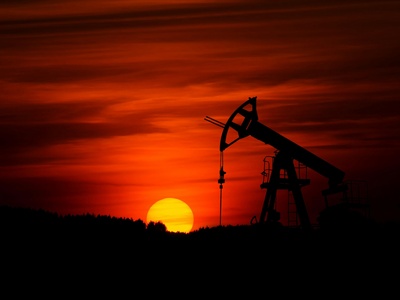
Crude oil
Mexico’s offshore and onshore crude (2022) drives export revenue and fuels refineries; major uses are transport and petrochemicals. Declining output raises budget concerns and ecosystem risks from spills in the Gulf.
Natural gas
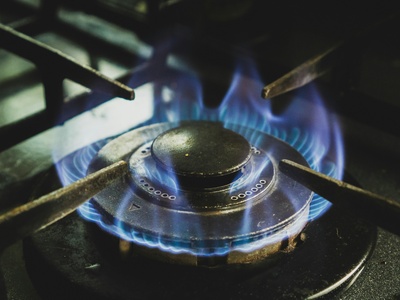
Natural gas (2022) supplies power plants, industry and heating. Production supports domestic energy but pipeline/production growth pressures local environments; imports and infrastructure shape economic value.
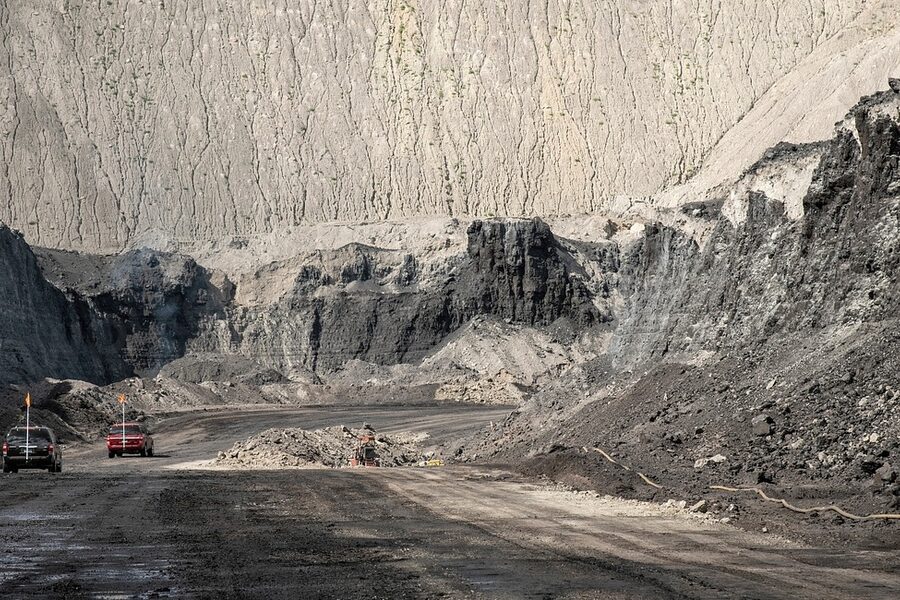
Coal
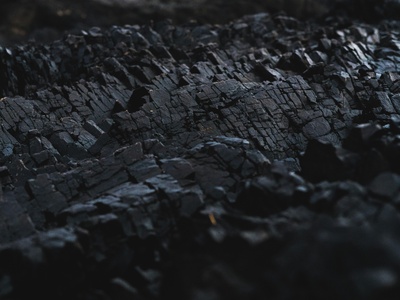
Thermal coal from northern basins (2021) fuels power plants and industry. Production is modest by global standards and associated with air pollution and land impacts in mining regions.

Silver
Mexico is a top global silver producer (2022); used in electronics, jewelry and solar panels. Mining supports regional economies but raises water contamination and tailings management concerns.

Gold
Gold production (2022) is valuable for exports, jewelry and investment. Mining generates high local revenue but can cause habitat loss and water quality issues if poorly managed.

Copper
Copper (2022) is key for electrical wiring and renewable technologies. Large deposits, especially in Sonora, attract investment but open-pit mining can drive land disturbance and water use conflicts.

Zinc
Zinc is used in galvanizing and alloys; Mexico produces significant concentrates (2022). Mining supports manufacturing but requires careful tailings and soil contamination control.
Lead
Lead from Mexican mines (2022) serves batteries and alloys. Legacy lead contamination and health risks in mining communities are ongoing environmental concerns.
Iron ore
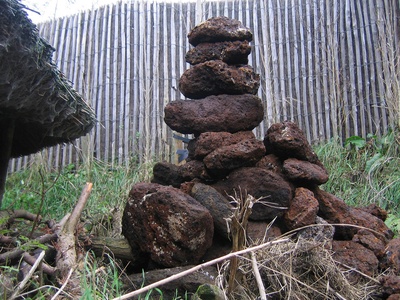
Iron ore supports domestic steelmaking and construction (2021). Mexico’s iron output is modest; mining and processing impact landscapes and local water resources.
Fluorspar (fluorite)
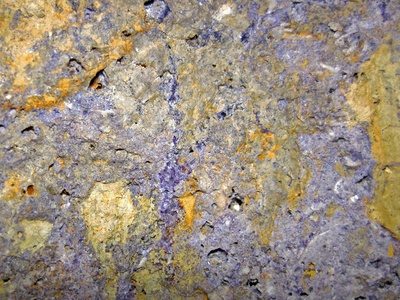
Fluorspar (2022) is used in aluminum smelting and chemicals. Mexico is a notable supplier; mining sites need management to prevent dust and water pollution.
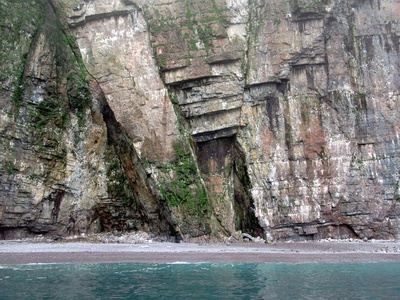
Limestone
Limestone (2022) feeds the cement industry and construction. High extraction volumes drive infrastructure growth while raising concerns about quarrying impacts on landscapes and karst aquifers.

Gypsum
Gypsum is used in construction plaster and cement (2021). Local deposits support building materials but quarrying alters habitats and dust can affect air quality.
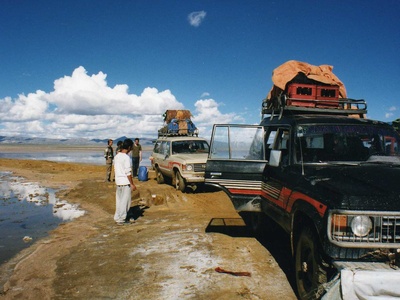
Salt (sea and lake)
Sea and evaporated salt (2022) supply food-grade and industrial salt. Coastal saltworks are economically important but can alter coastal wetlands and migratory bird habitat.
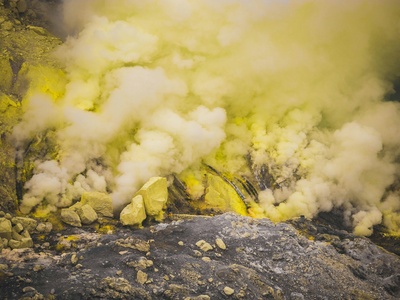
Sulfur
Sulfur recovered from hydrocarbons (2021) is used in fertilizers and chemicals. Its value links to oil/gas activity; storage and handling pose environmental risks.

Lithium
Sonora hosts large lithium brine/rock projects (2023 estimate). Lithium is critical for batteries and EVs; development promises jobs but raises water-use and community concerns.
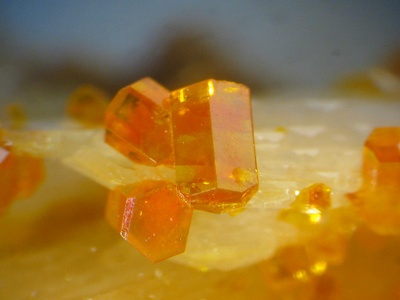
Barite
Barite (2021) is used as drilling mud in oil and gas extraction. Mexican deposits supply regional industry; mining footprint and dust control are environmental issues.
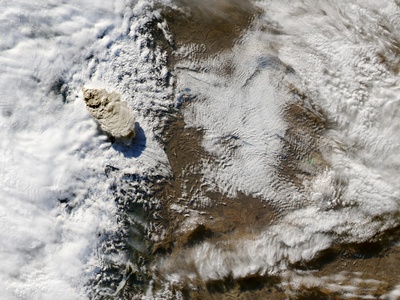
Pumice/volcanic rock
Pumice supports construction and horticulture (2021). Local volcanic deposits are quarried; extraction impacts scenic and fragile volcanic landscapes.
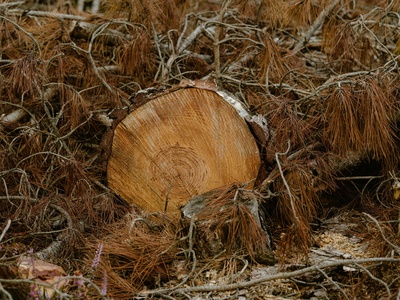
Timber (softwood pine)
Pine timber (2022) supplies sawnwood and construction. Forestry provides rural income but illegal logging and deforestation threaten biodiversity and carbon stocks.
Tropical hardwoods (mahogany, cedro)
High-value tropical hardwoods (2022) are used in furniture and export. Overharvest has historically depleted stocks; sustainable management and certification are growing concerns.
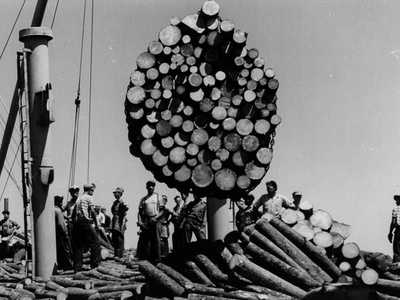
Pulpwood
Pulpwood feeds paper and fiberboard mills (2022). Plantation and native forest harvesting supply industry, with sustainability and water-use considerations.
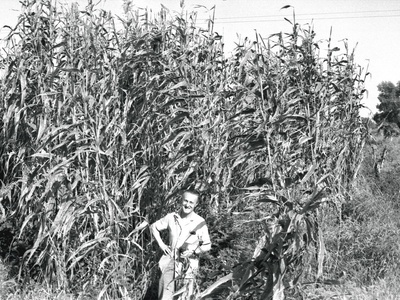
Corn (maize)
Maize is Mexico’s staple crop (2022); used for food, feed and tortillas. Economically central and culturally important, yet yields and climate change pressures affect smallholders.

Sugarcane
Sugarcane (2022) supplies sugar, ethanol and industrial alcohol. Large plantations support regional jobs but can drive water use and agrochemical runoff.
Wheat
Wheat (2022) is grown mostly in the northwest for domestic milling and baking. Production faces water constraints and competition with imports.

Beans
Beans are a dietary staple (2022) with regional production supplying domestic markets. Crop variability affects food security and prices for low-income families.

Coffee
Specialty and commercial coffee (2022) drive export revenue and rural livelihoods. Climate change, pests and price volatility threaten small producers.
Cacao
Cacao (2022) supplies chocolate markets and specialty exports. Smallholder cultivation supports rural economies but faces disease and deforestation pressures.
Avocado
Avocado exports and domestic sales (2022) make Mexico a global leader. High value crops drive incomes but raise concerns about deforestation, water use and organized-crime impacts.

Tomato
Fresh and processed tomatoes (2022) are major exports and domestic staples. Intensive production raises issues of water use, pesticide management and labor conditions.

Citrus (oranges, lemons)
Citrus fruits (2022) supply juices and fresh markets. Citrus greening and pests threaten yields, while plantations support rural employment.

Mango
Mango (2022) is a key tropical export crop. Niche variety exports fetch premiums but require cold-chain logistics and can compete with local water resources.
Chili peppers
Chiles (2022) are culturally central and exported fresh/dried. Diverse varieties support food industries; production can be labor-intensive with pest pressures.
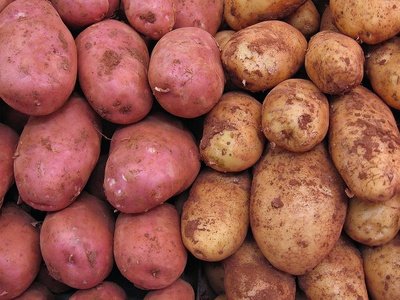
Potato
Potatoes (2022) supply domestic markets and processing. Irrigated production is concentrated in key valleys; diseases and market fluctuations affect farmers.
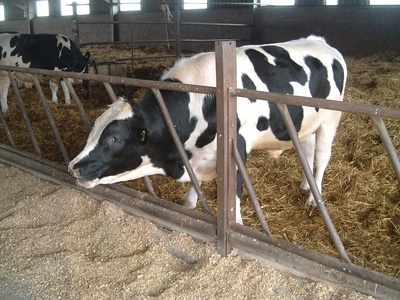
Beef (cattle)
Beef production (2022) supplies domestic consumption and some exports. Cattle ranching shapes landscapes, linked to deforestation and greenhouse-gas emissions.
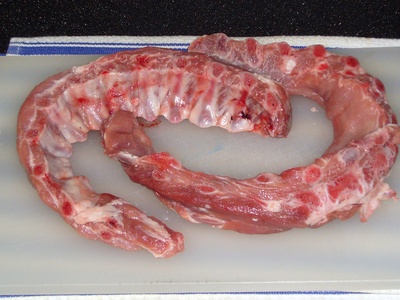
Pork
Pork production (2022) is an important protein source and export product. Intensification raises waste management and antibiotic-use concerns.
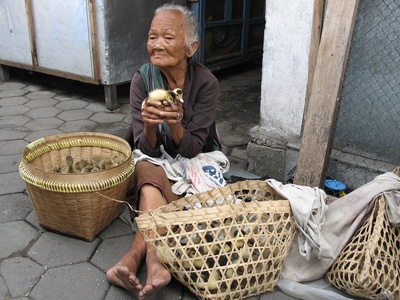
Poultry
Poultry (2022) is Mexico’s top animal protein industry by volume and value. Large-scale operations drive efficiency but create concentrated waste and disease risks.
Shrimp (wild & farmed)
Shrimp (2022) is a high-value export from wild capture and aquaculture. Mangrove conversion for farms and overfishing raise ecological and community concerns.
Tuna
Tuna fisheries (2022) supply canned and fresh markets. International demand supports coastal communities; tuna stocks and bycatch issues require sustainable management.
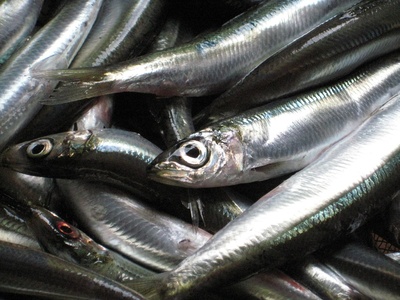
Sardine
Sardine (2022) is a staple for canning and feed. Populations are variable; stock collapses in past decades highlight the need for scientific management.
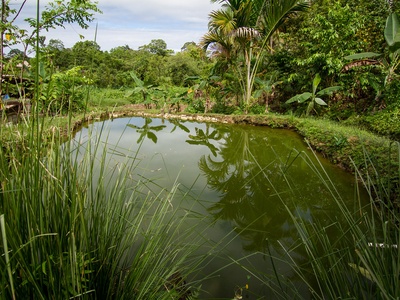
Tilapia (aquaculture)
Farmed tilapia (2022) provides affordable protein and local employment. Aquaculture expansion requires attention to effluents, genetics and disease control.
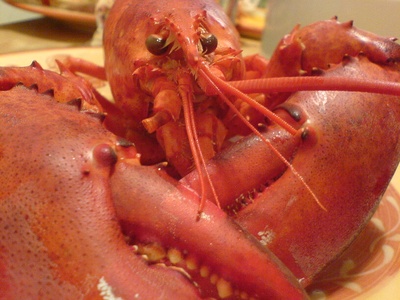
Lobster
Spiny lobster (2022) is a lucrative export caught by artisanal fleets. Overfishing risks and reef impacts necessitate strict seasonal management.
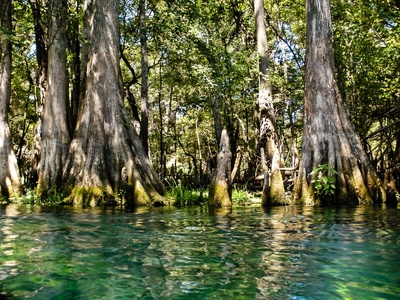
Freshwater (surface + aquifers)
Surface and groundwater (2022 est.) are vital for agriculture, cities and ecosystems. Overextraction, contamination, and unequal access are pressing economic and environmental challenges.
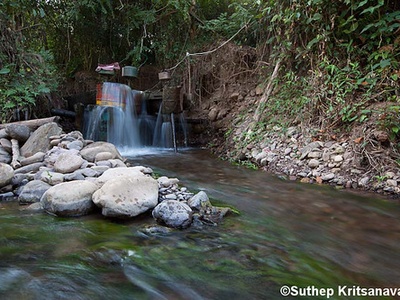
Hydropower (generation)
Hydropower plants (2022) provide renewable electricity and flood control. Dams supply baseload power but alter river ecosystems and displace communities.
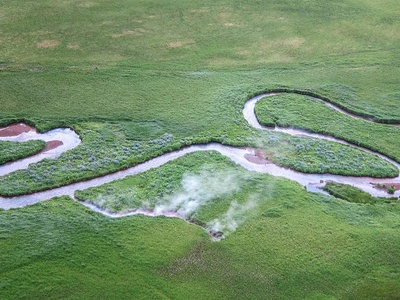
Geothermal (resource & generation)
Geothermal plants (2022) tap Mexico’s volcanic heat for stable renewable power. Sites like Baja California offer low-carbon energy, though localized land and water impacts occur.
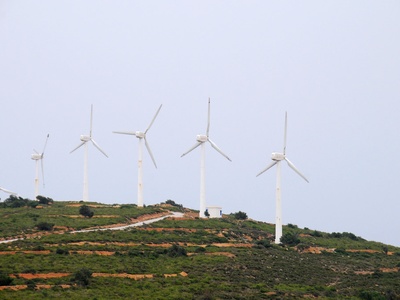
Wind energy (resource)
Mexico’s wind farms (2022) generate clean power, with Oaxaca a flagship region. Local benefits can conflict with land use and community consultation needs.
Solar resource (PV generation)
High solar irradiation (2022) drives growing PV projects for distributed and utility-scale electricity. Solar reduces emissions but raises land-use planning issues in arid zones.