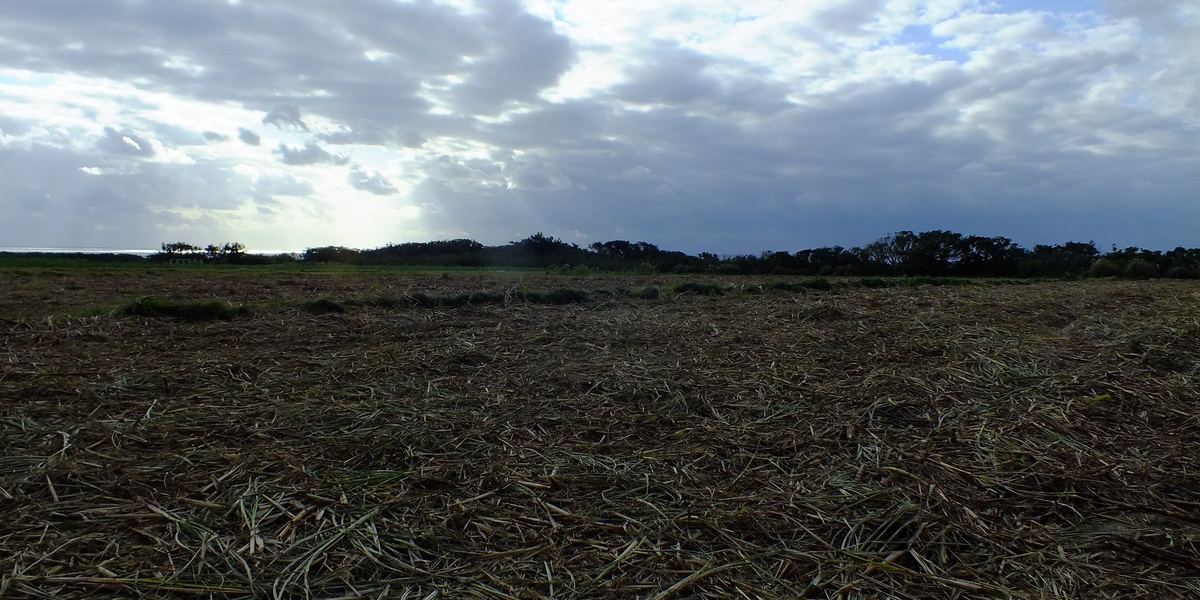
Cuba’s mix of coastal waters, fertile plains and mineral-rich hills supports a wide range of materials and energy opportunities that shape local livelihoods and national policy. From small-scale fisheries to state-run mining and growing renewables interest, the island’s resources matter for households and markets alike.
There are 48 Natural Resources of Cuba, ranging from Aquaculture (shrimp,fish) to Wind energy potential. For each entry you’ll find below the data organized as Category,Primary locations,Typical annual production (unit),Description (30-50 words) so you can quickly compare where things are produced, how much, and what they mean locally — you’ll find below.
Which Cuban resources drive most exports and local jobs?
Sugar, nickel, tobacco and aquaculture (shrimp, fish) have historically been export and employment drivers, while nickel and pharmaceuticals bring significant foreign revenue; agriculture and small-scale fisheries support rural incomes. Look at Category and Typical annual production (unit) in the table below to see export scale versus local use.
How reliable and recent are the production figures in the list?
The figures combine official reports and recent estimates; many seasonal or artisanal outputs (fisheries, small-scale agriculture) vary year-to-year. Use the Primary locations and Typical annual production (unit) columns as starting points, and check local sources for the latest seasonal updates.
Natural Resources of Cuba
| Name | Category | Primary locations | Typical annual production (unit) | Description (30-50 words) |
|---|---|---|---|---|
| Nickel | Mineral | Holguín,Moa,Guantánamo | 40,000.00 t (Ni/year) | Nickel is Cuba’s largest metallic resource, concentrated in Moa and Holguán laterite deposits. Recent production is about 40,000 tonnes of contained nickel annually; economically vital for exports and local industry (USGS, Cuban ONEI). Environmental mining impacts are significant. |
| Cobalt | Mineral | Moa,Holguín,Guantánamo | 2,000.00 t (Co/year) | Cobalt occurs with Cuban nickel laterites near Moa and Holguín. Annual cobalt output is roughly 2,000 tonnes, a valuable byproduct for batteries and alloys (USGS). It boosts export revenues but raises ecological and health concerns near mines. |
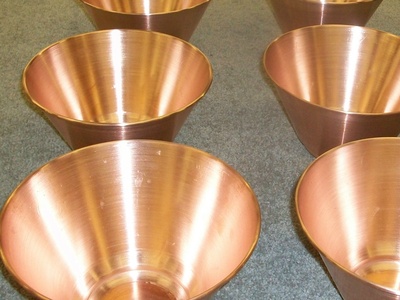
| Copper | Mineral | Sierra Maestra province, eastern mines | 3,000.00 t (Cu/year) | Copper appears in small to medium deposits tied to eastern mountain geology. Annual production is modest, around 3,000 tonnes of contained copper; used domestically and occasionally exported (USGS, Cuban geological surveys). |
| Iron ore | Mineral | Guantánamo,Santiago de Cuba | 150,000.00 t (ore/year) | Small iron ore deposits exist in eastern Cuba. Typical local mining produces near 150,000 tonnes of ore annually, mainly for local steelmaking feedstocks and construction aggregates (Cuban geological sources). |
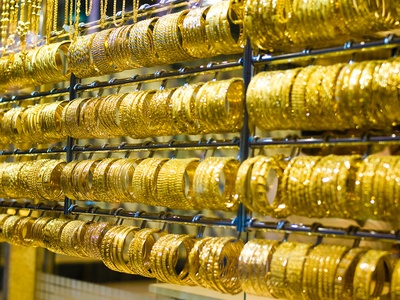
| Gold | Mineral | Sierra Maestra,Holguín | 1.50 t (Au/year) | Gold occurs in quartz veins and alluvial deposits in the Sierra Maestra and eastern provinces. Annual production is small — about 1.5 tonnes — but important for mining revenues and artisanal miners (USGS, Cuban Ministry). |
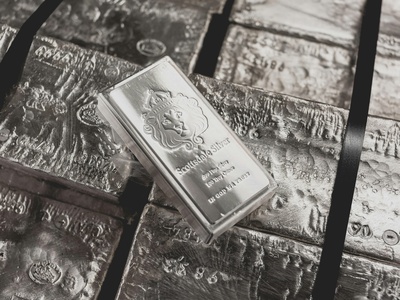
| Silver | Mineral | Eastern mines (associated with gold) | 30.00 t (Ag/year) | Silver is produced as a byproduct of gold and base-metal mining primarily in eastern deposits. Annual output is about 30 tonnes, a small but valuable metallic resource (USGS). |
| Manganese | Mineral | Eastern Cuba pockets | 500.00 t (Mn/year) | Manganese is present in limited deposits and is mined at small scale — roughly 500 tonnes yearly — for alloy and chemical uses, with limited export significance (Cuban geological reports). |
| Limestone | Industrial mineral | Nationwide (central provinces) | 4,000,000.00 t (limestone/year) | Extensive limestone supports cement and construction industries across central and western Cuba. Typical production is about 4,000,000 tonnes annually, vital for domestic infrastructure and building material supply (ONEI, industry reports). |
| Gypsum | Industrial mineral | Matanzas,western provinces | 200,000.00 t (gypsum/year) | Gypsum deposits are quarried for cement and plaster in western provinces, with roughly 200,000 tonnes produced yearly. It supports construction material manufacture (Cuban mining statistics). |
| Kaolinite (china clay) | Industrial mineral | Central provinces,Isla de la Juventud | 100,000.00 t (kaolin/year) | Kaolin and clays occur in central provinces and Isla de la Juventud. Annual output near 100,000 tonnes feeds ceramics, paper, and cement industries (FAO, Cuban mineral stats). |
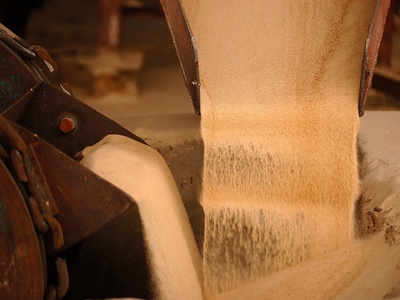
| Silica sand | Industrial mineral | Coastal dunes,central areas | 500,000.00 t (sand/year) | High-quality silica sand is used in glass, foundry, and construction. Cuba mines roughly 500,000 tonnes yearly from coastal and inland deposits (Cuban mining data). |
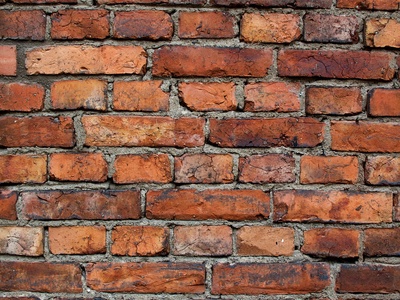
| Clay (brick/clay) | Industrial mineral | Nationwide local deposits | 150,000.00 t (clay/year) | Various clays support brick, tile, and pottery production across the island. Annual extraction is about 150,000 tonnes, important for local construction and crafts (ONEI). |
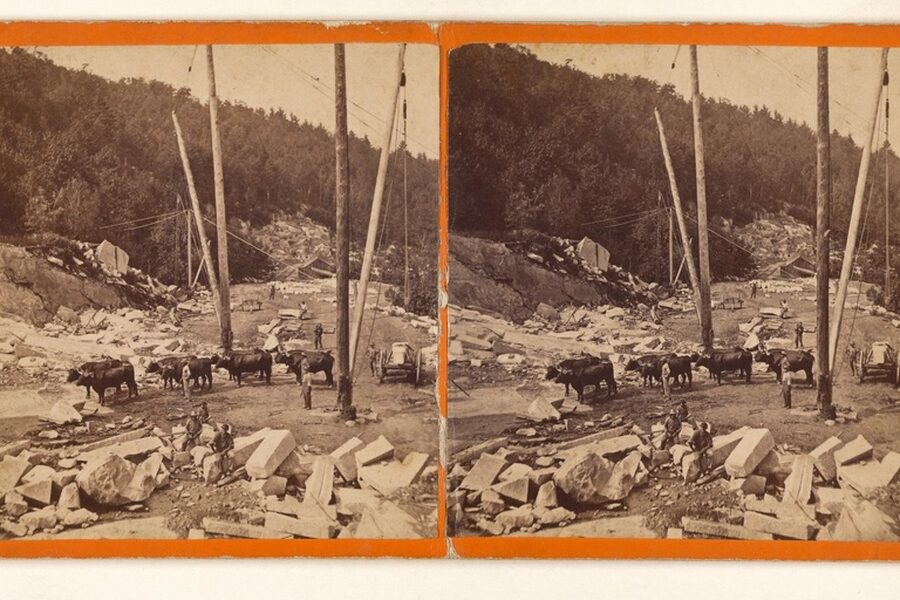
| Marble and decorative stone | Industrial mineral | Central to eastern outcrops | 20,000.00 t (stone/year) | Marble and decorative stones are quarried on a small scale for local construction and exports, approximately 20,000 tonnes per year, prized for architecture and tourism projects (Cuban geological surveys). |
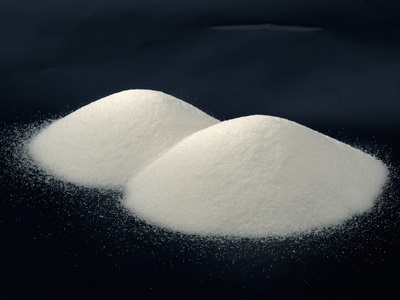
| Salt (sea salt) | Mineral/agricultural | Camagüey,Las Tunas,Isla de la Juventud | 150,000.00 t (salt/year) | Sea salt is produced by evaporation in coastal flats, with annual output near 150,000 tonnes. It supplies local consumption, food processing and limited export (FAO, ONEI). |
| Limestone aggregate/gravel | Industrial mineral | Nationwide quarries | 1,200,000.00 t (aggregate/year) | Crushed limestone and gravel for road and building construction are produced at about 1,200,000 tonnes yearly, fundamental to infrastructure and urban development (Cuban industry reports). |
| Crushed stone for cement | Industrial mineral | Western and central quarries | 800,000.00 t (stone/year) | Crushed rock supports cement plants and construction; typical production is roughly 800,000 tonnes per year, essential to domestic building supply chains (ONEI). |
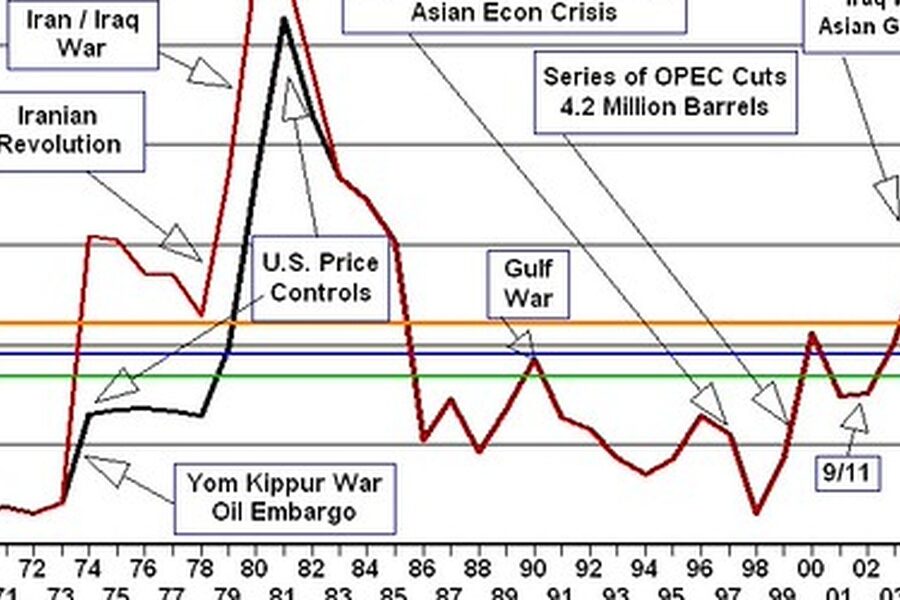
| Oil (crude) | Energy | Camagüey,Bay of Havana,onshore/offshore | 18,250,000.00 bbl (crude/year) | Cuba produces crude oil from onshore and some offshore fields, roughly 18,250,000 barrels annually (~50,000 bbl/d historically). Oil is strategic for domestic energy and import substitution (EIA, Cuban oil ministry). |
| Natural gas | Energy | Onshore fields,offshore prospects | 0.50 Gm3 (gas/year) | Natural gas production is small, on the order of 0.50 billion m3 annually from onshore wells, with offshore exploration ongoing; gas supplements power generation and industry (EIA, Cuban energy reports). |
| Hydropower | Energy | Sierra Maestra,Ciego de Ávila | 1,200.00 GWh (electricity/year) | Hydropower plants contribute renewable electricity (about 1,200 GWh/year), located mainly in mountainous and central provinces. They reduce fossil fuel use and support rural grids (World Bank, Cuban energy data). |
| Biomass (sugarcane bagasse) | Energy/agricultural | Nationwide sugar regions | 2,000,000.00 t (bagasse/year) | Sugarcane generates large quantities of bagasse used for heat and bio-power. Around 2,000,000 tonnes of bagasse per year supply boilers and cogeneration, linking agriculture and energy (FAO, Cuban sugar ministry). |
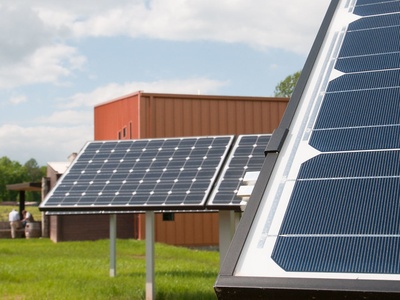
| Solar energy potential | Energy resource | Nationwide rooftop and solar zones | 50.00 GWh (installed annual generation estimate) | Solar PV capacity is growing; modest existing generation around 50 GWh/year from distributed and utility panels, with large untapped potential for diversification (World Bank,Cuban energy plans). |
| Wind energy potential | Energy resource | Coastal provinces,Guantánamo | 100.00 GWh (potential/early generation) | Wind resources along coasts and eastern provinces offer potential; early installations generate tens of GWh annually, expanding renewable shares (Cuban energy studies). |
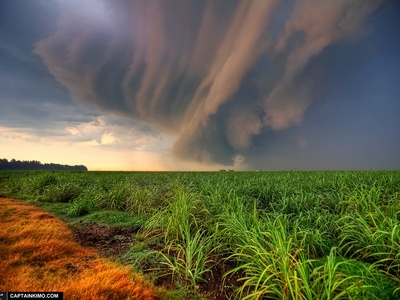
| Sugarcane | Agricultural | Villa Clara,Matanzas,Las Tunas | 4,500,000.00 t (sugarcane/year) | Sugarcane remains a major crop though reduced from historical peaks. Approximately 4,500,000 tonnes of cane are harvested yearly, feeding sugar, rum, and bioenergy sectors (FAO, ONEI). |
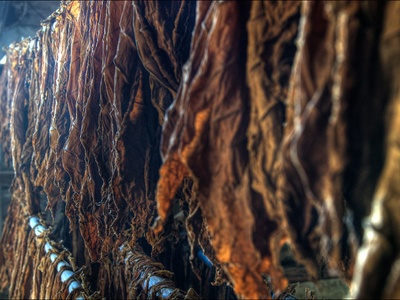
| Tobacco (leaf) | Agricultural | Pinar del Río,Vuelta Abajo | 20,000.00 t (tobacco leaf/year) | Cuban tobacco for premium cigars is concentrated in Pinar del Río (Vuelta Abajo). Annual leaf production is about 20,000 tonnes, a cultural and high-value export crop (FAO,Cuban agriculture ministry). |
| Coffee | Agricultural | Sierra Maestra,Santiago de Cuba | 4,000.00 t (green coffee/year) | Coffee grows in mountain areas like the Sierra Maestra. Cuba produces roughly 4,000 tonnes of green coffee annually, mainly for domestic use and specialty export markets (FAO). |
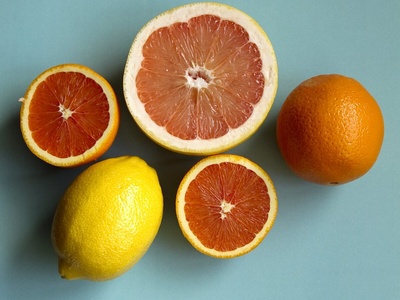
| Citrus (oranges,grapefruits) | Agricultural | Camagüey,Matanzas,Las Tunas | 350,000.00 t (fruit/year) | Citrus orchards in central and eastern provinces yield about 350,000 tonnes yearly, supplying fresh fruit, juices, and processing industries (FAO, ONEI). |
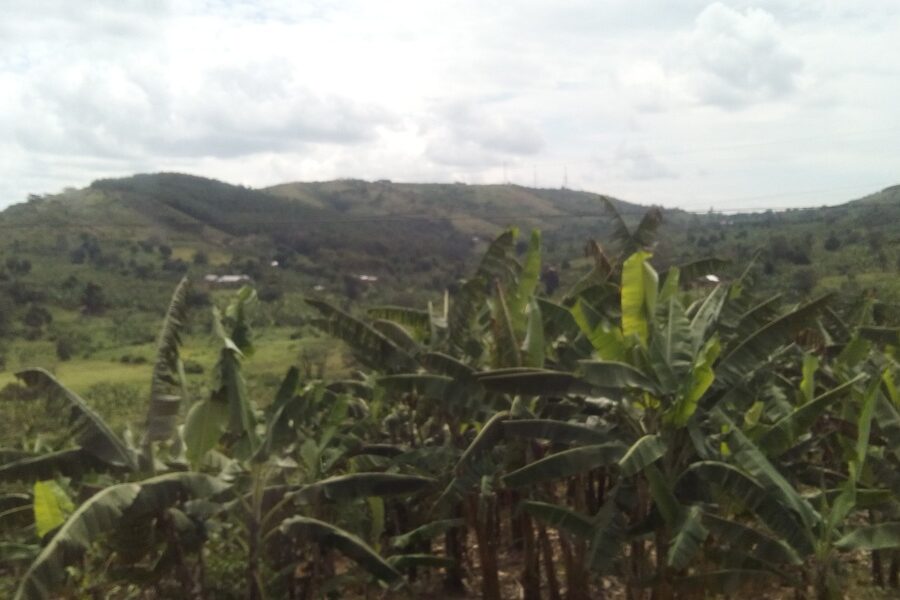
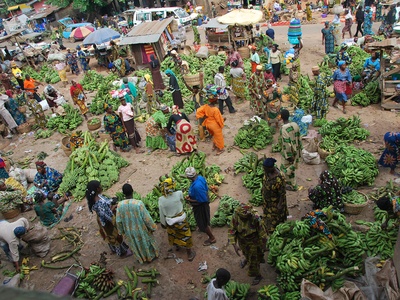
| Bananas and plantains | Agricultural | Holguín,Guantánamo,Matanzas | 300,000.00 t (fruit/year) | Bananas and plantains are staple fruits with roughly 300,000 tonnes produced annually across lowland provinces, important for food security and local markets (FAO). |
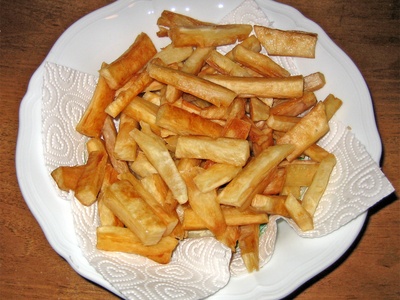
| Cassava (yuca) | Agricultural | Nationwide (rural zones) | 1,200,000.00 t (root/year) | Cassava is a resilient root crop producing around 1,200,000 tonnes yearly. It supports household diets, animal feed and local processing (FAO, Cuban agriculture data). |
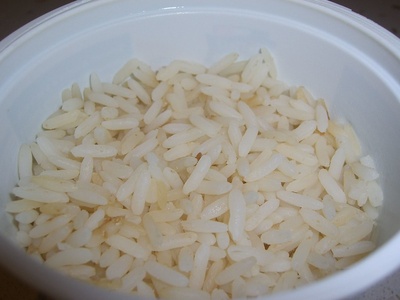
| Rice | Agricultural | Arrozales in western/central provinces | 400,000.00 t (paddy/year) | Rice production in irrigated plains yields roughly 400,000 tonnes of paddy rice yearly, central to Cuban staple diets and rural economies (FAO, ONEI). |
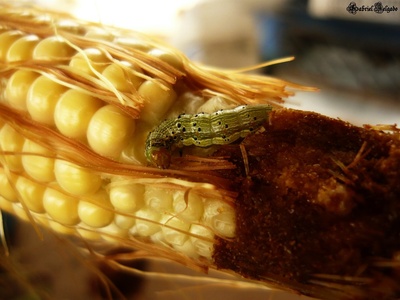
| Maize (corn) | Agricultural | Nationwide fields | 500,000.00 t (grain/year) | Maize is widely grown for human food and livestock feed, producing about 500,000 tonnes annually and supporting domestic food supply chains (FAO). |
| Beans (pulses) | Agricultural | Central and eastern provinces | 60,000.00 t (beans/year) | Various pulses, including black and red beans, yield about 60,000 tonnes per year, crucial for protein in Cuban diets and smallholder incomes (FAO). |
| Potatoes | Agricultural | Pinar del Río,Artemisa | 250,000.00 t (tuber/year) | Potato production near western provinces produces roughly 250,000 tonnes yearly, important for domestic consumption and short-season cropping systems (FAO). |
| Cattle (beef and dairy) | Livestock | Nationwide ranches | 150,000.00 t (beef/year) | Cattle herds produce around 150,000 tonnes of beef annually; dairy yields are separate. Livestock is culturally and economically important but productivity remains constrained (FAO, ONEI). |
| Poultry meat | Livestock | Nationwide farms | 200,000.00 t (meat/year) | Poultry production supplies a major share of domestic meat, with roughly 200,000 tonnes of poultry meat annually, important for food security (FAO). |
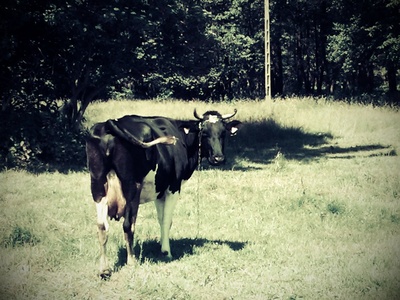
| Milk (raw) | Livestock | Nationwide dairy regions | 600,000.00 t (milk/year) | Milk production is about 600,000 tonnes annually, providing dairy products for domestic consumption; herd productivity improvements are policy priorities (FAO, Cuban agriculture statistics). |
| Shrimp (wild + farmed) | Marine | Camagüey,Las Tunas,coastal waters | 3,000.00 t (shrimp/year) | Shrimp fisheries and limited aquaculture yield roughly 3,000 tonnes yearly, an export and domestic seafood product concentrated in coastal provinces (FAO fisheries data). |
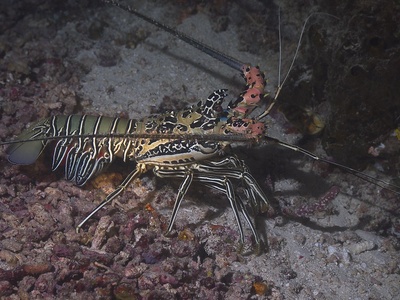
| Spiny lobster | Marine | Archipelago and coastal reefs | 1,500.00 t (lobster/year) | Spiny lobster (Panulirus argus) is a high-value fishery supplying export markets; annual catches around 1,500 tonnes, supporting coastal livelihoods and tourism (FAO). |
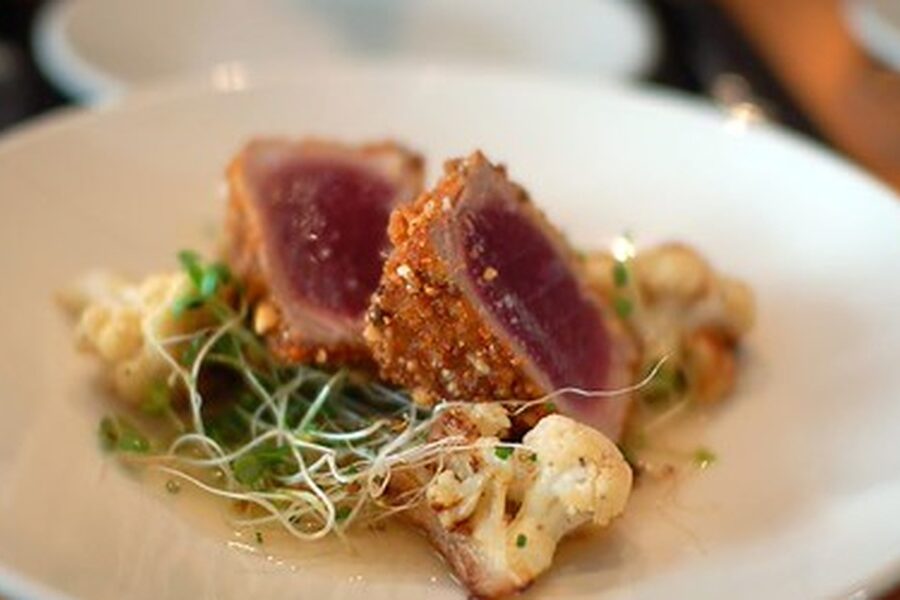
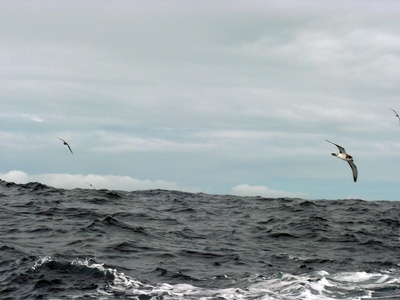
| Tuna and large pelagics | Marine | Offshore Caribbean waters | 10,000.00 t (fish/year) | Tuna and other pelagics are caught in Cuba’s offshore waters, with annual yields near 10,000 tonnes, important for industrial fleets and export processing (FAO fisheries). |
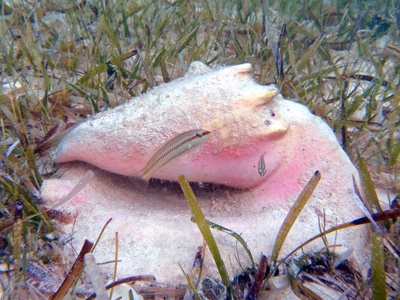
| Conch (queen conch) | Marine | Caribbean reefs,western keys | 500.00 t (conch/year) | Conch supports artisanal fisheries and local markets; catches are modest, around 500 tonnes yearly, with conservation concerns and regulated harvesting (FAO, local fisheries). |
| Total capture fisheries | Marine | Coastal and offshore zones | 130,000.00 t (fish/year) | Cuba’s combined marine and inland capture fisheries produce roughly 130,000 tonnes annually, vital for nutrition, employment, and coastal economies (FAO, Cuban fisheries reports). |
| Aquaculture (shrimp,fish) | Marine/aquaculture | Coastal farms,nurseries | 8,000.00 t (aquaculture/year) | Aquaculture is expanding, producing about 8,000 tonnes per year (shrimp, tilapia, others) to supplement wild catch and supply local markets (FAO). |
| Mangroves (ecosystem resource) | Forest/marine | Coastal provinces,keys | 20,000.00 ha (mangrove area) | Cuba’s mangroves (about 20,000 hectares) provide nursery habitat, coastal protection and carbon storage; they support fisheries and buffer storms (World Bank, UNEP). |
| Coral reefs (biodiversity/tourism) | Marine ecosystem | Keys,offshore reefs | Protected areas (area variable) | Coral reefs around Cuba are biodiversity hotspots supporting tourism and fisheries; protected areas and reef health are crucial for economy and coastal resilience (UNEP, Cuban environmental agencies). |
| Pine and native timbers | Forest | Eastern mountain ranges,central forests | 300,000.00 m3 (timber/year) | Forest products including pine and native species yield roughly 300,000 cubic meters of timber annually for construction, furniture and fuel, with sustainability concerns (FAO, Cuban forestry data). |
| Freshwater resources (renewable) | Freshwater | Island-wide rivers and aquifers | 48.00 km3 (renewable/year) | Cuba’s internal renewable freshwater is on the order of 48 km3/year, supplied by rivers, reservoirs and aquifers; water availability shapes agriculture, urban supply and drought vulnerability (FAO AQUASTAT, World Bank). |
| Groundwater aquifers | Freshwater | Karst systems,coastal plains | Approx.100.00 Mm3 (usable/year) | Extensive aquifers supply municipal and irrigation needs; usable groundwater withdrawals are roughly 100 million m3 annually in some basins, crucial during dry periods (FAO, Cuban water agencies). |
| Tourism natural assets (beaches,ecosystems) | Natural capital | Varadero,Keys,Trinidad coasts | Millions of visitor-days/year (economic indicator) | Cuba’s beaches, reefs and protected areas are natural capital supporting millions of tourist-days annually; they drive foreign exchange, jobs and conservation priorities (World Bank, Cuban tourism statistics). |
| Peat and organic soils | Soil resource | Wetlands and marshes | 10,000.00 t (peat/year) | Limited peat and organic soils exist in marshy zones, used minimally for local horticulture and agriculture — about 10,000 tonnes per year — with ecological sensitivity (Cuban soil surveys). |
Images and Descriptions

Nickel
Nickel is Cuba’s largest metallic resource, concentrated in Moa and Holguán laterite deposits. Recent production is about 40,000 tonnes of contained nickel annually; economically vital for exports and local industry (USGS, Cuban ONEI). Environmental mining impacts are significant.

Cobalt
Cobalt occurs with Cuban nickel laterites near Moa and Holguín. Annual cobalt output is roughly 2,000 tonnes, a valuable byproduct for batteries and alloys (USGS). It boosts export revenues but raises ecological and health concerns near mines.
Copper
Copper appears in small to medium deposits tied to eastern mountain geology. Annual production is modest, around 3,000 tonnes of contained copper; used domestically and occasionally exported (USGS, Cuban geological surveys).
Iron ore
Small iron ore deposits exist in eastern Cuba. Typical local mining produces near 150,000 tonnes of ore annually, mainly for local steelmaking feedstocks and construction aggregates (Cuban geological sources).
Gold
Gold occurs in quartz veins and alluvial deposits in the Sierra Maestra and eastern provinces. Annual production is small — about 1.5 tonnes — but important for mining revenues and artisanal miners (USGS, Cuban Ministry).
Silver
Silver is produced as a byproduct of gold and base-metal mining primarily in eastern deposits. Annual output is about 30 tonnes, a small but valuable metallic resource (USGS).
Manganese
Manganese is present in limited deposits and is mined at small scale — roughly 500 tonnes yearly — for alloy and chemical uses, with limited export significance (Cuban geological reports).
Limestone
Extensive limestone supports cement and construction industries across central and western Cuba. Typical production is about 4,000,000 tonnes annually, vital for domestic infrastructure and building material supply (ONEI, industry reports).

Gypsum
Gypsum deposits are quarried for cement and plaster in western provinces, with roughly 200,000 tonnes produced yearly. It supports construction material manufacture (Cuban mining statistics).
Kaolinite (china clay)
Kaolin and clays occur in central provinces and Isla de la Juventud. Annual output near 100,000 tonnes feeds ceramics, paper, and cement industries (FAO, Cuban mineral stats).
Silica sand
High-quality silica sand is used in glass, foundry, and construction. Cuba mines roughly 500,000 tonnes yearly from coastal and inland deposits (Cuban mining data).
Clay (brick/clay)
Various clays support brick, tile, and pottery production across the island. Annual extraction is about 150,000 tonnes, important for local construction and crafts (ONEI).

Marble and decorative stone
Marble and decorative stones are quarried on a small scale for local construction and exports, approximately 20,000 tonnes per year, prized for architecture and tourism projects (Cuban geological surveys).
Salt (sea salt)
Sea salt is produced by evaporation in coastal flats, with annual output near 150,000 tonnes. It supplies local consumption, food processing and limited export (FAO, ONEI).
Limestone aggregate/gravel
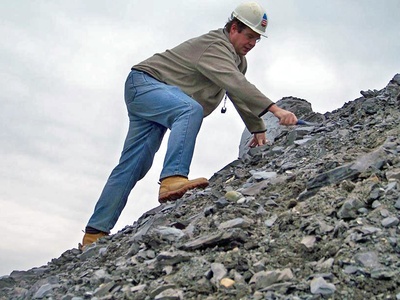
Crushed limestone and gravel for road and building construction are produced at about 1,200,000 tonnes yearly, fundamental to infrastructure and urban development (Cuban industry reports).
Crushed stone for cement
Crushed rock supports cement plants and construction; typical production is roughly 800,000 tonnes per year, essential to domestic building supply chains (ONEI).
Oil (crude)
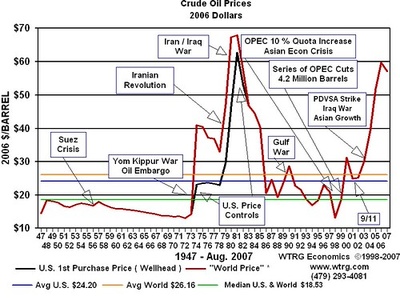
Cuba produces crude oil from onshore and some offshore fields, roughly 18,250,000 barrels annually (~50,000 bbl/d historically). Oil is strategic for domestic energy and import substitution (EIA, Cuban oil ministry).
Natural gas
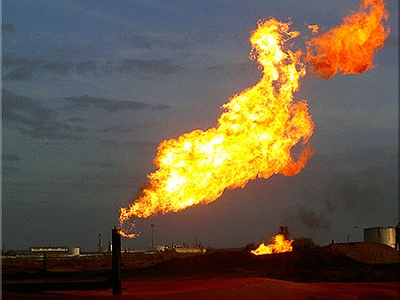
Natural gas production is small, on the order of 0.50 billion m3 annually from onshore wells, with offshore exploration ongoing; gas supplements power generation and industry (EIA, Cuban energy reports).
Hydropower
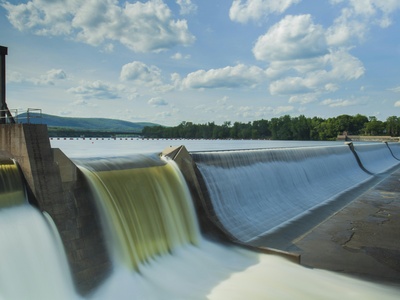
Hydropower plants contribute renewable electricity (about 1,200 GWh/year), located mainly in mountainous and central provinces. They reduce fossil fuel use and support rural grids (World Bank, Cuban energy data).
Biomass (sugarcane bagasse)
Sugarcane generates large quantities of bagasse used for heat and bio-power. Around 2,000,000 tonnes of bagasse per year supply boilers and cogeneration, linking agriculture and energy (FAO, Cuban sugar ministry).
Solar energy potential
Solar PV capacity is growing; modest existing generation around 50 GWh/year from distributed and utility panels, with large untapped potential for diversification (World Bank,Cuban energy plans).
Wind energy potential
Wind resources along coasts and eastern provinces offer potential; early installations generate tens of GWh annually, expanding renewable shares (Cuban energy studies).
Sugarcane
Sugarcane remains a major crop though reduced from historical peaks. Approximately 4,500,000 tonnes of cane are harvested yearly, feeding sugar, rum, and bioenergy sectors (FAO, ONEI).
Tobacco (leaf)
Cuban tobacco for premium cigars is concentrated in Pinar del Río (Vuelta Abajo). Annual leaf production is about 20,000 tonnes, a cultural and high-value export crop (FAO,Cuban agriculture ministry).

Coffee
Coffee grows in mountain areas like the Sierra Maestra. Cuba produces roughly 4,000 tonnes of green coffee annually, mainly for domestic use and specialty export markets (FAO).
Citrus (oranges,grapefruits)
Citrus orchards in central and eastern provinces yield about 350,000 tonnes yearly, supplying fresh fruit, juices, and processing industries (FAO, ONEI).
Bananas and plantains
Bananas and plantains are staple fruits with roughly 300,000 tonnes produced annually across lowland provinces, important for food security and local markets (FAO).
Cassava (yuca)
Cassava is a resilient root crop producing around 1,200,000 tonnes yearly. It supports household diets, animal feed and local processing (FAO, Cuban agriculture data).
Rice
Rice production in irrigated plains yields roughly 400,000 tonnes of paddy rice yearly, central to Cuban staple diets and rural economies (FAO, ONEI).
Maize (corn)
Maize is widely grown for human food and livestock feed, producing about 500,000 tonnes annually and supporting domestic food supply chains (FAO).
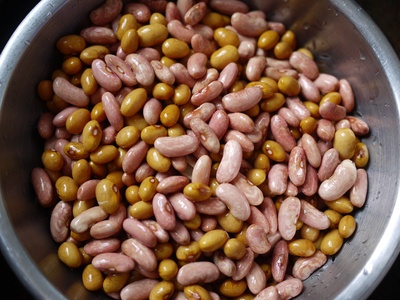
Beans (pulses)
Various pulses, including black and red beans, yield about 60,000 tonnes per year, crucial for protein in Cuban diets and smallholder incomes (FAO).
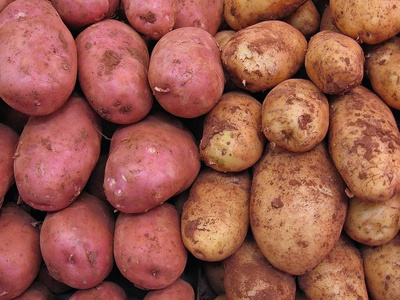
Potatoes
Potato production near western provinces produces roughly 250,000 tonnes yearly, important for domestic consumption and short-season cropping systems (FAO).
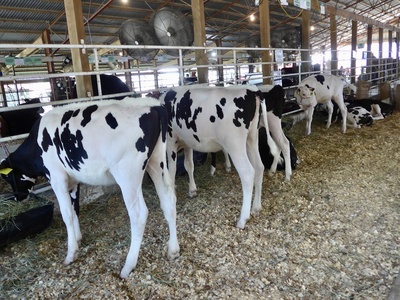
Cattle (beef and dairy)
Cattle herds produce around 150,000 tonnes of beef annually; dairy yields are separate. Livestock is culturally and economically important but productivity remains constrained (FAO, ONEI).
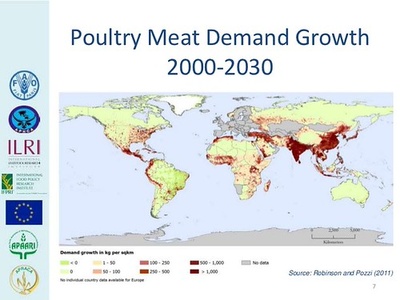
Poultry meat
Poultry production supplies a major share of domestic meat, with roughly 200,000 tonnes of poultry meat annually, important for food security (FAO).
Milk (raw)
Milk production is about 600,000 tonnes annually, providing dairy products for domestic consumption; herd productivity improvements are policy priorities (FAO, Cuban agriculture statistics).
Shrimp (wild + farmed)
Shrimp fisheries and limited aquaculture yield roughly 3,000 tonnes yearly, an export and domestic seafood product concentrated in coastal provinces (FAO fisheries data).
Spiny lobster
Spiny lobster (Panulirus argus) is a high-value fishery supplying export markets; annual catches around 1,500 tonnes, supporting coastal livelihoods and tourism (FAO).
Tuna and large pelagics
Tuna and other pelagics are caught in Cuba’s offshore waters, with annual yields near 10,000 tonnes, important for industrial fleets and export processing (FAO fisheries).
Conch (queen conch)
Conch supports artisanal fisheries and local markets; catches are modest, around 500 tonnes yearly, with conservation concerns and regulated harvesting (FAO, local fisheries).
Total capture fisheries
Cuba’s combined marine and inland capture fisheries produce roughly 130,000 tonnes annually, vital for nutrition, employment, and coastal economies (FAO, Cuban fisheries reports).
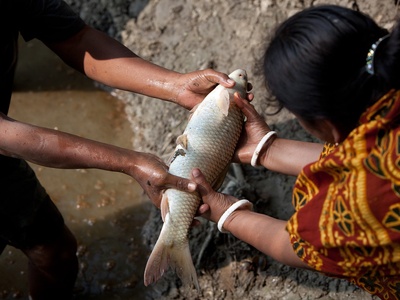
Aquaculture (shrimp,fish)
Aquaculture is expanding, producing about 8,000 tonnes per year (shrimp, tilapia, others) to supplement wild catch and supply local markets (FAO).
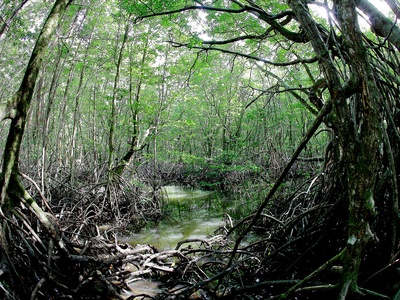
Mangroves (ecosystem resource)
Cuba’s mangroves (about 20,000 hectares) provide nursery habitat, coastal protection and carbon storage; they support fisheries and buffer storms (World Bank, UNEP).
Coral reefs (biodiversity/tourism)
Coral reefs around Cuba are biodiversity hotspots supporting tourism and fisheries; protected areas and reef health are crucial for economy and coastal resilience (UNEP, Cuban environmental agencies).

Pine and native timbers
Forest products including pine and native species yield roughly 300,000 cubic meters of timber annually for construction, furniture and fuel, with sustainability concerns (FAO, Cuban forestry data).
Freshwater resources (renewable)
Cuba’s internal renewable freshwater is on the order of 48 km3/year, supplied by rivers, reservoirs and aquifers; water availability shapes agriculture, urban supply and drought vulnerability (FAO AQUASTAT, World Bank).
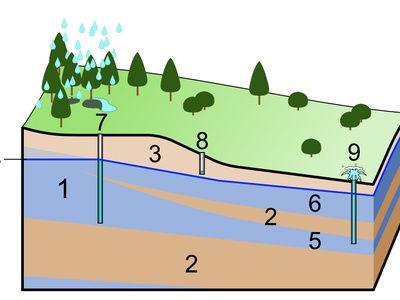
Groundwater aquifers
Extensive aquifers supply municipal and irrigation needs; usable groundwater withdrawals are roughly 100 million m3 annually in some basins, crucial during dry periods (FAO, Cuban water agencies).
Tourism natural assets (beaches,ecosystems)
Cuba’s beaches, reefs and protected areas are natural capital supporting millions of tourist-days annually; they drive foreign exchange, jobs and conservation priorities (World Bank, Cuban tourism statistics).
Peat and organic soils
Limited peat and organic soils exist in marshy zones, used minimally for local horticulture and agriculture — about 10,000 tonnes per year — with ecological sensitivity (Cuban soil surveys).