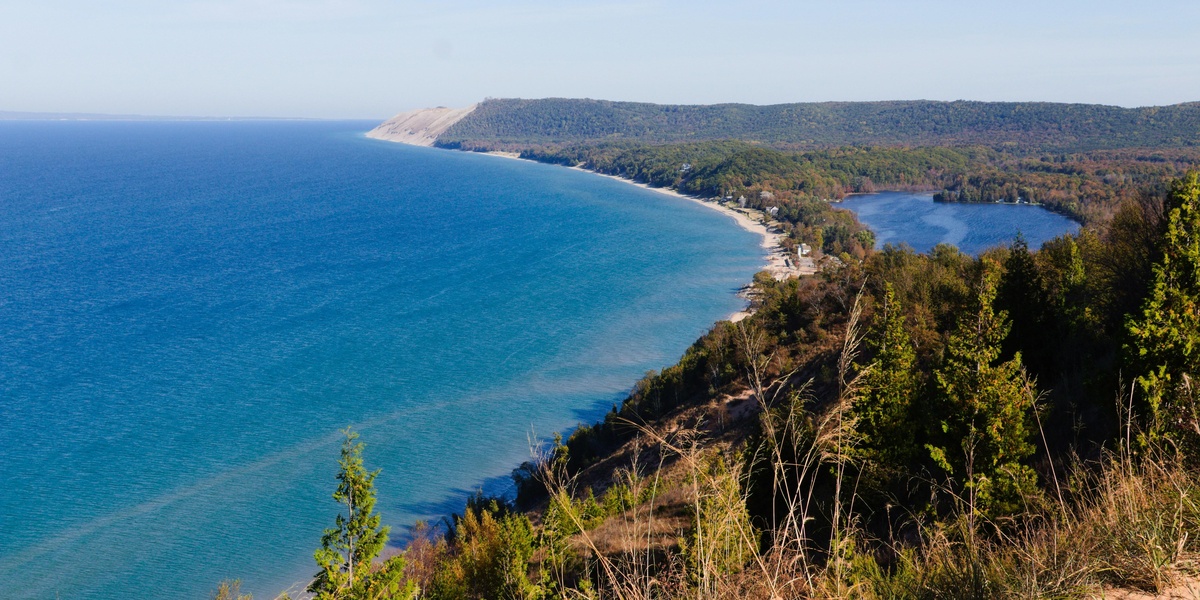
Michigan’s mix of Great Lakes shoreline, inland lakes, rivers, farmland and forests shapes both daily life and the state’s industries — from shipping and fishing to wood products and tourism. That diversity means natural assets are found in very different settings across the Lower and Upper Peninsulas.
There are 19 Natural Resources in Michigan, ranging from Forest cover (timber) to Wind (resource). For each resource, you’ll find below data organized with Category,Main locations,Extent / production so you can quickly see what the resource is, where it’s concentrated, and how its scale or output is measured — you’ll find below.
How do these resources directly affect local communities and jobs?
Resources supply raw materials for manufacturing, energy and agriculture, but they also create seasonal and year-round jobs in logging, farming, fishing, mining, and renewable energy development; local economies often depend on the combination of extraction, processing and tourism tied to those assets, so regional impacts vary by resource and location.
How current and reliable is the information in the list, and where does it come from?
The tables draw on state and federal data sources (state departments of natural resources and agriculture, USGS, USDA, EIA, NOAA and industry reports) and aim to reflect recent production or extent figures; check the source notes for each item below for the specific year and methodology.
Natural Resources in Michigan
| Name | Category | Main locations | Extent / production |
|---|---|---|---|
| Great Lakes freshwater | Water | Coastal waters of Lakes Superior, Michigan, Huron, Erie, Ontario | N/A |
| Groundwater | Water | Statewide; major aquifers in Saginaw Bay, Kalamazoo, Grand Rapids areas | N/A |
| Inland lakes and rivers | Water | Upper and Lower Peninsula inland lakes; Au Sable, Manistee, Huron rivers | N/A |
| Forest cover (timber) | Forest | Northern Lower Peninsula, Upper Peninsula, statewide woodlots | 77,000 km2 |
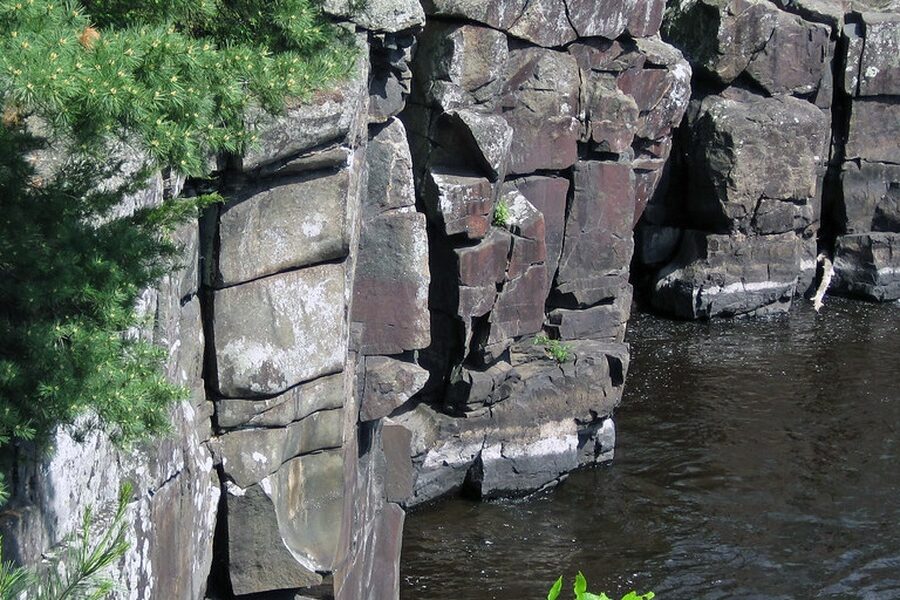
| Iron ore | Mineral | Marquette and Menominee Ranges, Upper Peninsula | N/A |
| Native copper | Mineral | Keweenaw Peninsula, Upper Peninsula | N/A |
| Limestone and dolomite | Mineral | Southern Lower Peninsula quarries, Alpena, Monroe areas | N/A |
| Gypsum | Mineral | Lower Peninsula deposits, especially near Alabaster and Saginaw Bay | N/A |
| Rock salt (halite) | Mineral | Southeast and central Lower Peninsula (Detroit, Saginaw areas) | N/A |
| Sand and gravel (aggregates) | Aggregate | Glacial outwash plains, river terraces, southern Lower Peninsula | N/A |
| Peat and peatlands | Peat | Upper Peninsula bogs, northern Lower Peninsula wetlands, Saginaw Bay marshes | N/A |
| Oil (petroleum) | Energy | Antrim Shale, deeper trends in eastern and western Lower Peninsula | N/A |
| Natural gas | Energy | Antrim Shale plays, northern Lower Peninsula basins | N/A |
| Wind (resource) | Energy | Lake Michigan shoreline, Thumb region, Saginaw Bay coast | N/A |
| Solar (insolation) | Energy | Southern Lower Peninsula, rooftops statewide | N/A |
| Great Lakes commercial fisheries | Fishery | Nearshore waters of Lakes Huron, Michigan, Erie, Superior | N/A |
| Inland recreational fisheries | Fishery | Northern Lower Peninsula lakes, Upper Peninsula trout streams | N/A |
| Wetlands (marshes, swamps, fens) | Wetland | Coastal Great Lakes, Saginaw Bay, inland river floodplains | 42,100 km2 |
| White-tailed deer (wildlife) | Wildlife | Statewide with higher densities in southern Lower Peninsula | N/A |
Images and Descriptions
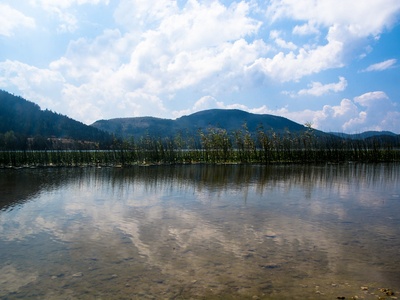
Great Lakes freshwater
The Great Lakes supply the world’s largest surface freshwater system, supporting shipping, drinking water, recreation, and habitat across Michigan’s coastline. Their economic and ecological importance is immense for fisheries and communities (NOAA).
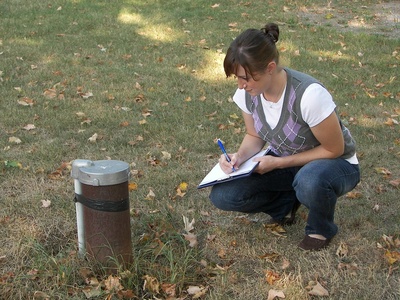
Groundwater
Groundwater fuels municipal, agricultural, and industrial water supplies across Michigan, especially in the Lower Peninsula. Aquifers store large freshwater volumes and are vital for wells, irrigation, and ecosystem baseflow (USGS).
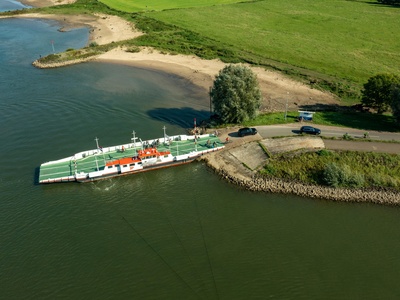
Inland lakes and rivers
Michigan’s tens of thousands of inland lakes and rivers provide drinking water, recreation, fisheries, and ecological corridors; they are central to tourism, trout and bass fisheries, and freshwater biodiversity (Michigan DNR).
Forest cover (timber)
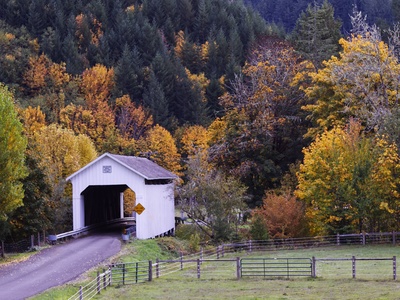
Michigan’s forests (roughly 77,000 km2) include northern hardwoods, pines, and mixed conifers. They support timber, recreation, wildlife habitat, and carbon storage, sustaining forestry and paper industries (USDA Forest Service).

Iron ore
Iron ore from the Upper Peninsula historically powered Midwest industry; high-grade banded iron formations and taconite remain economically important for steel feedstock and regional heritage (USGS).
Native copper
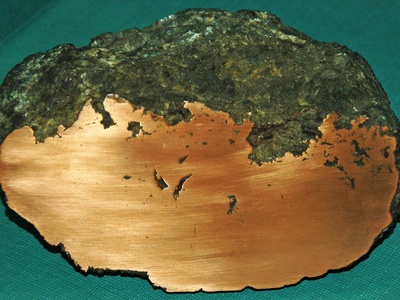
Keweenaw’s native copper deposits are globally unique, historically mined for centuries. Copper supported regional development and is a notable geological and mineral resource (USGS).
Limestone and dolomite
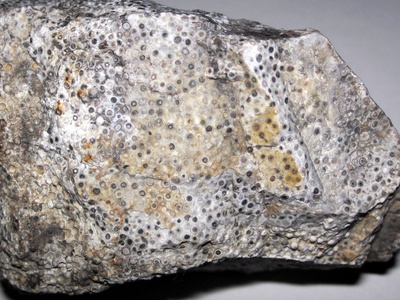
Limestone and dolomite are widely quarried for cement, construction aggregate, steelmaking flux, and road base. They underlie much of southern Michigan and support heavy industry (USGS).
Gypsum
Gypsum is mined in parts of the Lower Peninsula for wallboard (drywall) and soil amendments. It’s a key industrial mineral for construction and agriculture (USGS).
Rock salt (halite)
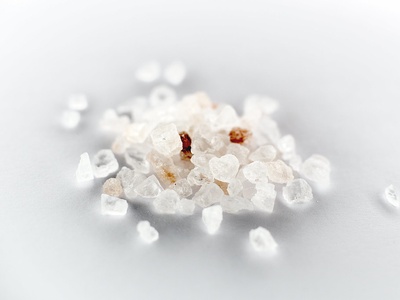
Michigan’s salt beds are mined for road salt, chemical feedstocks, and deicing; solution mines and shafts supply local and regional markets (USGS).
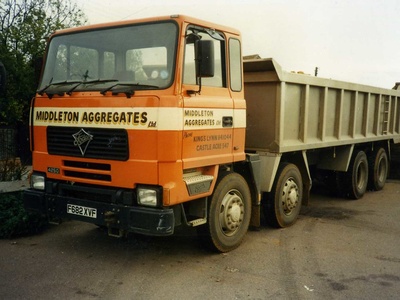
Sand and gravel (aggregates)
Glacially deposited sand and gravel are abundant and essential for concrete, road base, construction, and shoreline replenishment; they are widely extracted statewide (USGS).
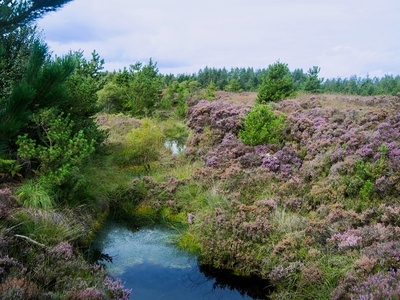
Peat and peatlands
Peatlands store carbon, support specialized plants and wildlife, and provide peat used in horticulture. Michigan’s bogs and fens are ecologically valuable and locally harvested (Michigan DNR).
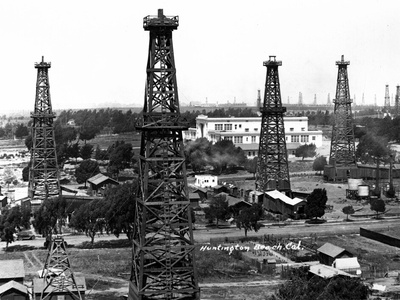
Oil (petroleum)
Michigan produces modest oil from legacy fields and Silurian/Devonian reservoirs; oil supports local energy needs and has historical importance for regional economies (USGS).
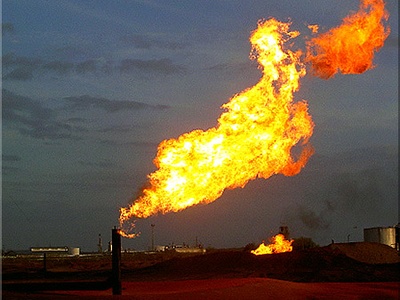
Natural gas
Natural gas from Antrim and other formations supplies heating and industry in Michigan. The state has active gas production, serving local markets and infrastructure (USGS).
Wind (resource)
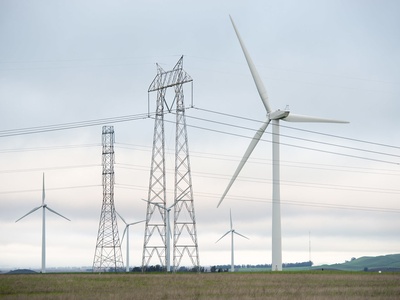
Michigan’s Great Lakes-influenced winds provide strong renewable energy potential for onshore and offshore wind power, supporting electricity generation and rural economic development (NOAA).
Solar (insolation)
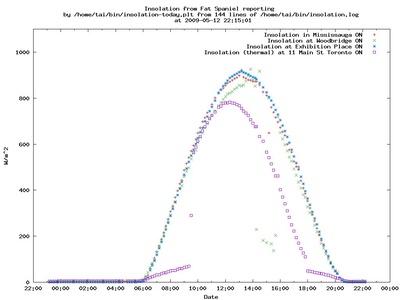
Michigan’s solar resource varies by season; southern Lower Peninsula receives the best insolation. Solar supports distributed generation, farms, and growing renewable energy portfolios (NOAA).
Great Lakes commercial fisheries
Commercial fisheries in the Great Lakes target species like lake whitefish and perch, contributing to regional economies, food supply, and cultural traditions while requiring careful management (NOAA).
Inland recreational fisheries
Walleye, trout, bass, and panfish in inland lakes and streams fuel a large recreational fishing economy, support tourism, and sustain rural communities (Michigan DNR).
Wetlands (marshes, swamps, fens)
Wetlands cover extensive areas, providing flood control, water filtration, wildlife habitat, and carbon storage. Michigan’s coastal and inland wetlands are critical for biodiversity and water quality (Michigan DNR).
White-tailed deer (wildlife)
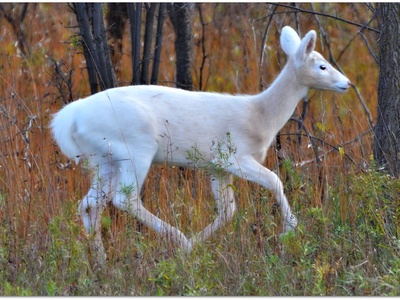
White-tailed deer are an abundant wildlife resource supporting hunting, recreation, and wildlife-related economies; they also influence forest regeneration and suburban ecosystems (Michigan DNR)