From classrooms and research labs to engineering toolkits, consistent measurement keeps projects, experiments and designs comparable across places and teams. Knowing which units are standard makes it easier to read reports, check calculations and communicate results without confusion.
There are 20 Examples of SI Units, ranging from ampere to watt. Each entry is organized with Symbol,Quantity,Relation (in SI base units) so you can see how derived units map back to the seven base quantities; you’ll find below.
Which of these are base units and which are derived?
Seven SI base units (metre, kilogram, second, ampere, kelvin, mole, candela) form the foundation; everything else in the list is a derived unit expressed in combinations of those bases. Use the Relation (in SI base units) column to tell at a glance whether a unit is fundamental or composed from base quantities.
How do the Symbol, Quantity and Relation columns help me convert or check units?
The Symbol gives the shorthand, the Quantity names what’s measured, and the Relation shows the unit expressed in base units (for example, watt appears as kg·m²·s⁻³), which is useful for checking dimensional consistency and deriving conversion factors when combining or converting units.
Examples of Si Units
| Unit | Symbol | Quantity | Relation (in SI base units) |
|---|---|---|---|
| metre | m | length | m |
| kilogram | kg | mass | kg |
| second | s | time | s |
| ampere | A | electric current | A |
| kelvin | K | thermodynamic temperature | K |
| mole | mol | amount of substance | mol |
| candela | cd | luminous intensity | cd |
| hertz | Hz | frequency | s^-1 |
| newton | N | force | kg·m·s^-2 |
| pascal | Pa | pressure, stress | kg·m^-1·s^-2 |
| joule | J | energy, work, heat | kg·m^2·s^-2 |
| watt | W | power (energy per time) | kg·m^2·s^-3 |
| coulomb | C | electric charge | s·A |
| volt | V | electric potential difference | kg·m^2·s^-3·A^-1 |
| ohm | Ω | electrical resistance | kg·m^2·s^-3·A^-2 |
| tesla | T | magnetic flux density | kg·s^-2·A^-1 |
| lumen | lm | luminous flux | cd·sr |
| lux | lx | illuminance | lm·m^-2 |
| becquerel | Bq | radioactivity (decays) | s^-1 |
| gray | Gy | absorbed radiation dose | m^2·s^-2 |
Images and Descriptions

metre
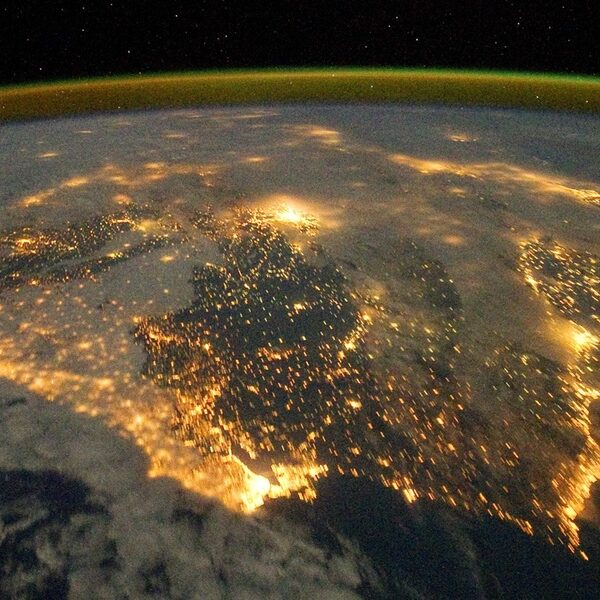
The metre is the SI base unit of length defined by the distance light travels in vacuum in 1/299,792,458 seconds. Used for measuring distances, room sizes, sports fields, and mapping; symbol m.
kilogram
The kilogram is the SI base unit of mass, defined by the Planck constant. Commonly used for weighing people, food, and goods; equal to 1,000 grams by tradition, symbol kg.
second
The second is the SI base unit of time, defined by cesium atomic transitions. Used to time events, clocks, and schedules; basis for frequency and speed measurements, symbol s, and essential to GPS.
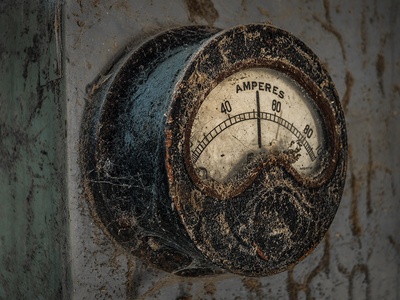
ampere
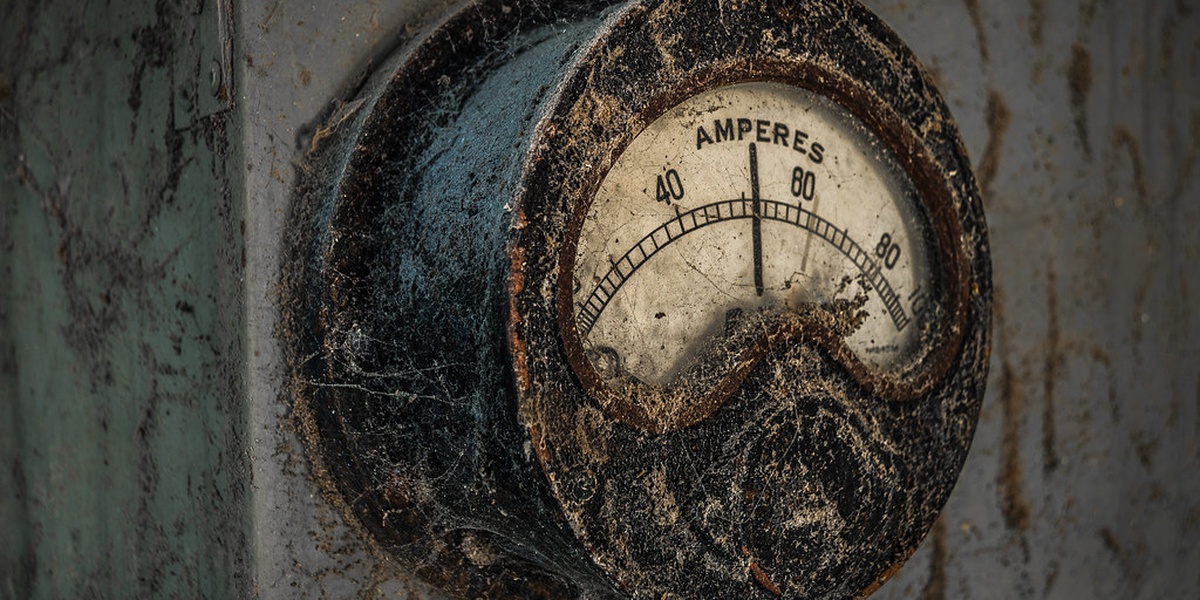
The ampere is the SI base unit of electric current, defined via elementary charge. Measures flow of electric charge in circuits; common in electronics, household current ratings, and engineering specifications, symbol A.
kelvin
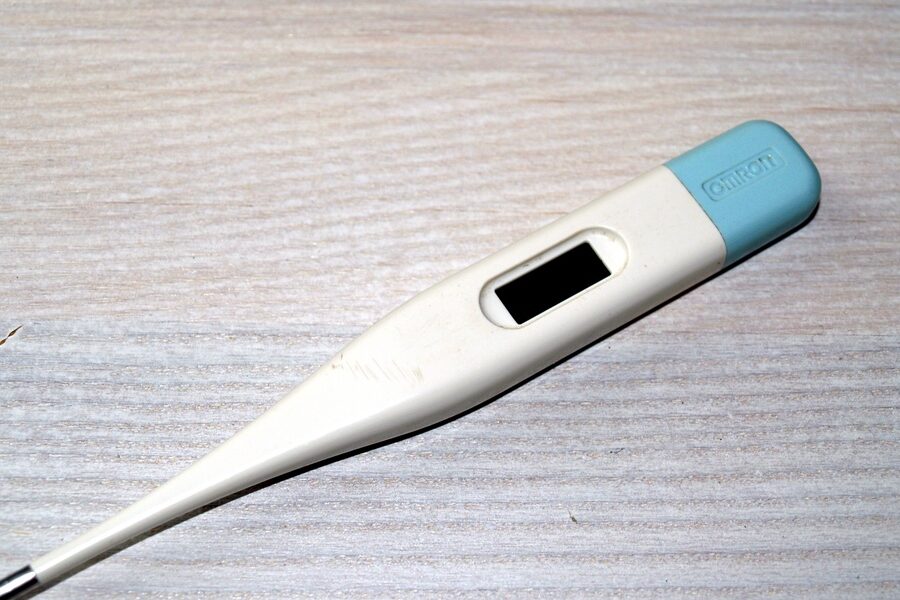
The kelvin is the SI base unit of thermodynamic temperature, tied to the Boltzmann constant. Used in science and industry for absolute temperature scales, weather data, and lab measurements; zero is absolute zero, symbol K.
mole
The mole is the SI base unit for amount of substance, defined by Avogadro’s number of elementary entities. Used in chemistry to count atoms, molecules, and ions; convenient for reaction stoichiometry and lab work, symbol mol.

candela
The candela is the SI base unit of luminous intensity, based on a defined monochromatic light frequency. Used to quantify brightness of light sources, lamps, and displays; important in lighting design and product specs, symbol cd.
hertz
The hertz measures frequency as cycles per second. Common for sound pitches, radio frequencies, clock ticks, and display refresh rates (e.g., 60 Hz). Named after Heinrich Hertz; symbol Hz and equals s^-1.
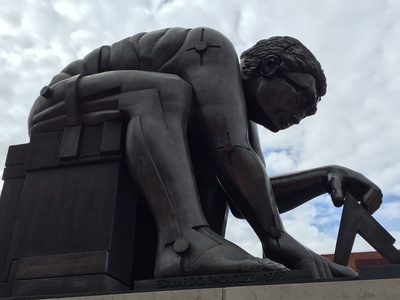
newton
The newton is the SI derived unit of force. It equals the force needed to accelerate 1 kg by 1 m/s^2. Used for weight, mechanics, and engineering calculations; named after Isaac Newton, symbol N.
pascal
The pascal measures pressure or stress, defined as one newton per square metre. Common for tire pressures, air pressure, and material stress; named after Blaise Pascal, symbol Pa, often reported in kPa for everyday use.
joule
The joule is the SI derived unit of energy, work, or heat. Equal to one newton metre; commonly seen in food energy (kJ), electricity billing, and mechanical work; named after James Prescott Joule, symbol J.
watt
The watt measures power — energy per unit time. Used for light bulbs, electrical appliances, and engines; one watt equals one joule per second. Named after James Watt; common ratings in W and kW.
coulomb
The coulomb is the SI derived unit of electric charge, equal to the charge transported by one ampere in one second. Common in electronics, battery capacity (as Ah), and fundamental charge calculations; symbol C.
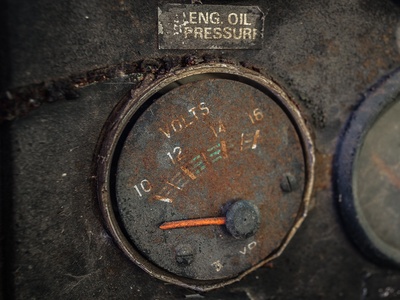
volt
The volt measures electric potential difference or electromotive force. Used to rate batteries, outlets, and circuits (e.g., 1.5 V cells, 230 V mains) and important in electronics. Named after Alessandro Volta; symbol V.
ohm
The ohm measures electrical resistance. It relates voltage and current via Ohm’s law (V = I·R). Used for resistors, wiring, and component specs; named after Georg Ohm, symbol Ω, common in electronics labs.
tesla
The tesla measures magnetic flux density or field strength. Used in MRI scanners, magnets, and physics labs; 1 T is strong (MRI ~1.5–3 T). Named after Nikola Tesla; symbol T, important in electromagnetic technologies.
lumen
The lumen quantifies luminous flux — perceived light emitted by a source. Used for lamp and bulb brightness specifications (e.g., a 800 lm LED replaces 60 W incandescent); equals candela·steradian, symbol lm.

lux
The lux measures illuminance — luminous flux per square metre. Used in workplace lighting, photography, and horticulture; 1 lx is dim, typical office lighting ~300–500 lx. Symbol lx and equals lm/m^2.
becquerel
The becquerel measures activity of radioactive sources as decays per second. Used in nuclear medicine, radiology, and environmental monitoring; named after Henri Becquerel, and often reported in kBq, MBq for medical use.
gray
The gray measures absorbed radiation dose as energy per mass (joules per kilogram). Used in radiotherapy and radiation protection; 1 Gy is a large biological dose and commonly paired with the sievert for biological effect, symbol Gy.