On clear nights away from city glare the sky becomes a map of familiar points and distant curiosities, useful whether you’re learning constellations or planning an observing session. This list focuses on individual entries you can compare at a glance.
There are 31 Stars, ranging from 51 Pegasi to Vega. For each, you’ll find below the Apparent magnitude (mag), Distance (ly), and Constellation so you can sort by brightness, distance, or location in the sky—useful whether you’re checking visibility or researching stellar properties; you’ll find below.
How were the 31 stars chosen for this list?
They were selected to show a practical cross-section: a mix of bright naked-eye stars, nearby suns, and notable objects (like exoplanet hosts) that span different constellations and distances, making the table useful for both casual observers and basic comparative study.
How should I use the Apparent magnitude and Distance columns to judge visibility?
Apparent magnitude tells how bright a star appears from Earth (smaller or negative numbers = brighter); distance in light-years gives physical separation but doesn’t always predict visibility because brightness also depends on intrinsic luminosity and local observing conditions like light pollution and atmospheric clarity.
Stars
| Name | Apparent magnitude (mag) | Distance (ly) | Constellation |
|---|---|---|---|
| Sirius | -1.46 | 8.60 | Canis Major |
| Canopus | -0.74 | 310.00 | Carina |
| Arcturus | -0.05 | 36.72 | Bootes |
| Rigil Kentaurus | -0.01 | 4.37 | Centaurus |
| Alpha Centauri B | 1.33 | 4.37 | Centaurus |
| Proxima Centauri | 11.13 | 4.25 | Centaurus |
| Vega | 0.03 | 25.04 | Lyra |
| Capella | 0.08 | 42.90 | Auriga |
| Rigel | 0.13 | 860.00 | Orion |
| Procyon | 0.38 | 11.46 | Canis Minor |
| Achernar | 0.46 | 139.00 | Eridanus |
| Betelgeuse | 0.50 | 642.50 | Orion |
| Hadar | 0.61 | 390.00 | Centaurus |
| Altair | 0.77 | 16.73 | Aquila |
| Acrux | 0.76 | 321.00 | Crux |
| Aldebaran | 0.85 | 65.10 | Taurus |
| Antares | 1.06 | 550.00 | Scorpius |
| Spica | 0.98 | 250.00 | Virgo |
| Pollux | 1.14 | 33.78 | Gemini |
| Fomalhaut | 1.16 | 25.13 | Piscis Austrinus |
| Deneb | 1.25 | 2,600.00 | Cygnus |
| Regulus | 1.35 | 79.25 | Leo |
| Castor | 1.58 | 51.61 | Gemini |
| Bellatrix | 1.64 | 244.00 | Orion |
| Alnitak | 1.74 | 736.00 | Orion |
| Alnilam | 1.69 | 2,000.00 | Orion |
| Mintaka | 2.23 | 1,200.00 | Orion |
| Shaula | 1.62 | 570.00 | Scorpius |
| Epsilon Eridani | 3.73 | 10.52 | Eridanus |
| 51 Pegasi | 5.49 | 50.45 | Pegasus |
| 55 Cancri | 5.95 | 41.00 | Cancer |
Images and Descriptions

Sirius
Brightest star in the night sky, Sirius is a white main-sequence star in Canis Major, visible in winter. At magnitude -1.46 and 8.60 light years away, it’s notable for its extreme brightness and faint white dwarf companion.
Canopus
Second-brightest star, Canopus is a huge, luminous supergiant in Carina visible from southern latitudes. At magnitude -0.74 and about 310.00 light years away, it helps navigators and marks the southern sky’s major axis with striking brightness.
Arcturus
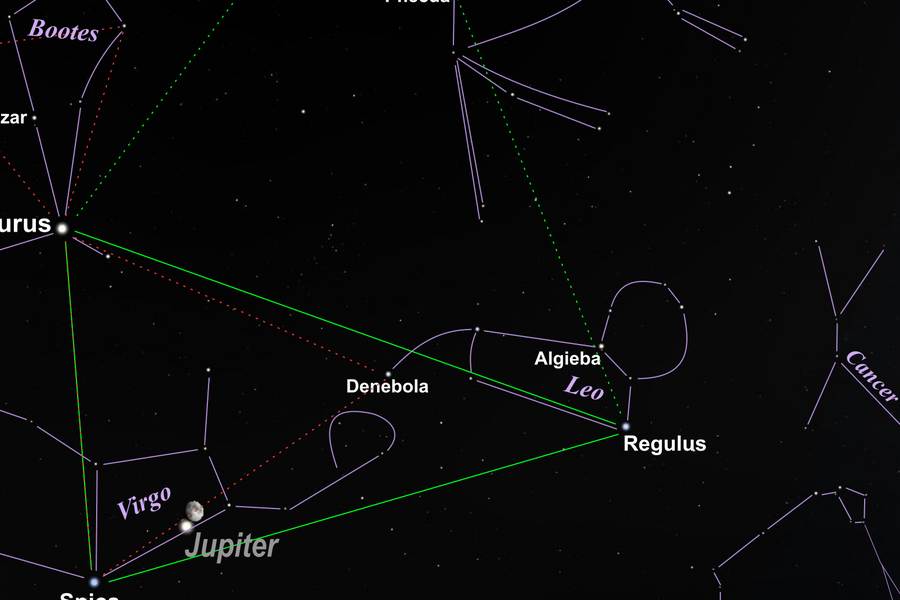
Arcturus, a cool orange giant in Bootes, is one of the brightest northern stars. At magnitude -0.05 and 36.72 light years away, it’s easy to spot by trailing Vega across spring skies and is notable for its size and age.
Rigil Kentaurus
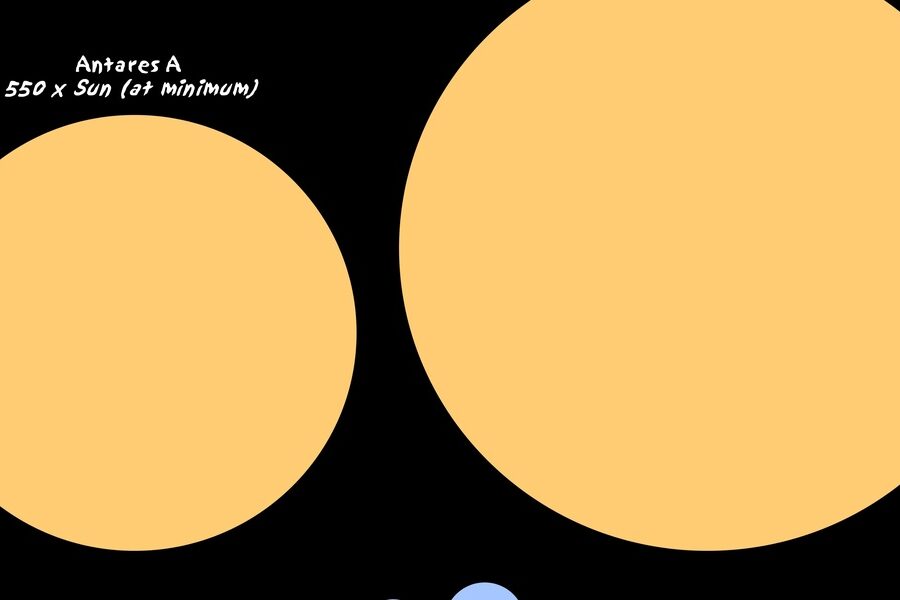
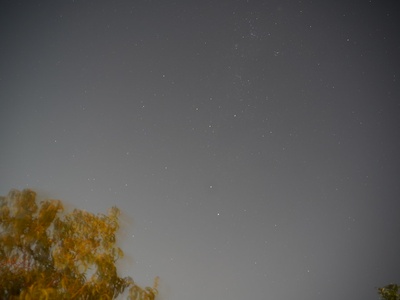
Rigil Kentaurus, also called Alpha Centauri A, is the brightest star of the nearest Sun-like triple system. At magnitude -0.01 and 4.37 light years away, it dominates Centaurus and is often sought by southern hemisphere observers.

Alpha Centauri B
Alpha Centauri B is the slightly fainter companion to Rigil Kentaurus in a nearby binary system. At magnitude 1.33 and 4.37 light years away, it’s part of the closest stellar neighborhood and visible from southern skies.
Proxima Centauri
Proxima Centauri is the nearest known star to the Sun and a red dwarf with at least one confirmed exoplanet. At magnitude 11.13 and 4.25 light years away, it’s too faint to see without a telescope but scientifically vital.
Vega
Vega is a bright blue-white star in Lyra used as a photometric standard. At magnitude 0.03 and 25.04 light years away, it anchors the Summer Triangle, is easy to find overhead in summer, and hosts a dusty debris disk.
Capella
Capella is a bright yellowish quadruple star system in Auriga often seen high in winter skies. At magnitude 0.08 and 42.90 light years away, its dominant pair are giant stars, making Capella a distinctive and steady winter beacon.
Rigel
Rigel is a luminous blue supergiant marking Orion’s foot, striking for its brightness and blue-white color. At magnitude 0.13 and roughly 860.00 light years away, it contrasts with red Betelgeuse and helps locate many nebulae in Orion’s belt area.
Procyon
Procyon, the bright star of Canis Minor, is a nearby white subgiant used in the Winter Triangle. At magnitude 0.38 and 11.46 light years away, it’s notable for its binary white dwarf companion and prominence in northern winter skies.
Achernar
Achernar is an oblate, rapidly rotating blue star at the edge of Eridanus, very bright from southern latitudes. At magnitude 0.46 and 139.00 light years away, it stands low on southern horizons and displays noticeable flattening.
Betelgeuse
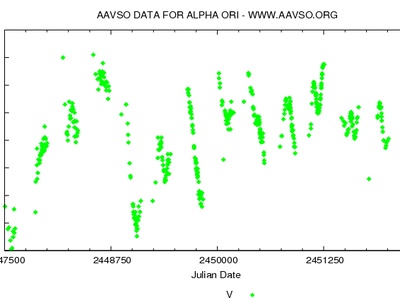
Betelgeuse is a famous red supergiant in Orion, notable for dramatic brightness changes and potential supernova future. At magnitude 0.50 (variable) and about 642.50 light years away, it’s easy to find as Orion’s reddish shoulder star.
Hadar
Hadar (Beta Centauri) is a bright blue giant in Centaurus, forming part of the southern Cross-like asterism when paired with Acrux. At magnitude 0.61 and about 390.00 light years away, it’s prominent in southern hemisphere winter skies.

Altair
Altair is a nearby, rapidly rotating white star in Aquila and a vertex of the Summer Triangle. At magnitude 0.77 and 16.73 light years away, it’s easy to spot overhead in summer and shows slight oblateness.
Acrux
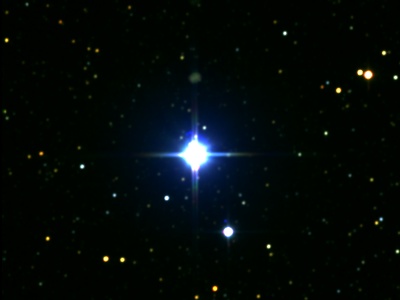
Acrux is the brightest star in Crux, a close blue-white multiple system marking the Southern Cross’s base. At magnitude 0.76 and roughly 321.00 light years away, it’s a key navigational marker for southern skies.
Aldebaran
Aldebaran is a striking orange giant representing Taurus’s eye and pointing toward the Hyades cluster. At magnitude 0.85 and about 65.10 light years away, its color and position make it an easy winter sky target for casual observers.

Antares
Antares is a bright red supergiant anchoring Scorpius and often compared to Mars for its color. At magnitude 1.06 and roughly 550.00 light years away, it’s a massive star nearing the end of its life, prominent in summer skies.

Spica
Spica is a close binary blue giant in Virgo and the brightest star of that constellation. At magnitude 0.98 and approximately 250.00 light years away, it’s a key spring sky marker and exhibits spectral variability from its hot components.
Pollux
Pollux, a bright orange giant in Gemini, is one of the nearest giant stars and hosts a confirmed exoplanet. At magnitude 1.14 and 33.78 light years away, it’s easy to find opposite Castor and notable for its planet detection.
Fomalhaut
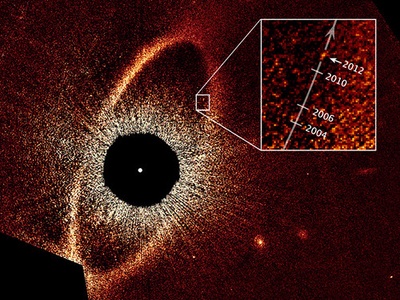
Fomalhaut is a bright, young star in Piscis Austrinus surrounded by a prominent debris disk and once linked to a debated planet. At magnitude 1.16 and 25.13 light years away, it’s a southern autumn highlight for bright-star hunters.
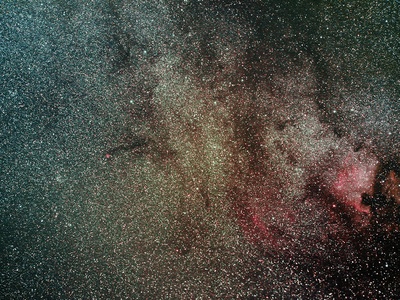
Deneb
Deneb is a very luminous white supergiant at the head of Cygnus and a vertex of the Summer Triangle. At magnitude 1.25 and roughly 2,600.00 light years away, its distance makes it intrinsically enormous and important for stellar studies.
Regulus
Regulus is a bright blue-white star at Leo’s heart, actually a close multiple system with a rapidly rotating primary. At magnitude 1.35 and about 79.25 light years away, it marks the Sickle asterism and is easy to view in spring.

Castor
Castor is a famous multiple-star system in Gemini visible as a bright point next to Pollux. At magnitude 1.58 and about 51.61 light years away, its six-star configuration is a classic example of complex stellar multiples seen with small telescopes.
Bellatrix
Bellatrix is a hot, blue giant marking Orion’s left shoulder and serving as a convenient northern winter guidepost. At magnitude 1.64 and about 244.00 light years away, its steady light helps locate neighboring Orion stars and deep-sky objects.
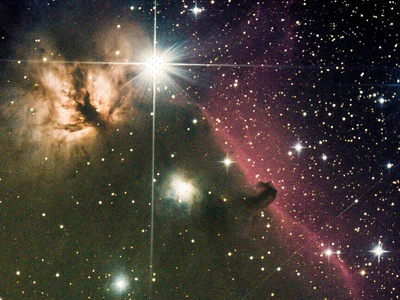
Alnitak
Alnitak is the easternmost star of Orion’s Belt, a hot blue supergiant often near the Flame Nebula. At magnitude 1.74 and about 736.00 light years away, it’s a key landmark for Orion and rich star-forming regions nearby.

Alnilam
Alnilam, the bright central star of Orion’s Belt, is a distant blue supergiant visible across winter skies. At magnitude 1.69 and roughly 2,000.00 light years away, its brilliance belies great distance and marks rich nebular fields.
Mintaka
Mintaka, the westernmost star of Orion’s Belt, is a multiple system visible near the celestial equator. At magnitude 2.23 and about 1,200.00 light years away, it serves as an easy marker for locating Orion and equatorial sky features.
Shaula
Shaula (Lambda Scorpii) is a bright blue-white multiple star forming Scorpius’s stinger tip. At magnitude 1.62 and roughly 570.00 light years away, it’s a striking summer object used for navigation and often studied for its complex stellar companions.

Epsilon Eridani
Epsilon Eridani is a nearby orange dwarf notable for its debris disk and candidate planets, popular with exoplanet searches. At magnitude 3.73 and 10.52 light years away, it’s visible near Orion’s belt extension in southern hemisphere skies.
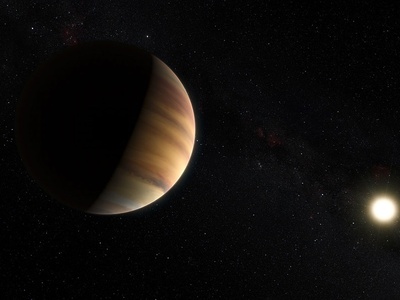
51 Pegasi
51 Pegasi is a Sun-like star famous as the first main-sequence star found to host a hot Jupiter. At magnitude 5.49 and about 50.45 light years away in Pegasus, it marked the start of modern exoplanet discovery for nearby stars.
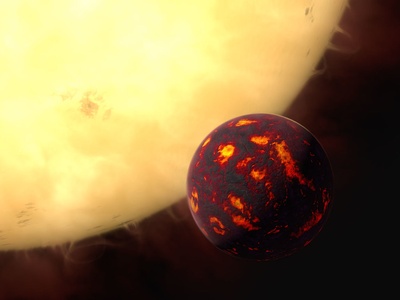
55 Cancri
55 Cancri is a nearby binary system whose primary hosts multiple exoplanets, including a super-Earth. At magnitude 5.95 and about 41.00 light years away in Cancer, it’s notable for a rich planetary system around a sunlike star.