From quiet rooms to thunderous stadiums, sound waves shape how we perceive the world around us. Whether you’re listening to nature on a hike or checking levels in a studio, recognizing different kinds of sounds helps with everything from safety to science.
There are 20 Examples of Sound Waves, ranging from Bat echolocation to Whisper to show the span of useful signals. For each example you’ll find below a simple table organized by Frequency range (Hz),Medium,Typical loudness (dB) so you can compare how high, where, and how loud each sound typically is — you’ll find those details below.
How are the frequency and loudness of these sounds measured?
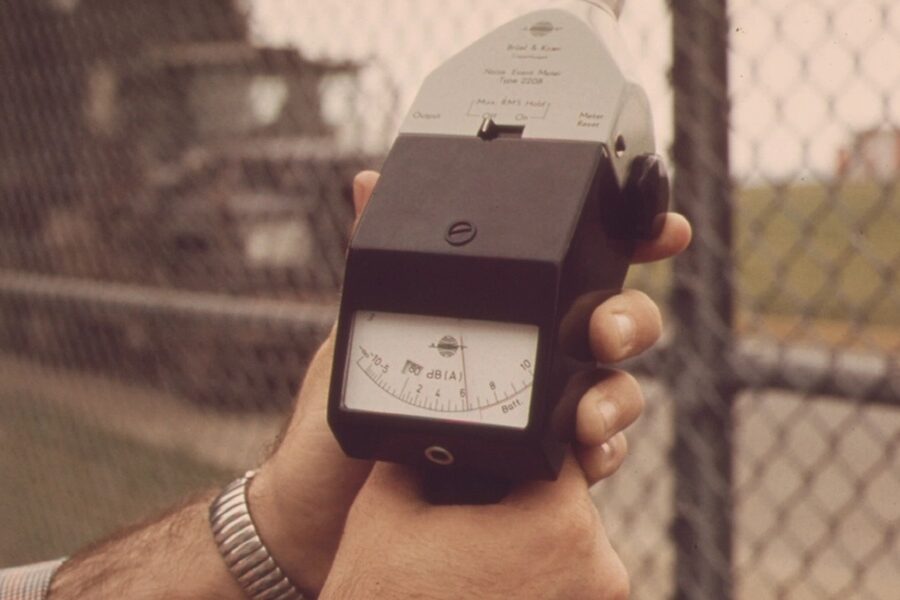
Frequency is measured in hertz (Hz) using microphones and spectrum analyzers for air or hydrophones for water; ultrasonic detectors capture very high pitches like bat calls. Loudness is recorded in decibels (dB) with sound level meters, often averaged or weighted (A-weighting) to reflect human hearing.
Which of these examples are audible to humans and which are not?
Most listed sounds fall within human hearing (roughly 20–20,000 Hz) such as Whisper, speech, and many animal calls; ultrasonic examples like Bat echolocation are above that range and require specialized equipment to detect.
Examples of Sound Waves
| Name | Frequency range (Hz) | Medium | Typical loudness (dB) |
|---|---|---|---|
| Human speech | 85–8,000 Hz | air | 60–70 dB |
| Whisper | 2,000–10,000 Hz | air | 20–30 dB |
| Shout | 85–8,000 Hz | air | 85–110 dB |
| Car horn | 300–4,000 Hz | air | 100–110 dB |
| Siren (ambulance/police) | 500–4,000 Hz | air | 100–120 dB |
| Jet engine (takeoff) | 40–2,000 Hz | air | 120–140 dB |
| Thunder | 1–200 Hz | air | 80–130 dB |
| Fireworks/explosion | 20–20,000 Hz | air | 140–170 dB |
| Piano | 27–4,200 Hz | air | 60–90 dB |
| Violin | 196–8,000 Hz | air | 60–90 dB |
| Snare drum | 100–8,000 Hz | air | 95–115 dB |
| Dog bark | 100–3,000 Hz | air | 75–100 dB |
| Birdsong (songbird) | 2,000–8,000 Hz | air | 40–70 dB |
| Ocean surf (breaking waves) | 20–1,000 Hz | air and water | 70–100 dB |
| Whale song (blue whale) | 10–40 Hz | water | 160–190 dB re 1 µPa |
| Bat echolocation | 20,000–120,000 Hz | air | 100–140 dB |
| Submarine sonar (active ping) | 1,000–30,000 Hz | water | 180–230 dB re 1 µPa |
| Volcanic eruption | 0.1–500 Hz | air and solid | 120–160 dB |
| Power mains hum | 50–60 Hz and harmonics | air and solid | 40–60 dB |
| Construction hammer / jackhammer | 100–5,000 Hz | air and solid | 100–120 dB |
Images and Descriptions

Human speech
Everyday voiced and unvoiced sounds produced by vocal cords and articulators, used in conversation and public speaking. Energy spans low pitch fundamentals to high consonant frequencies; notable for intelligibility cues and variability across speakers and languages.

Whisper
Breathy, turbulent airflow without vocal fold vibration, common in quiet speech and secrets. Energy concentrated in higher frequencies, thinner spectrum and much lower SPL than voiced speech; useful in theatres and close communication.

Shout
Loud, forceful vocalization used to attract attention or signal danger; engages strong vocal fold adduction and higher subglottal pressure. Frequency content similar to speech but far higher SPL, often exceeding safe listening levels at short distances.
Car horn
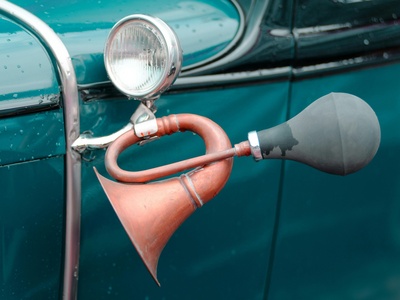
Short, attention-grabbing tones from vehicle horns used in traffic and warnings. Fundamental energy typically mid-frequencies, often designed to penetrate noise and alert pedestrians and drivers; SPL can be intense at close range but falls with distance.
Siren (ambulance/police)
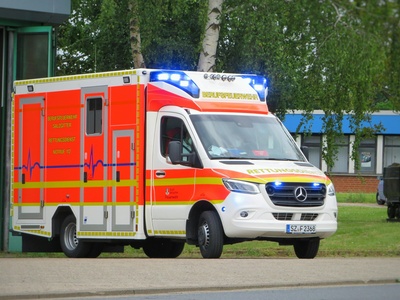
Oscillating tonal alarm used by emergency vehicles and civil alerts. Frequency sweeps and amplitude modulation are optimized for localization and detection over traffic noise; commonly perceived between mid to high audio frequencies at elevated loudness.

Jet engine (takeoff)
Powerful broadband noise from turbine engines and jet exhaust during takeoff and high thrust. Strong low-frequency components and broadband hiss produce very high SPLs near airports, major source of environmental noise and community annoyance.

Thunder
Explosive broadband sound from lightning-heated air expanding rapidly. Produces low-frequency rumble and sharp cracks; distances and atmospheric conditions shape its duration and perceived pitch, creating dramatic natural soundscapes during storms.
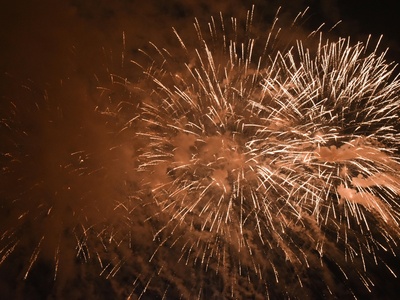
Fireworks/explosion
Brief, intense impulsive sounds from pyrotechnic detonations or explosions. Extremely broadband with very high peak SPLs close to the source, pose auditory risk and generate strong pressure waves and long-distance rumble.
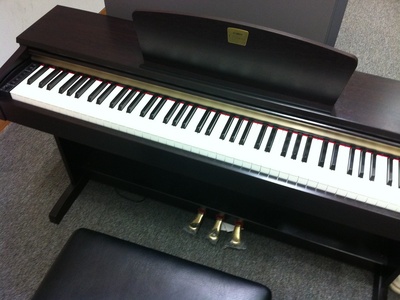
Piano
Stringed percussion instrument producing harmonic-rich notes from about 27–4,200 Hz in standard range. Used in solo and ensemble music, notable for wide dynamic range and clear transient attacks from hammers striking strings.

Violin
Bowed string instrument with strong harmonics stretching into high frequencies; main range roughly 196–8,000 Hz. Common in orchestras and folk music, notable for expressive sustained tones and rich overtones that aid projection.
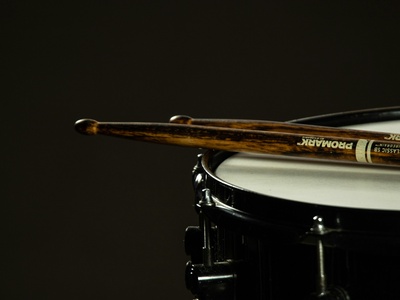
Snare drum
Percussive, broadband transient with sharp attack used in drum kits and marching bands. Energy spans low mids to high frequencies, contributing rhythmic definition and crispness to music and signaling contexts.

Dog bark
Short, voiced or explosive calls used for communication, alerting, and defense across breeds. Fundamental energy is low-mid with harmonics, audible in neighborhoods, and varies by size, emotion, and context. Barks can travel tens of meters in quiet conditions.

Birdsong (songbird)
Melodic, high-frequency vocalizations used for mate attraction and territory defense. Typically concentrated between 2,000–8,000 Hz, birdsong is highly species-specific and a familiar dawn chorus in many habitats. Amplitude is modest but easily heard at short distances.

Ocean surf (breaking waves)
Airborne and underwater broadband noise from waves breaking on shore or reefs. Dominant energy often 20–1,000 Hz; a continuous background in coastal environments, important for marine life masking and coastal soundscapes.

Whale song (blue whale)
Low-frequency, long-duration vocalizations produced by baleen whales underwater. Blue whale calls are infrasonic around 10–40 Hz, travel hundreds of kilometers, used for communication and possibly navigation in the deep ocean.

Bat echolocation
High-frequency ultrasonic pulses emitted by bats for navigation and insect hunting. Typical echolocation calls range 20,000–120,000 Hz, very short in duration and usually inaudible to humans but critical in nocturnal ecology.

Submarine sonar (active ping)
Man-made acoustic pulses transmitted through water for detection and ranging. Frequencies span low kHz to tens of kHz depending on application; pings are energetic, propagate far underwater, and can affect marine animals.

Volcanic eruption
Explosive eruptions produce infrasonic-to-audible broadband pressure waves that travel through air and ground. Signals often under 20 Hz to several hundred hertz; monitored for eruption detection and can be audible as distant rumble or near-field blasts.
Power mains hum
Audible low-frequency hum from electrical mains and transformers caused by magnetostriction and vibration. Dominant at 50 or 60 Hz with harmonics, often heard in buildings and near equipment as a steady tonal background.

Construction hammer / jackhammer
Repeated impulsive impacts from jackhammers and pile drivers generating broadband noise and strong low-frequency components. Typical in urban construction, can exceed 100 dB nearby and transmit through air and building structures.